
ERI Vietnam: a good partner, an unproven loop
A 50/50 e-waste venture between a large US recycler and a Vietnamese environmental-services group has real operational strengths. What it does not yet have is a plant, a permit, a mass balance or a named downstream buyer.
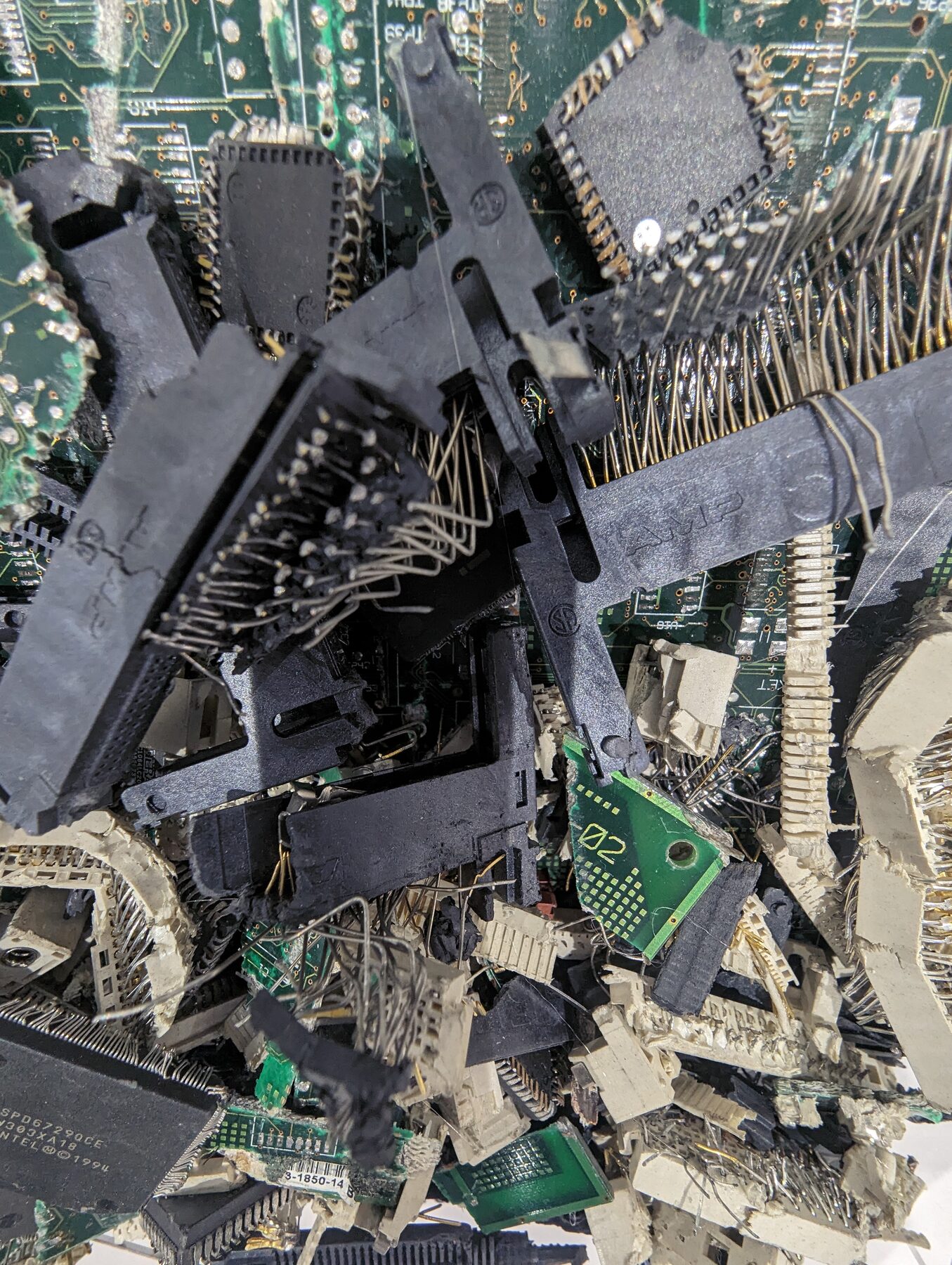
On 11 August 2026, US electronics recycler ERI and Vietnam's Green Marble Company announced a 50/50 joint venture, "ERI Vietnam", scheduled to begin business later this year. The rationale is sound. The headline - an end-to-end closed circular loop - is a design goal that has not been measured yet.
What is being announced
A jointly owned Vietnamese operation pairing ERI's electronics recycling, IT asset disposition, data destruction, logistics and material recovery with Green Marble/VSD's local infrastructure and collection networks. ERI says it will bring chain-of-custody software, advanced shredding and AI/robotic sorting into a transparent closed-loop model that keeps material out of landfill and feeds it back into Vietnamese products.
What is genuinely strong
The structural choice matters more than the tonnage. A 50/50 venture with a local partner is not the same as a cross-border shipping arrangement: VSD describes an environmental-service network spanning more than 20 member companies and covering 70% of northern Vietnam's waste-treatment market. Feedstock access is the hardest part of e-waste, and this addresses it directly.
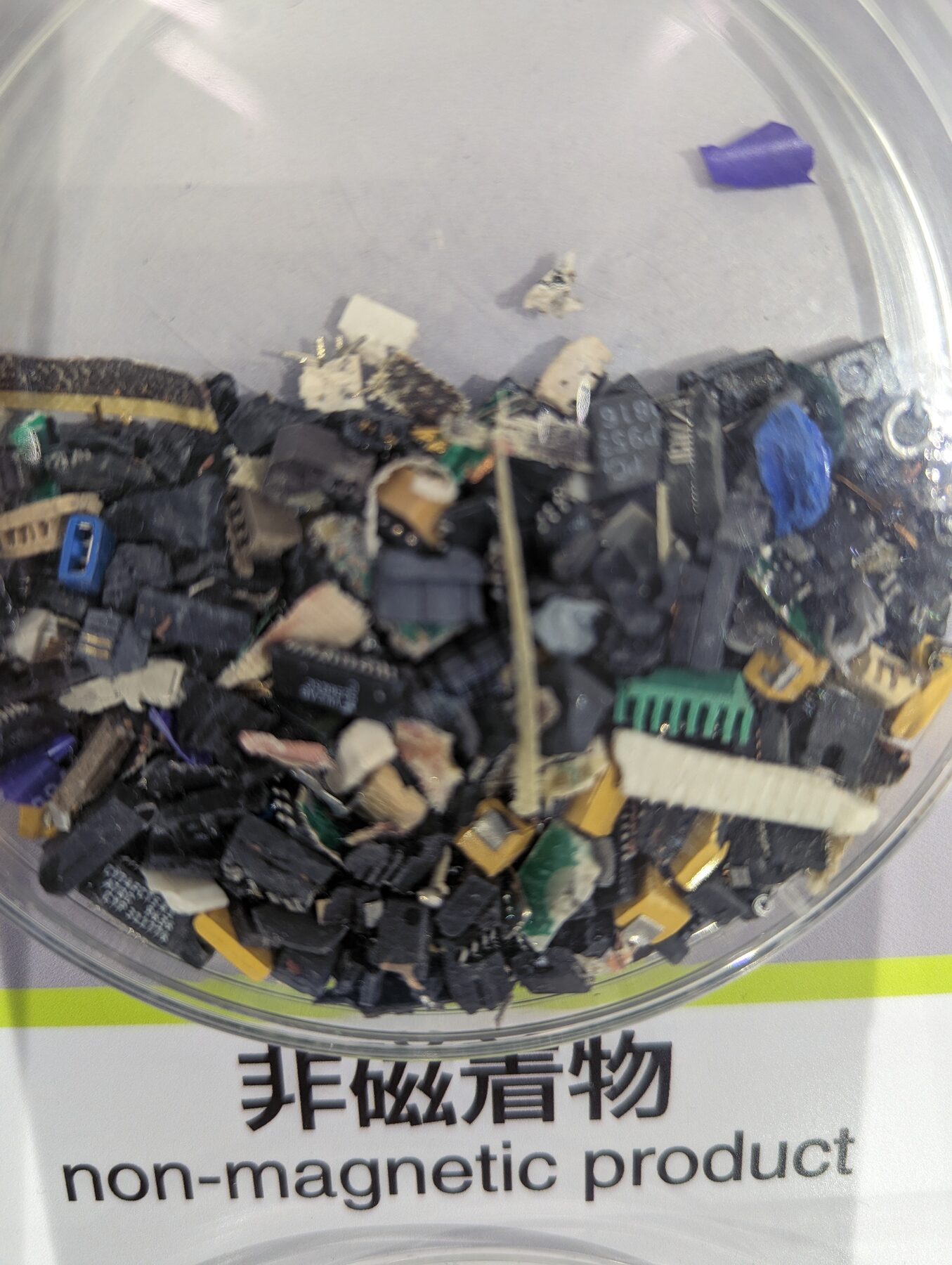
What the announcement does not prove
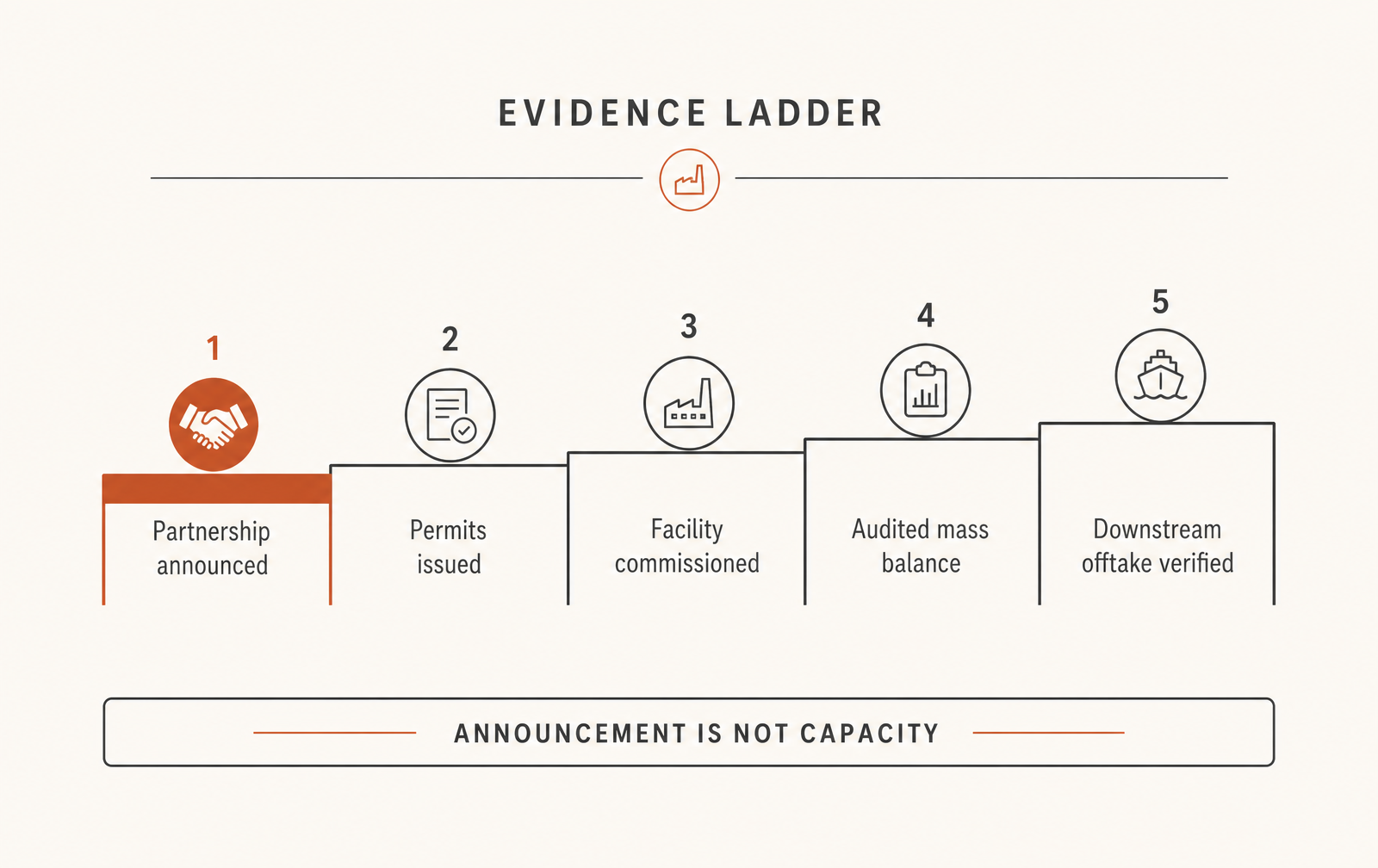
"Closed loop" is a claim about mass. Without a mass balance, it is a description of intent.
ERI Vietnam is not operating. The release gives a start-date window but no facility address, no permitted throughput, no process-flow diagram, no recovery yields by material, no downstream offtake contracts and no independently audited mass balance.
The business-model questions
E-waste economics turn on collection density, product mix, commodity prices, safe handling of batteries and hazardous fractions, and whether recovered plastics and metals find buyers at the required quality. A strong local network improves feedstock access. It does not automatically deliver formal collection capture, and it does not guarantee that every fraction is recycled inside Vietnam rather than exported or passed to a downstream contractor.
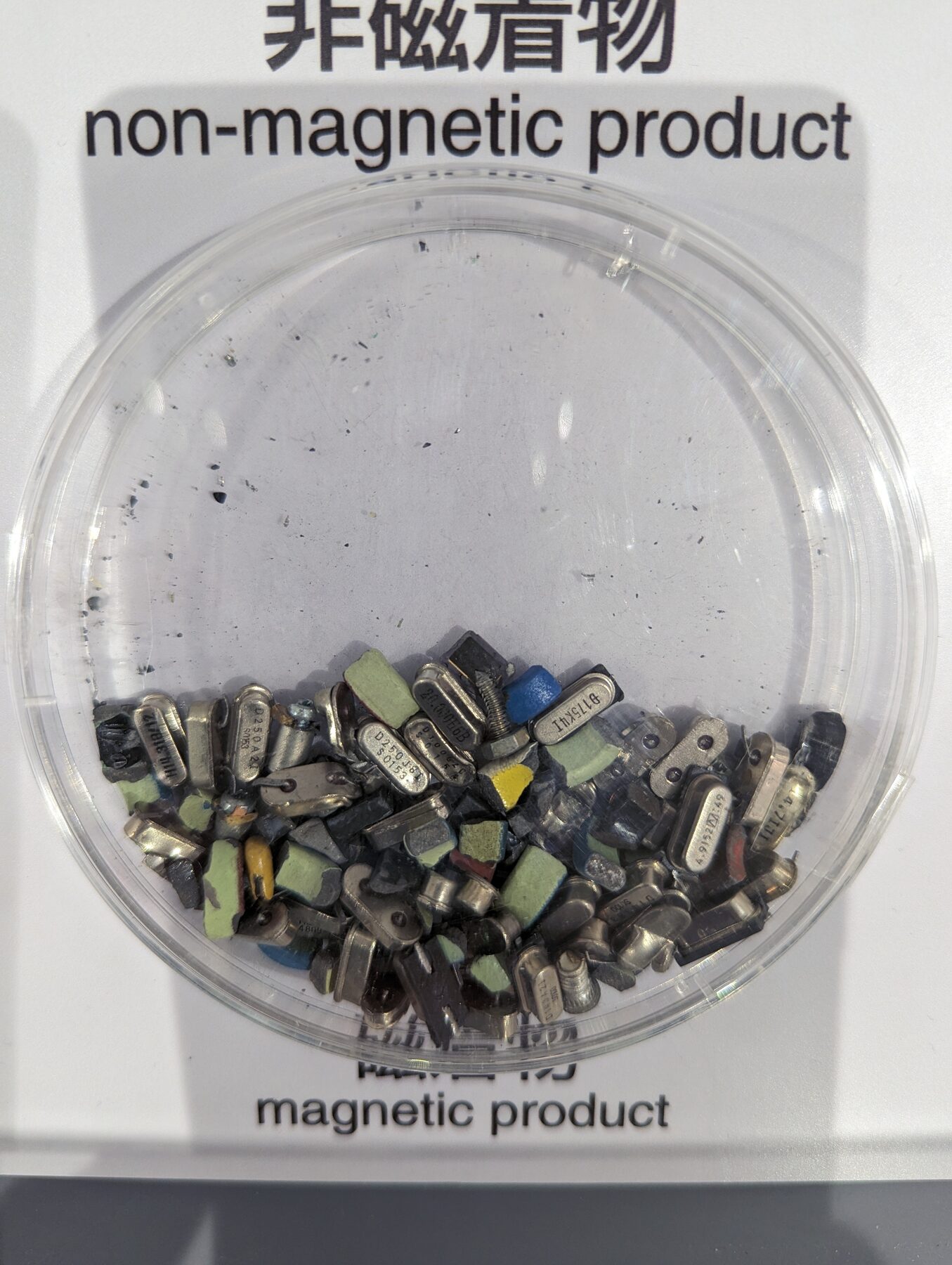
The diligence test
Once the plant is running, ask for: facility permits; site-level R2, e-Stewards or equivalent certification; actual kilograms in and out of each process step; treatment of refrigerants and batteries; verified data-destruction rates; and contracts showing where recovered material physically goes. Those numbers convert a credible partnership rationale into evidence of circular performance.
The promise
Formalised e-waste handling, protected data, more critical material retained in-country, skilled jobs, and an auditable alternative to informal or export-dependent pathways.
The catch
This is a partnership announcement, not an operating record. Permitting, collection volumes, hazardous-fraction controls, downstream markets and facility-level certification are all unresolved - and "closed loop" still has to survive real material losses and commodity-price swings.
Which single metric should ERI Vietnam publish first: tonnes collected, recovery yield, percentage kept in-country, verified data-destruction rate, or audited downstream destinations?
References and image credits›
- 01Business Wire - ERI and Green Marble Announce Strategic Partnership to Launch "ERI Vietnam"
- 02Resource Recycling - ERI expands global footprint into Vietnam
- 03VSD Holdings - Environmental Service
Photo: Syced, CC0, via Wikimedia Commons · Photo: Syced, CC0, via Wikimedia Commons · Diagram: The Waste Stack · Photo: Syced, CC0, via Wikimedia Commons