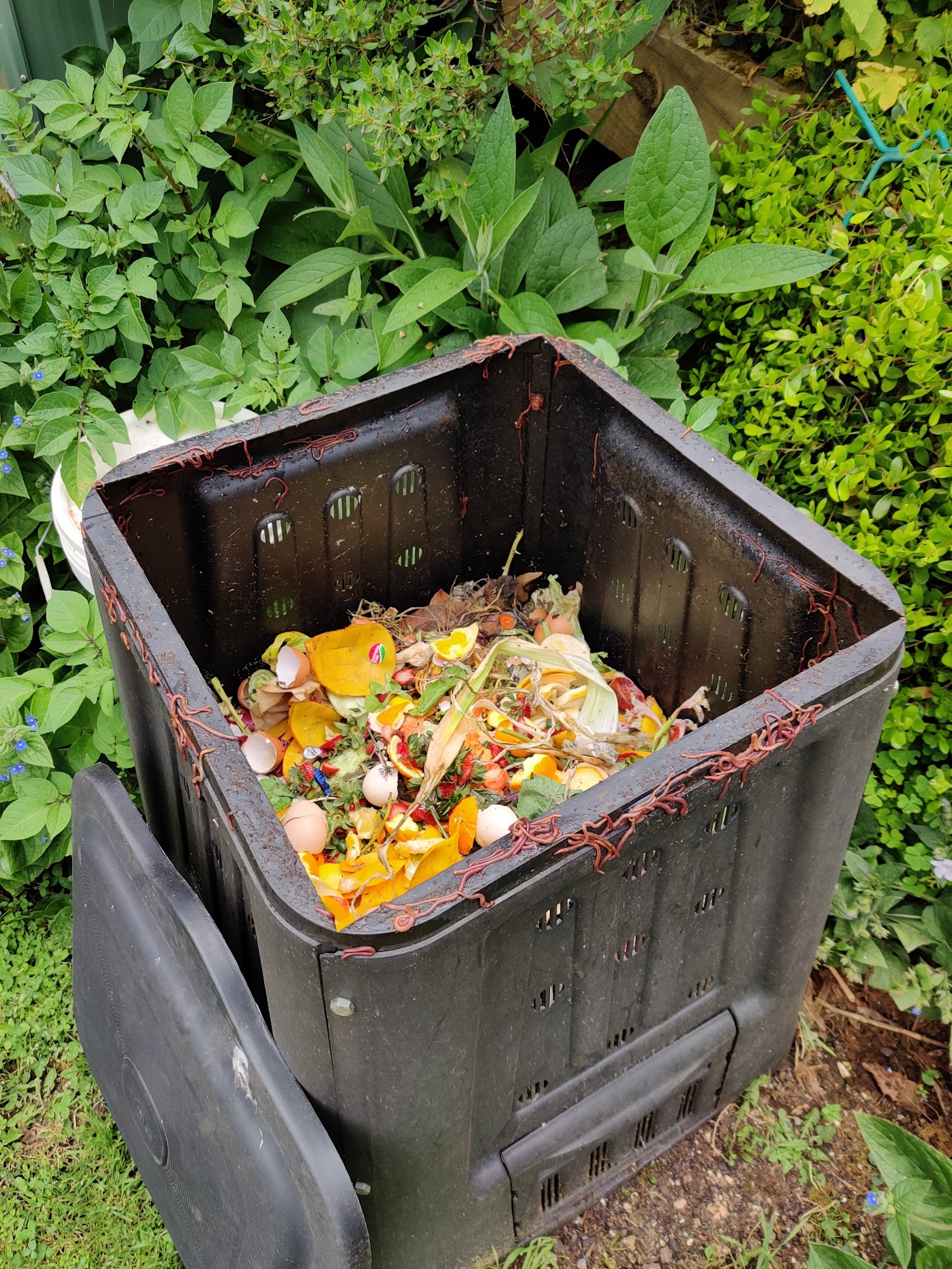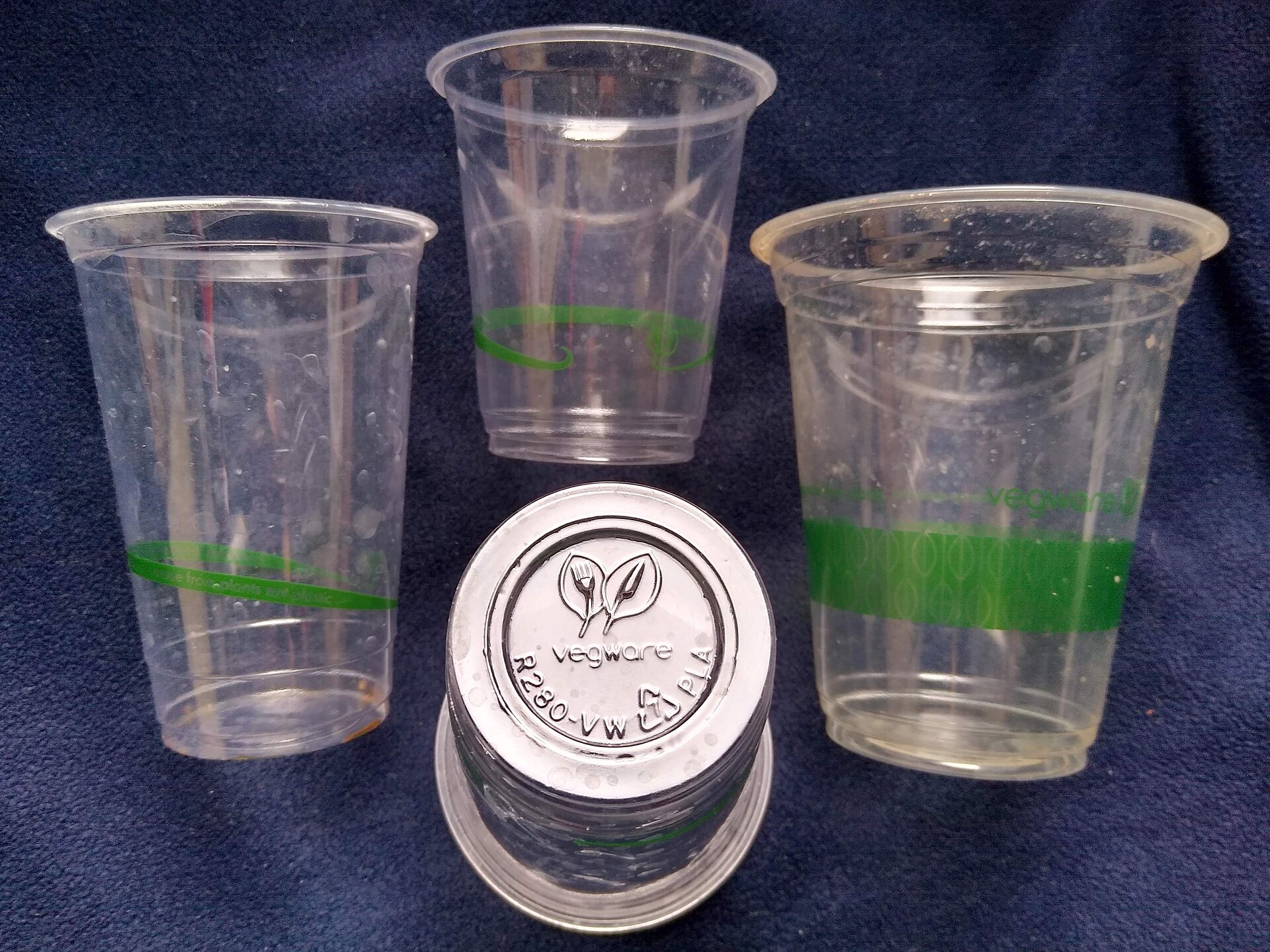
BASF's ecovio Is Certified Home-Compostable. Two Data Sets Are Missing
A PBAT and PLA blend with TUV OK Compost Home certification. The disintegration is tested. The barrier performance and the microplastic question are not.
Topic
Polymers, packaging and the recycling routes that do — and don't — close the loop.
14 posts

A PBAT and PLA blend with TUV OK Compost Home certification. The disintegration is tested. The barrier performance and the microplastic question are not.

The first carpet EPR programme in the US now runs 174 drop-off sites and recycles 78.5 million pounds a year. It is also a lesson in how slowly EPR moves.

pDCPD is a cross-linked thermoset with no recycling route. A ruthenium catalyst and a stirred solvent take it apart - and leave the carbon fibre intact.

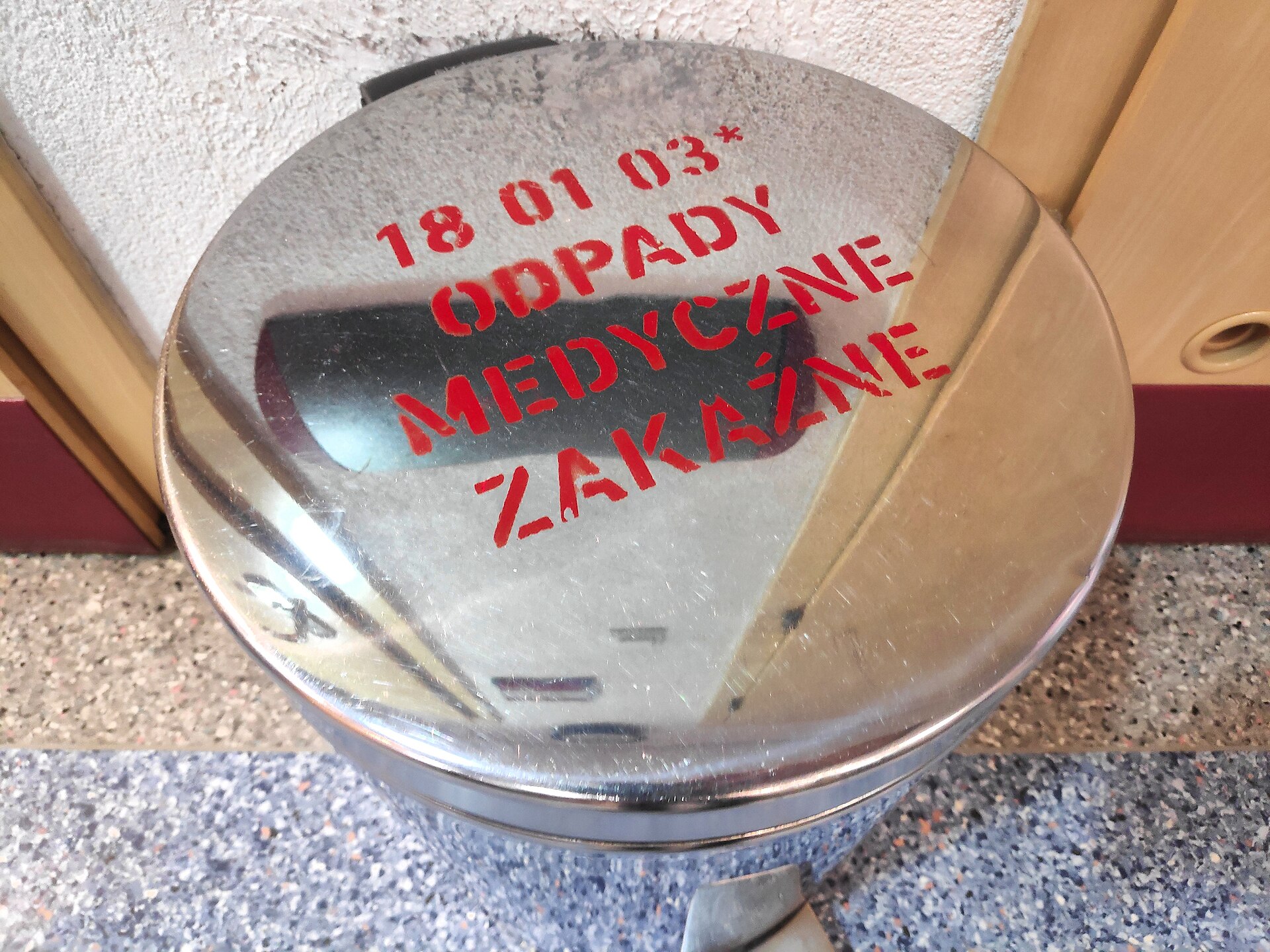
On-site shredding and disinfection that turns regulated medical waste into recyclable polymer flake. The disinfection is certified. Most of the headline numbers are not.

Near-infrared sorters are blind to black plastic and confused by multilayer film. Terahertz sensing sees through both. The physics is real; the belt speed and the detector price are not there yet.

Aduro says its water-based chemistry converts waste plastic and heavy oil at lower temperatures than pyrolysis. Even if that holds, the output is still a feedstock that a refinery has to finish.

Chemical recycling of PET normally means a stirred tank and several hours. Kirin and JSW have moved the reaction into a continuous extruder. If the numbers hold, the interesting part is throughput per unit of capital.

Certified compostable packaging is engineered to break down in a hot industrial windrow. Put it in a garden bin, a recycling bin or a landfill and it behaves like ordinary plastic — because in those conditions, it is.

An EU project says it has closed the loop on PLA — sorting, depolymerising and repolymerising bioplastic back to virgin-grade. The chemistry is sound. The numbers that decide whether it matters are missing.

The removal figure is real and independently plausible. Set against annual plastic inflow to the ocean, it represents a small fraction of a single year — and the river interceptors are the part of the programme that actually scales.

Chemical depolymerisation of nylon 6 back to caprolactam is proven chemistry with decades of industrial history. The constraint has always been that most nylon in the world is blended into textiles that cannot be separated.

PMMA depolymerises back to its own monomer at high yield with nothing more exotic than heat. It is the clearest existing example of true chemical recycling — and the reason it stays rare is collection, not chemistry.

A soil-derived enzyme called LCPH1 breaks down long-chain polyester bioplastics and cleaves the penicillin beta-lactam ring. It is much better at the second job than the first, which is the detail worth sitting with.

A magnetically driven MXene microrobot removes most microplastic particles from water and rather less from soil. The recovery figures are real; the retrieval and leaching questions are the ones that decide whether it ever leaves the lab.