ExplainerOctober 7, 2026
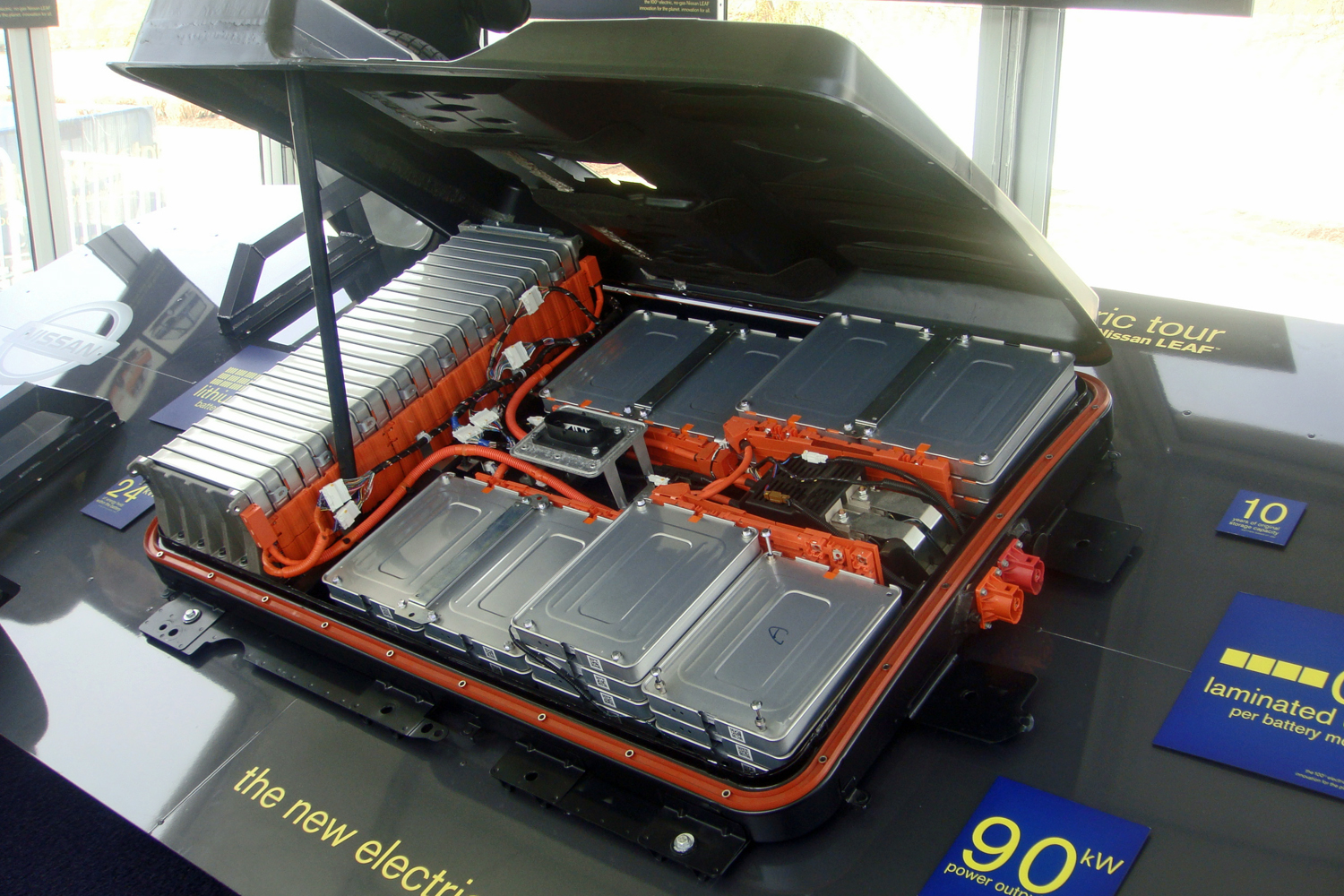
ABTC’s $100 million black-mass licence exposes the refining gap
Shredding concentrates battery material; it does not produce battery-grade minerals, and an export authorisation is not a sales result.

Topic
Electronics, batteries and solar panels at end of life, and the recovery of what's inside them.
22 posts
Shredding concentrates battery material; it does not produce battery-grade minerals, and an export authorisation is not a sales result.
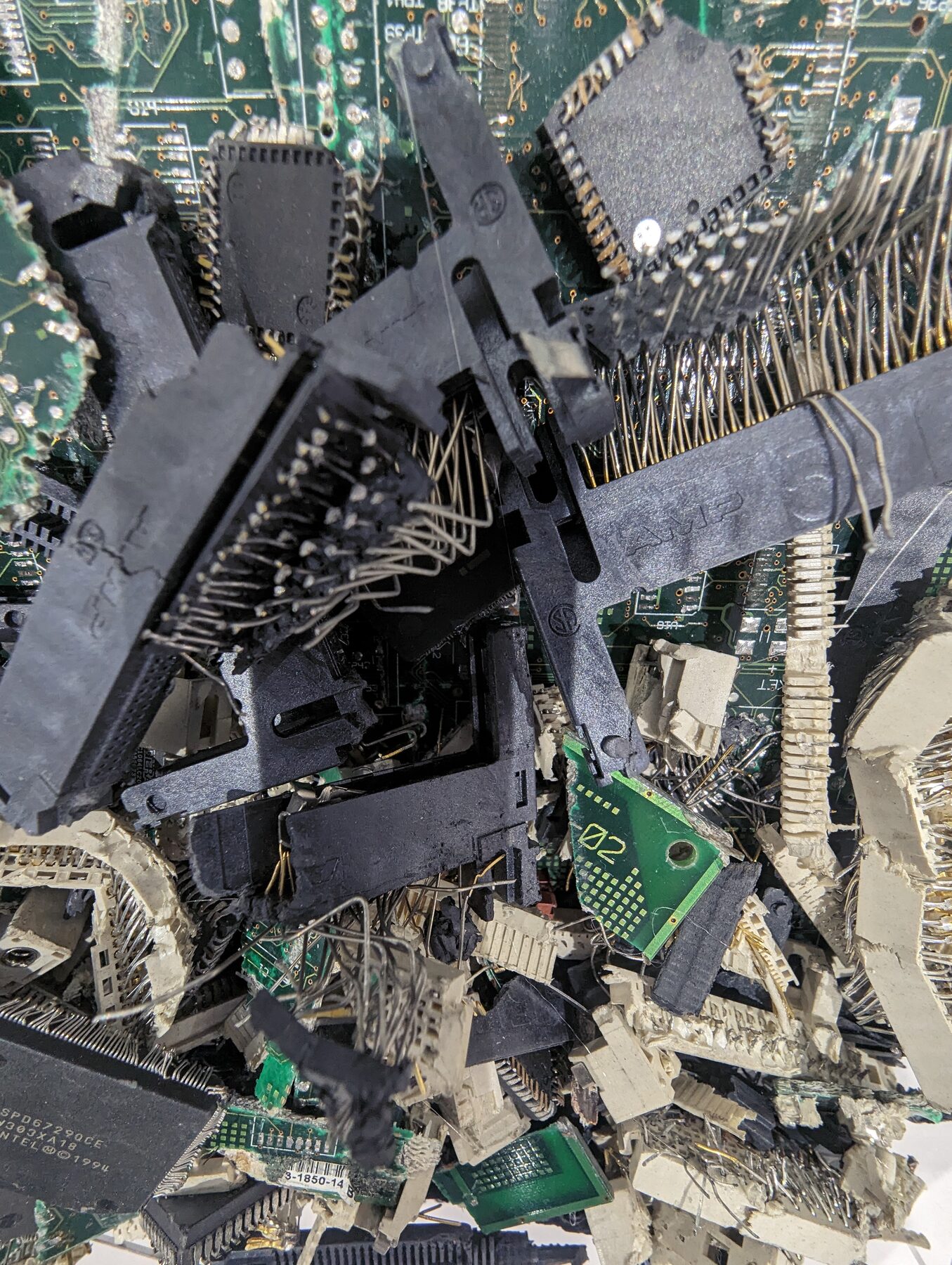
Reported allegations involving appliance companies reveal why invoices, recycling certificates and physical processing need separate verification.
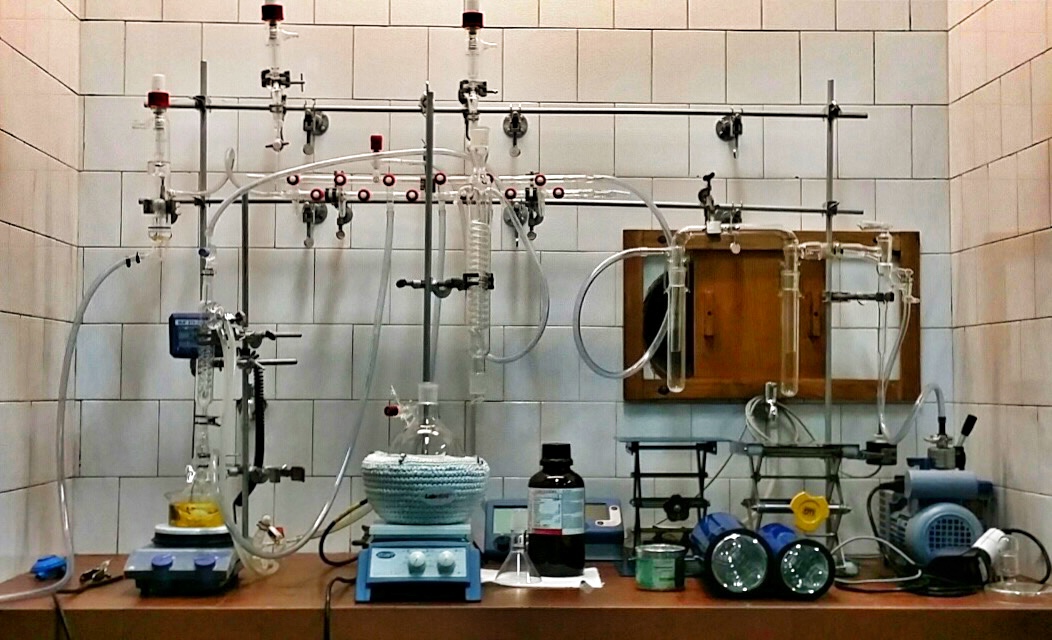
The reported recoveries are impressive; feedstock, solvent balances and independently checked operating data determine their meaning.
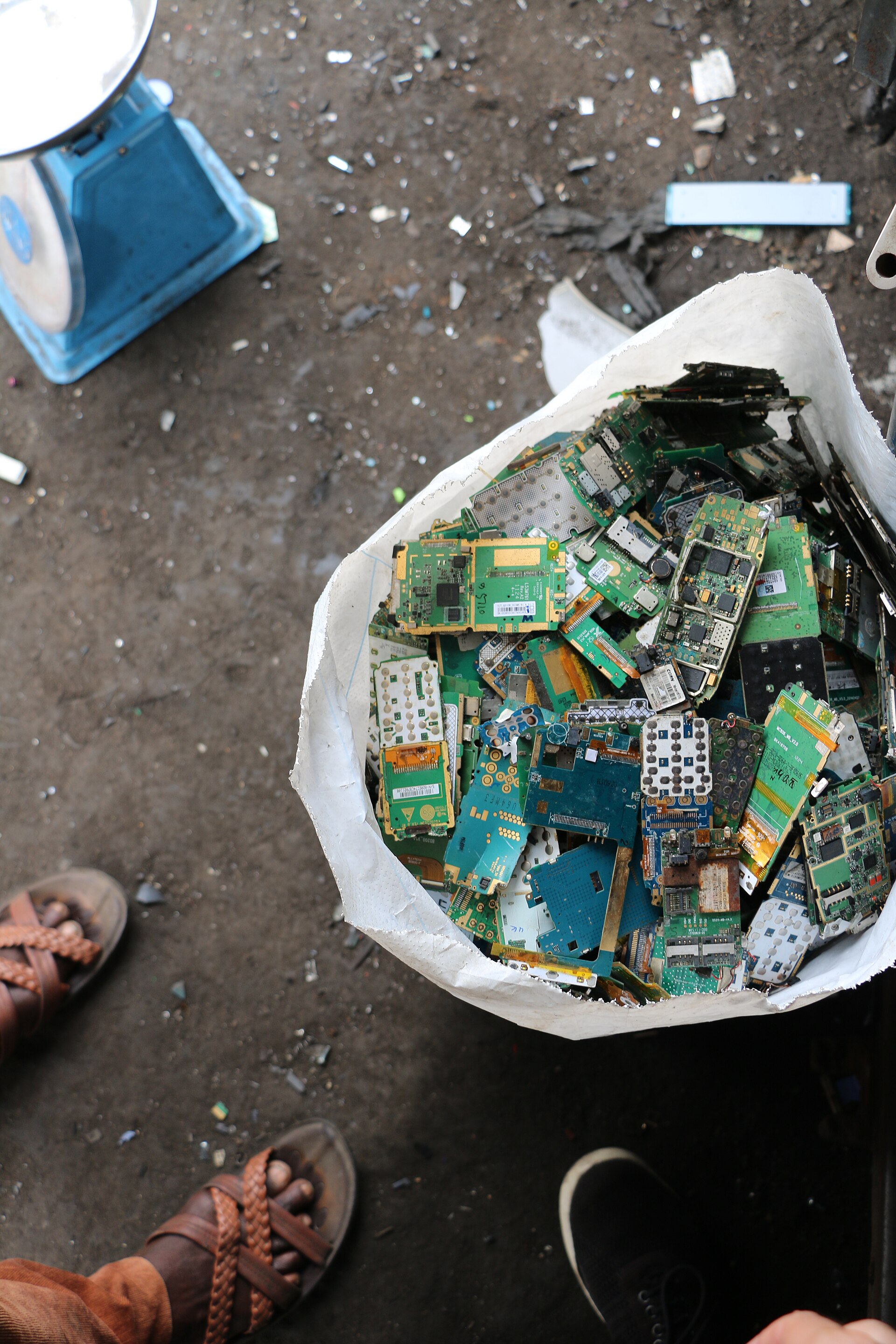
A Basel Action Network investigation found eight of ten U.S. firms shipping e-waste to Southeast Asia held R2v3 'responsible recycling' certification. Here is where drop-off electronics can really end up.
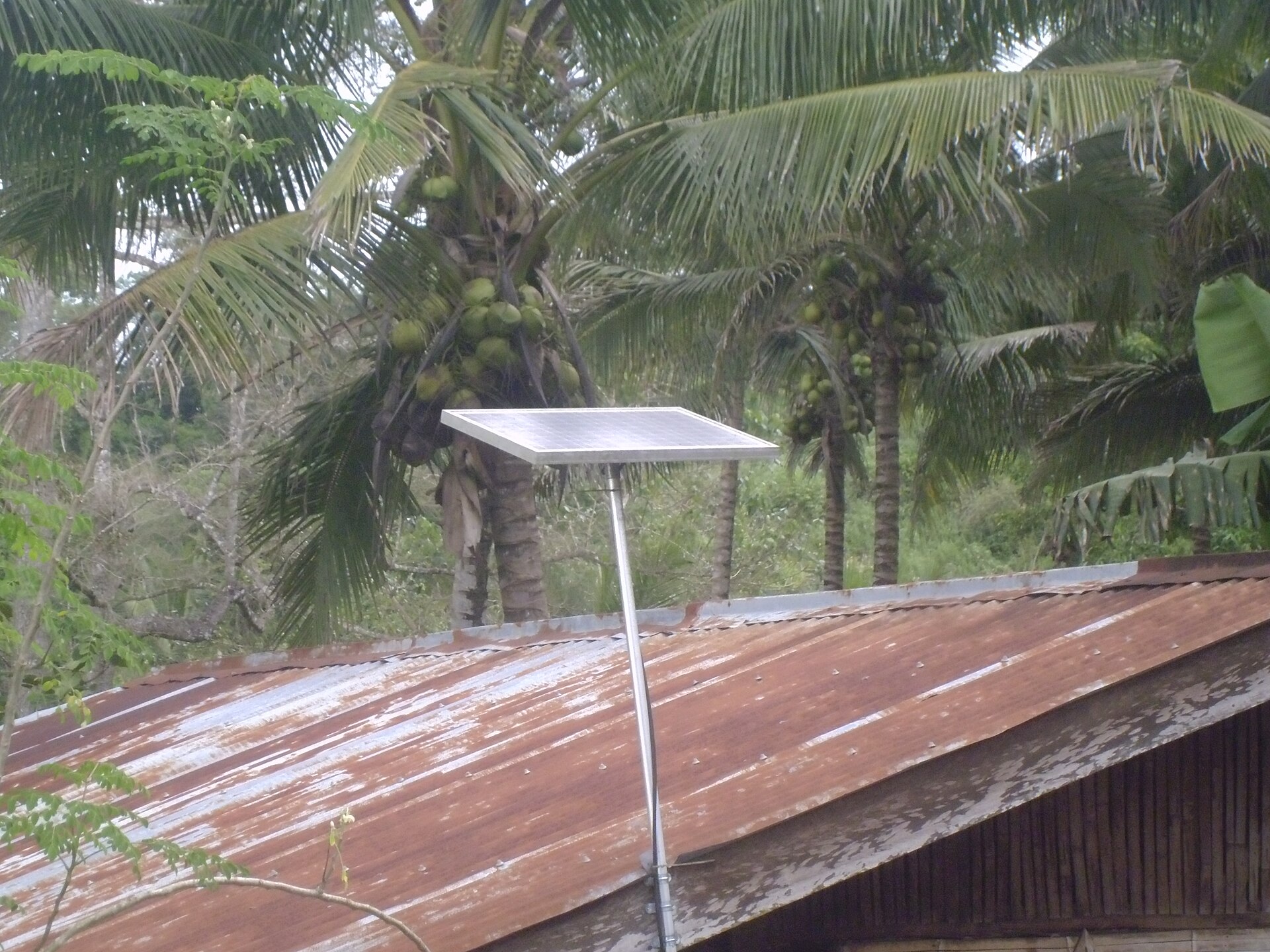
From October 1, Alberta charges $14 on every new panel and bans end-of-life panels from landfill. Here is how a panel is taken apart, and why the fee is already contested.
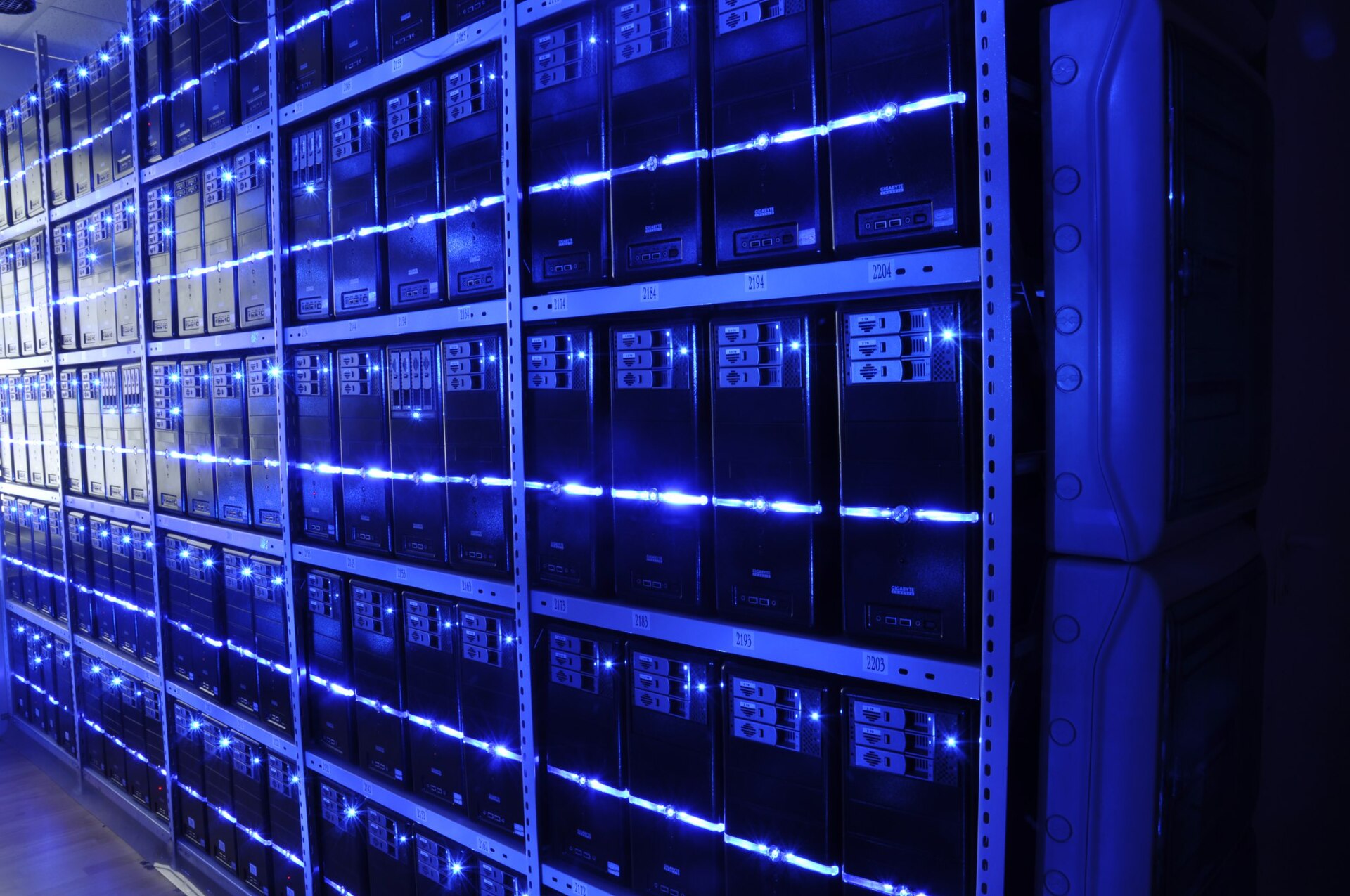
The Basel Action Network's projection is arithmetically defensible and widely misread. Most of the forecast tonnage is not servers.
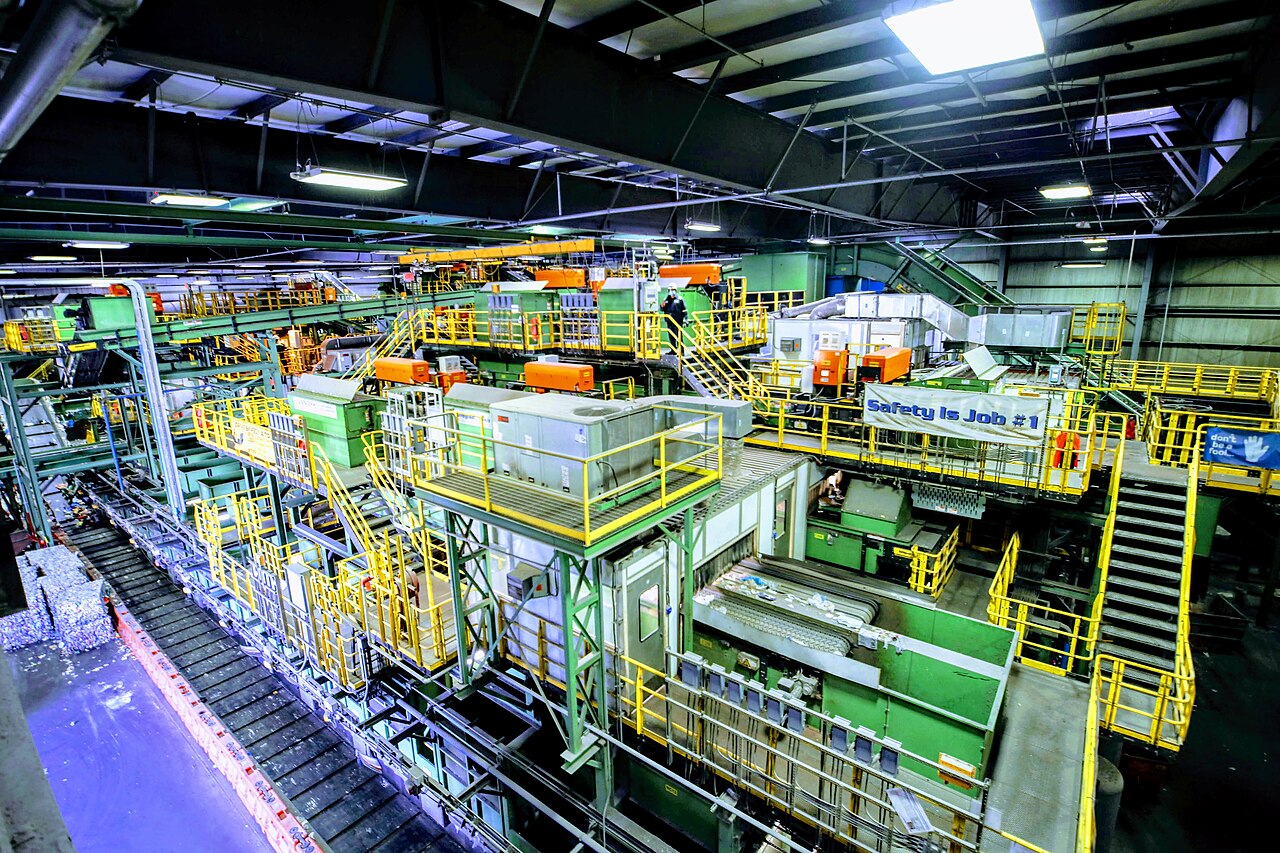
Litech mounts a flat sensor beneath an existing conveyor and reads magnetic signatures every millisecond, aiming to flag concealed lithium cells before they reach the shredder. The mechanism is elegant. The numbers are missing.
R3 Lithium is taking over battery recycling capacity in Covington, Georgia that Ascend Elements spent far more to build. The asset is real. The question is whether the funding matches what refining lithium to spec actually costs.
Siderophores bind metals with extraordinary selectivity because bacteria evolved them to scavenge iron. Repurposing that chemistry for gallium and rare earths in e-waste is elegant, and the cost per gram is the whole question.
Rice University reports ~95% recovery of critical metals using citric acid. The chemistry is genuinely clever. The framing around it — the lemon, the 10% figure, the record — does not survive a close read.

The directive is a real obligation with real teeth. It also applies to a short list of product categories, and the biggest driver of e-waste volume — cheap devices with glued-in batteries — largely sits outside it.
A pilot plant recovering lithium without mineral acid is a genuine contribution. The gap between pilot tonnage and the volume of batteries reaching end of life this decade is three orders of magnitude.
Conventional battery recycling dissolves cathodes in hot mineral acid. Microwave-assisted leaching in a deep eutectic solvent does the same job at lower temperature, in minutes, with a solvent you can in principle reuse.
A University of Illinois team redesigned the extraction molecule itself so the organic liquid conducts its own current. It pulled 89% of the gold out of real e-waste leachate — with one to two orders of magnitude fewer reagents.
Nth Cycle took $100M and Princeton NuEnergy $50M out of the DOE's $500M battery round. Both have operating plants and third-party numbers — which is more than most. Neither has solved the part a grant cannot buy: feedstock.
Iron-and-phosphate cathodes are cheap, which is exactly why conventional recycling struggles to pay for them. Direct regeneration takes a different route: repair the cathode powder instead of breaking it back down into salts.
CP Group's Sentry pairs X-ray with RGB cameras and AI to spot batteries and propane cylinders on a moving recycling line. Circular Services is installing it now — here is how the detection zone works, and which numbers nobody has published yet.
A University of Newcastle pilot ran end-of-life solar cell material through continuous froth flotation and recovered virtually all of its silver. Here is the mechanism, stage by stage — and what "nearly 100%" actually covers.
A 50/50 e-waste venture between a large US recycler and a Vietnamese environmental-services group has real operational strengths. What it does not yet have is a plant, a permit, a mass balance or a named downstream buyer.
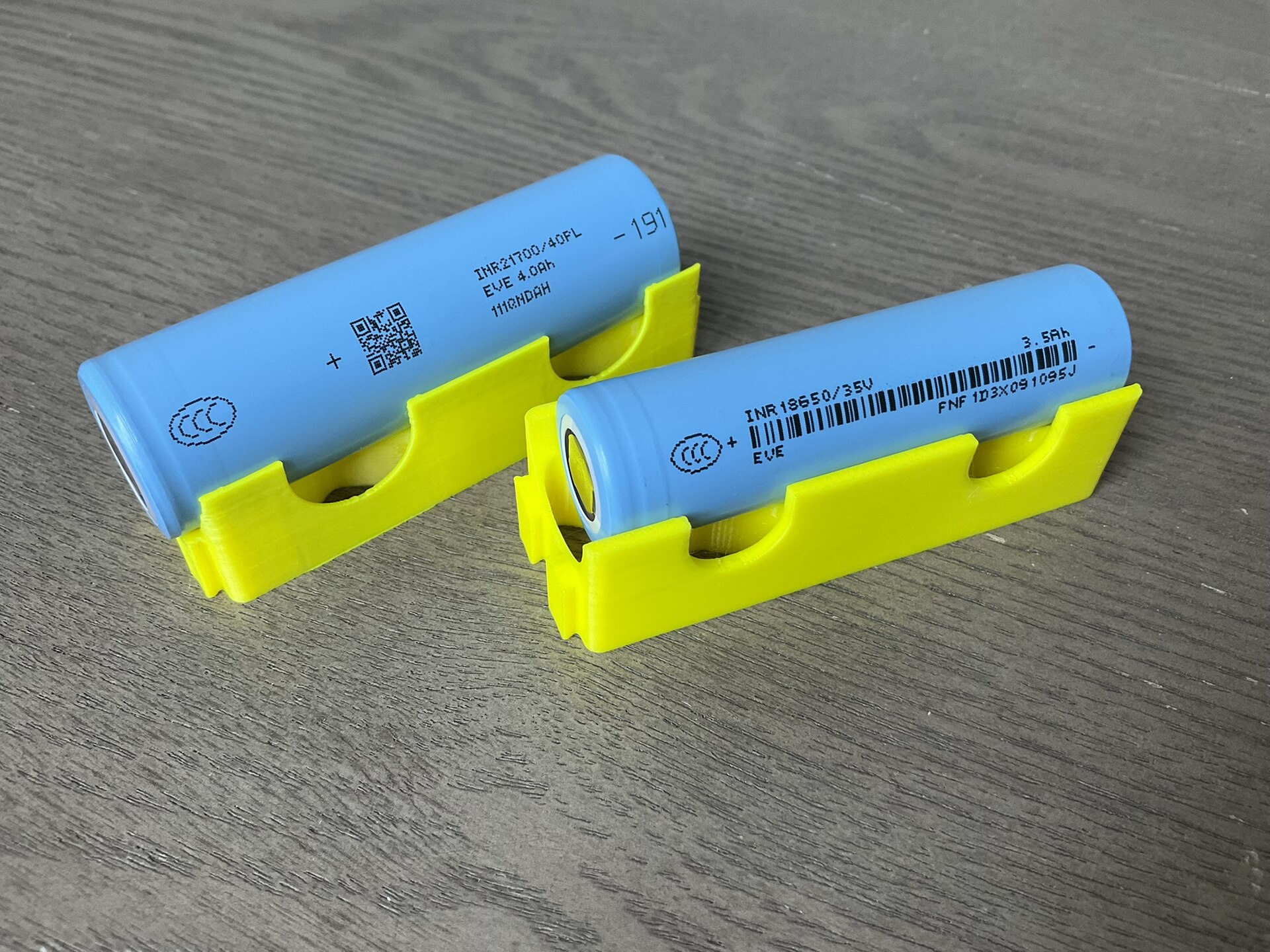
A battery that no longer powers your device still holds enough energy to start a fire when it is crushed in a collection truck or a sorting line. The recycling symbol on it does not mean curbside.
China's second-life battery decision is being read as a win for the circular economy. Shredding a working battery to recover its metals is the opposite of the waste hierarchy.
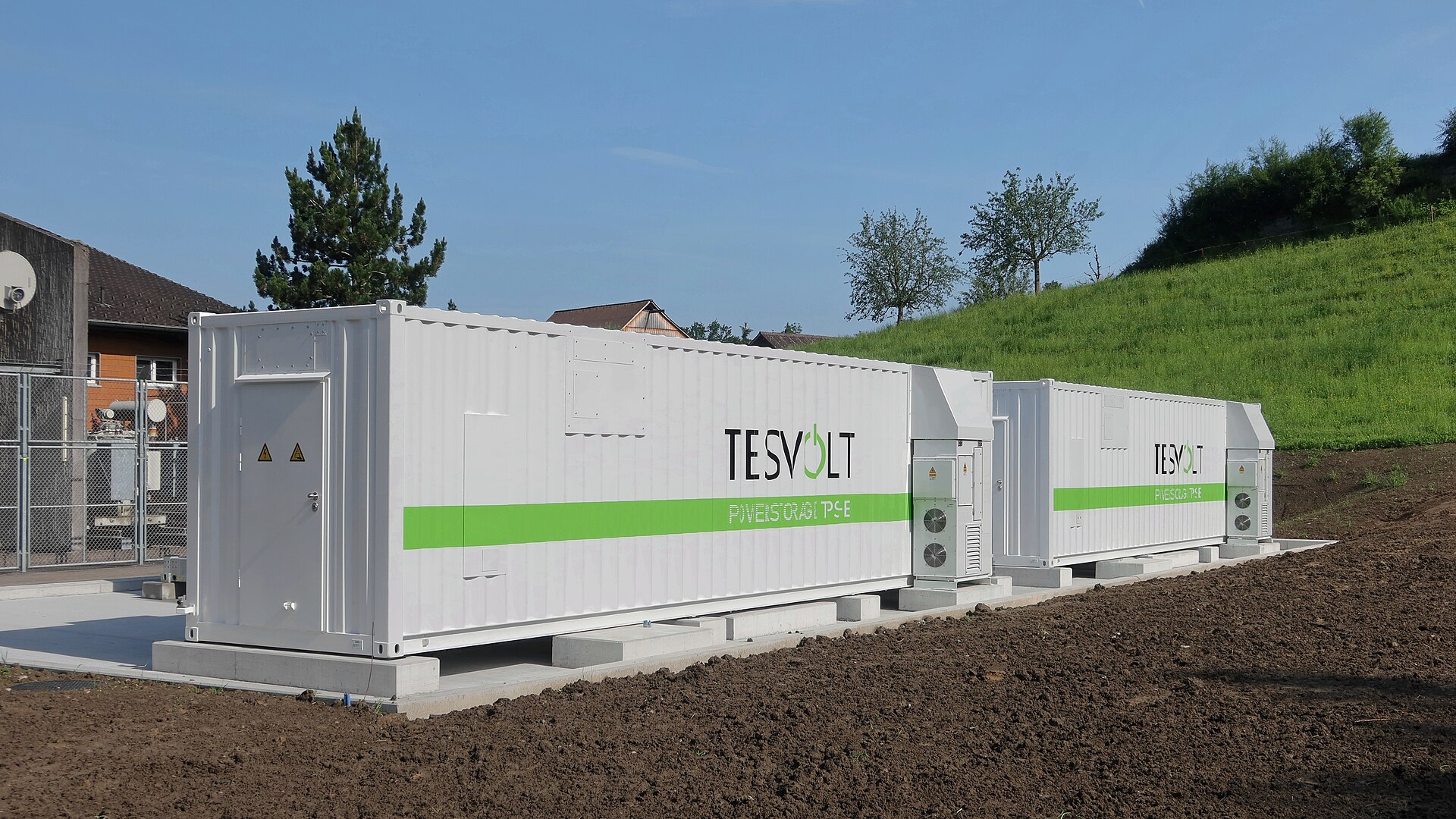
On 30 July, MIIT abolished the announcement-management system for cascade use of retired EV batteries. Not a ban on reuse — the removal of the official channel that made reuse financeable.