
"Two Indonesian waste-to-energy projects secured" - award, milestone, or conditional headline?
SUS ENVIRONMENT says it was selected as preferred partner for two Indonesian WtE projects. The announcement contains no capacity, financing, schedule or emissions data - and a Conditional LOA is not a project.
A preferred-partner announcement is a real event. It is just not the event the headline implies.
The claim
SUS ENVIRONMENT announced on 5 August that it had been selected as preferred partner for the Lampung Raya and Surabaya Raya waste-to-energy projects in Indonesia's second selection batch, after a process involving 68 applications from 85 pre-qualified applicants.
SUS says it leads Lampung Raya with PT Indoplas Dewata Energi, and joins the Surabaya Raya consortium with PT Bakrie Power and PT Akritas Karya Persada. The instrument named is a Conditional LOA.
What is genuinely strong
Named local partners, in both consortia. That matters in Indonesian infrastructure, where land, permitting and offtake all run through domestic entities.
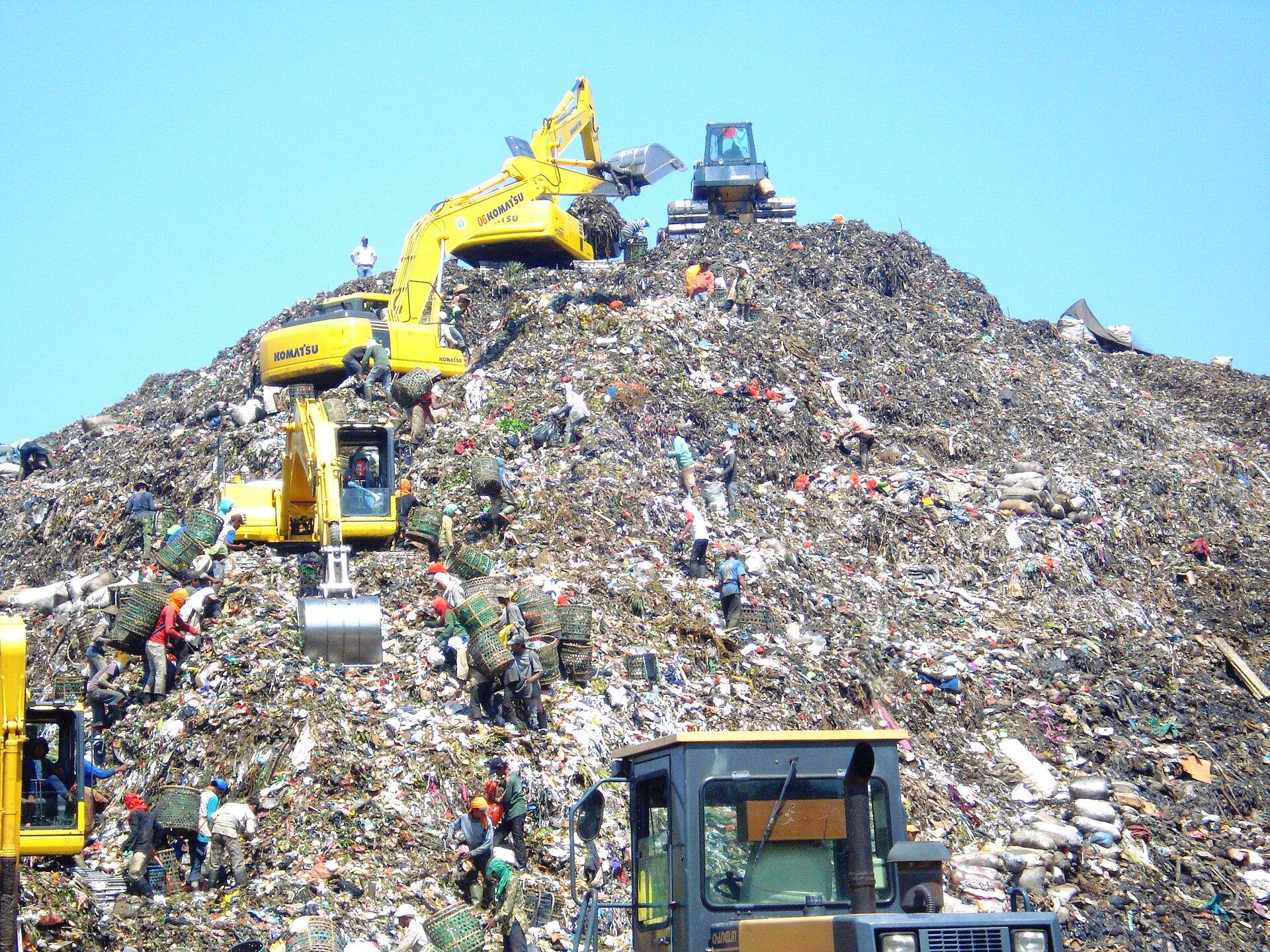
Some form of competitive screening was passed. And formal WtE capacity, if built, would add both treatment capacity and dispatchable electricity to systems that currently rely heavily on open dumping.
SUS also brings incineration, project-development and operating experience, which is not nothing when the failure mode for WtE in emerging markets is usually execution rather than concept.
Where the headline outruns the evidence
The test is not whether a document exists. It is whether the document obliges anyone to spend money.
Here is what the announcement does not state.
Tonnage per day for either project. Electricity output. Construction start. Operations start. Capital cost. Who provides the debt. The tariff. The tipping-fee model.
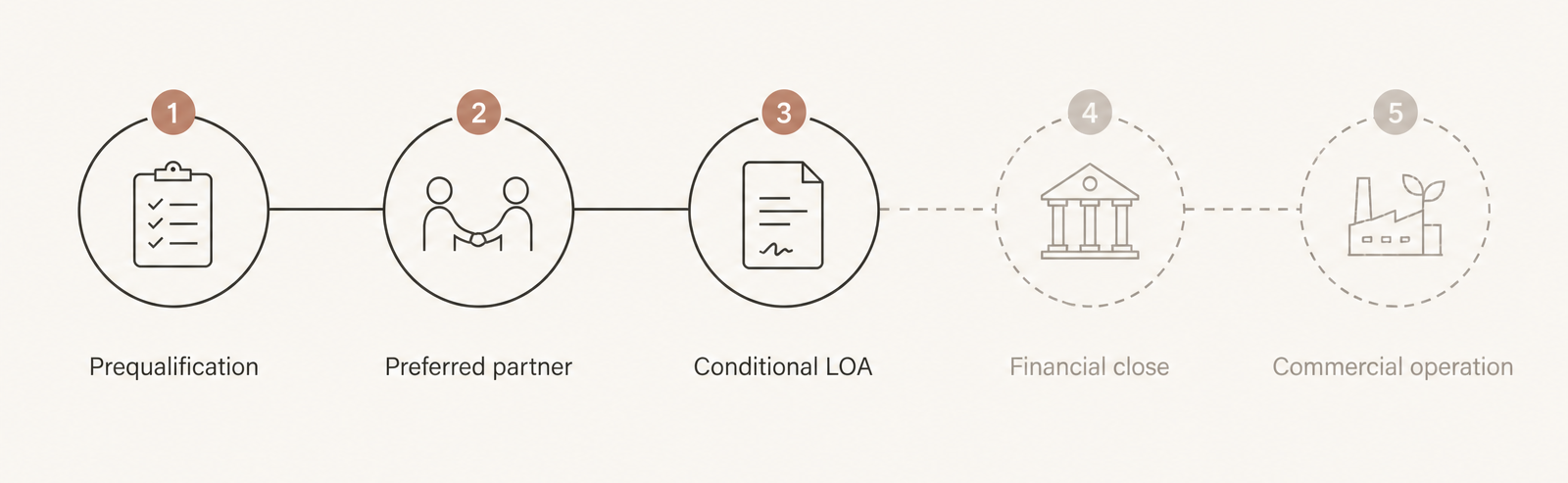
A preferred-partner designation and a Conditional LOA are not financial close, not construction, and not commercial operation. Every WtE project that ever collapsed also had a signing photo.
The program-context check
Danantara Indonesia published a notice the same day describing its reopened DPT process as prequalification only - explicitly not a project award, contract, guarantee of appointment, exclusive right or guarantee of participation. It gives no project site, capacity, investment figure or construction schedule.
That does not disprove SUS's separate second-batch selection; they are different processes. What it does show is why prequalification, conditional selection and bankable project award should never be collapsed into one word.
The circularity and climate questions
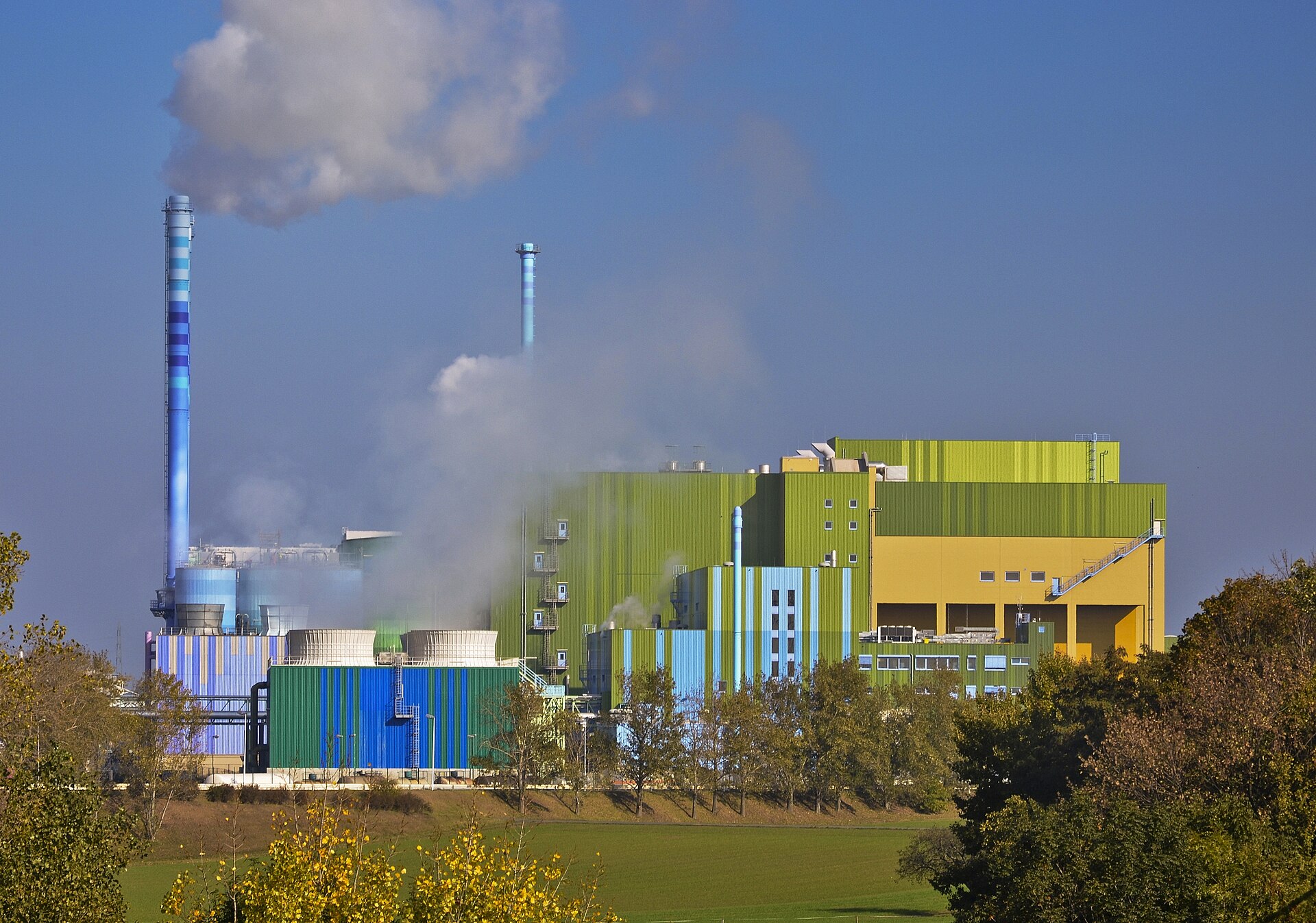
No project-level waste-composition assumptions. No recycling-displacement analysis. No air-emissions control specification. No ash-management plan. No lifecycle carbon accounting. No quantified greenhouse-gas benefit.
These are not nitpicks. Waste composition determines calorific value, which determines whether the plant needs auxiliary fuel. Ash management determines whether you have solved a disposal problem or relocated it. And long-term put-or-pay waste supply contracts are the standard mechanism by which a city ends up penalised for recycling more.
The promise
If the selections turn into financed and permitted projects with strong emissions controls and transparent feedstock rules, they expand formal waste treatment, cut uncontrolled disposal, produce reliable electricity, and build local technical capacity. That is a genuinely good outcome and it is achievable.
The catch
The business and environmental cases cannot be tested from what has been published. Four questions decide it: do the LOAs become binding agreements, who carries construction and operating risk, is waste supply and power offtake actually secured, and do the long-term combustion contracts end up competing with recycling and organics diversion.
Until those are answered, "secured" is doing work the evidence has not earned.
Worth arguing about
What minimum evidence should a WtE developer disclose before "project secured" is a fair headline: capacity, financing, emissions, waste contracts - or all four?
References and image credits›
- 01SUS ENVIRONMENT / PR Newswire — Two Indonesian WtE Projects
- 02Danantara Indonesia — WtE Partner Registration Notice
Photo: 22Kartika, CC BY-SA 3.0, via Wikimedia Commons · Diagram: The Waste Stack · Photo: Norbert Nagel, CC BY-SA 3.0, via Wikimedia Commons