
Amino Acid Salts Can Scrub CO2 Out of Biogas. Just Not Quite Enough
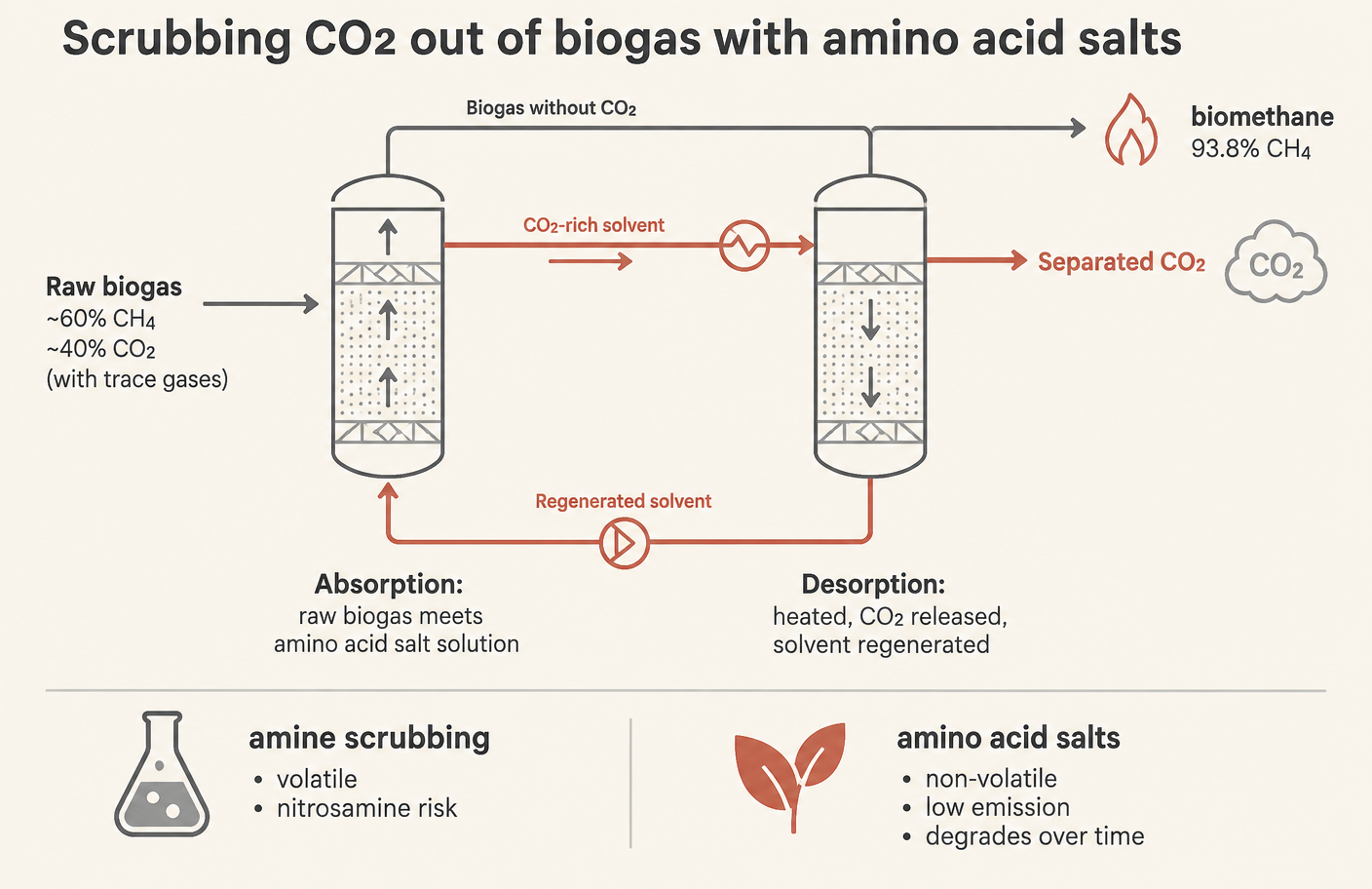
A Stuttgart process separates 92.3% of the CO2 from raw biogas using a benign solvent. Gas grids want methane above 96%.
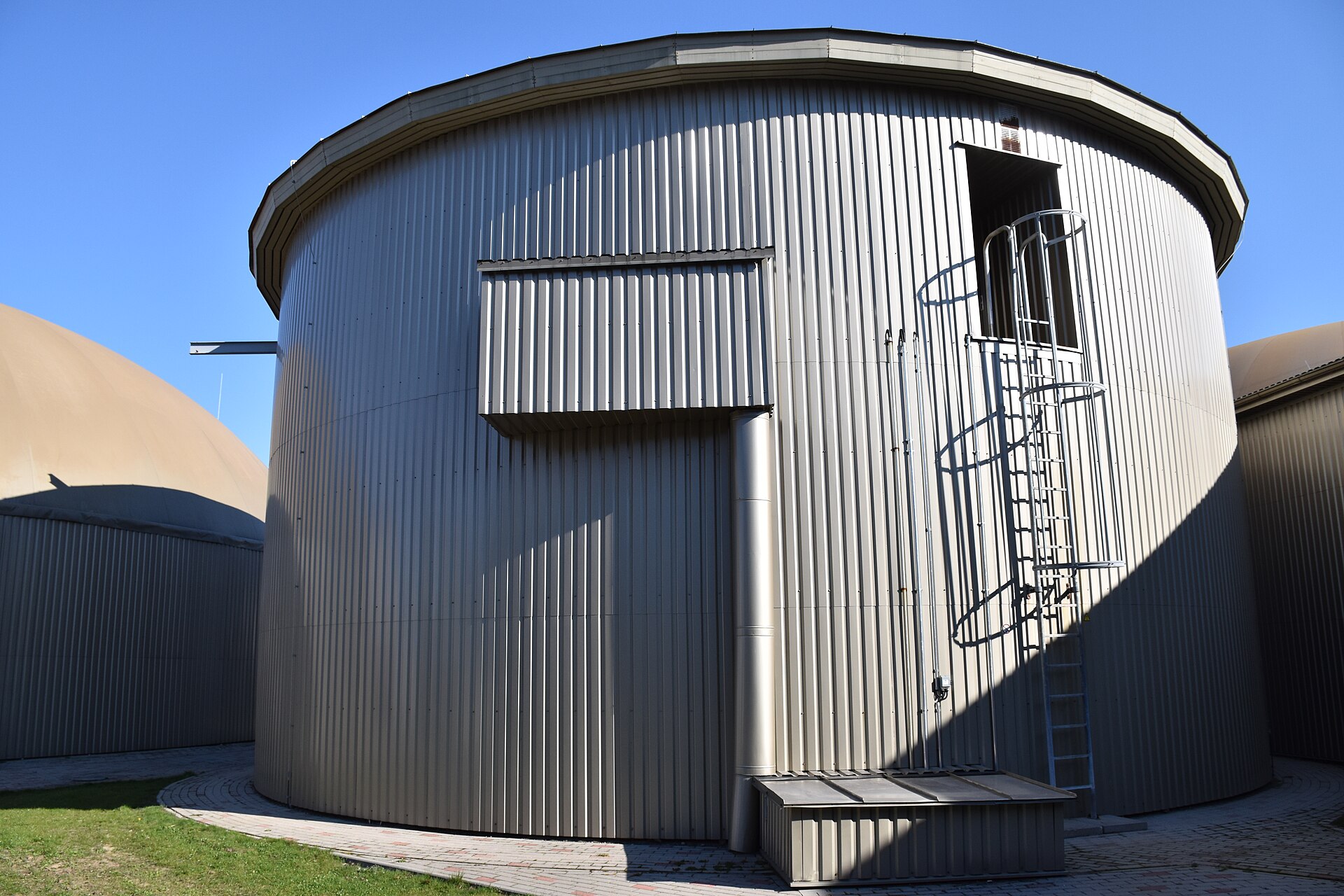
Raw biogas from a digester is roughly 50-70% methane and 30-50% carbon dioxide. To inject it into a gas grid you have to take nearly all the CO2 out. The dominant routes - amine scrubbing, water scrubbing, membranes, pressure swing adsorption - each carry an energy, cost or toxicity penalty.
The Triple A approach
A University of Stuttgart team, in the Triple A project, uses aqueous amino acid salts as the absorbent. Amino acid salts bind CO2 chemically in much the same way as conventional amines, but they are non-volatile, low in toxicity and biodegradable - which removes the solvent emissions problem that makes amine plants unpleasant to site.
The gap that matters
Those two numbers are the whole story. 93.8% methane is a usable fuel for an on-site engine or a boiler. It is below the specification for most European grid injection standards, which sit at 96% and above, and well below the 97-99% that upgrading plants routinely achieve today.
The unanswered question
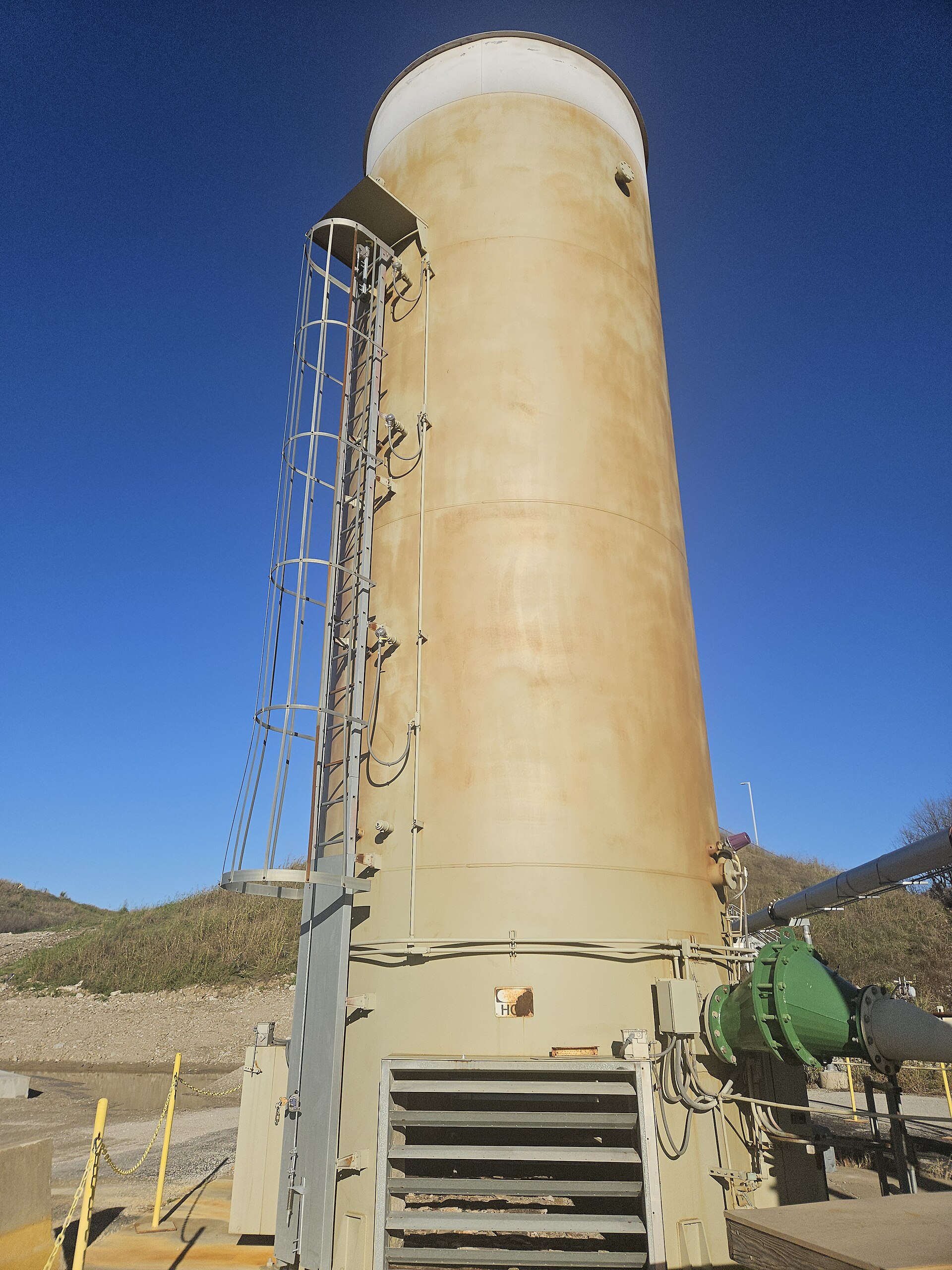
Solvent degradation. Amino acid salts are known to oxidise and to form degradation products over repeated absorption-desorption cycling, especially in the presence of oxygen and the hydrogen sulphide that raw biogas carries. Makeup solvent cost and degradation-product disposal decide whether a benign solvent stays benign in operation. The published results do not cover long-run cycling.
Where it could genuinely fit
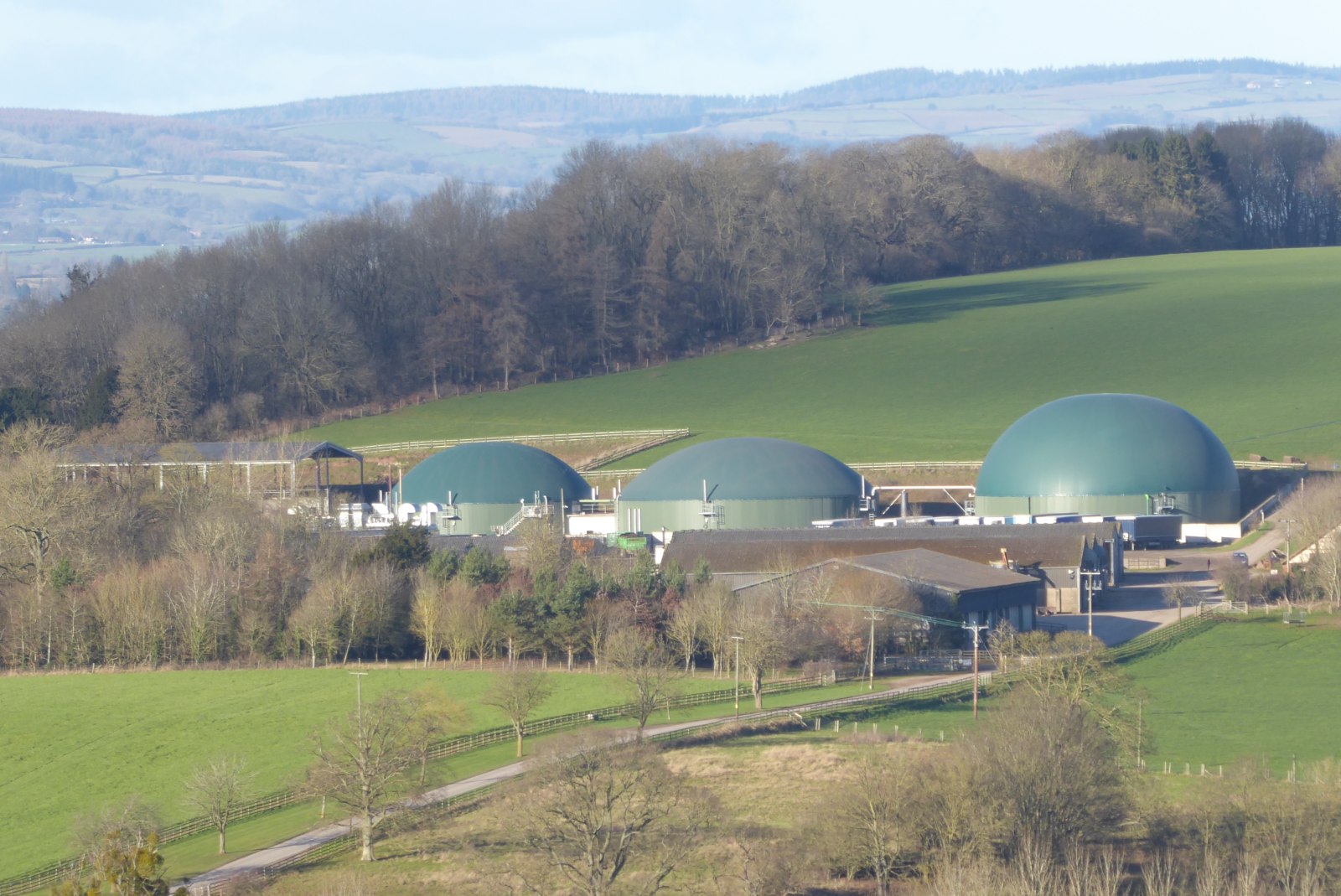
Small and mid-size digesters - farms, food processors - that cannot justify the capital and permitting of an amine plant and are happy with engine-grade gas. That is a meaningful niche, and it is a more honest description of the result than "biogas upgrading breakthrough".
References and image credits›
- 01University of Stuttgart - Institute of Combustion and Power Plant Technology
- 02IEA Bioenergy - biogas upgrading technologies
Photo: Vasyatka1, CC BY-SA 4.0 · Photo: Wikimedia Commons, CC BY-SA · Photo: DeVos Max, CC BY-SA 4.0, via Wikimedia Commons