
HBI's EVA3: Four Known Sludge Processes, Wired Into One. No Numbers Yet.
Hydrothermal carbonisation, gasification, energy recovery and phosphorus capture in a single automated plant near Treviso. The integration is the novelty — and the performance data is absent.
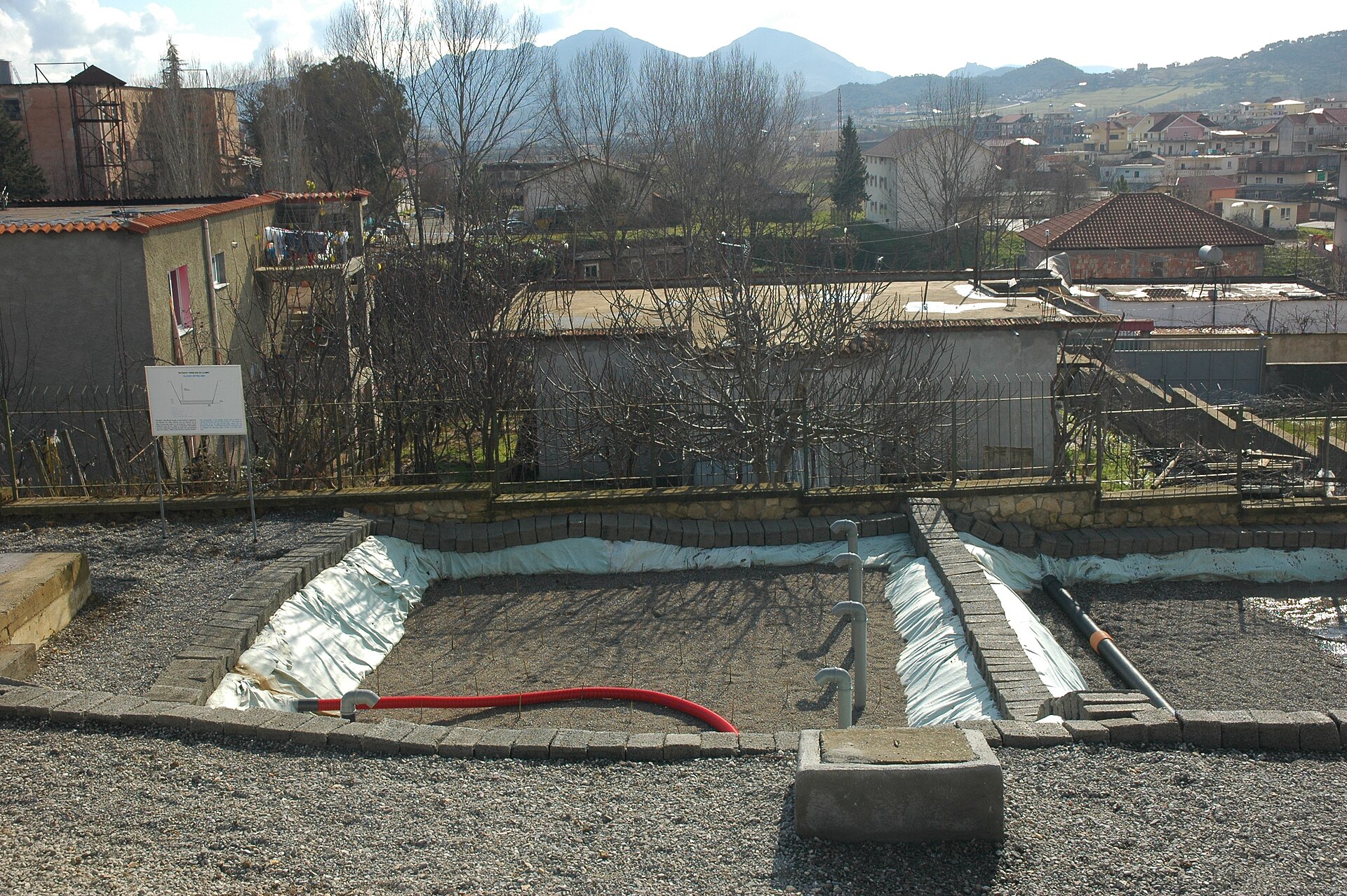
Sewage sludge is the unglamorous end of wastewater treatment: what remains after you have cleaned the water. It gets spread on farmland, landfilled, or incinerated, and all three routes are narrowing as PFAS and pharmaceutical residue limits tighten.
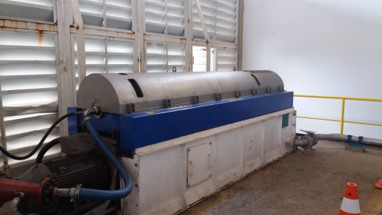
On 11 September, the Italian company HBI inaugurated EVA3 at Zero Branco near Treviso — described as the first fully industrial implementation of a platform that chains four processes together.
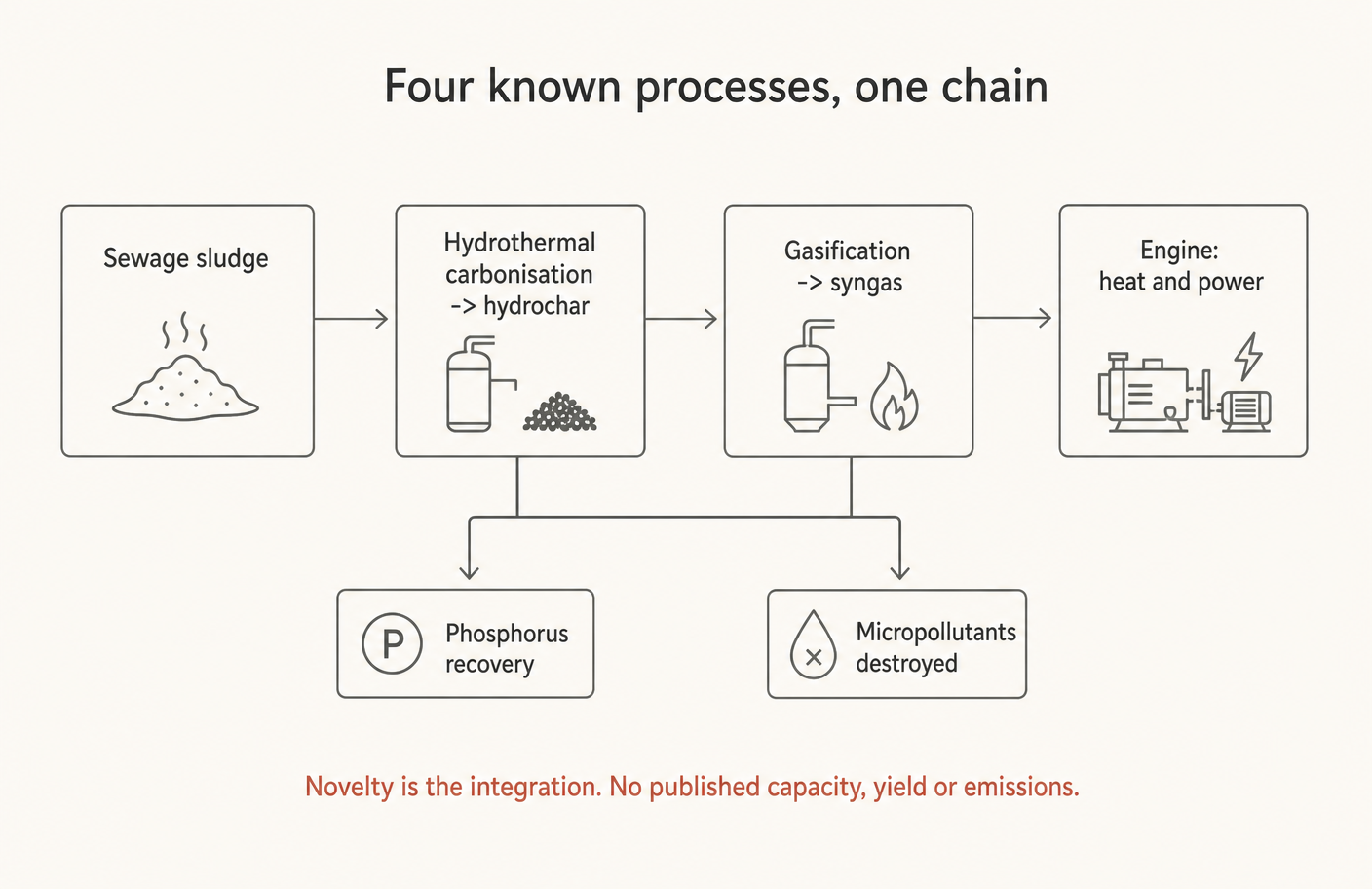
The four stages
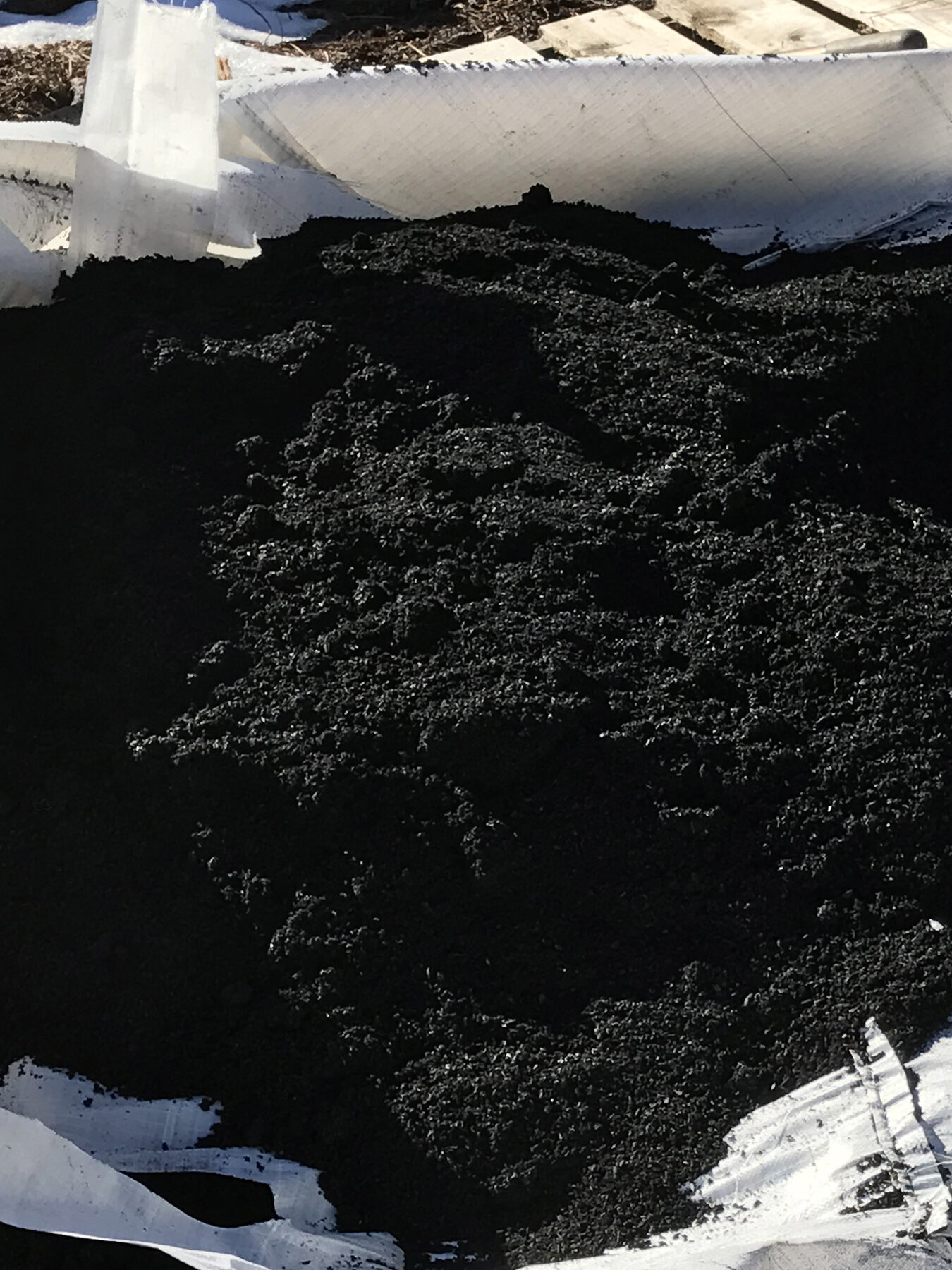
Hydrothermal carbonisation heats sludge under pressure in water, converting organic matter to a carbon-rich solid called hydrochar. Unlike dry pyrolysis, HTC works on wet feedstock, which suits sludge — you skip an expensive drying step.
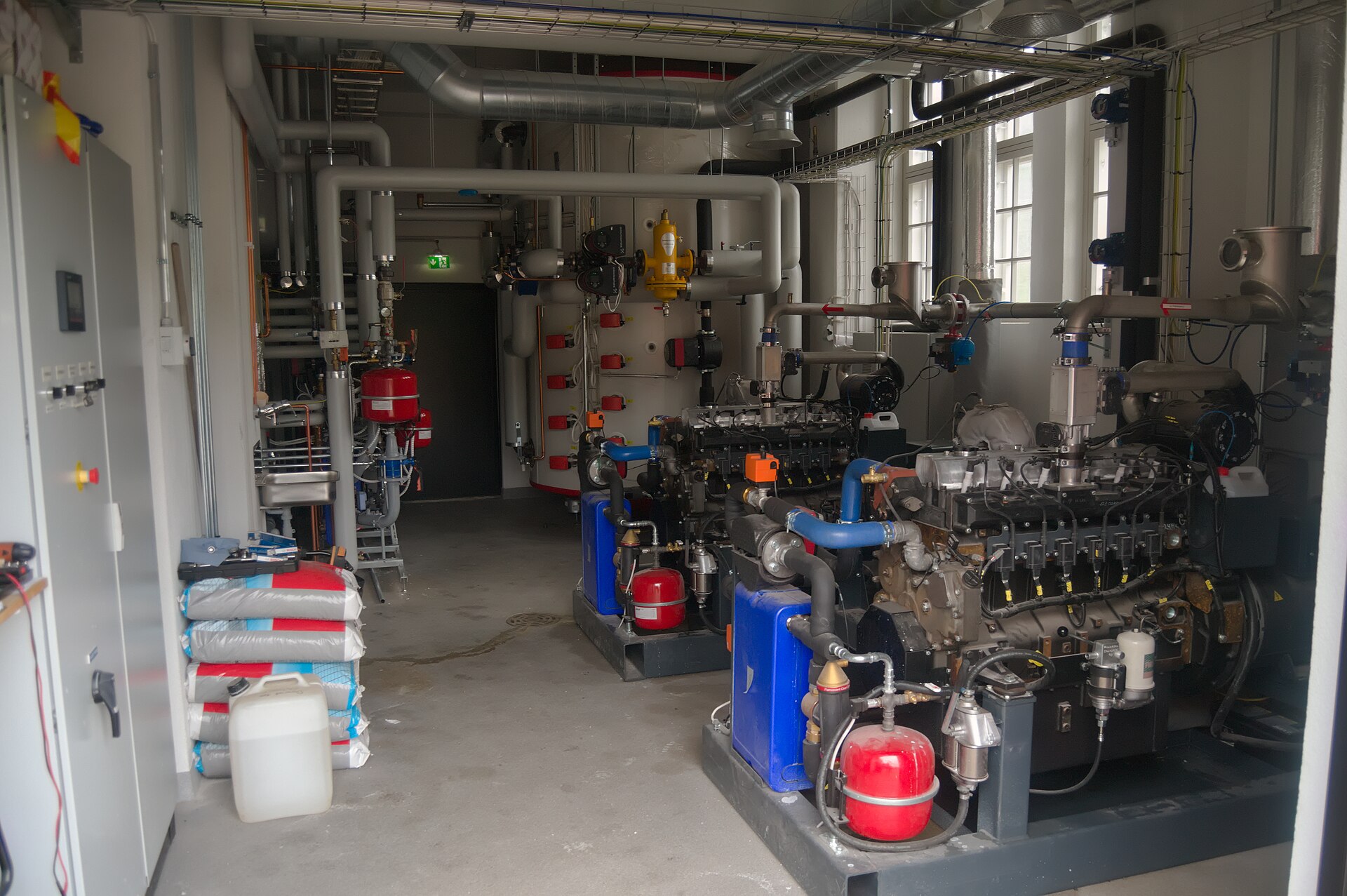
The hydrochar is gasified, partially oxidised at high temperature to produce syngas: hydrogen, carbon monoxide and methane. The syngas runs an engine, producing heat and power and making the site energy self-sufficient. Alongside all of this, phosphorus is recovered and micropollutants — PFAS, pharmaceutical residues, microplastics — are destroyed.
Why the timing is deliberate
Italy''s sludge rules date to 1992. A new decree is coming that will require tertiary treatment for PFAS, pharmaceuticals and microplastics by 31 July 2027, and set minimum phosphorus recovery rates from 2028. Pharmaceutical and cosmetics producers will be required to cover at least 80 percent of the additional treatment cost — the first application of extended producer responsibility to the water sector.
That funding model matters more than the technology. It is what would make an expensive plant affordable for a utility.

What was not in the announcement
EVA3 demonstrates the urban circular biorefinery at industrial scale.
The inauguration coverage contains no capacity in tonnes per day, no phosphorus recovery rate, no net energy output, no emissions data, no operating cost, and no comparison with conventional sludge handling. Everything quantitative is missing.
Each individual stage is well established. HTC has been commercial for over a decade; gasification for far longer; phosphorus recovery is running at dozens of plants. The claimed breakthrough is the integration — which is also where the risk sits. Four coupled processes in one automated line means four failure modes that can each stop the chain, and an availability figure that nobody has published either.
On the certifications
One demonstration site, ahead of the regulation that would create its market, with no published performance data. Worth watching closely and too early to call.
HBI holds ETV certification from RINA and a European Commission Seal of Excellence, and closed a Series A led by CDP Venture Capital in 2024. ETV verifies that a technology performs as its developer describes. It is not a comparative benchmark and not an independent audit of the numbers that are missing here.
References and image credits›
Photo: Marcos von Sperling, CC BY-SA 4.0 · Photo: US Department of Agriculture, public domain, via Wikimedia Commons · Photo: SuSanA Secretariat, Wikimedia Commons, CC BY 2.0 · Photo: Antti Leppänen, CC BY 4.0