
PureCycle's commercial rebound has real proof points - the economics are still on trial
Q2 brought first branded resin deliveries, seven customer conversions and 173% revenue growth. It also brought a $142m net loss. A look at what advanced recycling has actually demonstrated, and what remains a forecast.
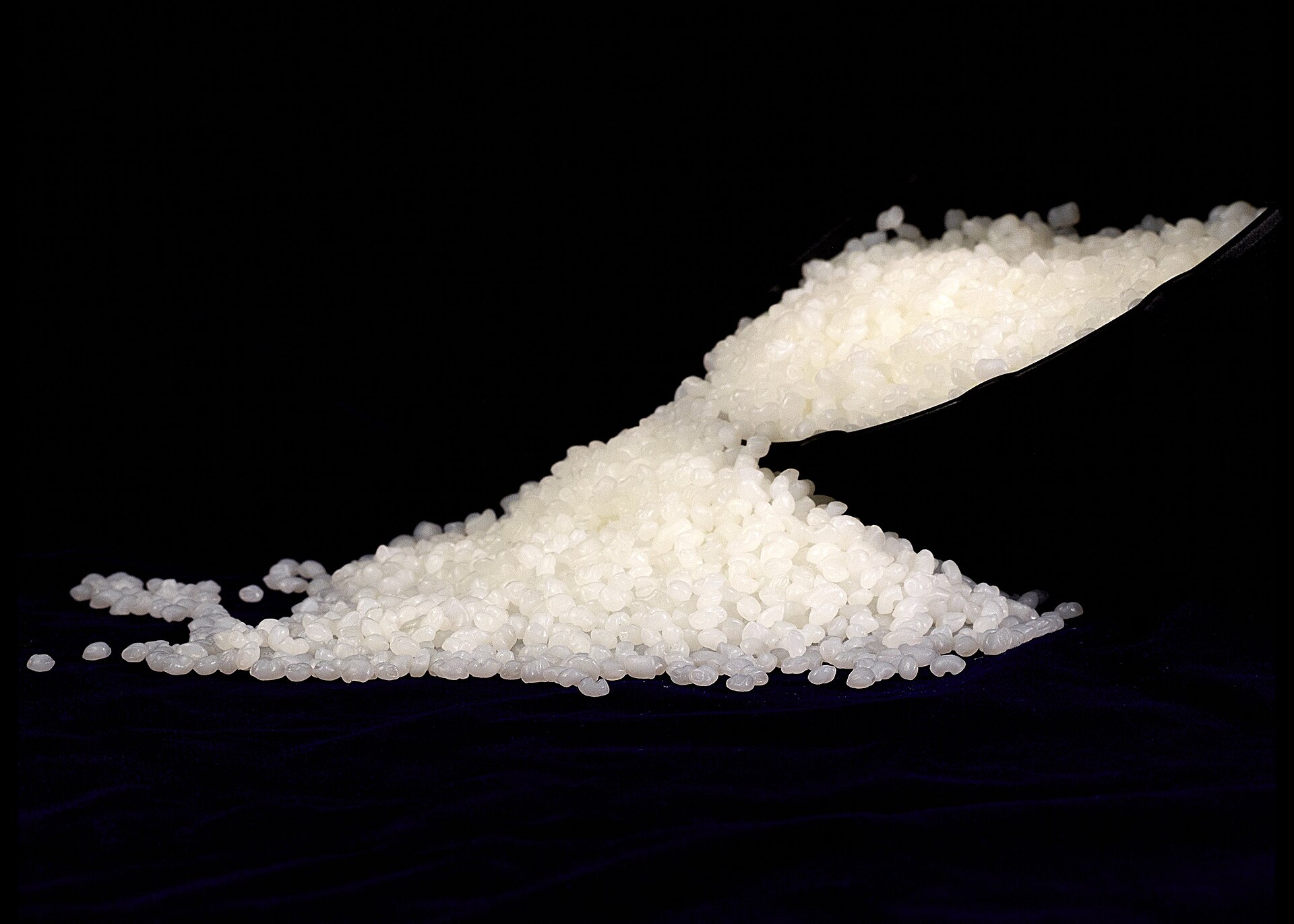
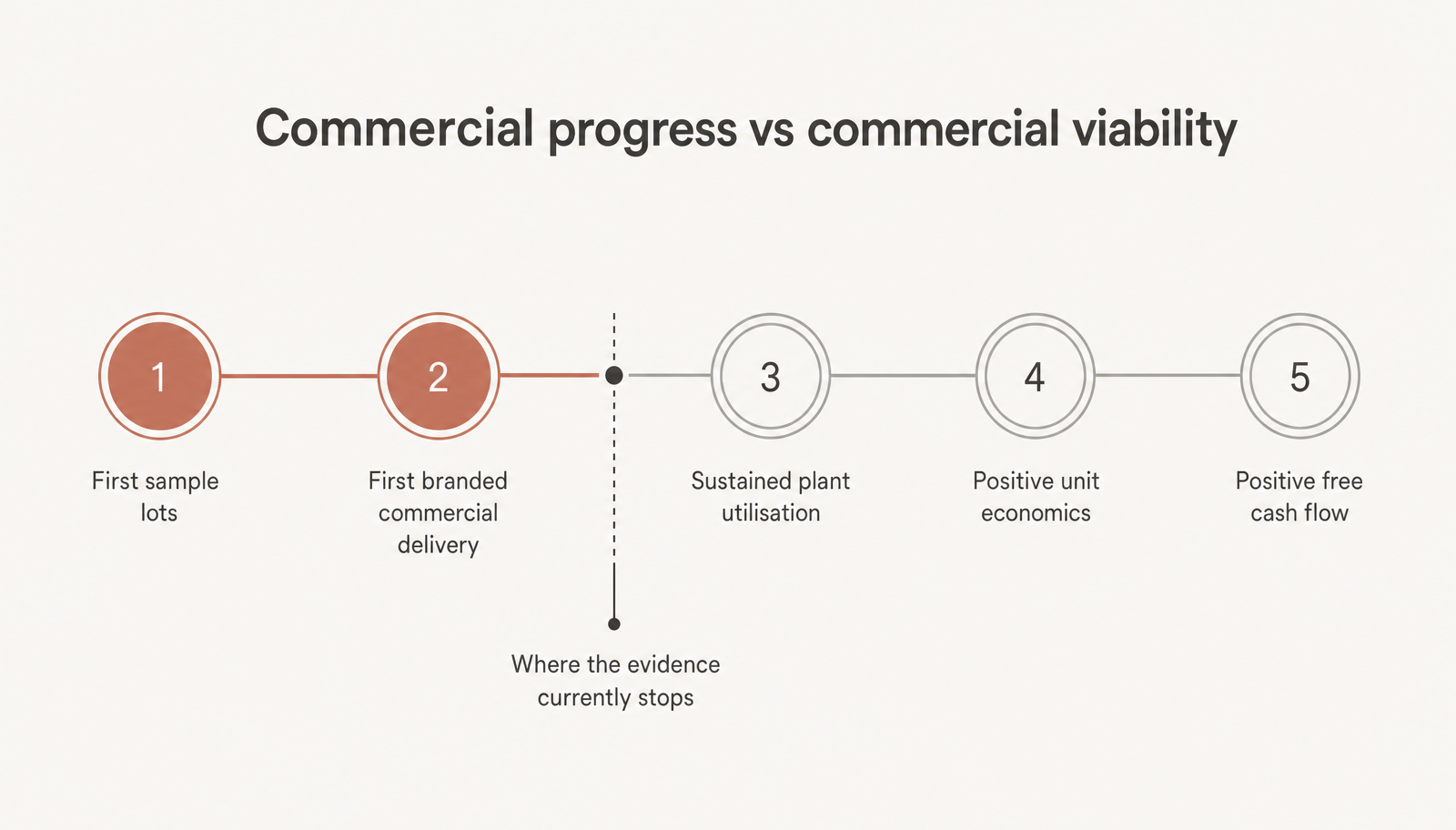
PureCycle's 6 August Q2 release is a genuinely useful document, because it separates two things that usually get merged in advanced-recycling coverage: commercial progress and commercial viability.
The company has clear evidence of the first. The second is still a forecast.
The claim
Q2 revenue of $4.512 million, roughly 173% above the prior year, and the sixth consecutive quarter of sequential growth.
Alongside it: 4.5 million pounds of PureFive resin produced, first P&G commercial resin deliveries, seven new customer conversions, and New Jersey approval of PureFive as post-consumer recycled content.
What is genuinely strong
These are commercial milestones, not laboratory claims. A branded consumer-goods customer taking commercial deliveries is a materially different signal from a pilot-scale purity result.
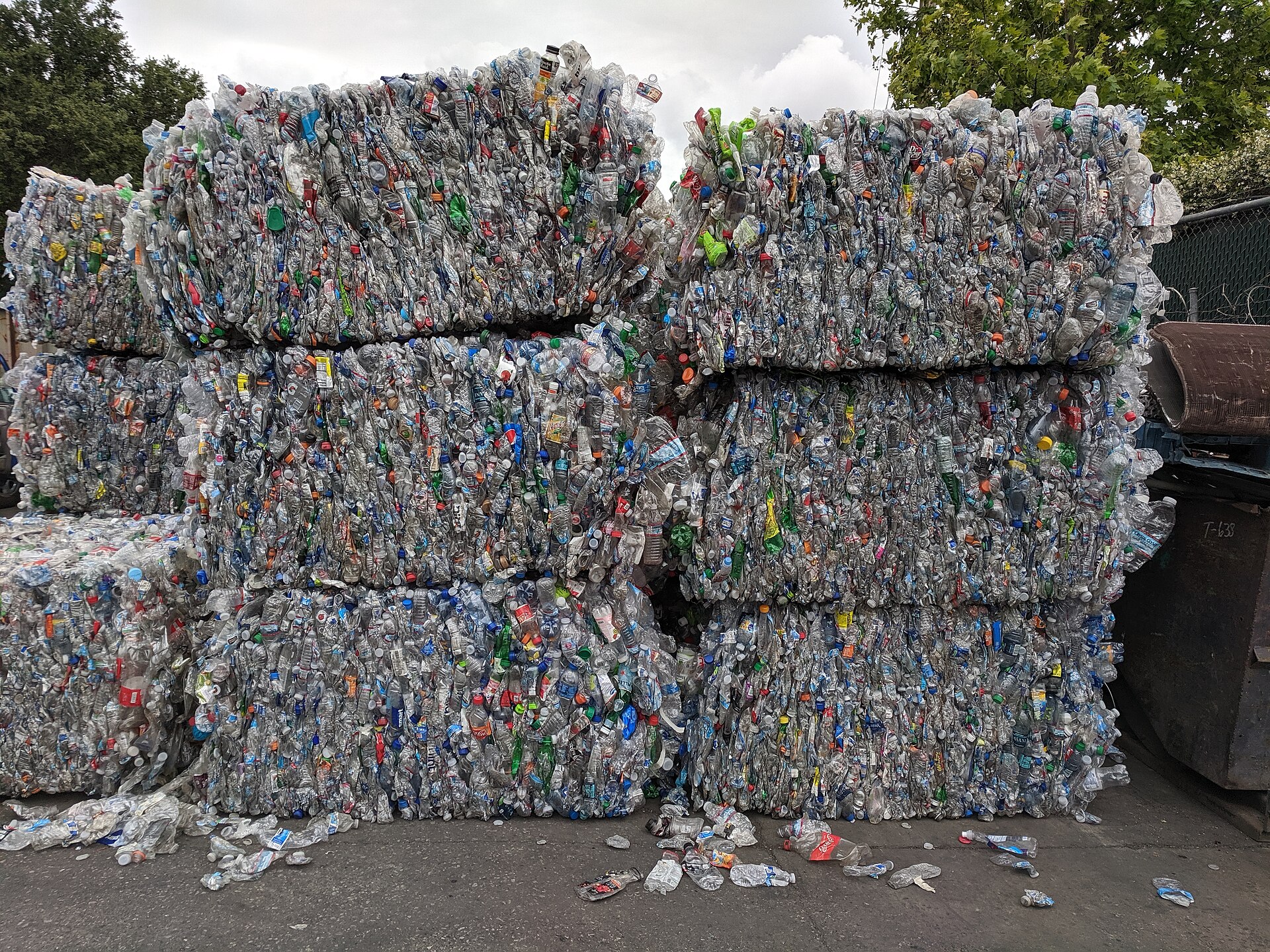
The on-site compounding operation produced approximately 2 million pounds and 28 sample lots. The Ironton facility completed a planned turnaround with favourable inspections - which is a reliability data point, and reliability is where most first-of-a-kind plants fail.
Regulatory recognition of the resin as post-consumer content is also real leverage, because it converts recycled-content mandates into demand for this specific product.
Where the headline outruns the financials
"Sixth consecutive quarter of sequential growth" and "$142 million net loss" are both true statements about the same three months.
Q2 produced a $41.334 million operating loss, a $142.219 million net loss and negative adjusted EBITDA of $31.676 million.
Six-month operating cash use was $92.684 million. Against $4.5 million of quarterly revenue, that ratio is the story: the plant is producing and selling, and the business is consuming cash at roughly twenty times its revenue rate.
The funding check
Liquidity rose to $236.9 million after June convertible-note and equity offerings. That is real runway, and it was bought with dilution and debt rather than earned.
2026 project spending is expected at $45-50 million. The Thailand facility is still negotiating binding financing terms, with financial close targeted by year-end and operations expected in 2028.
So the next facilities are not fully financed. That is not unusual for capital-intensive scale-up; it is simply a fact that belongs next to the growth chart.
The scale-up test
Management continues to target Ironton breakeven in the second half of 2026, at roughly 40-50% utilization supported by branded sales.
That target depends on four things that have not yet happened together: customer qualification, volume adoption, plant reliability and working capital. It is a forecast, not a result demonstrated in the quarter.
Utilization is the variable to watch. In purification-based recycling, fixed costs dominate, so the difference between 25% and 45% utilization is not a 20% improvement in economics - it is the difference between structural loss and plausible breakeven.
The circularity question
The public release does not provide a full lifecycle comparison against virgin polypropylene, a net energy and emissions profile, feedstock contamination limits, product-yield economics, or evidence that future facilities can scale without further capital raises.
Those omissions are not accusations. They are the specific gaps between "we make and sell recycled resin" and "this displaces virgin production at acceptable cost and impact."
The promise
Recycled-content regulation, branded offtake and improving production could turn difficult-to-recycle polypropylene into a higher-value resin with repeat customers.
The strongest evidence available today is commercial qualification and product placement - which is genuinely further than most of the sector has got.
The catch
The business remains loss-making and capital-intensive, and the next plants are not fully financed.
Three questions decide it: does Ironton reach the promised utilization, do sales prices cover feedstock and operating costs, and are Thailand and Antwerp financed and built on schedule.
Until then, the honest description is a company with commercial proof points and unproven unit economics. Both halves matter.
References and image credits›
- 01PureCycle / GlobeNewswire - Q2 2026 results
- 02Investing.com - PureCycle Q2 earnings-call transcript
Photo: U.S. National Archives via DPLA, CC BY 4.0 · Photo: via Wikimedia Commons, CC BY-SA · Diagram: The Waste Stack · Photo: via Wikimedia Commons, CC BY-SA