
Envetec Says It Can Recycle Biohazardous Medical Waste. What Is Actually Proven?
On-site shredding and disinfection that turns regulated medical waste into recyclable polymer flake. The disinfection is certified. Most of the headline numbers are not.
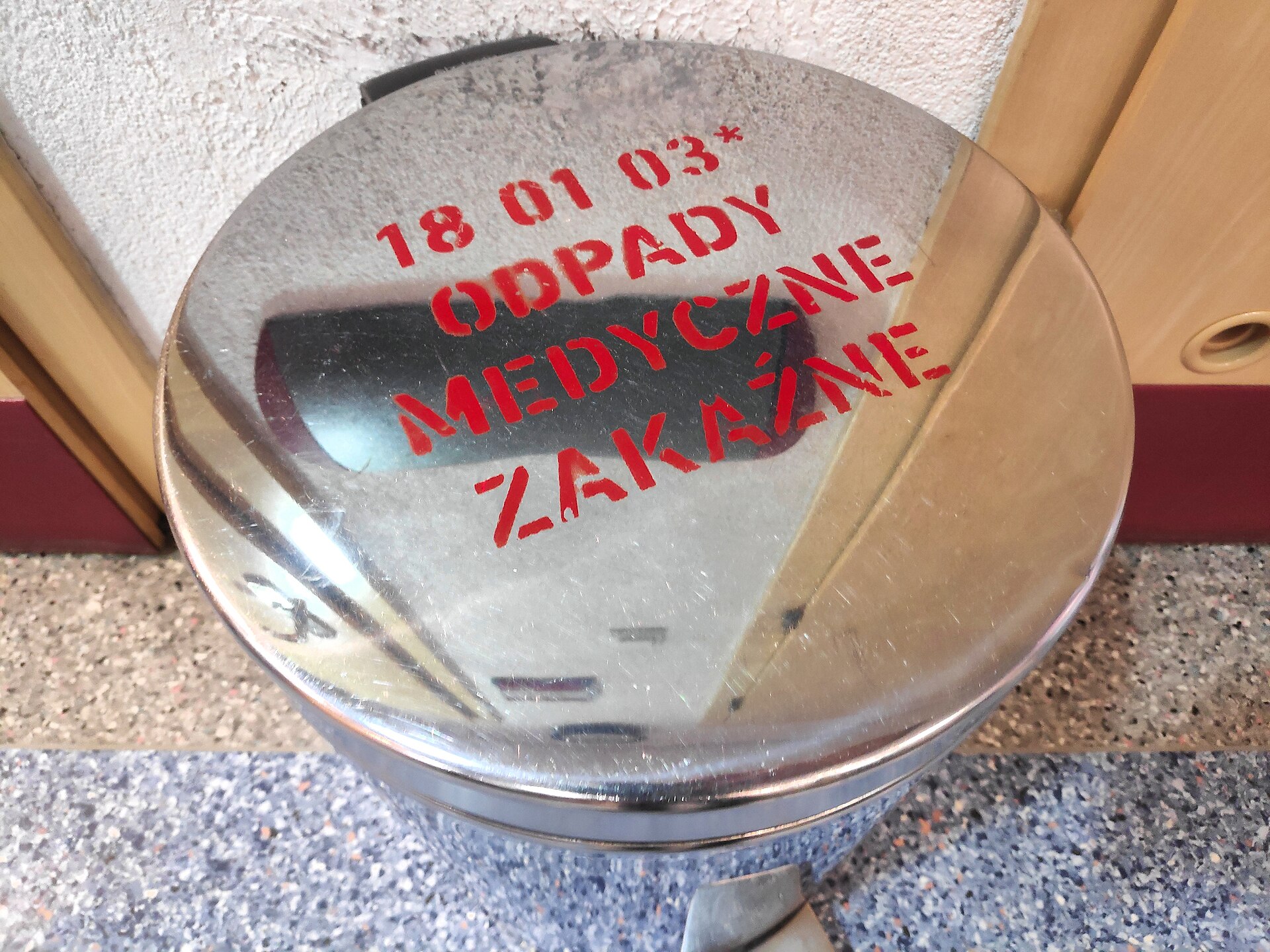
Medical waste has one dominant end-of-life route: burn it. Envetec, an Irish company, claims its GENERATIONS system can treat regulated biohazardous waste on site and produce a polymer flake that goes to a recycler instead of a furnace. Four US states have approved it. A partnership with BD produced a closed-loop demonstration. The claims still need sorting into what is tested and what is asserted.
How the machine works
Waste is loaded into a receiver where a blade system assesses the load and shreds it. In the same cycle an organic biodegradable chemical disinfects the material. A dewatering auger then separates solids from effluent; the effluent is pH-balanced, filtered for microplastics and discharged to municipal standards. What comes out is treated polymer flake.
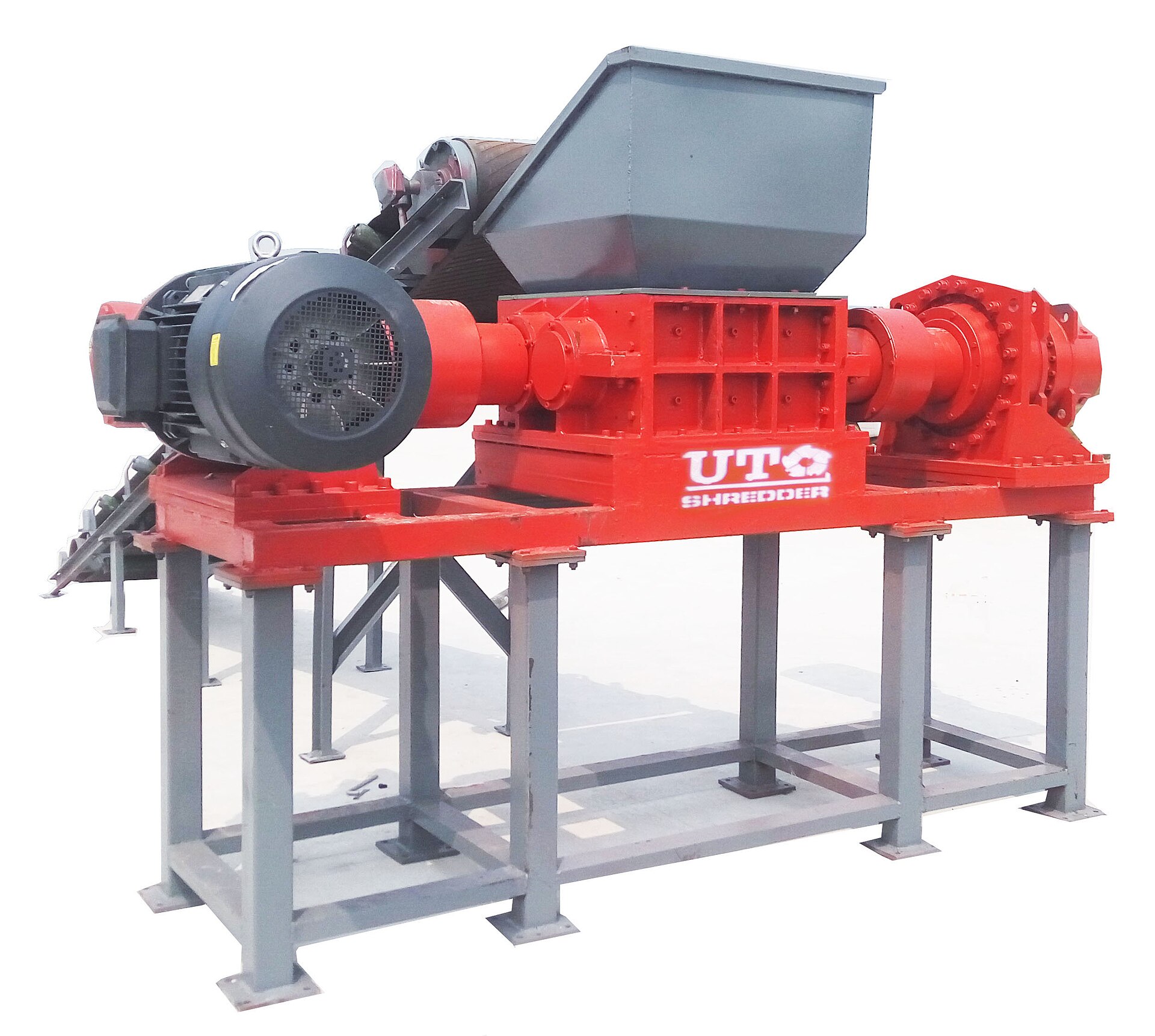
Treated medical waste can re-enter the plastics supply chain as recyclable flake.
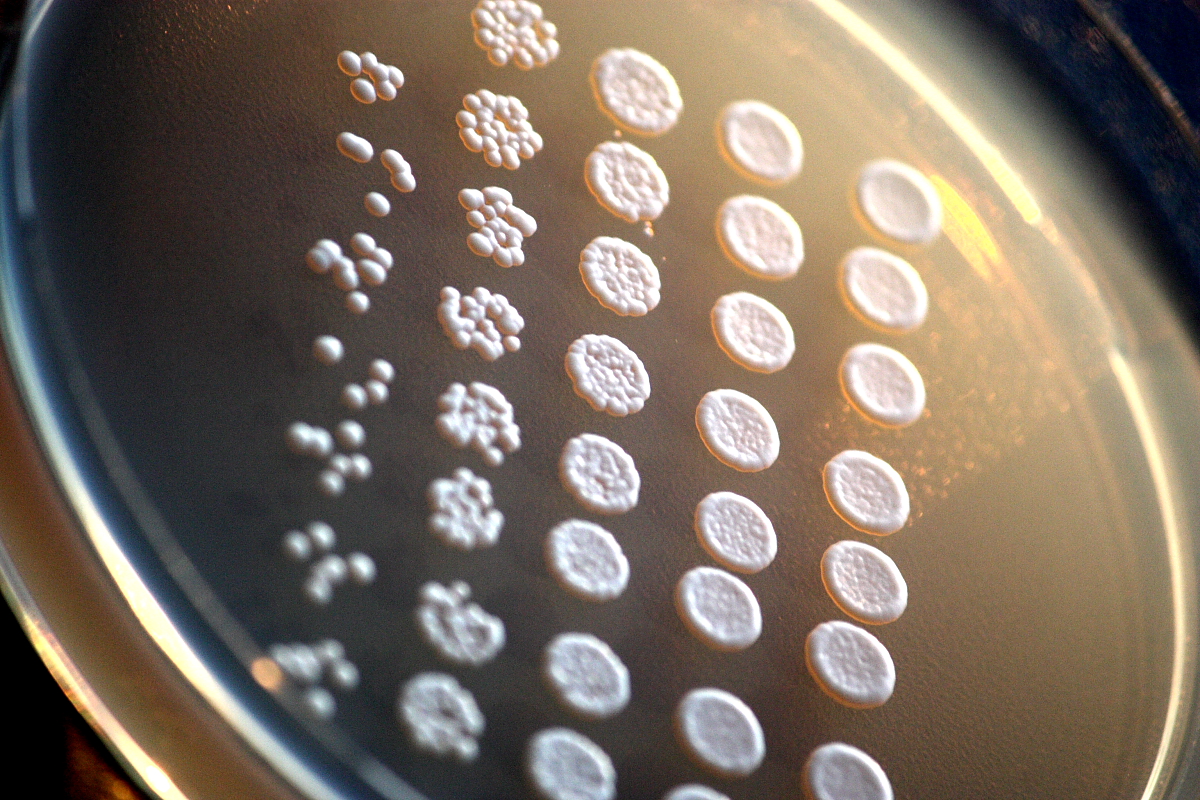
Demonstrated once, with BD, using unused Petri dishes - post-industrial material, not contaminated post-consumer waste.
What the evidence supports
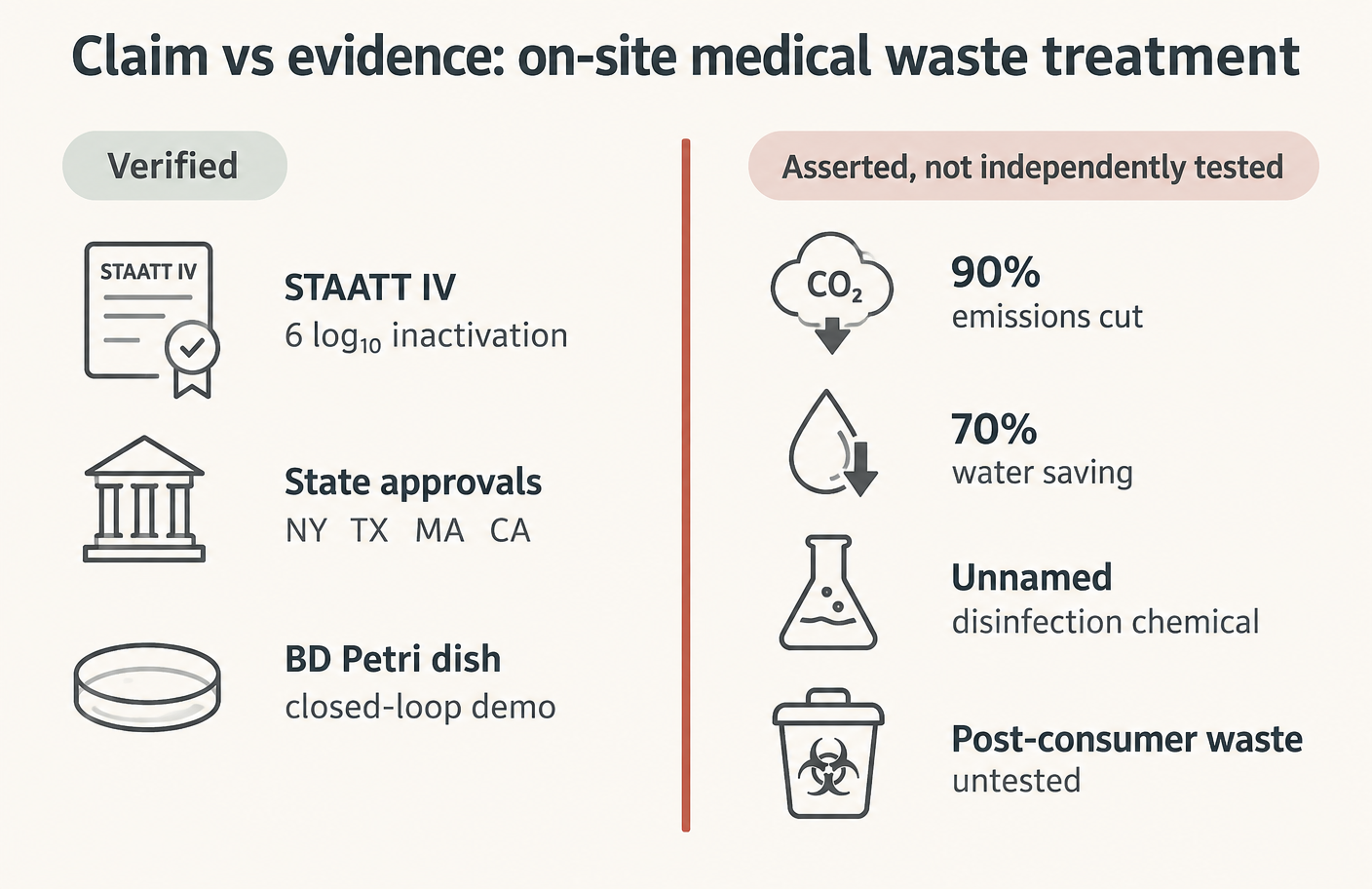
The BD study is genuinely good evidence for the chemistry: unused polystyrene Petri dishes went through the system, were shredded and disinfected, extruded into pellets and moulded into new Petri dish prototypes. That is a real loop. Regulatory approvals in New York, Texas, Massachusetts and - since August 2026 - California are also real, and slow to obtain.
Where the numbers get soft
The technology question looks close to answered. The system question - who buys the flake, at what price, for which product - is untouched.
90% emissions reduction, 70% water savings, 94% less transport emissions.
These come from Envetec's own regulatory submissions, not independent peer-reviewed LCAs. The California filing reports 93% and 80.6% "for the biopharmaceutical use case assessed" - one scenario, not a general figure.
The disinfection agent is described only as an organic biodegradable chemical. Without a name, independent toxicological review is not possible. The ACT labels the company cites are an industry self-assessment scheme, not a regulatory certification. And the downstream infrastructure that would take treated medical flake at volume barely exists yet.
What would settle it
An independent LCA, a named disinfectant, and one run on genuinely contaminated post-consumer clinical waste with published yield and purity figures. Healthcare is 4.4% of global emissions and over 80% of hospital waste by weight is consumables. The prize is large enough to justify asking for the data.
References and image credits›
- 01Envetec - GENERATIONS technology
- 02BD and Envetec demonstrate closed-loop recycling solution for laboratory plastics
Photo: Marek Slusarczyk, Wikimedia Commons, CC BY 3.0 · Photo: Robert Kropf, CC BY-SA 4.0 · Photo: Wikimedia Commons, CC BY-SA