
Kirin and JSW Put PET Depolymerisation Inside a Twin-Screw Extruder
Chemical recycling of PET normally means a stirred tank and several hours. Kirin and JSW have moved the reaction into a continuous extruder. If the numbers hold, the interesting part is throughput per unit of capital.
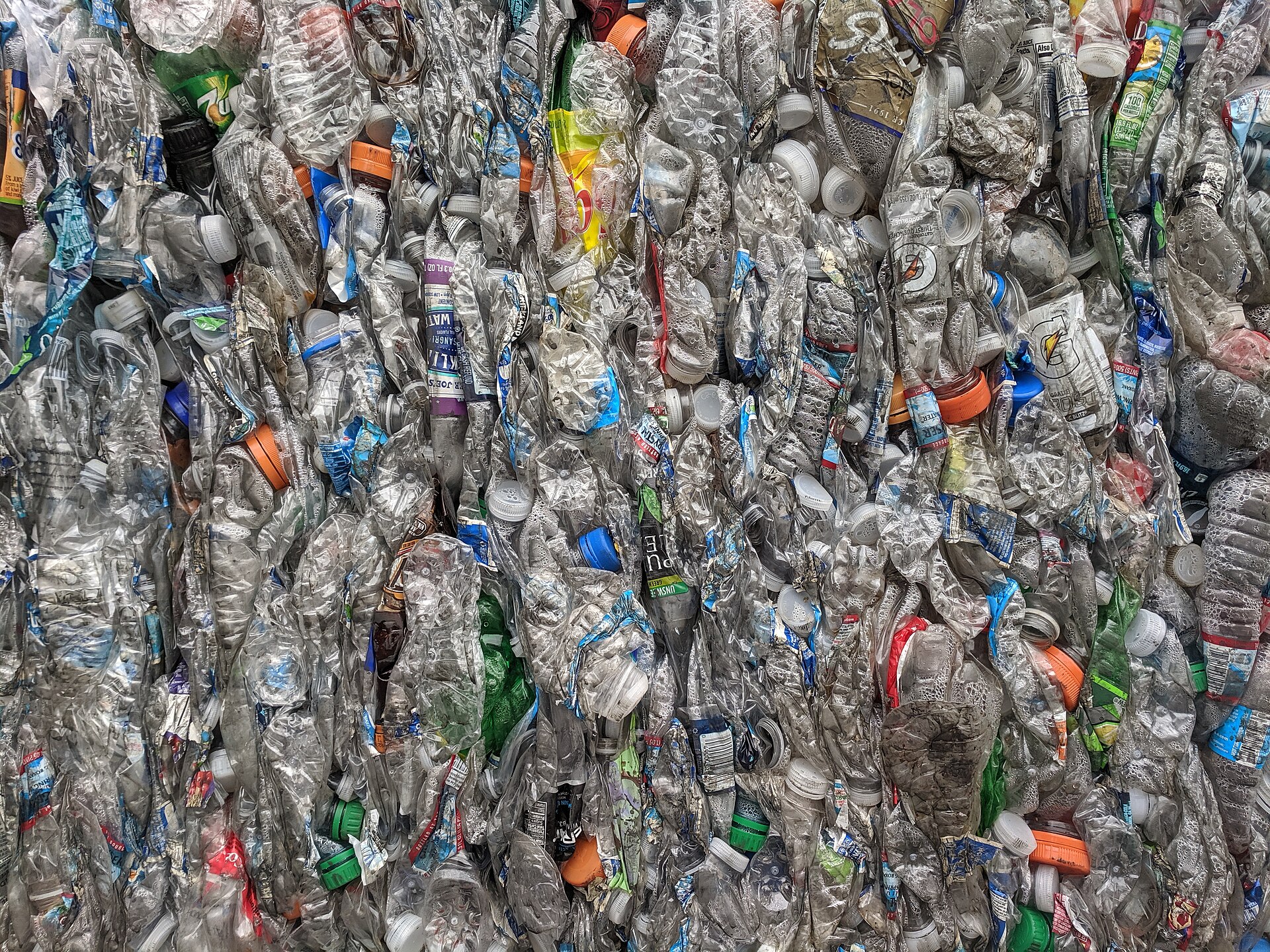
Kirin Holdings and machinery maker JSW announced a continuous PET depolymerisation process running inside a twin-screw extruder, reporting over 95% conversion at a pilot throughput in the hundreds of kilograms per hour.
Why an extruder is a reasonable reactor
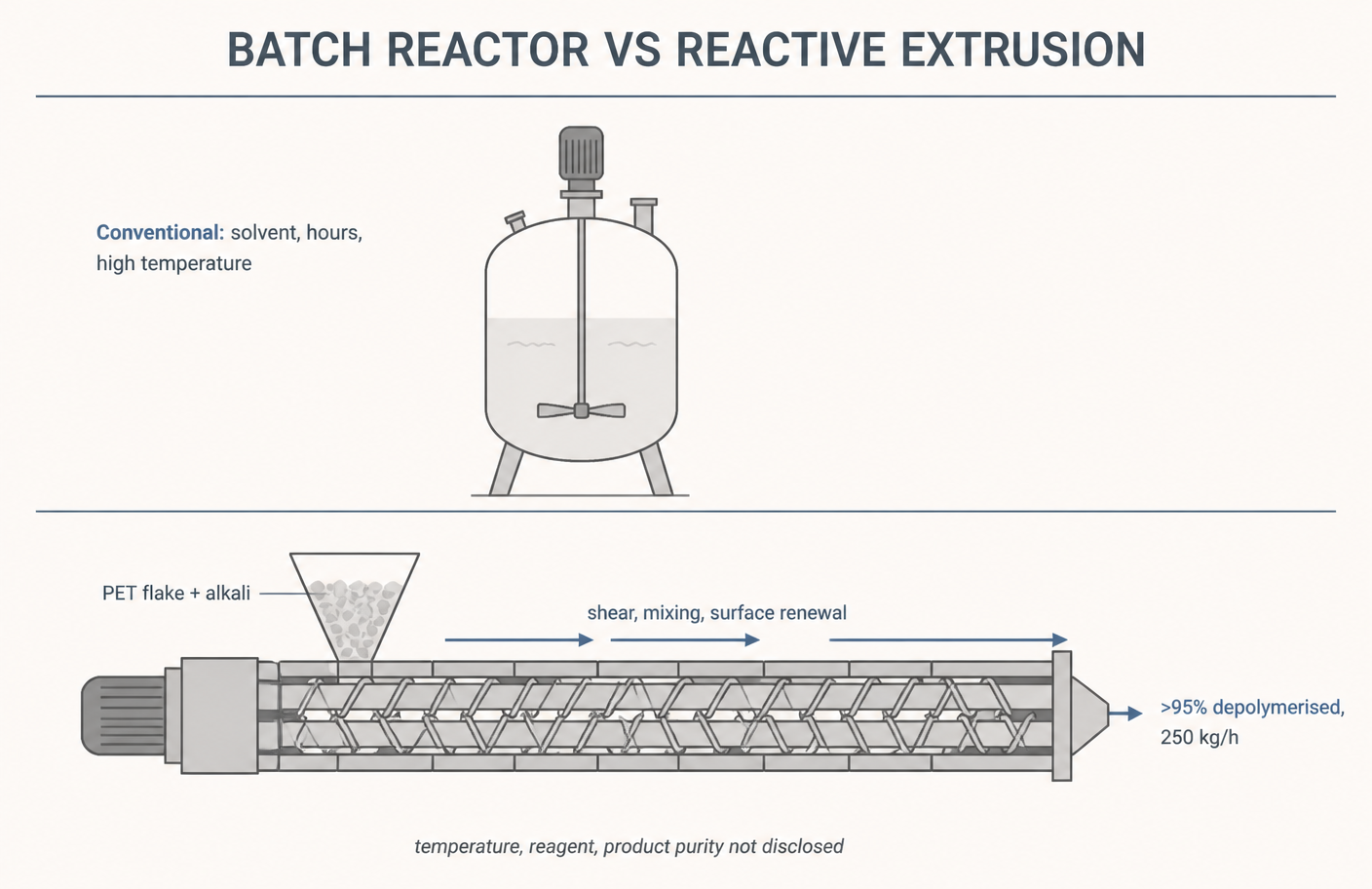
PET depolymerisation — glycolysis, methanolysis or alkaline hydrolysis — is limited by mass transfer, not by intrinsic reaction rate. Solid polymer has to meet reagent, and the reacted surface has to be continuously exposed. A stirred batch vessel does this slowly and needs solvent to keep everything mobile.
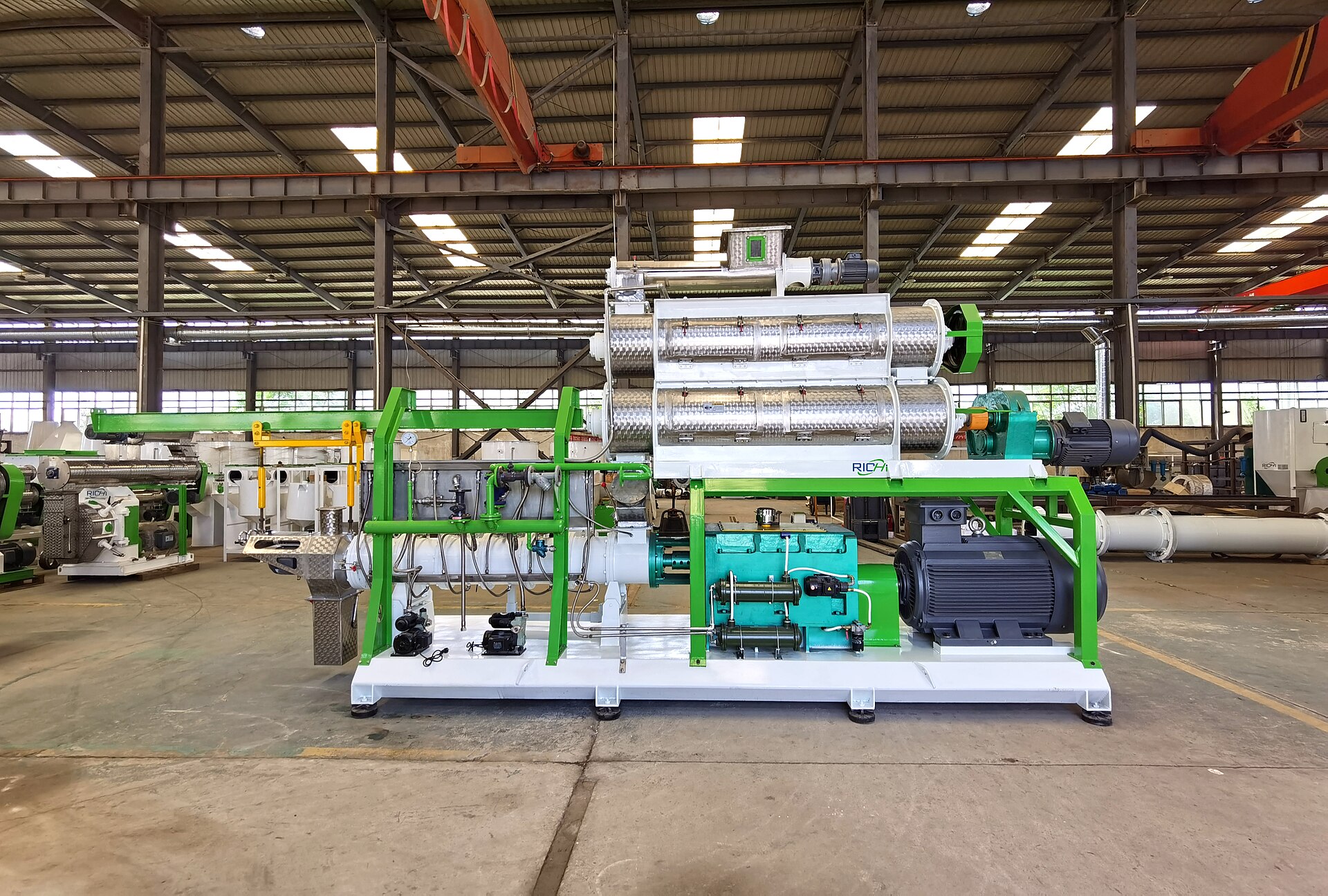
A twin-screw extruder is a mass-transfer machine. Intermeshing screws generate high shear, renew surfaces constantly, convey material through defined temperature zones, and do it continuously. Reactive extrusion is a well-established technique in polymer compounding; applying it to depolymerisation is a sensible transfer of an existing tool.
What continuous buys you
Continuous processing reduces residence time from hours to minutes, cuts or eliminates bulk solvent, shrinks reactor footprint enormously for the same annual output, and removes batch-to-batch variability. For a capital-intensive industry where plant cost per annual tonne is the governing number, an order-of-magnitude reduction in reactor volume is the claim worth taking seriously.
What is not disclosed
A commercially viable continuous route to virgin-grade PET monomer.
Conversion percentage and throughput are published. Reaction temperature, reagent chemistry, monomer purity after purification, energy per tonne and screw wear rates are not.
Conversion is the easiest number to report and the least decisive. A 95% conversion that yields a monomer requiring extensive downstream purification is worse than an 85% conversion yielding a clean cut. And extruders processing abrasive, reagent-laden material wear; screw and barrel replacement is a real operating cost that pilot runs do not surface.
The competitive context
Watch for a stated feedstock specification. If the process requires clean, sorted, uncoloured bottle flake, it is competing with mechanical recycling rather than extending the recyclable envelope.
Mechanical recycling of clean PET bottles already works, costs less, and uses far less energy. Chemical recycling earns its place on the streams mechanical cannot handle: coloured, multilayer, textile-contaminated, or material already cycled so many times the intrinsic viscosity has dropped. Whether this extruder route tolerates those dirtier feedstocks is the question the announcement does not address, and it is the only question that determines whether it adds capacity or duplicates it.
References and image credits›
Photo: Wikimedia Commons, CC BY-SA 4.0 · Photo: RICHI Machinery, Wikimedia Commons, CC BY-SA 4.0 · Leendert Adriaan van Es, Wikimedia Commons, CC BY-SA 4.0 · Photo: Wikimedia Commons, CC BY-SA 3.0