
ReBioCycle's PLA Loop: What a Closed Loop Means When Nobody Publishes the Yield
An EU project says it has closed the loop on PLA — sorting, depolymerising and repolymerising bioplastic back to virgin-grade. The chemistry is sound. The numbers that decide whether it matters are missing.
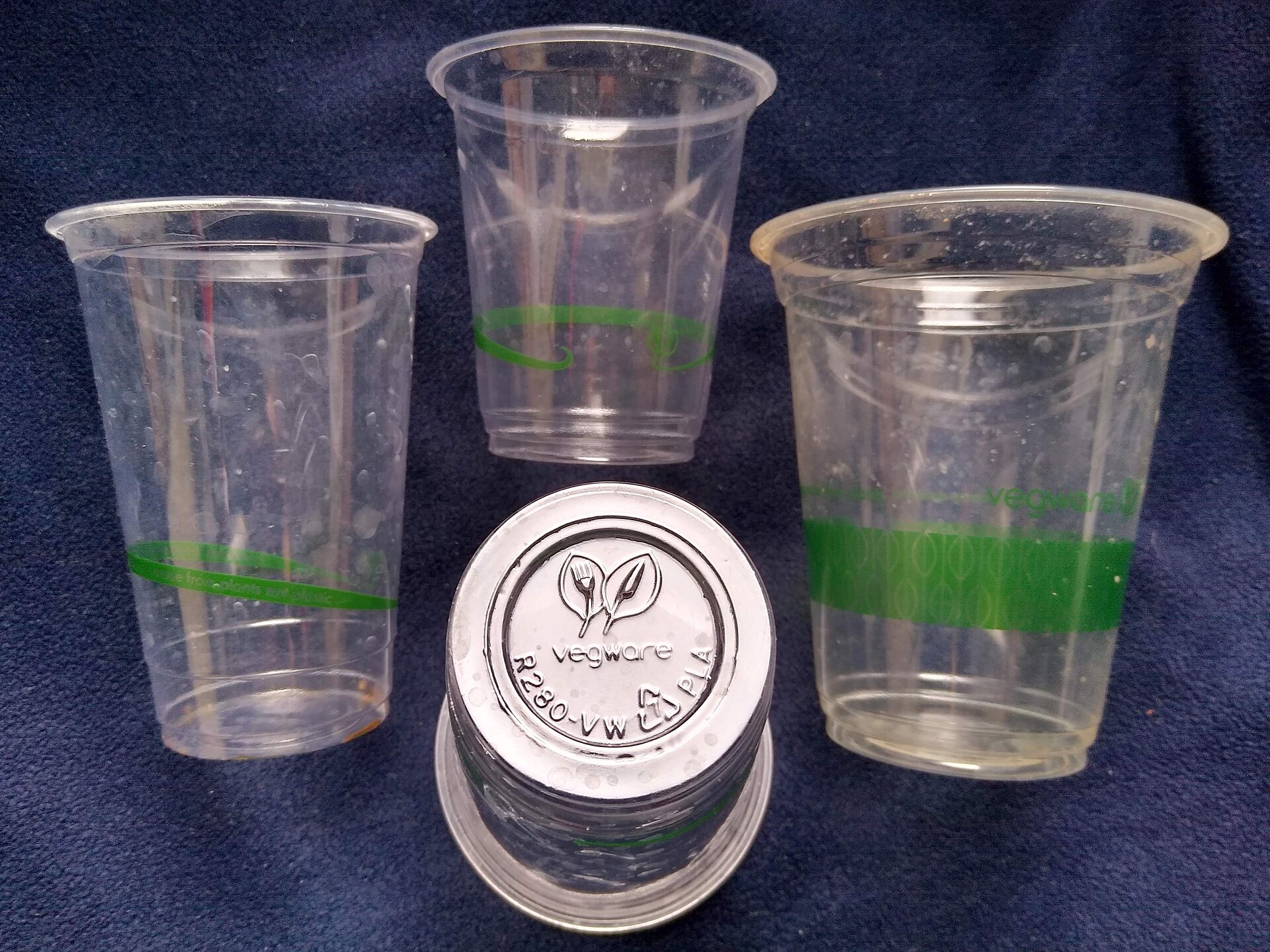
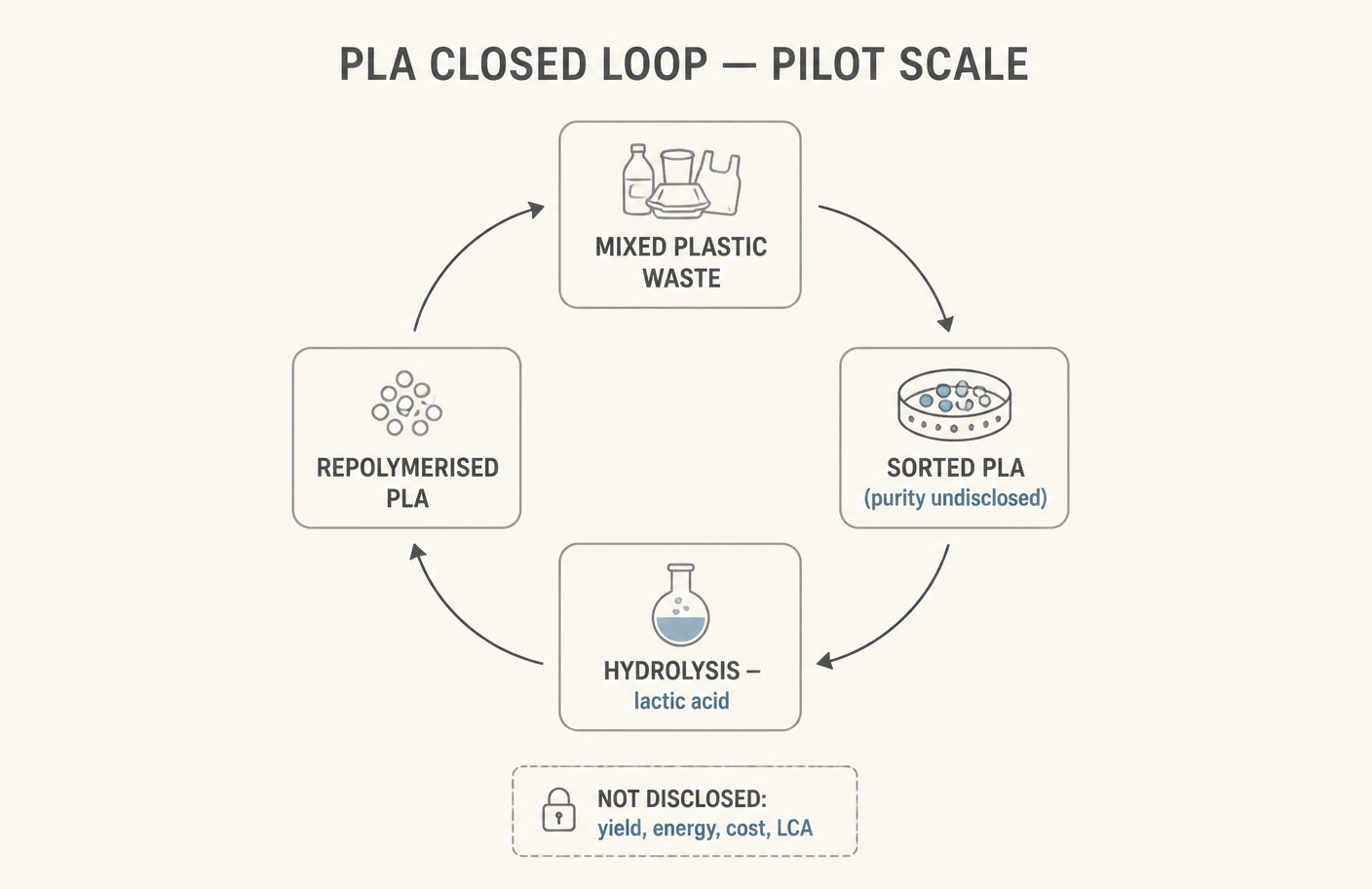
The ReBioCycle consortium announced that it has demonstrated a closed loop for polylactic acid: post-consumer PLA collected, sorted, chemically broken back down to lactic acid, and repolymerised into material that meets virgin specification. As a chemistry result, this is real and not especially surprising. As a waste management result, it is unfinished.
The mechanism
PLA is a polyester of lactic acid. Unlike polyethylene, whose backbone is carbon-carbon and effectively requires cracking to break, PLA has ester linkages that water will attack given enough heat, time and catalyst. Hydrolysis returns lactic acid monomer. Purify the monomer, polymerise it again, and you have PLA indistinguishable from material made from fermented corn sugar.
This is the same structural advantage PET has, and it is why chemical recycling demonstrations cluster on polyesters. The bond you need to break is already the weakest bond in the chain.
What the announcement does not say
PLA can be recycled in a closed loop at industrial relevance.
A loop was closed at pilot scale. No yield, energy intensity, monomer purity, cost per tonne or life-cycle comparison against virgin PLA has been published.
Those four numbers are the whole argument. Chemical recycling routes rarely fail because the chemistry does not work; they fail because the mass yield after purification losses is 60% instead of 90%, or because the thermal energy per tonne exceeds what virgin production needs, or because the purified monomer costs more than fermented sugar-derived monomer at any plausible scale.
The upstream problem is worse than the chemistry
The bottleneck for PLA recycling has never been the depolymerisation step. It is that there is not enough sorted PLA anywhere in Europe to keep a commercial plant fed.
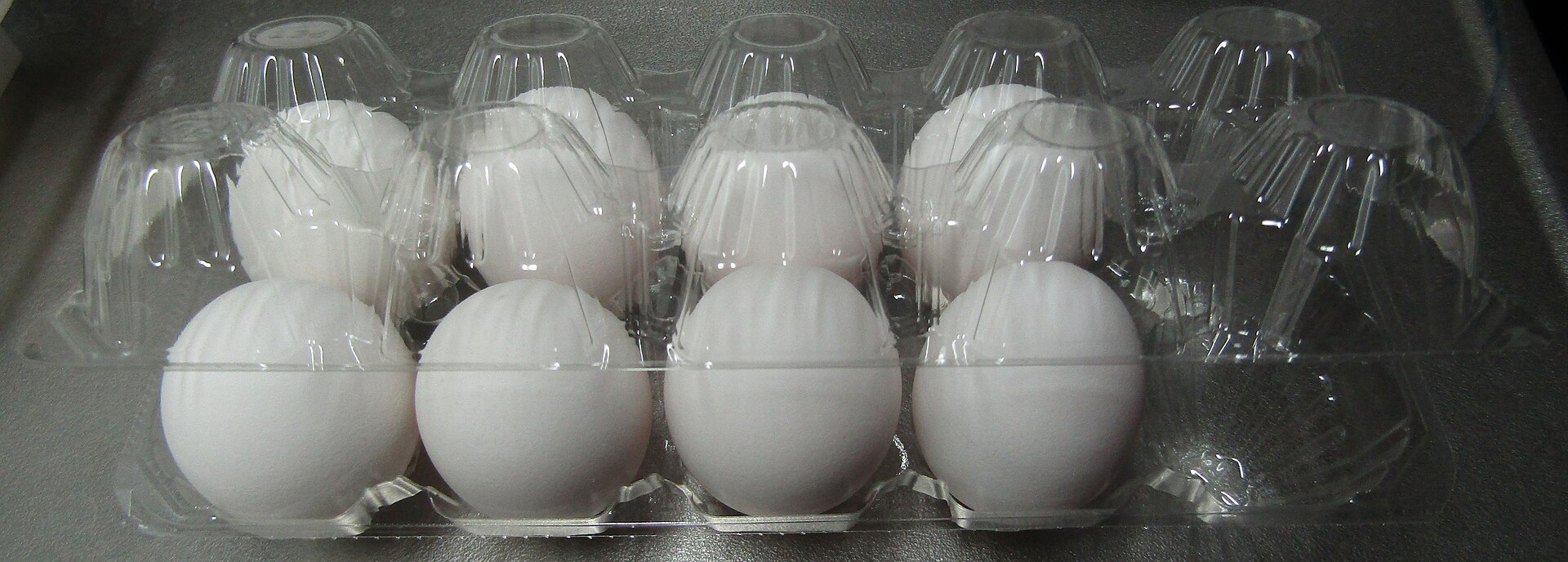
Even a perfect depolymerisation process needs a clean, concentrated PLA stream to feed it. There is no such stream. PLA arrives in mixed rigids at low concentration, where near-infrared sorters routinely confuse it with PET — a confusion that damages PET recycling rather than enabling PLA recycling. Building a dedicated PLA collection and sorting infrastructure for under one percent of the packaging stream is a chicken-and-egg problem that no reactor solves.
What would change the assessment
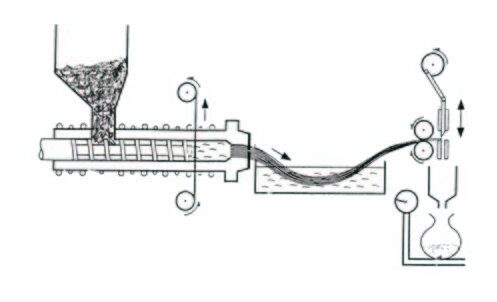
Publish the mass balance: tonnes of sorted PLA in, kilograms of on-spec polymer out. Publish the energy per tonne alongside virgin PLA production. Name a feedstock source that can supply a commercial plant continuously. Until then this is a validated chemistry route in search of a supply chain, which is the same position most chemical recycling has occupied for a decade.
References and image credits›
Photo: Cmglee, Wikimedia Commons, CC BY-SA 4.0 · Photo: Halowand, CC BY-SA 4.0 · Photo: Wikimedia Commons, CC BY-SA 3.0