
Two waste piles, one reaction: calcite and hydrogen at the same time
An Ohio State team pairs steel slag and coal ash with captured CO2, mineralises the carbon into calcite, and spends the heat that reaction gives off on splitting water. Here is the mechanism — and what the paper does not tell you.
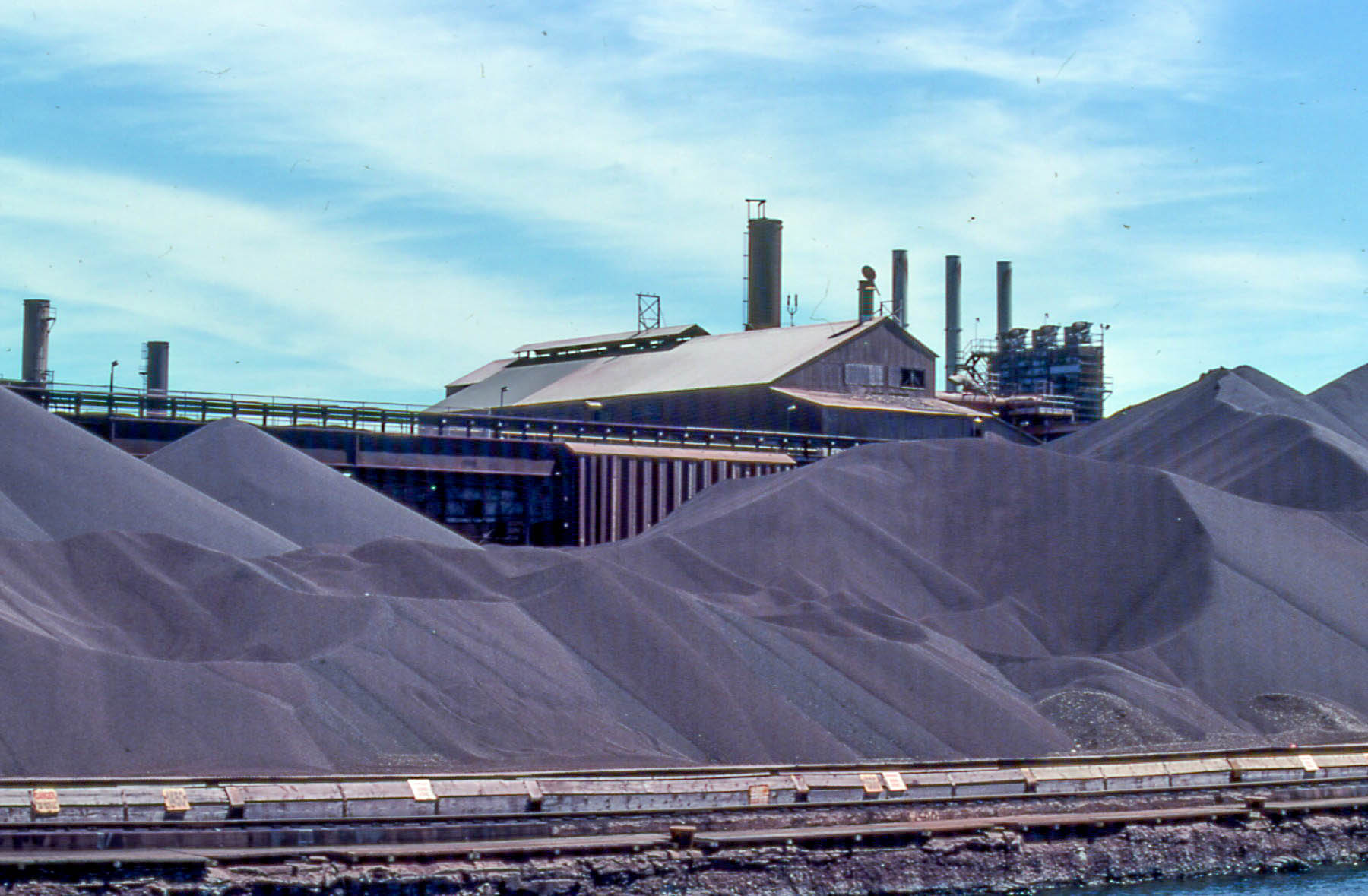
Steel slag and coal ash are two of the largest solid waste streams on the planet. They are also, chemically, quite eager. Both are alkaline and calcium-rich, which means both want to react with carbon dioxide.
An Ohio State group led by postdoc Tomaz Neves-Garcia and professor Robert Baker has built a process around that eagerness — and then done something less obvious with the energy it releases.
Step one: lock the carbon into a rock
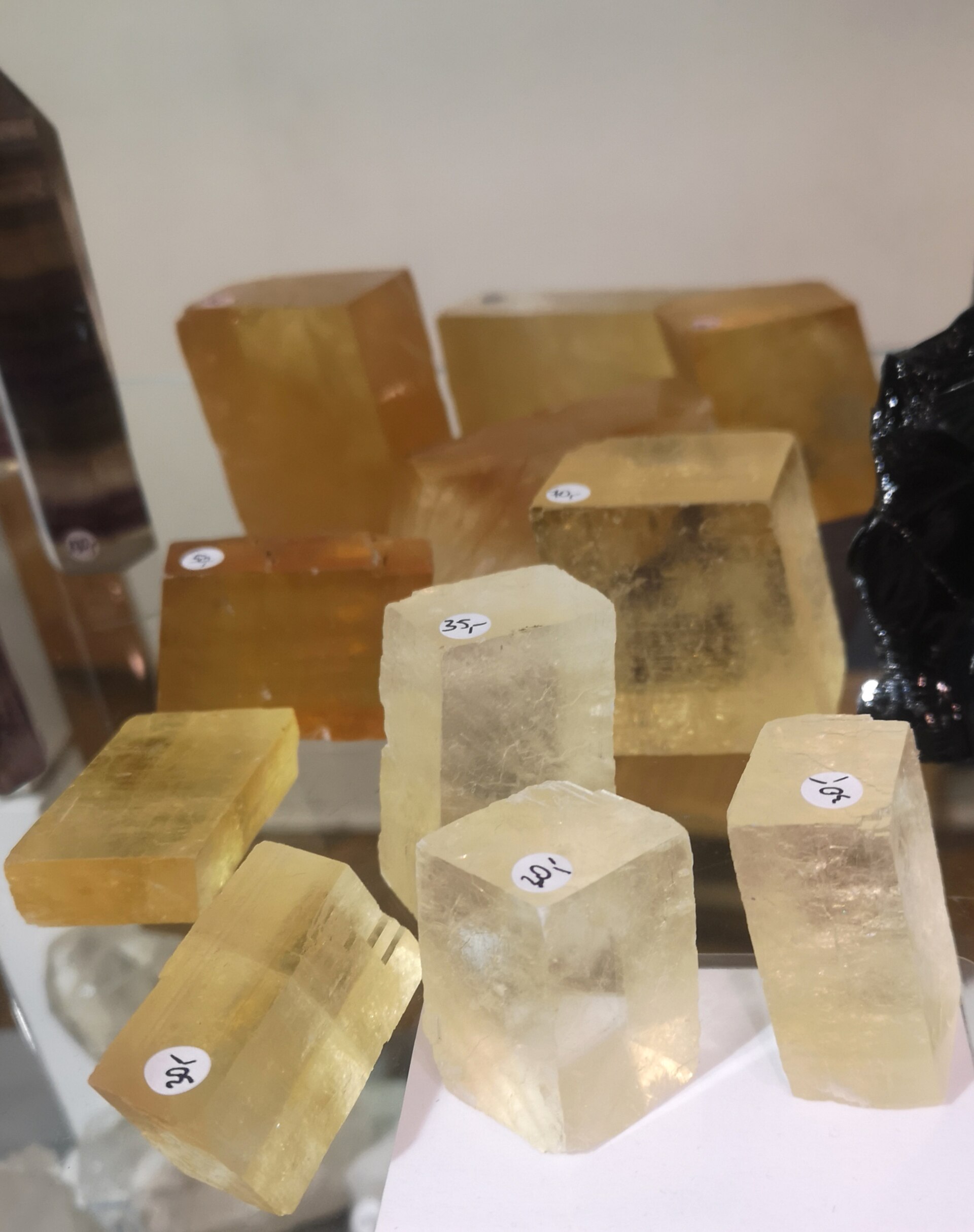
Captured CO2 is reacted with the slag or ash. The calcium in the waste and the carbon in the gas combine into calcium carbonate — calcite. The carbon stops being a gas and becomes a mineral, which is the only form of carbon storage that does not need a lid, a monitor, or a lease.
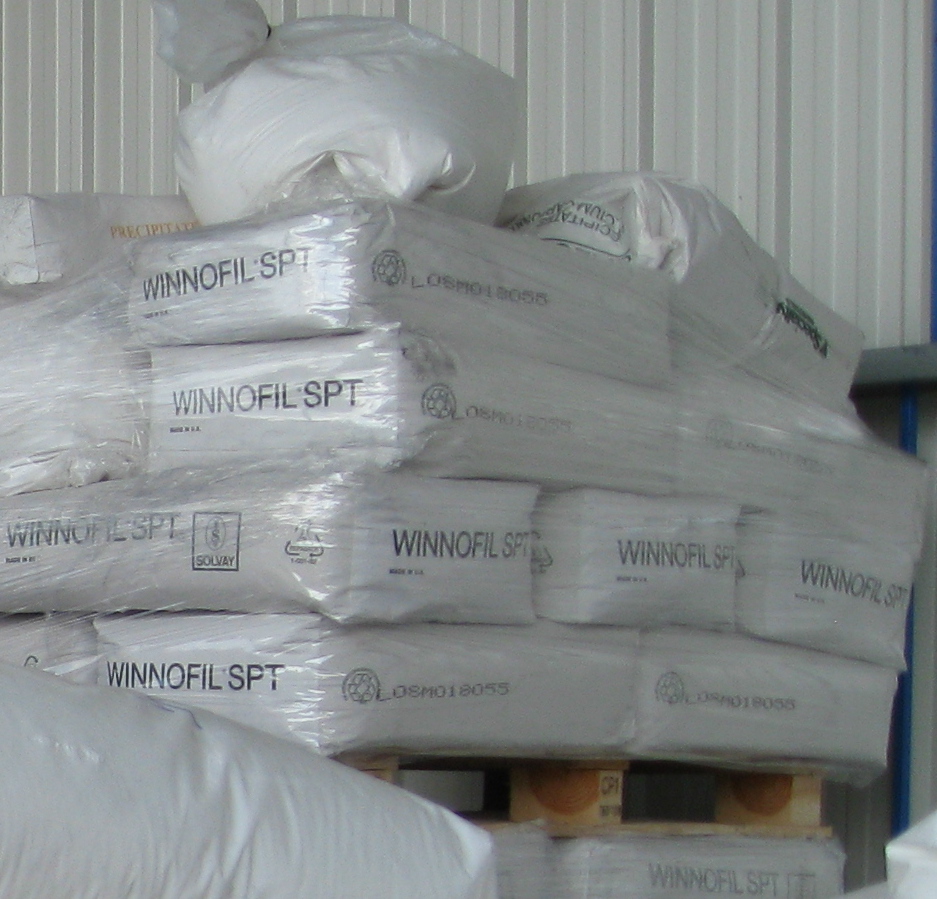
Calcite is not a disposal product. It is a commodity — construction fill and cement feedstock, filler in paper and plastics, an agricultural liming agent, an excipient in pharmaceuticals. The team reports it comes out at high purity, though no numerical purity figure appears in the coverage.
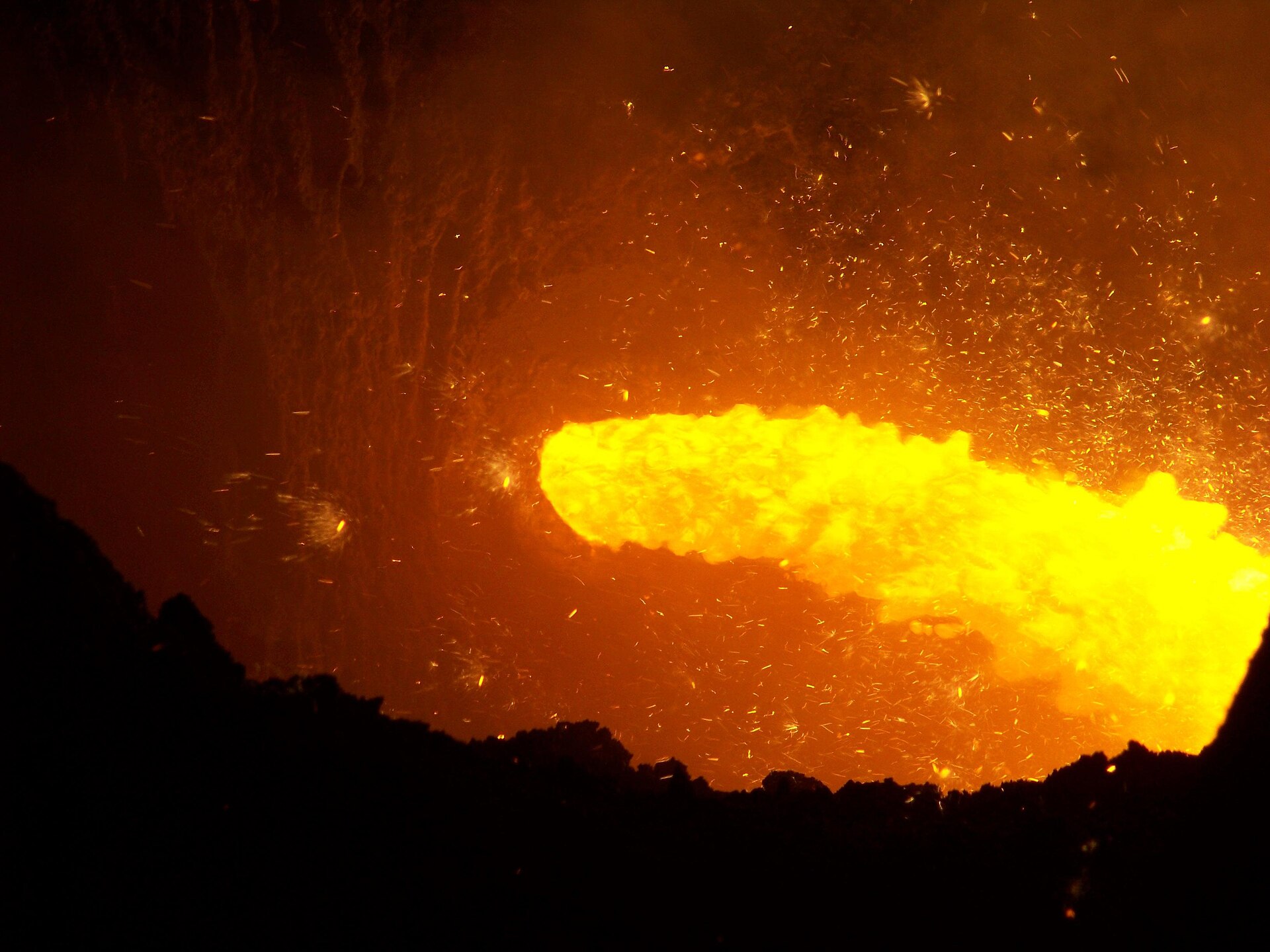
Step two: spend the heat on hydrogen
Mineralisation is exothermic. It gives energy back. In most carbon-capture schemes that heat is a nuisance you manage; here it is the point.
Water electrolysis — splitting H2O into hydrogen and oxygen — is expensive almost entirely because of the electricity it draws. The Ohio State process routes the energy released by the mineralisation reaction into the electrolysis step, lowering the electrical input needed to produce a kilogram of hydrogen.
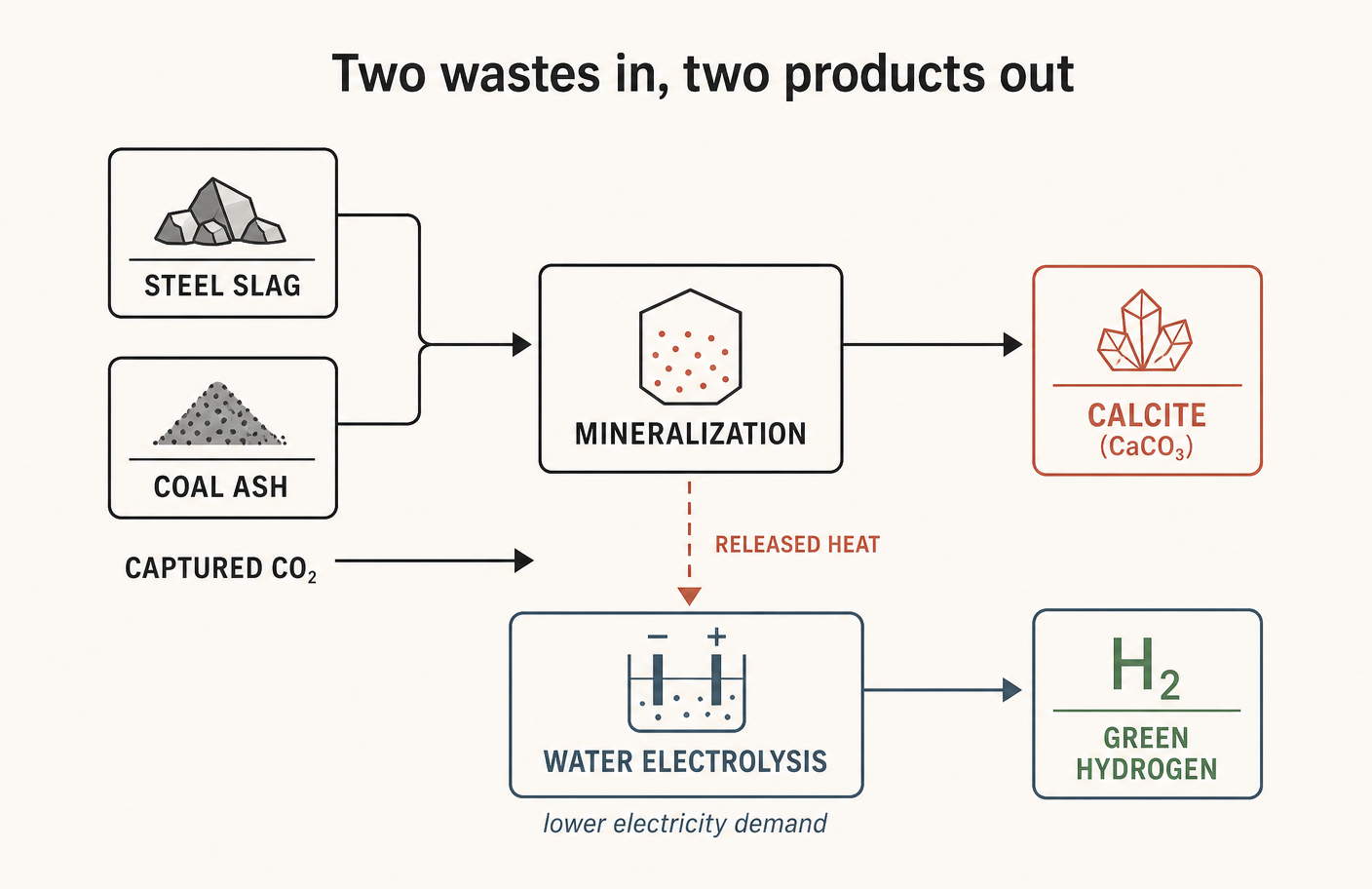
So the two things that normally each cost money — capturing carbon, and making green hydrogen — are wired together so that one pays part of the other's bill.
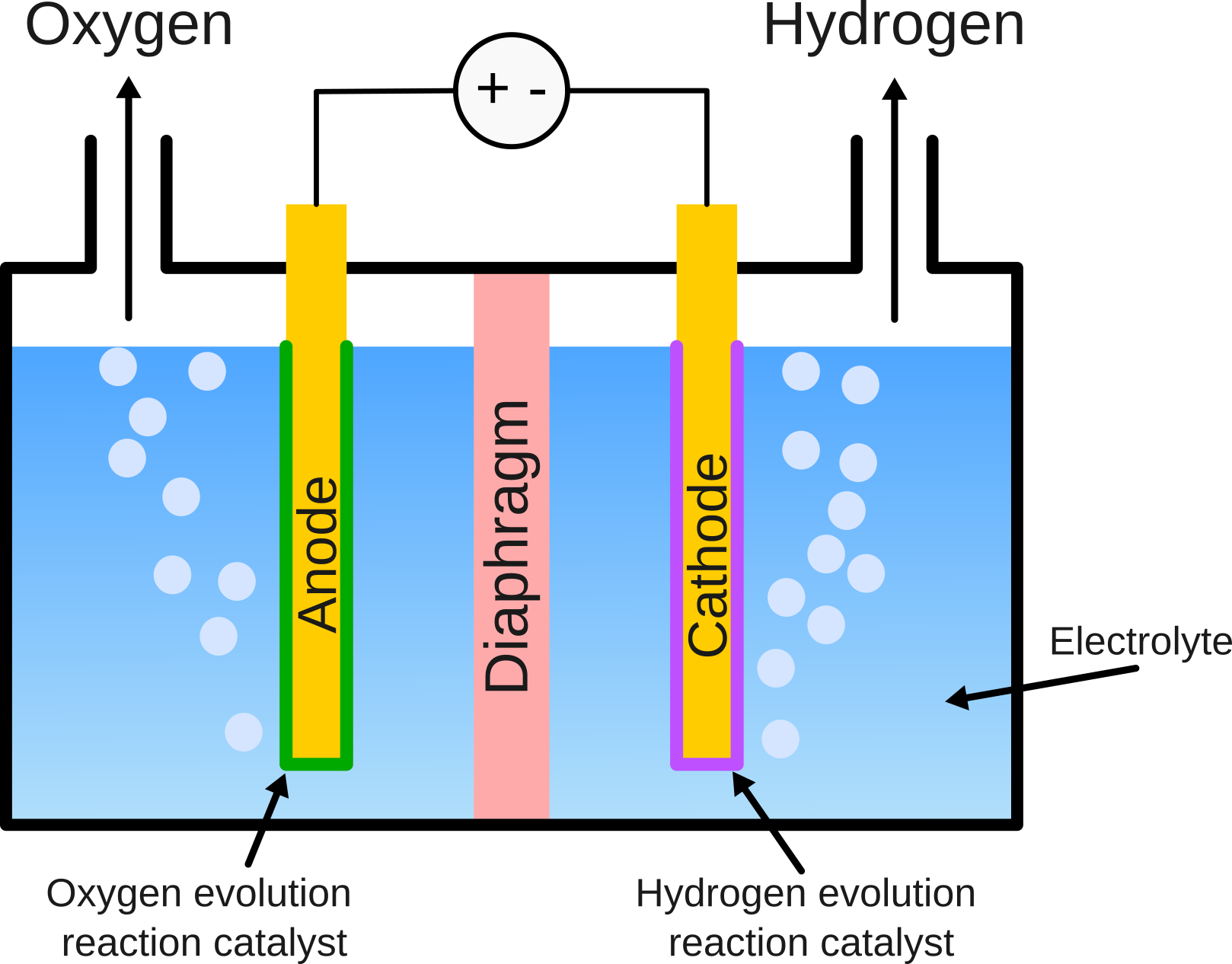
The team also reports that hydrogen produced this way on ordinary grid electricity carried negative emissions — the capture side outweighed the generation side.
What the result does not yet establish
This is an early-stage laboratory result, and the missing numbers are the ones an engineer would ask for first.
Three further caveats are worth holding onto.
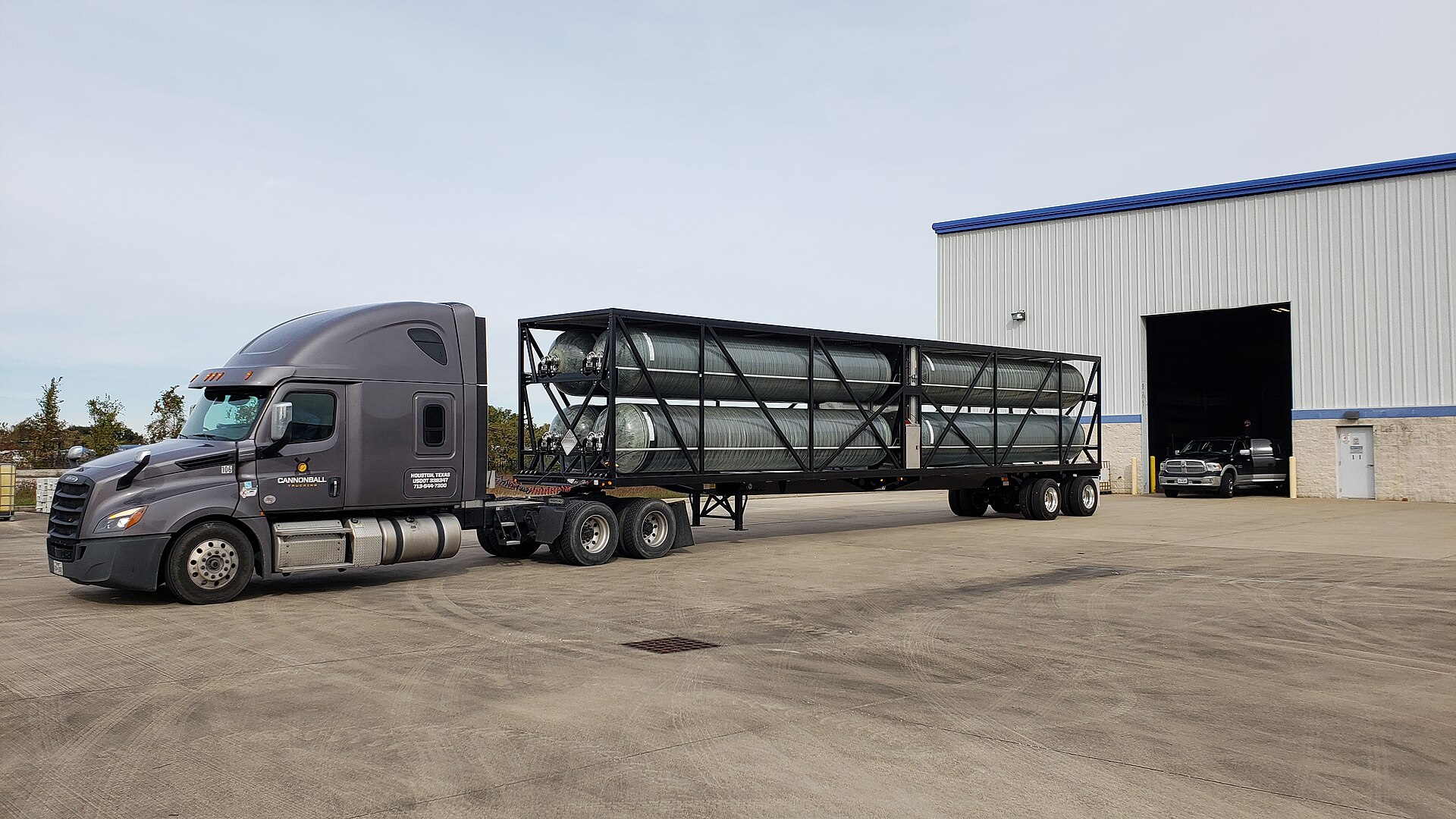
The sub-$1/kg figure folds in the market value of the calcite. That is legitimate accounting for a co-product — but calcite markets are not infinitely deep. Produce it at the scale implied by 500 Mt/yr of avoided CO2 and you are competing with quarried limestone, which is cheap and everywhere.
"Negative emissions" is a counterfactual claim. It depends on what you assume the CO2 and the waste would otherwise have done — vented and landfilled, or captured and used elsewhere. Change the baseline and the sign can change with it.
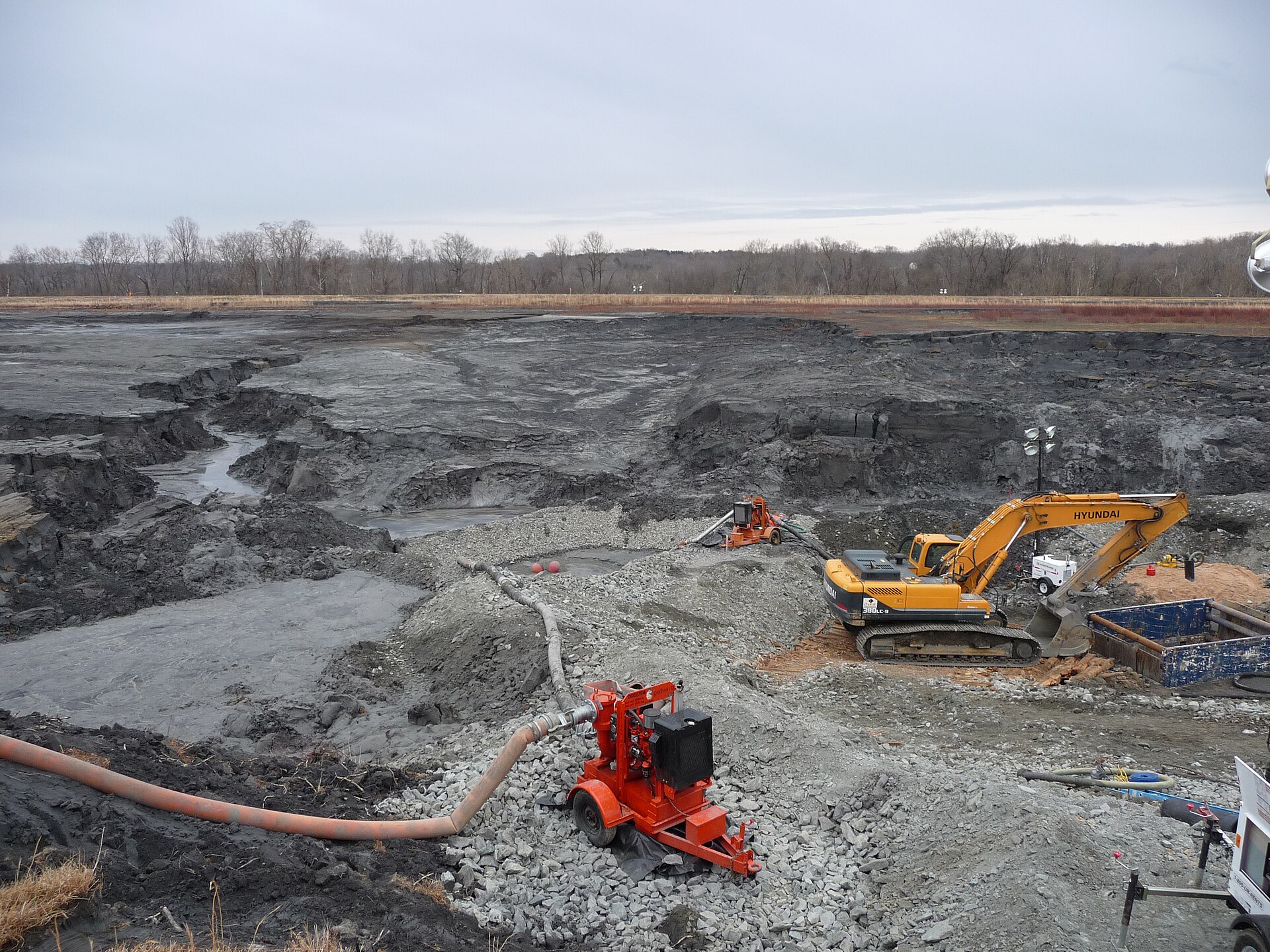
And coal ash in particular is not an inert feedstock. Impoundments carry heavy metals, and any process that mobilises ash at scale has to answer for what leaves the reactor besides calcite.
Why it is still interesting
Most carbon-capture proposals need a purpose-built sorbent, a dedicated energy supply, and a subsidy. This one needs a waste pile you already have, and it produces a saleable mineral and a fuel rather than a stored liability.
That is a genuinely different shape of proposal. Whether the shape survives contact with a pilot plant is a separate question, and one the published work does not answer.
References and image credits›
- 01Tech Xplore — Chemists race to turn industrial waste into renewable resource
- 02ACS Energy Letters — Neves-Garcia et al. (2026)
Photo: David Wilson, CC BY 2.0 · Photo: Blast furnace worker, CC BY-SA 3.0 · Photo: Silar, CC BY-SA 4.0 · Diagram: Kavin Teenakul, CC BY-SA 4.0 · Photo: Privateconfidential1970, CC BY-SA 4.0 · Photo: via Wikimedia Commons, CC BY-SA · Photo: USFWS, public domain