
A KitKat wrapper made from soft plastics: closed loop, or mass-balance proof of concept?
Nine and a half tonnes of pyrolysis oil, five tonnes of resin, seven million wrappers. A real supply chain ran end to end - and almost none of the numbers that would prove it works were published.
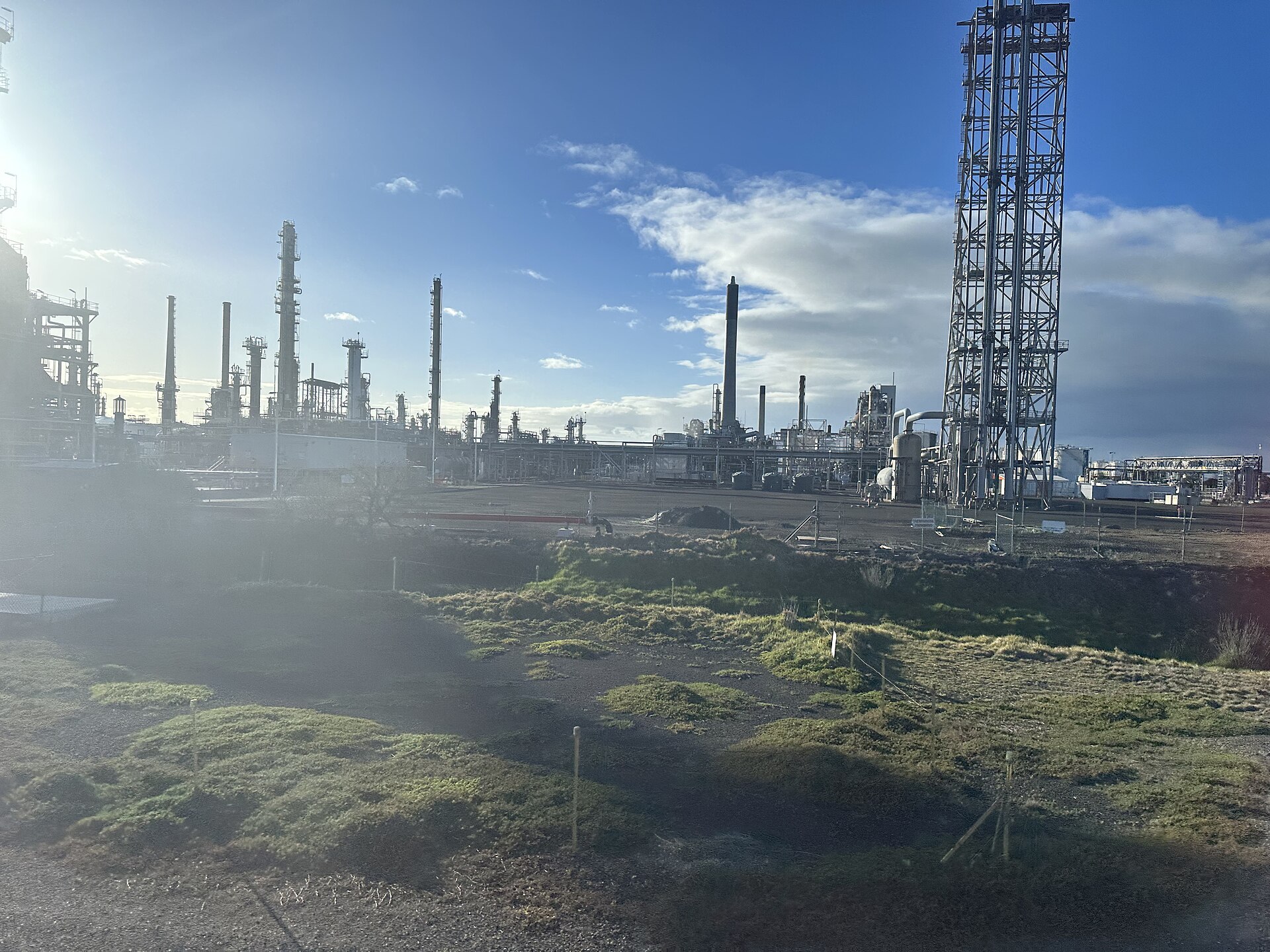
Viva Energy has completed a proof-of-concept that took soft-plastic pyrolysis oil through an operating oil refinery, out the other side as polypropylene, and eventually onto a chocolate bar.
That is a genuine supply-chain result. It is also, on the published evidence, a single batch with most of the decisive numbers missing.
The claim
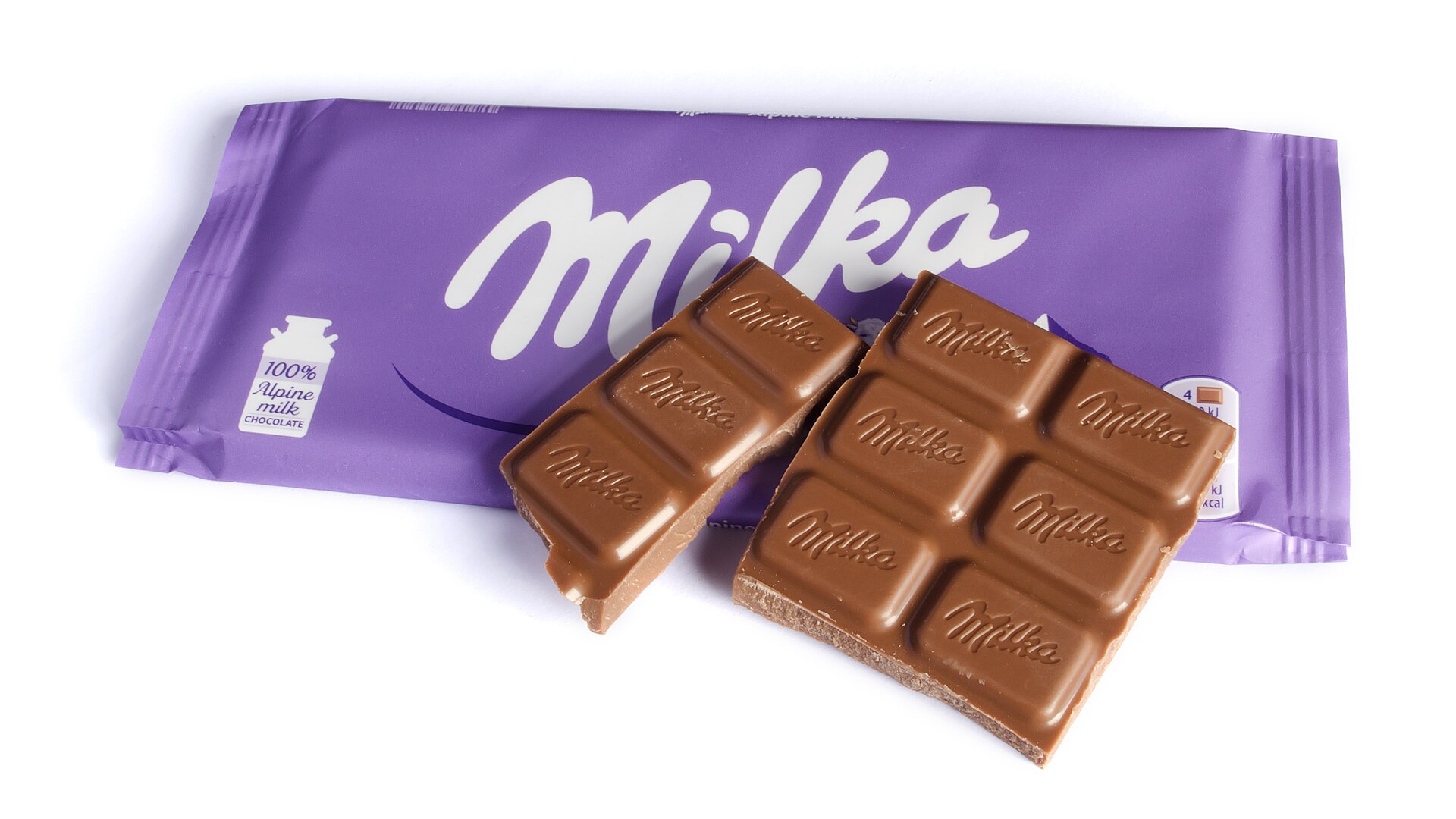
More than 9.5 tonnes of plastic pyrolysis oil processed at the Geelong Refinery during 2025. Five tonnes of locally manufactured recycled polypropylene moved through a Victorian downstream chain. Seven million custom wrappers produced in March 2026 for a limited KitKat 4 Finger run.
What is genuinely strong
This is not a benchtop polymer sample. It connects feedstock processing, refinery integration, resin manufacturing, film production and food-packaging conversion inside one geography.
That matters because the usual failure point in advanced recycling is not chemistry, it is the handoffs. Every step here had to accept the previous step's output at commercial spec, including a food-contact conversion at the end.
It also demonstrates something structurally useful: existing industrial assets can be part of a circular-plastics pathway rather than requiring greenfield plants.
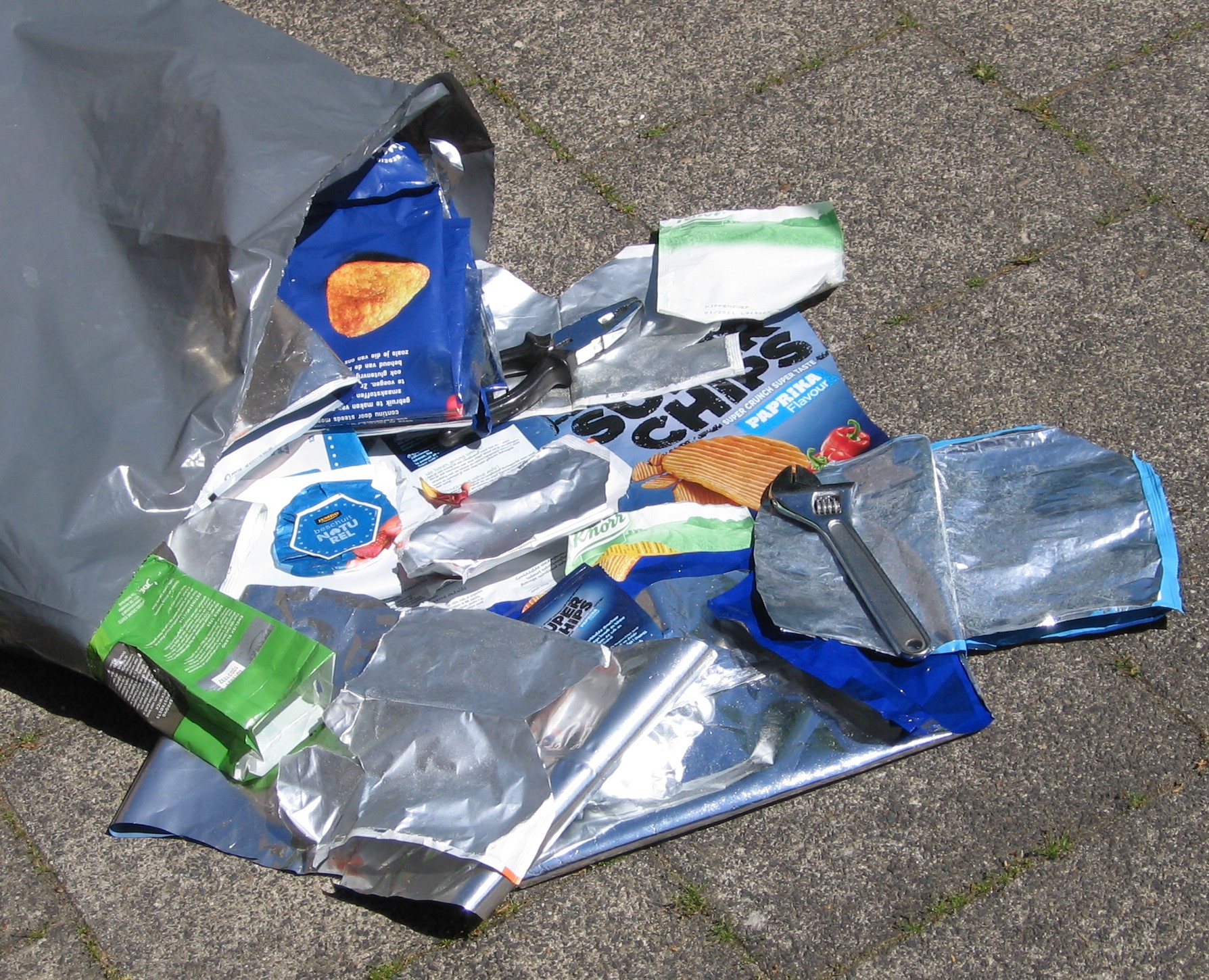
The mass-balance reality
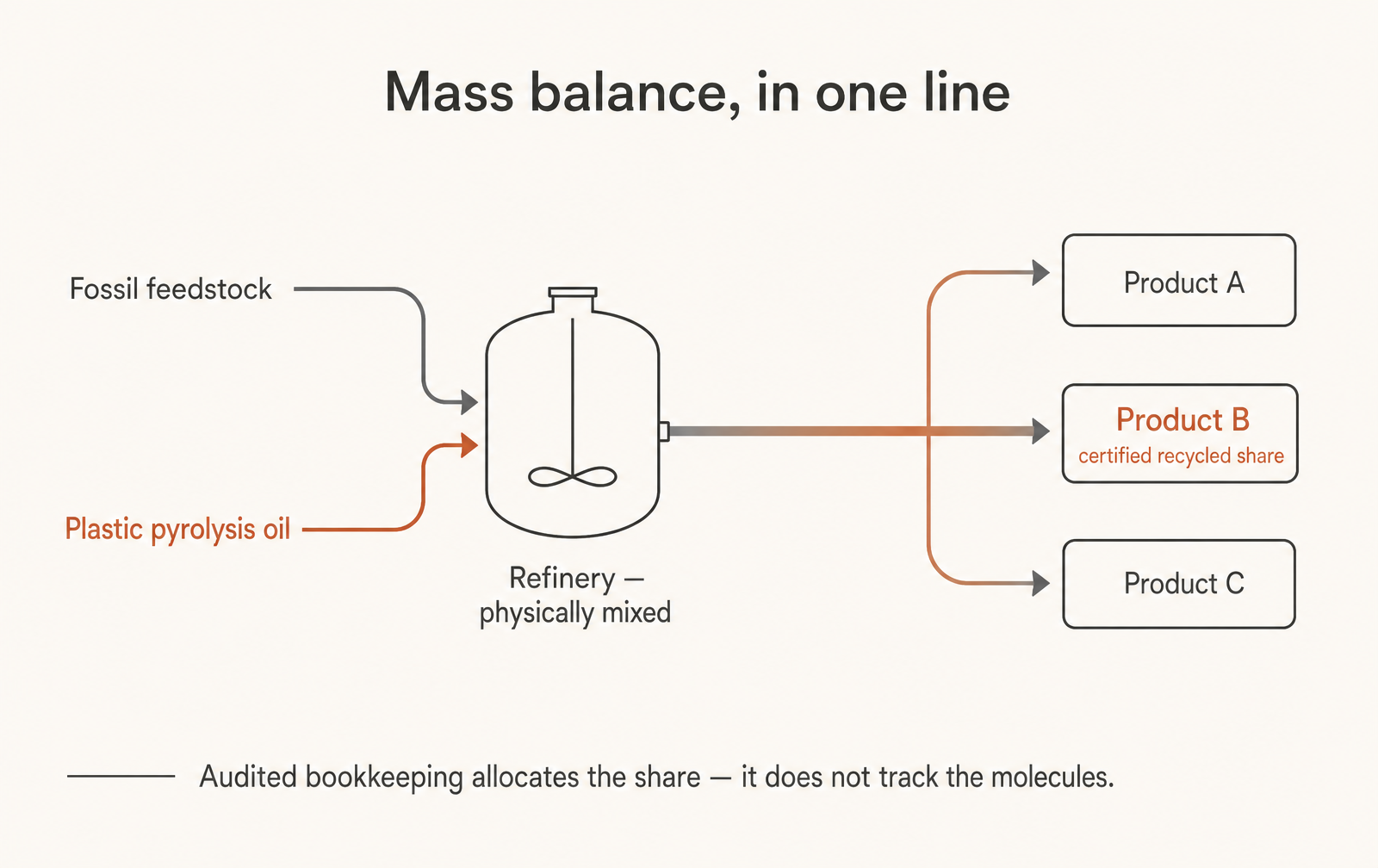
Mass balance is chain-of-custody accounting. It is credible and audited. It is not molecular traceability, and the difference matters when the claim lands on consumer packaging.
The trial used ISCC mass-balance certification. This is where most coverage of stories like this quietly loses precision.
ISCC allows certified recycled and fossil feedstocks to be physically mixed, with the certified share attributed to selected outputs through audited bookkeeping and conversion factors. That supports a defensible claim that recycled feedstock was allocated to the product.
It does not establish that the recycled molecules are physically present in any particular wrapper.
Where the headline outruns the evidence
The published report does not disclose the wrapper's recycled-content percentage. Nor the pyrolysis-oil-to-polypropylene conversion rate. Nor the waste composition behind the imported oil, greenhouse-gas results, a life-cycle assessment, waste-diversion figures, or independent performance testing.
Each of those is the number you would need to judge whether the route is worth scaling. Their absence is not evidence of failure - proof-of-concept reports rarely publish them - but it does mean the honest reading is "one batch completed", not "recycled packaging solved".
The feedstock test
The pyrolysis oil for the trial was imported, because suitable local supply was not available at the required scale.
That single detail defines the project's real constraint. The chemistry worked; the collection system did not exist. A larger domestic project still depends on collection and sorting infrastructure, policy settings, capital and a functioning extended producer-responsibility scheme. Cleanaway and Viva Energy have previously described their joint project as moving through feasibility and engineering work, not operating.
The circularity question
Turning hard-to-recycle films into a food-contact resin could reduce virgin feedstock demand and create an outlet for material that usually goes to landfill.
But pyrolysis is not automatically climate-positive. The answer depends on collection, sorting losses, process energy, refinery co-processing, allocation rules, product yield, and the counterfactual for the waste. None of those figures appear in the current report.
Fair verdict
A real batch moved through a real supply chain and ended up in a real product. That is more than most advanced-recycling announcements can claim.
What has not been demonstrated is a commercial system: continuous operation, domestic feedstock, transparent mass balance, disclosed recycled content, independent food-contact and contaminant testing, and full life-cycle accounting.
Five checkpoints, one cleared.
References and image credits›
- 01Waste Management Review - Viva Energy converts soft plastics into recycled polypropylene for KitKat wrappers
- 02ISCC System - Mass Balance Explained
- 03Cleanaway - Viva Energy and Cleanaway progress plastic recycling plans
Photo: Totallynotarandomalt69 via Wikimedia Commons, CC BY 4.0 · Photo: Hansmuller via Wikimedia Commons, CC BY-SA 4.0 · Diagram: The Waste Stack · Photo: Ubcule via Wikimedia Commons, CC BY-SA 4.0