
Plastic pyrolysis: nameplate capacity is not operating performance
Closures and underutilisation expose the gap between making an oil and running a profitable plastic-to-plastic system.
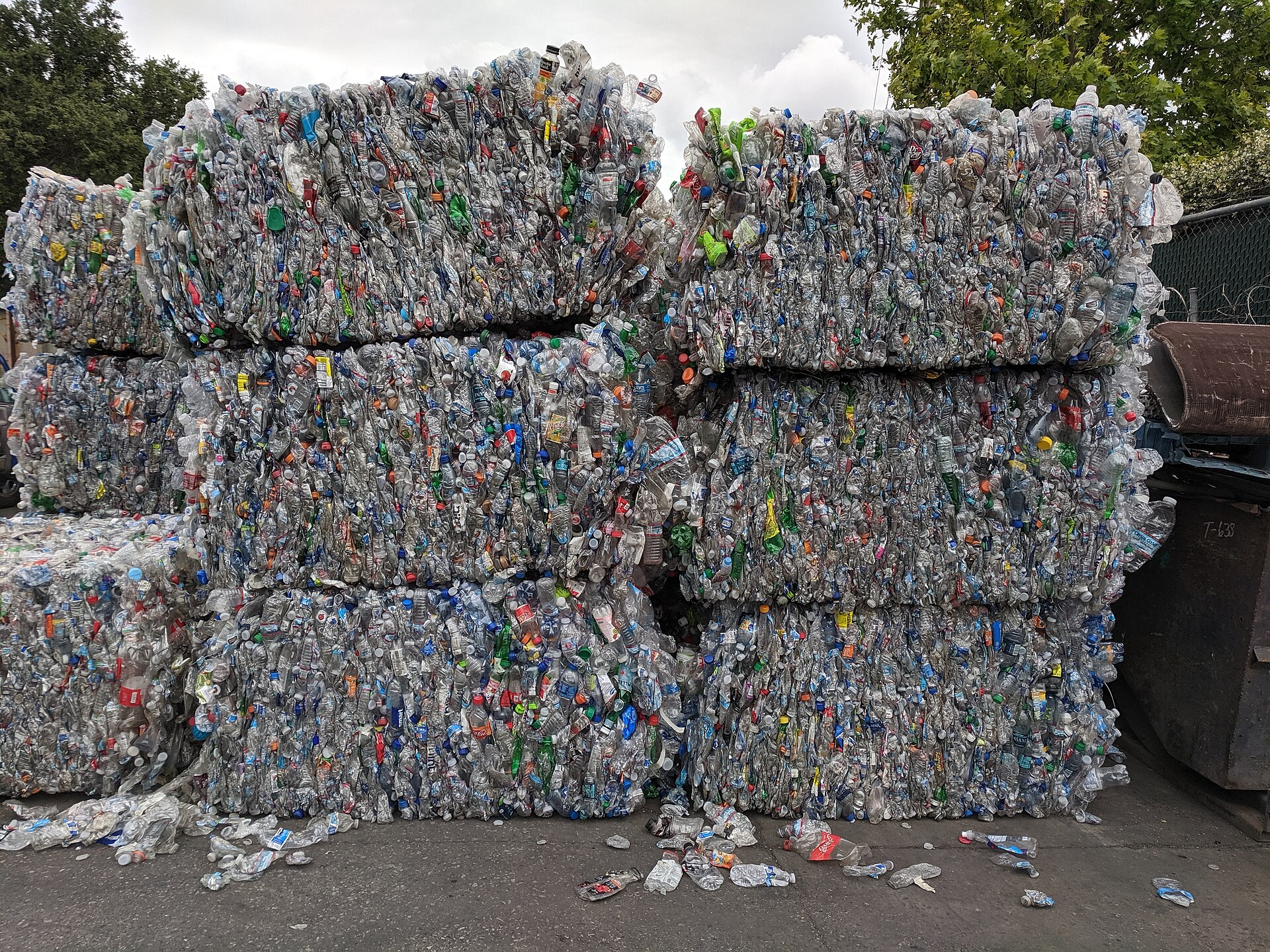
A pyrolysis reactor can turn some plastic into oil. That core thermochemical transformation has been demonstrated in laboratory benches and industrial pilots for decades. The commercial question is harder: can a complete system consistently accept real waste, make a qualified product and sell it for more than processing costs?
Public discussions around advanced waste infrastructure often blur the boundary between theoretical engineering limits and running operational facilities. Press releases regularly cite nameplate processing metrics that suggest immediate commercial readiness. When those installations transition to live operations using post-consumer streams, an operational reality emerges: continuous thermal processing of municipal scrap introduces mechanical, chemical, and economic penalties that nameplate specifications do not convey.
The gap between nameplate capacity and runtime
Announced capacity measures what an engineering flow sheet predicts a reactor could process under ideal conditions with uniform feedstock. Operating performance measures what the entire plant actually digests over twelve consecutive months of unplanned shutdowns, pipe blockages, maintenance outages, and off-spec discharges.
C&EN reports closures, ownership changes and poor utilisation across projects. The brief highlights Pryme’s reported 1,023 tonnes processed in 2025 against a 26,000-tonne annual design capacity—about 4%. That comparison illustrates one site in one period, not a defensible utilisation statistic for every pyrolysis plant. Yet it crystallises the central vulnerability across the broader thermochemical recycling sector: scaling up a thermal reaction vessel is fundamentally different from sustaining steady-state mass transfer across an interconnected commercial facility.
Unplanned downtime in thermal cracking plants typically stems from heat transfer constraints and physical fouling. As mixed plastics soften and decompose, they pass through viscous, sticky phases that adhere to reactor walls, internal augers, and heat exchangers. This leads to carbonaceous buildup, or coking. Once an insulating layer of coke forms, thermal efficiency drops, local hotspots develop, and the reactor must be cooled, opened, and mechanically or chemically cleaned.
Feedstock contamination inside the reactor
Marketing summaries frequently imply that chemical recovery can effortlessly digest complex, contaminated bales that mechanical sorters reject. In practice, the internal chemistry of pyrolysis reactors is acutely sensitive to minor contaminants.
Pyrolysis reactors can flexibly process commingled mixed post-consumer waste that mechanical recyclers reject.
Minor contaminants like PVC, moisture, and legacy additives cause severe pipe corrosion, coking, and catalyst poisoning, requiring extensive sorting and pre-treatment.
PVC contamination poses an immediate chemical challenge. Even small fractions of chlorinated polymers liberate gaseous hydrochloric acid at cracking temperatures. This acid rapidly corrodes carbon steel infrastructure, degrades valves, and creates organic chlorides that partition directly into the liquid output. Steam crackers and petroleum refineries impose strict limits on organic chlorides—often below single-digit parts per million—because chlorine severely poisons downstream reforming catalysts and risks catastrophic stress-corrosion cracking in downstream processing units.
Moisture and non-target additives further compound operational instability. Water turns to steam instantaneously at reaction temperatures, creating unpredictable pressure surges, destabilising thermal regulation, and diluting process vapours. Heteroatoms such as nitrogen from polyamides, oxygen from polyesters, and heavy metals from colourants or flame retardants migrate into both the oil and pyrolysis char. Managing these elements requires complex pre-sorting, continuous analytical monitoring, and robust environmental scrubbing systems, significantly increasing capital expenditure per tonne of intake.
Follow the output beyond the reactor
Heating suitable polymers with little oxygen produces a mixture of oils, gases and solids. The oil is not automatically new plastic. It may need purification and upgrading before entering a refinery or steam cracker, followed by additional conversion and polymerisation.
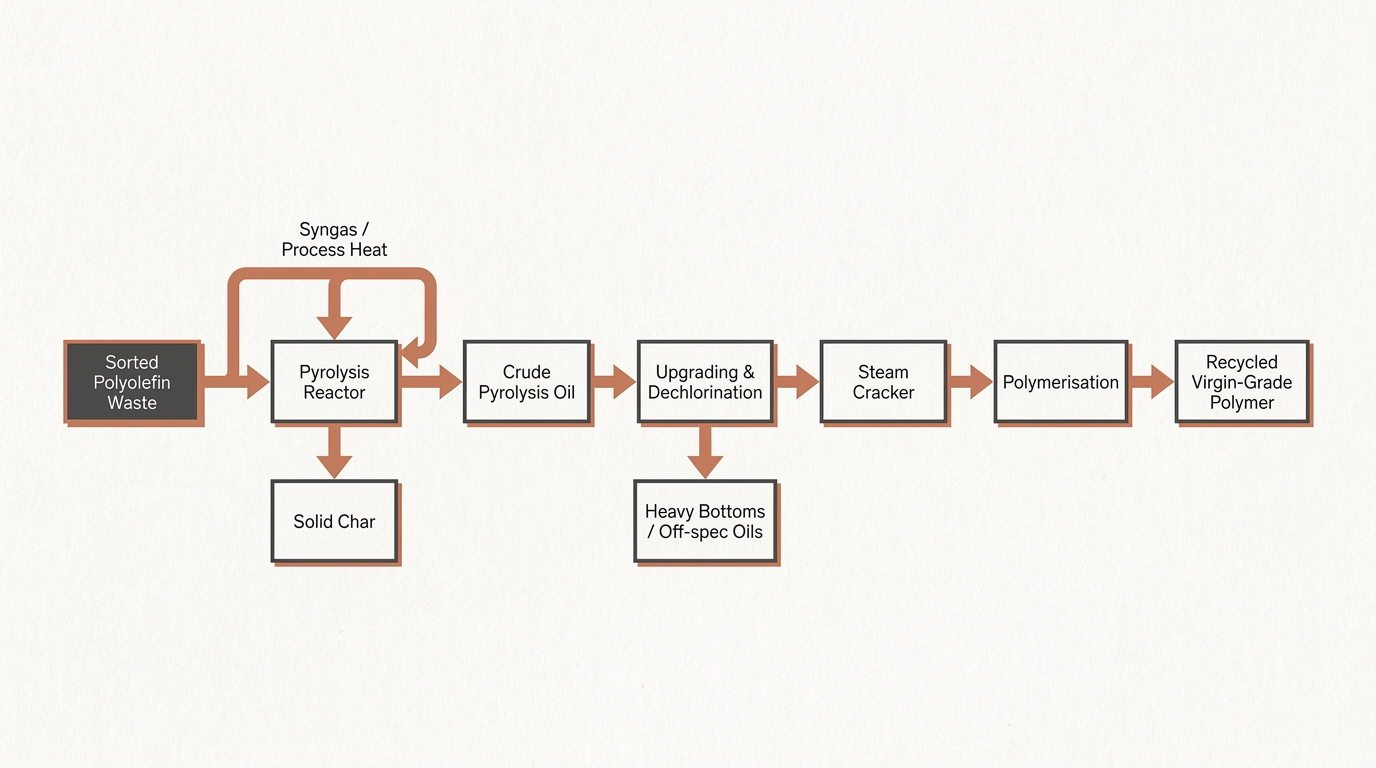
Crude pyrolysis oil is an unstable, highly aromatic hydrocarbon soup that bears little resemblance to standardised virgin naphtha. It typically contains olefins, diolefins, organic acids, and dissolved particulate char. Storing this liquid can result in spontaneous polymerisation and gum formation. To make this liquid acceptable to a petrochemical steam cracker, operators must invest in intermediate upgrading stages, including hydroprocessing to saturate reactive diolefins and catalytic hydrodechlorination to strip bound halogens.
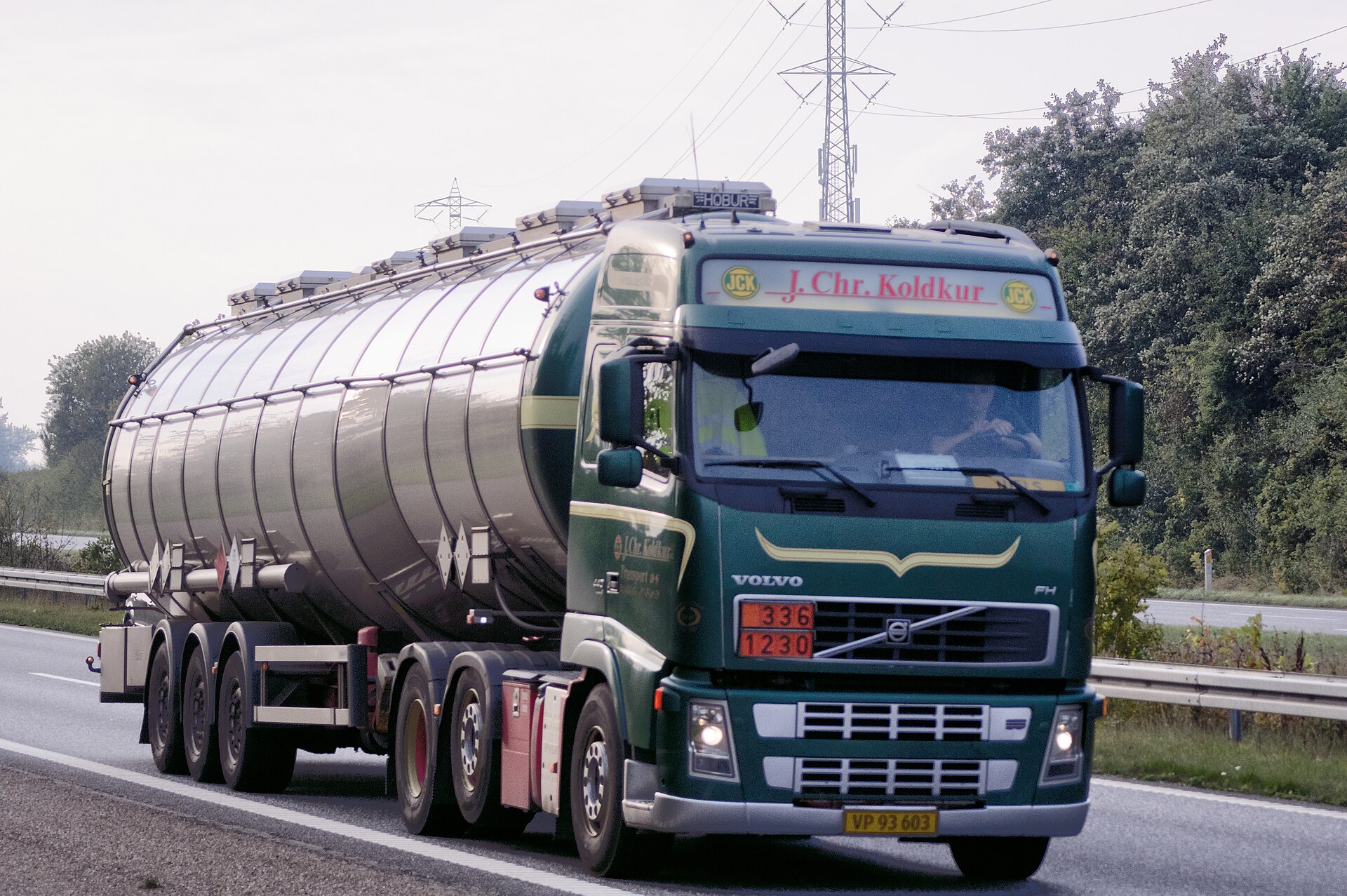
PVC contamination, variable moisture, additives, coking and heat transfer can disrupt operation. A saleable oil yield is also different from the final yield of new polymer. Fuel production should not be counted as material circularity.
When crude oil is fractionated, only a portion aligns with cracker feedstock boiling ranges. The non-condensable syngas is typically combusted internally to supply process heat, while the heavy residual waxes and bottom residues either require severe hydrocracking or end up as fuel oil, road bitumen, or solid char. When the cracked petrochemical intermediates finally pass through a steam cracker, further mass is lost to light gases and heavy bottoms before virgin-grade polymerisation can occur. Treating every tonne of condensed liquid as a tonne of avoided virgin plastic misrepresents physical mass balances.
Conflating distinct chemical pathways
Grouping thermal cracking, catalytic solvolysis, and supercritical-water processing under one generic label obscures distinct thermodynamic requirements, yields, and operating profiles.
Much of the confusion regarding operational credibility stems from aggregating completely different industrial disciplines into a single category. Projects labelled “chemical recycling” also include different technologies. Methanolysis, glycolysis and supercritical-water processes should not be pooled as if they were all the same reactor chemistry.
Methanolysis and glycolysis are solvolytic depolymerisation techniques applied exclusively to condensation polymers like polyethylene terephthalate (PET). They cut ester linkages using a solvent, directly recovering pure monomers such as dimethyl terephthalate or bis(2-hydroxyethyl) terephthalate. Because these reactions target specific functional groups at comparatively moderate temperatures, they avoid the uncontrolled thermal fragmentation seen in polyolefin pyrolysis.
Supercritical-water systems (hydrothermal liquefaction) exploit water above its thermodynamic critical point (374°C, 22.1 MPa) as an active solvent and reaction medium. This allows organic breakdown while preventing internal char deposition, handling wet feedstocks without prior drying. Pooling these fundamentally divergent unit operations under an identical umbrella misleads investors and environmental regulators on overall technical readiness and capital expenditure requirements.
Upstream preparation and the commercial hurdle
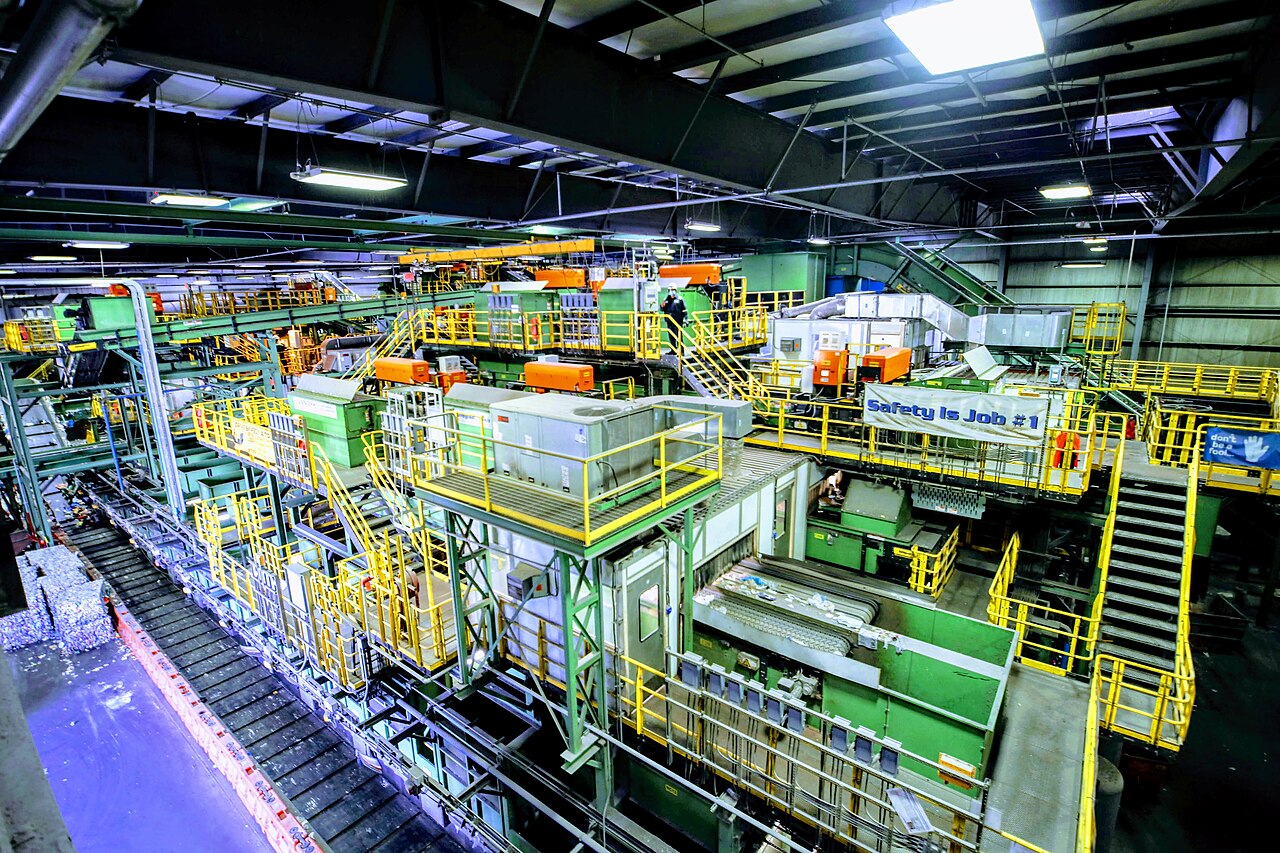
Feedstock preparation remains important even when a process is described as handling mixed waste. Facilities cannot bypass front-end materials recovery facility (MRF) infrastructure. To run safely, post-consumer streams must be shredded, densified, de-dusted, and screened with near-infrared sorters to keep PVC fractions strictly controlled. Every mechanical intervention upstream consumes electric power and discards reject fractions, lowering net system yield.
What would make the case credible? Ask for annual input, on-spec output, uptime, waste residues, energy use, emissions control and full costs. Recycled-content rules may create demand, but mandated demand does not solve reactor reliability or prove an environmental benefit. If a facility cannot keep its reactors running continuously without frequent decoking shutdowns, or if the cleanup cost exceeds virgin fossil parity, regulatory pull cannot compensate for stubborn physical bottlenecks.
The evidence supports caution about announced capacity and optimistic economics. It does not prove every possible pyrolysis application must fail. Commercial credibility comes from sustained balances and qualified sales, not another plant announcement.
References and image credits›
Photo: via Wikimedia Commons · Diagram: The Waste Stack · Photo: Lav Ulv, CC BY 2.0 · Photo: CaptJayRuffins, CC BY-SA 4.0, via Wikimedia Commons