
Aduro's Hydrochemolytic Route: Water-Mediated Plastic Conversion, and the Refinery Problem It Does Not Escape
Aduro says its water-based chemistry converts waste plastic and heavy oil at lower temperatures than pyrolysis. Even if that holds, the output is still a feedstock that a refinery has to finish.
Aduro Clean Technologies promotes Hydrochemolytic Technology (HCT): waste plastics and heavy hydrocarbons converted in water with a catalyst at moderate temperature and pressure, producing lower-boiling liquid hydrocarbons.
The chemistry claim
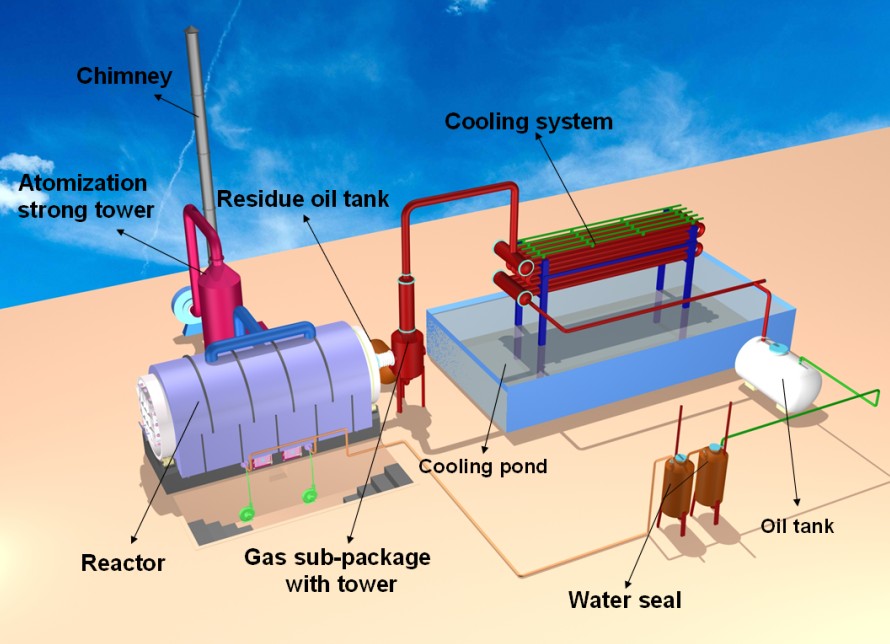
Conventional pyrolysis heats plastic to 450-550C in the absence of oxygen and cracks it thermally. The reaction is uncontrolled, yields a broad product slate, and produces coke that fouls reactors.
HCT uses water near or above its critical region as both reaction medium and hydrogen donor, with a catalyst, at a reported 250-350C. Water at these conditions behaves very differently from ambient water: its dielectric constant drops, it dissolves organics, and it participates directly in bond cleavage. This is real, documented chemistry — hydrothermal liquefaction of biomass works on the same principles.
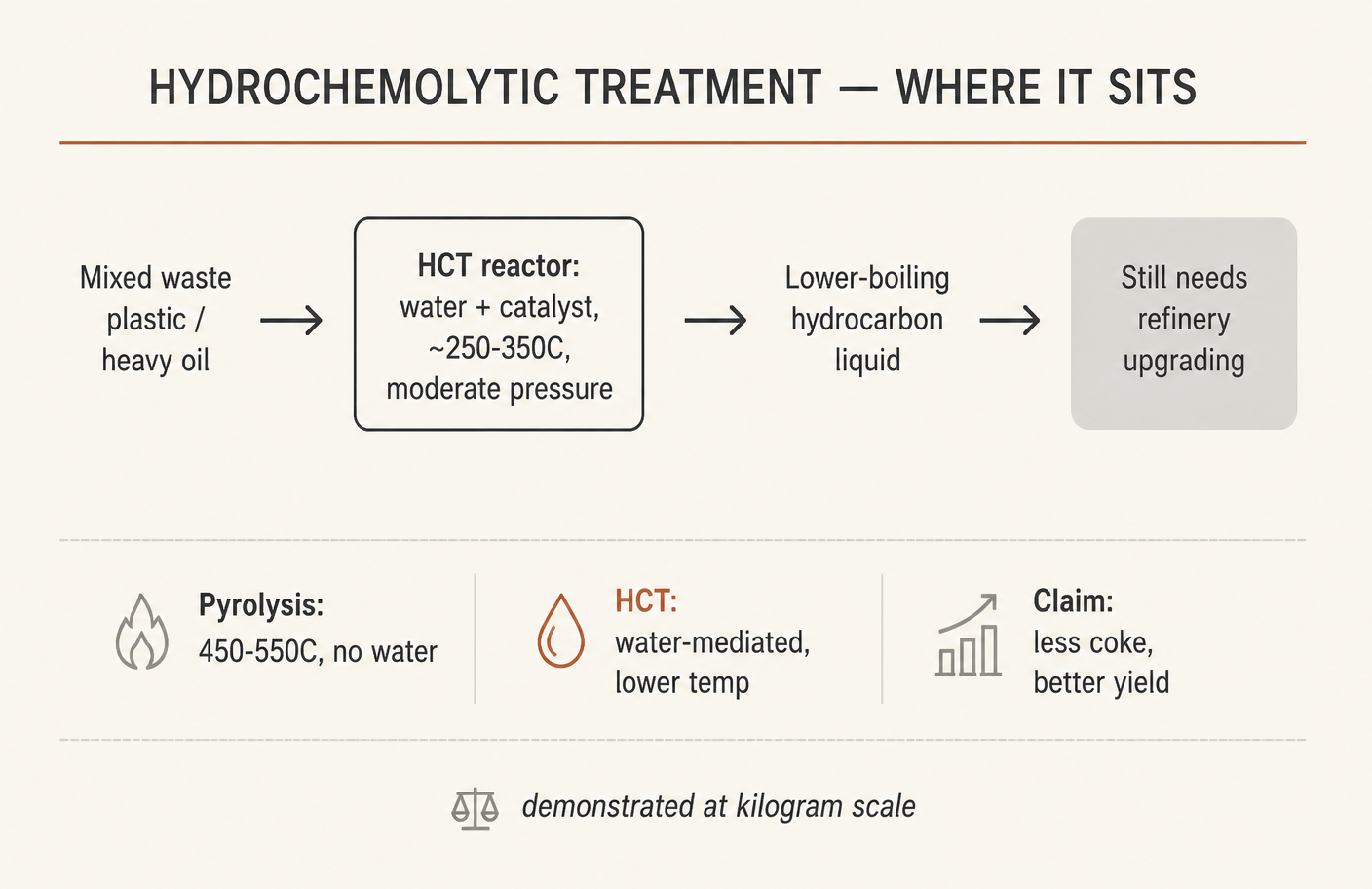
The plausible advantages: lower temperature, less coke formation, in-situ hydrogen from water rather than added hydrogen gas, and a narrower product distribution.
The problem no plastic-to-liquid process avoids
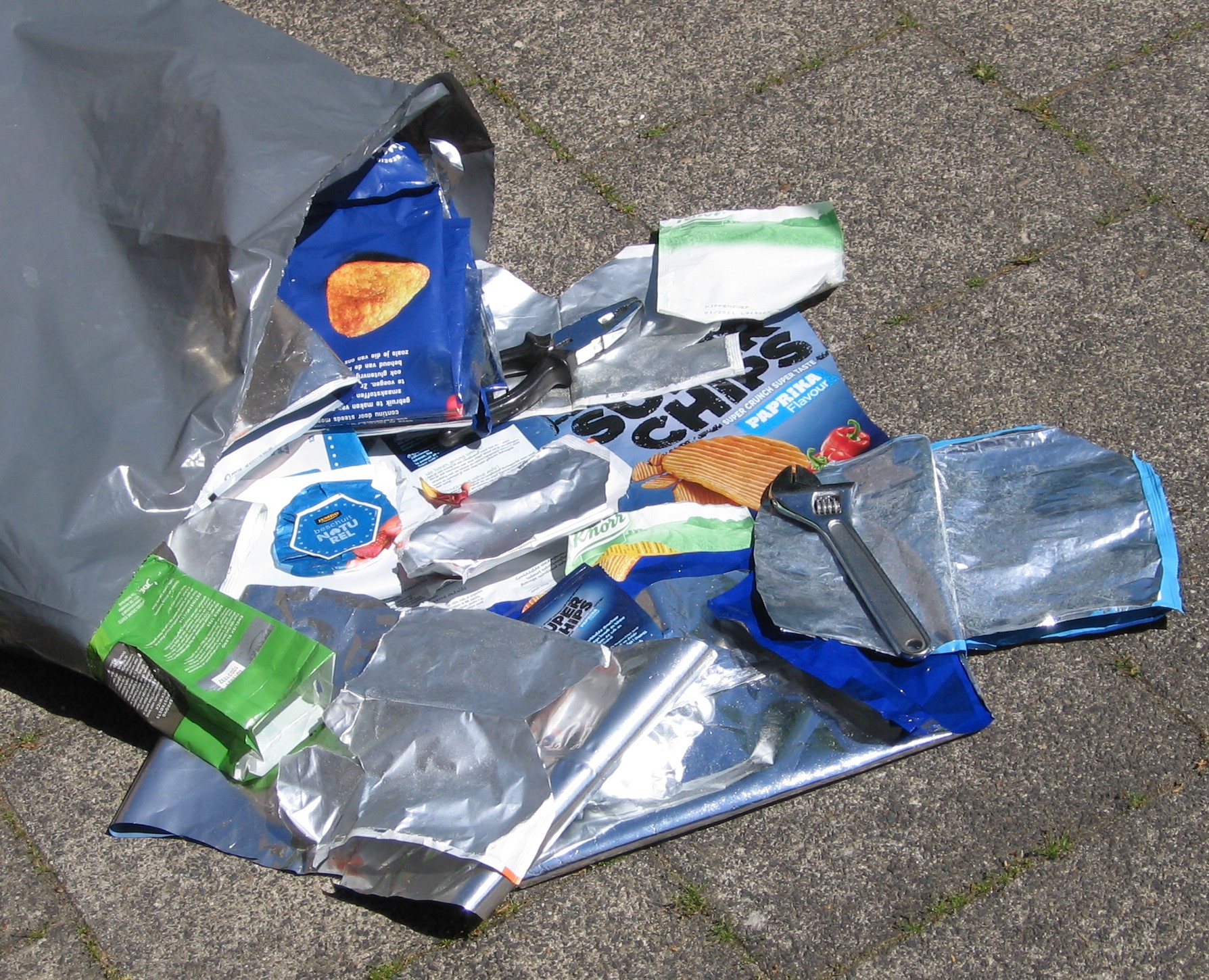
Waste plastic converted back into usable hydrocarbon products.
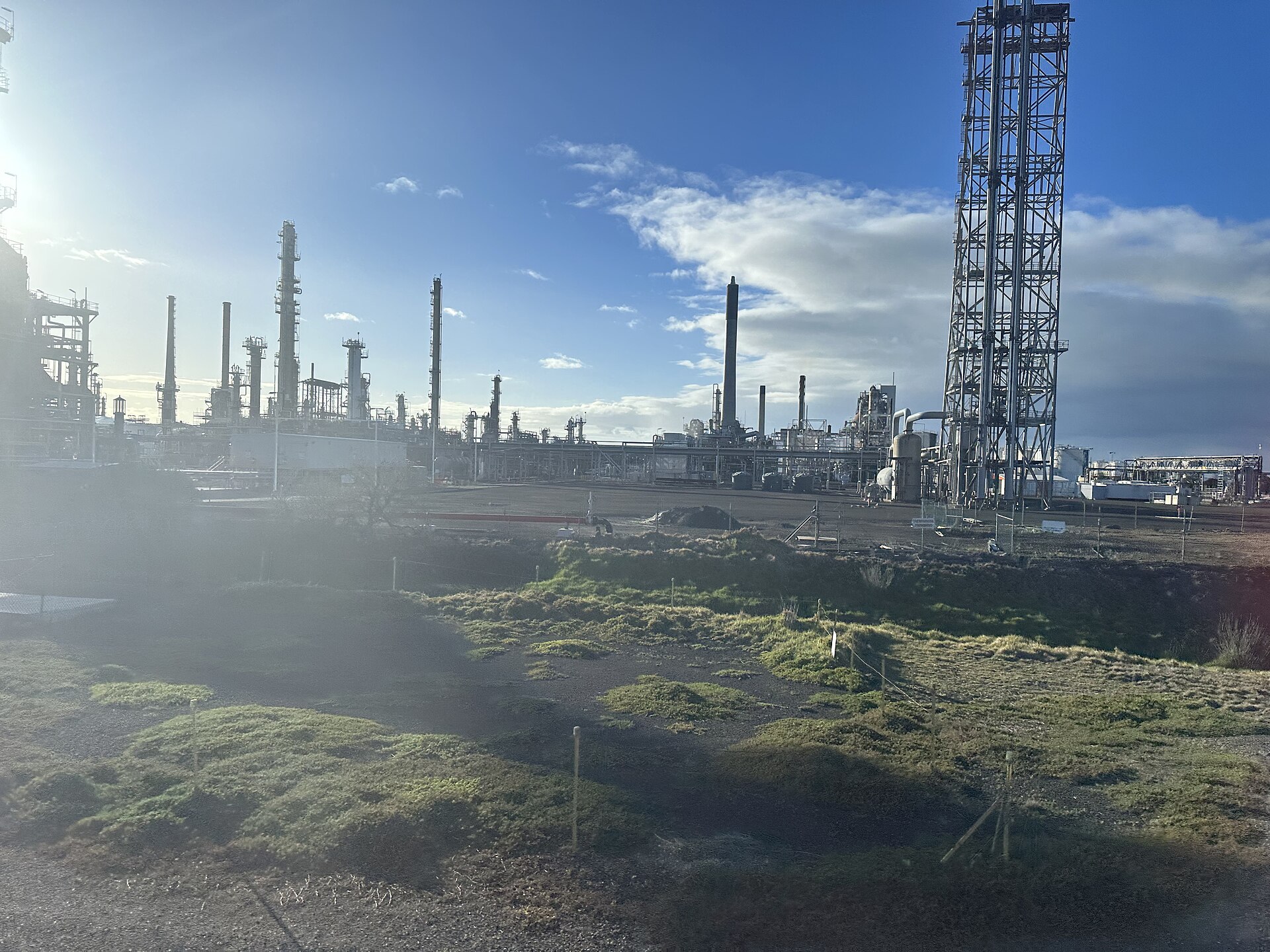
The output is a mixed hydrocarbon liquid containing chlorine, nitrogen and metal contaminants from the waste stream. It is a refinery feedstock, not a product. Refineries accept it in small blend ratios, at a discount, if at all.
This is the structural constraint on the entire sector. Chlorine from PVC poisons refinery catalysts and corrodes equipment. Nitrogen and oxygen compounds from mixed waste behave badly in downstream units. Refinery operators therefore cap pyrolysis oil at low single-digit percentages of feed, which caps the addressable market regardless of how elegant the conversion chemistry is.
Scale is the other gap
For any hydrothermal process, the question that separates a lab result from a business is continuous solids handling at pressure. Ask how many hours the longest uninterrupted run has been.
Aduro''s published results are at laboratory and small pilot scale. Hydrothermal processes scale badly in one specific way: handling a slurry of solids in high-pressure water continuously, without plugging, erosion or seal failure, is a mechanical problem that has defeated a long line of hydrothermal liquefaction ventures. The chemistry usually survives scale-up. The pumps and let-down valves often do not.
What would be persuasive
A thousand-hour continuous run on unsorted post-consumer plastic, a full elemental analysis of the product oil including chlorine, and a named refinery willing to state a blend ratio. Absent those, this is promising chemistry at an early stage, priced by markets as though it were further along.
References and image credits›
Photo: Wikimedia Commons, CC BY-SA 4.0 · Photo: Wikimedia Commons, CC BY-SA 4.0 · Photo: Zzkysb, CC BY-SA 3.0