
Bobine's 'electrified plastic recycling': striking numbers, no independent evidence
The French startup claims +45% yield, −60% energy and −45% cost by heating a catalyst with induction to turn plastic waste into olefins. Every figure is self-reported, and none has a baseline.
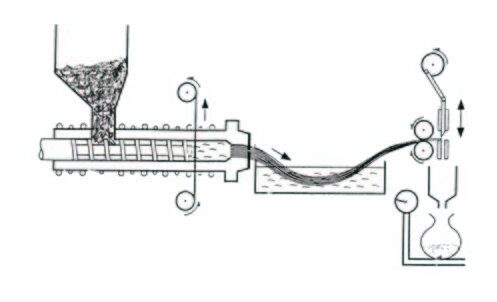
Bobine, a French startup founded in 2023, raised $14M (€13M) in February 2026 to build an industrial demonstrator with Michelin in Clermont-Ferrand. The pitch: electrify the most energy-hungry step in petrochemistry and feed it with plastic nobody can mechanically recycle.
The mechanism
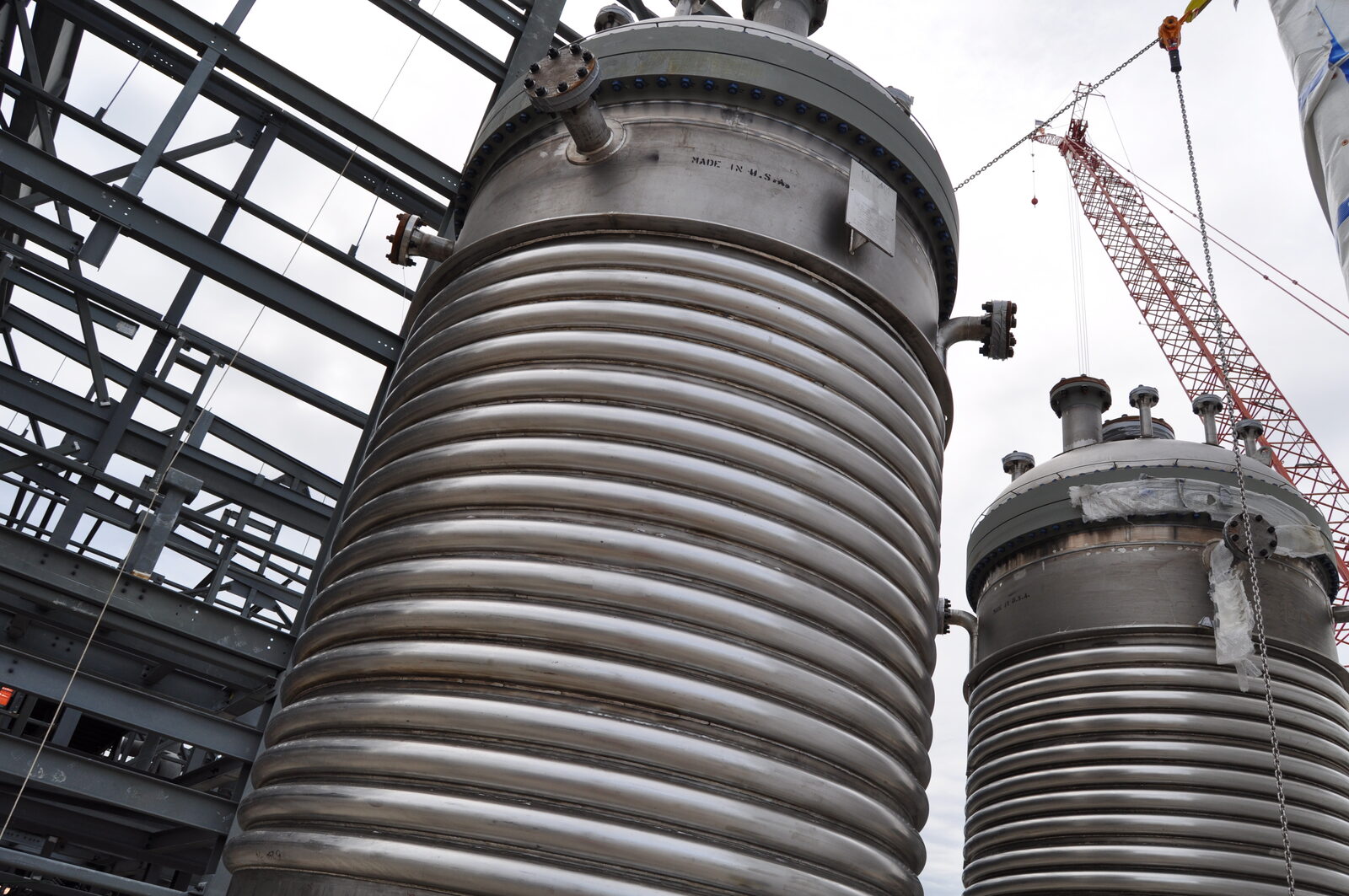
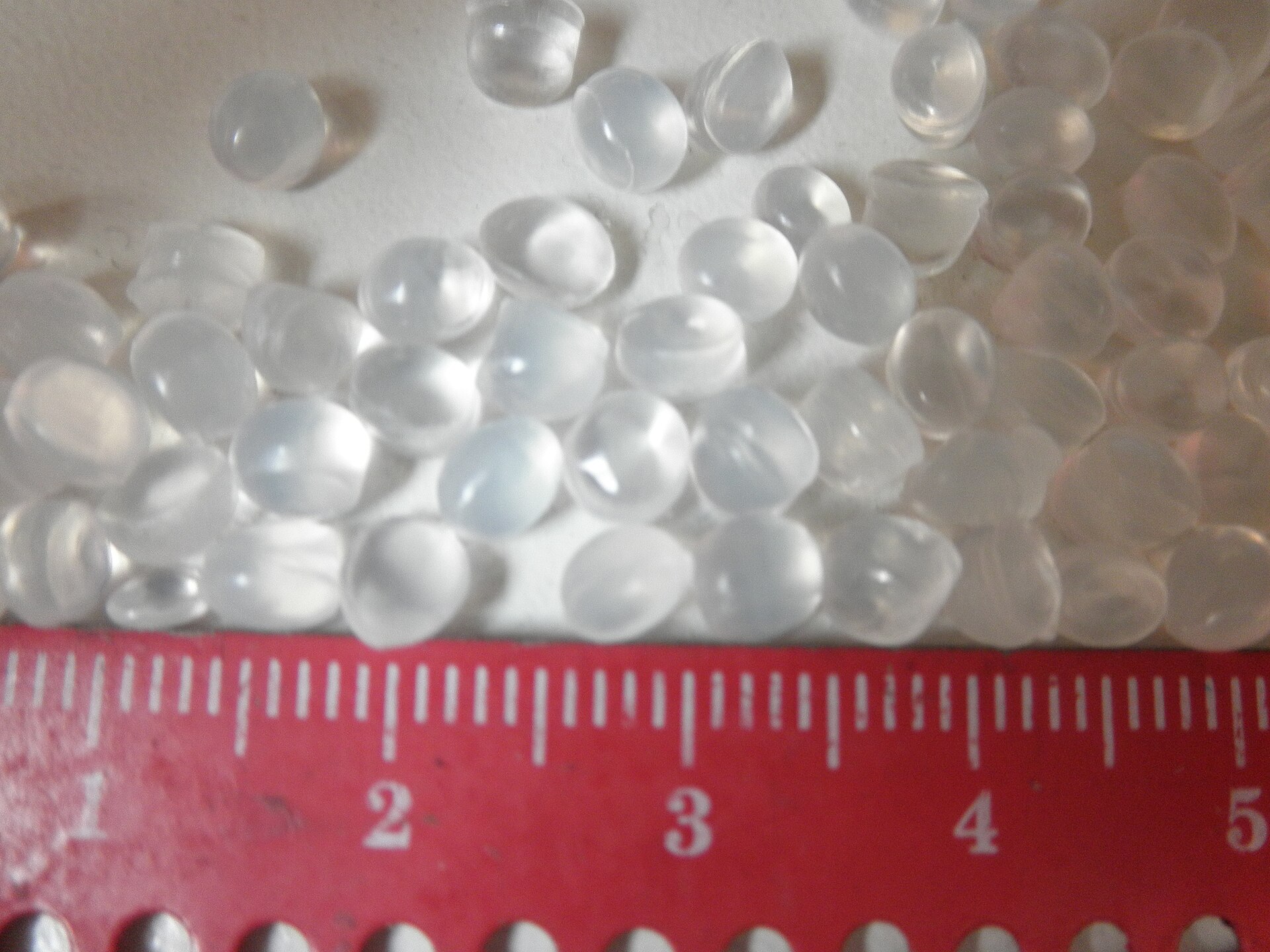
Olefins — ethylene and propylene — are normally made by steam cracking fossil feedstock at 850–900 °C. Bobine combines heterogeneous catalysis (a solid catalyst drives the reaction) with electromagnetic induction, which heats the catalyst directly instead of the whole reactor. Plastic waste goes in; olefins come out, destined for new polymer.
The technology comes from the CNRS/University of Strasbourg ICPEES lab, licensed via SATT Conectus, with Bpifrance support.
The claims
+45% conversion yield, −60% energy and −45% cost versus petrochemical routes, with a 1,000× scale-up from lab to pilot.
All figures are company-reported. There is no peer-reviewed paper, no third-party LCA, and no absolute baseline for any of them.
- Relative, not absolute. +45% of what? Neither the baseline yield nor the achieved yield is given.
- Scale-up of unknown size. 1,000× from an unspecified lab scale to an unspecified pilot.
- Feedstock unnamed. "Non-recyclable plastic" could mean clean polyolefins or PVC-contaminated mixed waste. Performance would differ enormously.
- Catalyst unknowns. Lifetime, cost and replacement frequency are not disclosed — often the deciding economics in catalytic recycling.
Why the idea is still interesting
Heating only the catalyst is a plausible route to big energy savings, and electrifying cracking addresses both fossil fuel use and emissions. A Michelin partnership gives the project a real test site and several thousand planned operating hours.
What to ask for
A published yield on a named feedstock, energy per tonne of olefin, catalyst life, and an independent LCA. Commercial deployment is targeted for 2030; competitors are already at demo or commercial scale. Until then, treat the headline percentages as marketing.
References and image credits›
- 01ESG News — Bobine raises $14M to scale electrified plastic recycling technology
- 02CNRS ICPEES laboratory
Photo: PEO ACWA, CC BY 2.0, via Wikimedia Commons · Photo: Lluis tgn, CC BY-SA 3.0