
Alberta bans solar panels from landfill: how panel recycling works, and who pays
From October 1, Alberta charges $14 on every new panel and bans end-of-life panels from landfill. Here is how a panel is taken apart, and why the fee is already contested.
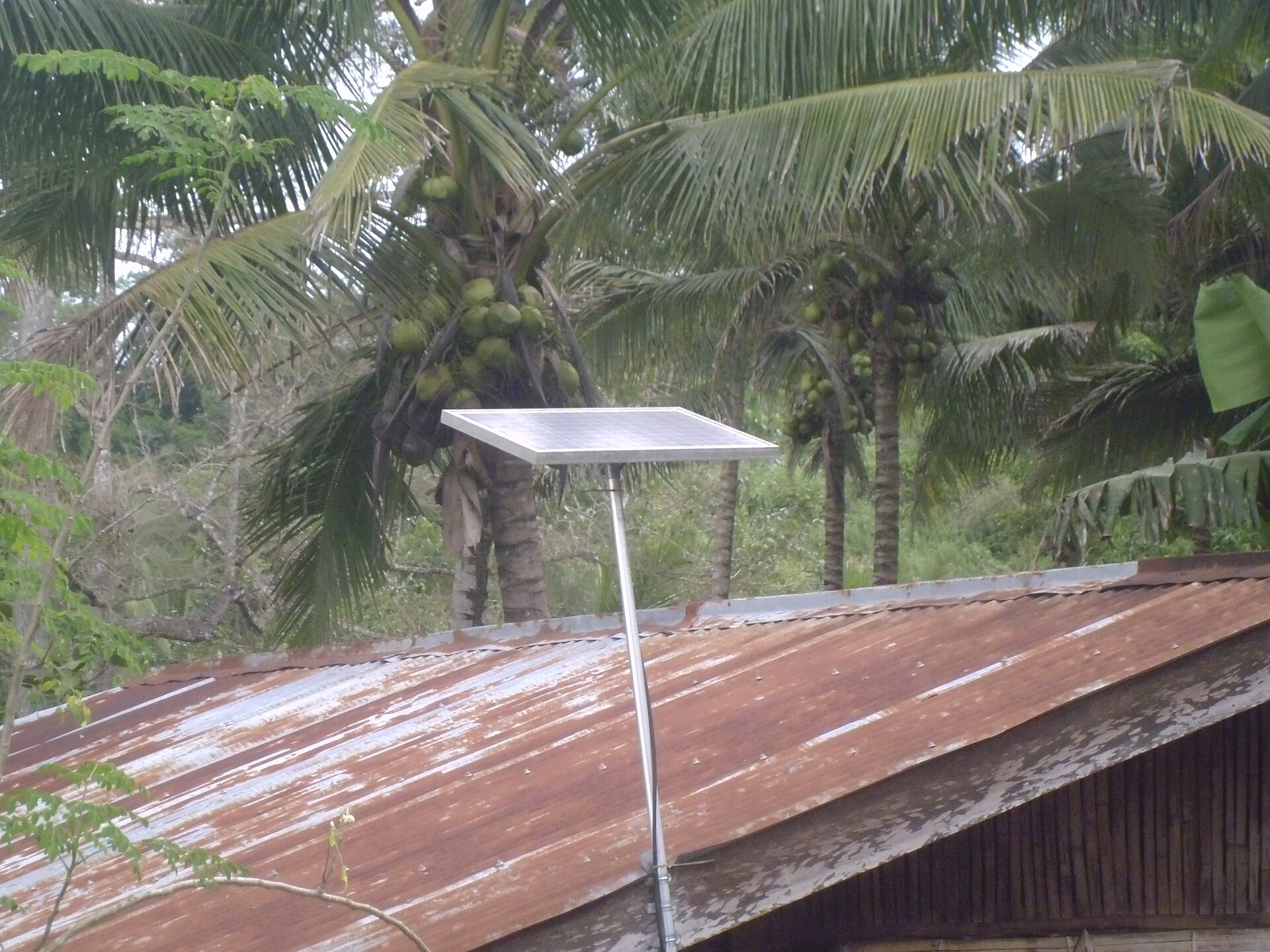
Solar panels last 25–30 years, so the installations of the 2010s are heading for retirement. Alberta is the first jurisdiction in North America to put a mandatory recycling programme and a landfill ban in place before that wave arrives.
What the programme does
Run by the Alberta Recycling Management Authority, it adds a $14 fee to every new panel sold from October 1, 2026 — about $280 for a 20-panel home system. The fee funds collection, transport and recycling. Panels can no longer be landfilled.
How a panel is taken apart
A typical crystalline silicon panel is an aluminium frame, a glass front sheet (around 75% of the weight), silicon cells sealed in EVA encapsulant, a polymer backsheet, and silver and copper contacts — all laminated together.
- Frame off. The aluminium frame is removed mechanically and sold as scrap. The easy part.
- Glass recovery. Glass is separated and crushed to cullet, but EVA residue often contaminates it.
- EVA removal. The hard part. Heating to around 500 °C burns the EVA off (releasing VOCs), or solvents dissolve it.
- Silicon. Wafers are recovered intact for lower-grade reuse, or melted for feedstock.
- Metals. Silver and copper are recovered by acid leaching or smelting. A panel holds roughly 5–10 g of silver.
The fee fight
$14 per panel is what it takes to build recycling capacity.
Research commissioned by the Canadian Renewable Energy Association put recycling cost at about $5 per module. The government has not shown how it reached $14.
Solar Alberta says the fee adds roughly 10% to system costs. The minister argues recyclers need scale, cites $40 per panel to ship old modules to the U.S., and says savings will be passed on if processing comes in under $14.
The structural gaps
- No plants announced. The fee is being collected before any processing capacity exists.
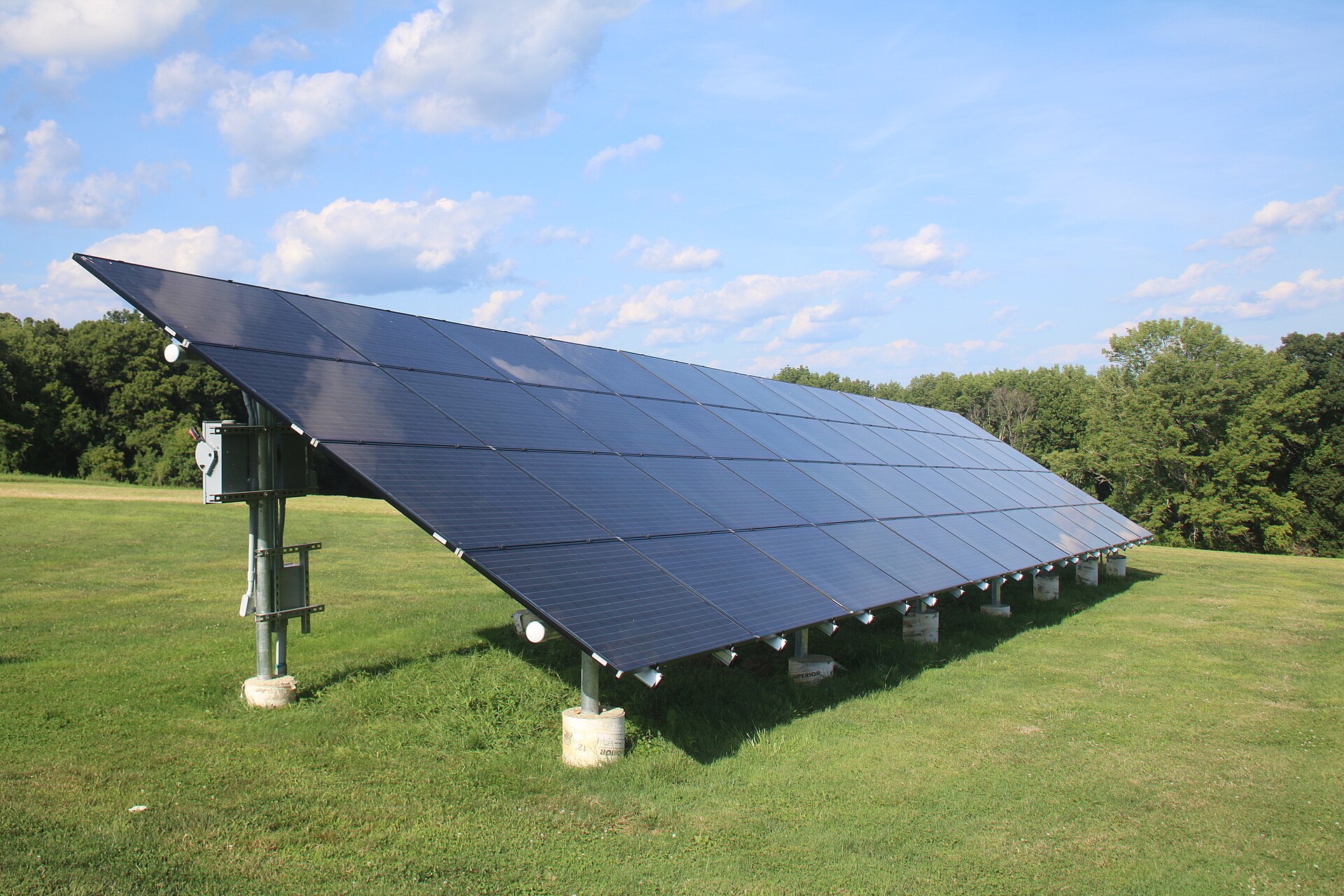
- Only new panels pay. Panels already on roofs and fields — the bulk of the 73,000 t — fall outside the funding.
- Economics of the laminate. Unless EVA separation gets cheaper, recovered glass stays low-value.
Why it still matters
Proactive EPR is rare; most programmes arrive after the waste. Alberta has at least created a funding mechanism and a legal floor. Whether it builds an industry or just a surcharge depends on disclosure of the fee maths and the first processing contracts.
References and image credits›
- 01ConstructConnect — Alberta bans solar panels from landfills, launches first recycling program
- 02Recycle Alberta — Program announcement
Photo: Aluminiumhütte Rheinfelden, public domain · Photo: Grendelkhan, CC BY-SA 4.0