
The Recycling Partnership's 'Evolving Ton': excellent data, no prescription
Cartons up 61%, mixed paper down 34%, plastics now outweigh paper in U.S. recycling. The new report is the best picture of the bin we have — and says almost nothing about what to do.
The Recycling Partnership's second 2026 State of Recycling instalment, "The Evolving Ton", draws on more than 9,000 programmes covering 97% of the U.S. population. It shows how the household stream has changed since 2020. The diagnosis is strong. The treatment plan is missing.
What changed per household, 2020–2026
| Material | Change |
|---|---|
| Cartons | +61% |
| Non-bottle PET | +48% |
| Polypropylene | +47% |
| Aluminium foil and trays | +44% |
| Non-bottle HDPE | +38% |
| Cardboard | +32% |
| Aluminium cans | +18% |
| Film and flexibles | +15% |
| Glass | −28% |
| Mixed paper | −34% |
Despite 8.5 million more households, total traditionally collected material fell 3.7 million tons (8%). Cardboard, metals and plastic containers rose from 39% to 51% of that material. Households will generate 51.5 million tons of packaging and printed paper in 2026.
What the report argues
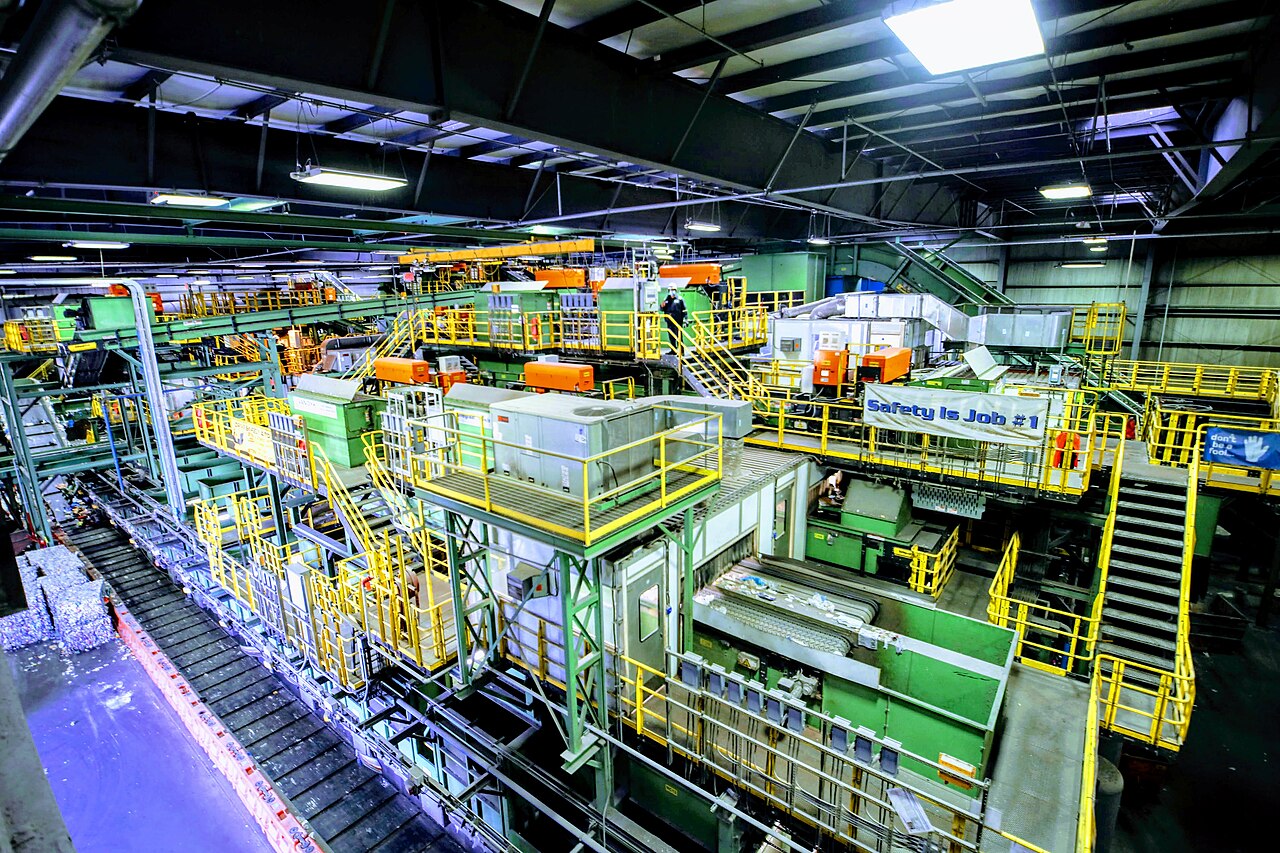
Packaging is changing faster than the sorting plants built for it. Many MRFs were designed decades ago for a heavy, paper-and-glass stream. Lighter substrates and flexibles add complexity they were never engineered for. The report calls for "investment and innovation comparable to the changes occurring in the material stream".
What it leaves out
The system needs investment and innovation to keep up.
The report offers no cost estimate, no infrastructure list, no policy proposal and no roadmap.
- The 8% drop is ambiguous. It may reflect lightweighting — less material per pack — rather than less packaging. The report does not separate the two.
- Self-reported data. Built on the Partnership's own database; no peer review or independent verification is mentioned.
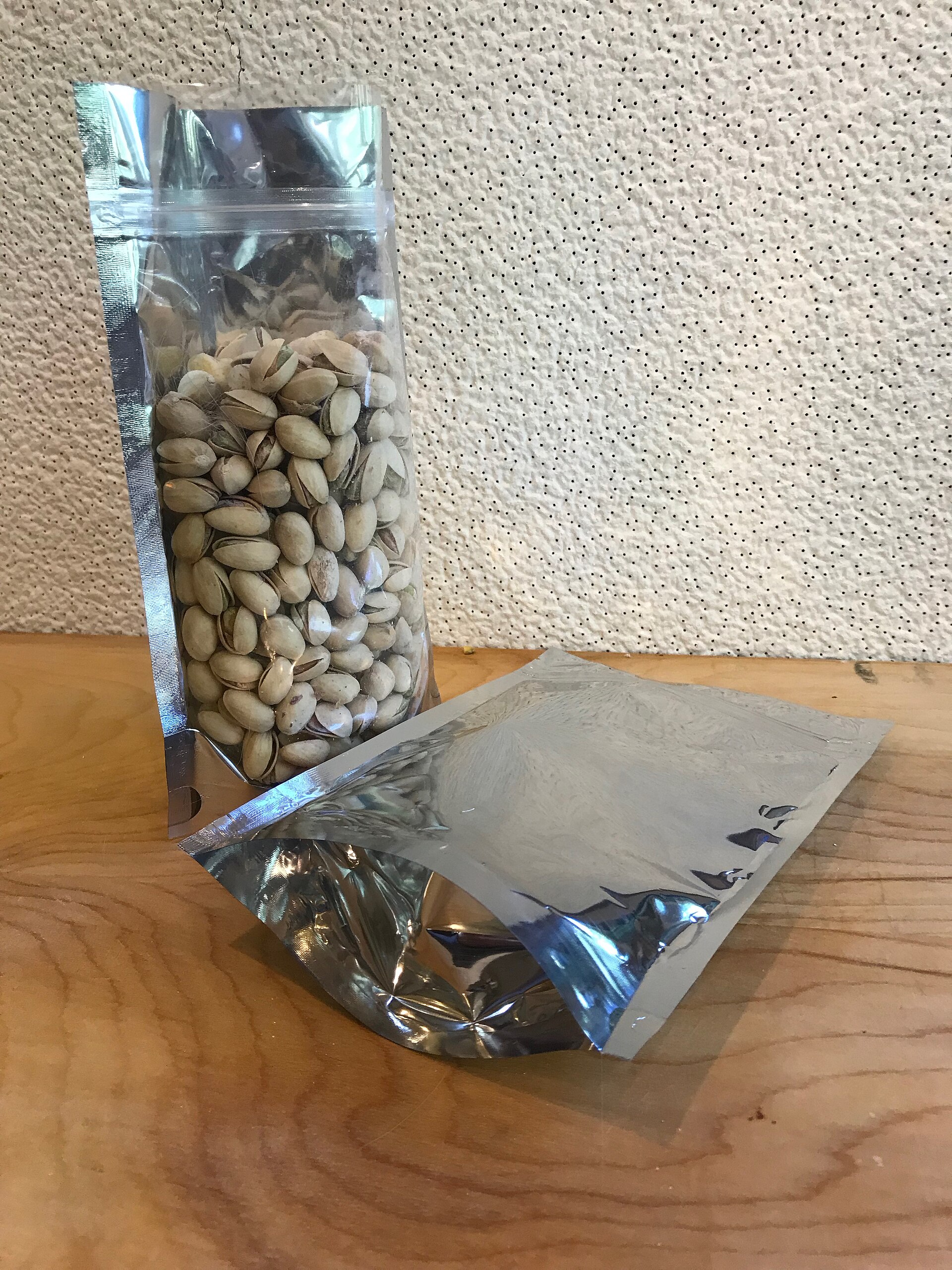
- The core tension goes unnamed. Producers lighten and layer packaging to save freight and hit targets; those same formats are harder to sort. The recycling system is asked to adapt to choices it does not control.
Why it is still worth reading
The per-household trend data is exactly what MRF operators, EPR designers and packaging teams need. The EPR-versus-non-EPR framing also matters: material crosses state lines, so progress in a handful of EPR states cannot fix a national system. A follow-up webinar on October 1 may add the prescription. Until then, this is a very good X-ray, not a treatment.
References and image credits›
- 01The Recycling Partnership — Changing Mix of Household Packaging and Printed Paper
- 02Waste Dive — Packaging has changed. Recycling systems haven't kept up
Photo: Walmart Corporate, CC BY 2.0, via Wikimedia Commons · Photo: Wikimedia Commons, CC BY-SA 4.0