
Myth: if you drop off e-waste at a recycler, it gets recycled
A Basel Action Network investigation found eight of ten U.S. firms shipping e-waste to Southeast Asia held R2v3 'responsible recycling' certification. Here is where drop-off electronics can really end up.
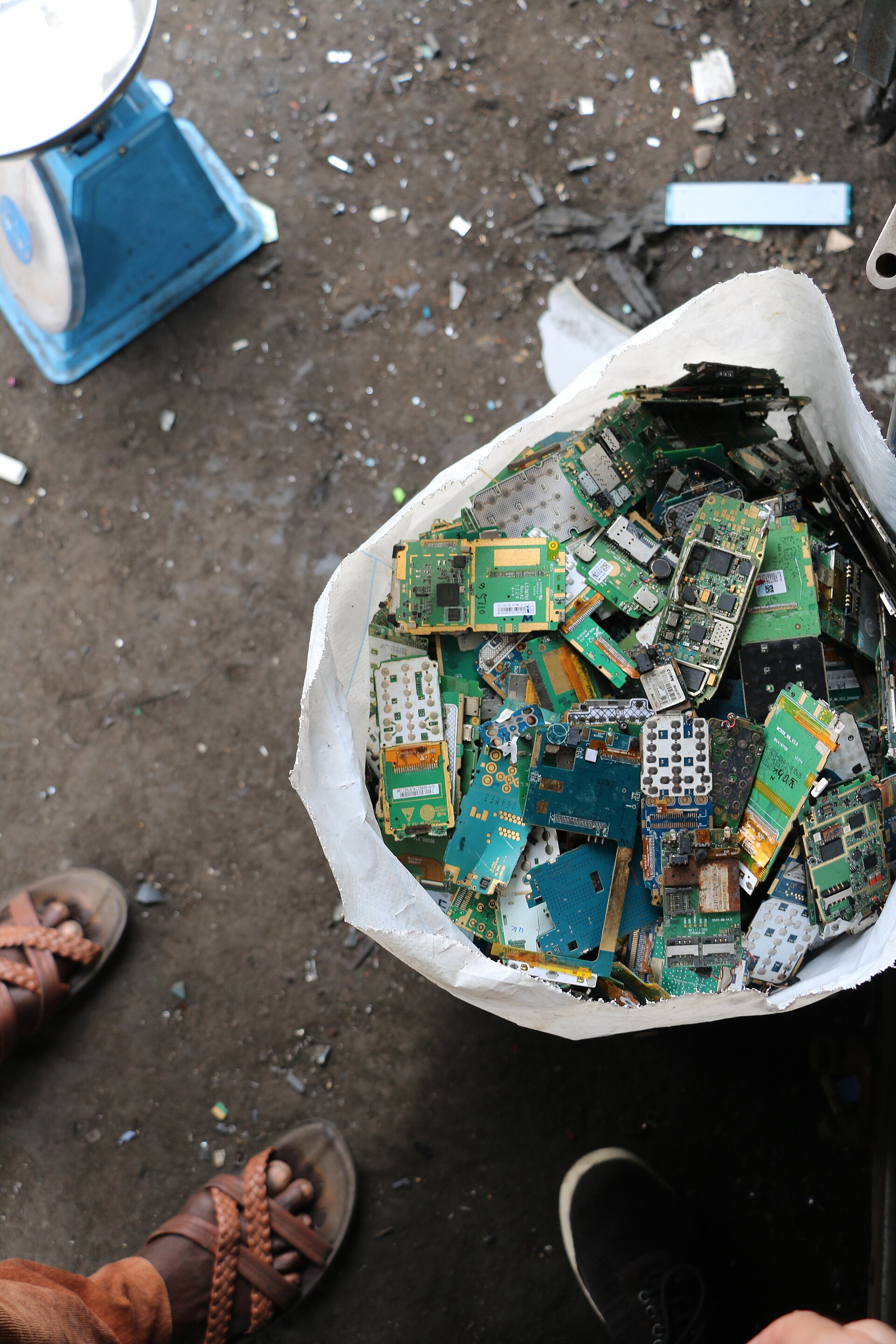
Drop an old phone or laptop at an e-waste point and it is responsibly recycled — metals recovered, hazards handled, loop closed.
A significant share of collected e-waste is exported, often illegally, to countries where it is burned or acid-stripped in informal yards. Certification has not stopped it.
The Brokers of Shame
The Basel Action Network (BAN) identified ten U.S. companies routing American e-waste to Indonesia, the Philippines and Thailand. Eight held R2v3 certification — the industry's "responsible recycling" standard — while marketing themselves with words like circular economy and ESG.
The scale
- Malaysia inspected over 1,000 suspect containers (2023–2025), confirmed ~700 as waste and repatriated ~134.
- Thailand received ~700 containers of e-waste and plastic across 13 BAN notifications (April 2025–June 2026).
- Indonesia's Batam case involves 914 containers; 782 are still piled at the port.
- The Philippines saw a 350% rise in waste shipments into its free port zone.
How it slips through
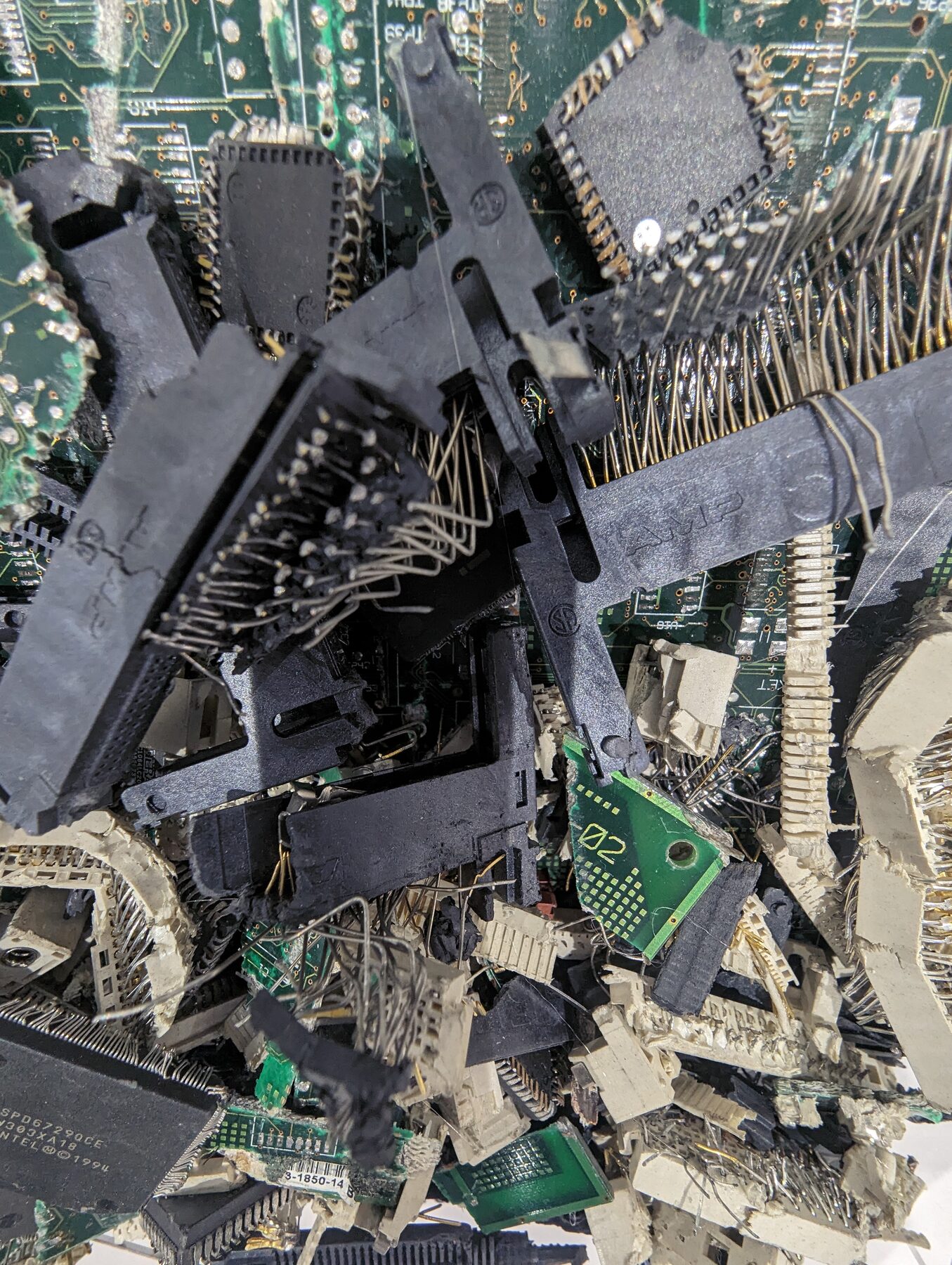
The Basel Convention e-waste amendments took effect in January 2025, requiring prior informed consent for all e-waste exports. But the U.S. is not a Basel party, so exports to party countries are illegal without a bilateral agreement that does not exist. Enforcement is weak: shipments are declared under aluminium scrap codes (HS 7601, 7603) instead of the e-waste code (HS 8549). A 2026 study found the consent-based framework is "more often exploited for hazardous waste export" than used to stop it.
When one country cracks down, brokers move. After Thailand, Malaysia and Indonesia tightened up, flows shifted to the Philippines, Pakistan, India and the UAE.
The human cost
At the far end: open burning to recover copper, acid baths for gold, dumped residues. Workers — including children — are exposed to lead, mercury, cadmium and flame retardants. Indonesia has had e-waste warehouse fires linked to lithium batteries.
What actually helps
- Keep devices longer and repair them. The most reliable way to keep e-waste out of informal yards is to create less of it.
- Ask the recycler where downstream material goes — by name and country — not just which certificate they hold.
- Support mandatory domestic processing. Malaysia's absolute import ban (April 2026) and BAN's "Can Opener" tracking show enforcement can work when it is specific.
Drop-off is better than the bin. It is not a guarantee.
References and image credits›
- 01Geneva Environment Network — E-waste trafficking out of control one year after Basel amendments
- 02Discover Sustainability — Impact of the Basel and Bamako conventions on hazardous waste trafficking
Photo: Syced, CC0, via Wikimedia Commons · Photo: Bill Harrison, CC BY-SA 2.0