
Indonesia's BRIN plan: waste to syngas, carbon nanotubes and captured CO2 — how each step works
BRIN is assembling AI sorting, gasification, plastic-to-nanotube conversion at 1,600 °C and calcium looping into one pipeline. Here is the chemistry of each stage and how much of it exists.
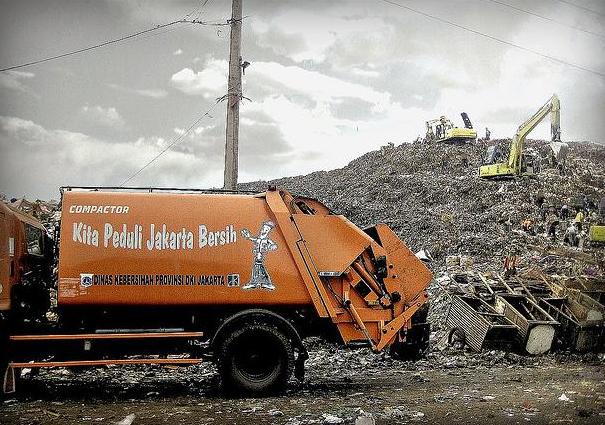
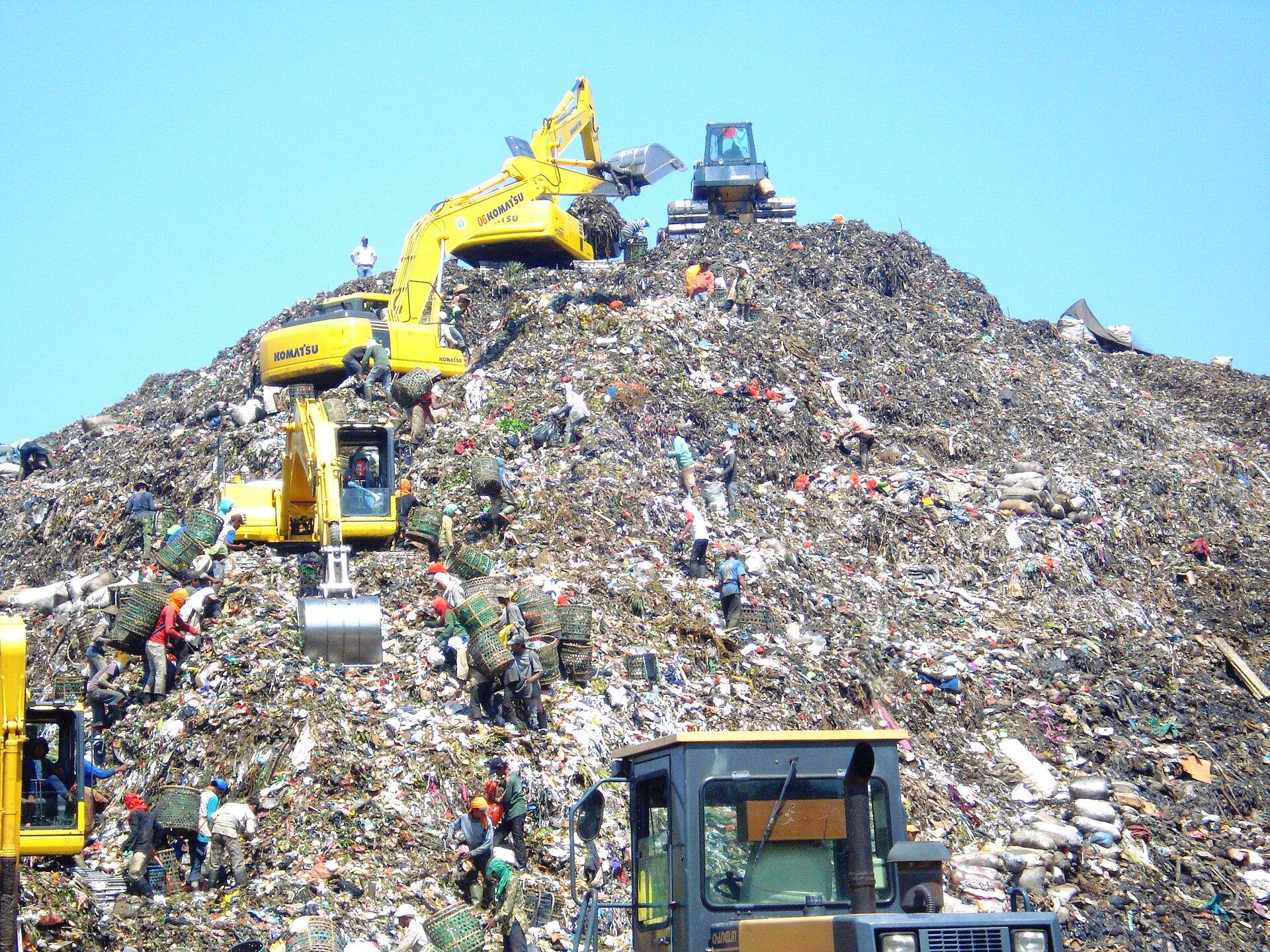
Between 50% and 65% of Indonesia's waste is still unmanaged — dumped or burned. The national research agency BRIN, through its Research Center for Energy Conversion Technology, is developing an integrated system that tries to recover energy, materials and CO2 from the same stream.
The pipeline
- AI sorting. Automated sorting separates the stream and produces refuse-derived fuel (RDF). Phase 1 is complete; a facility is planned in Parepare, South Sulawesi.
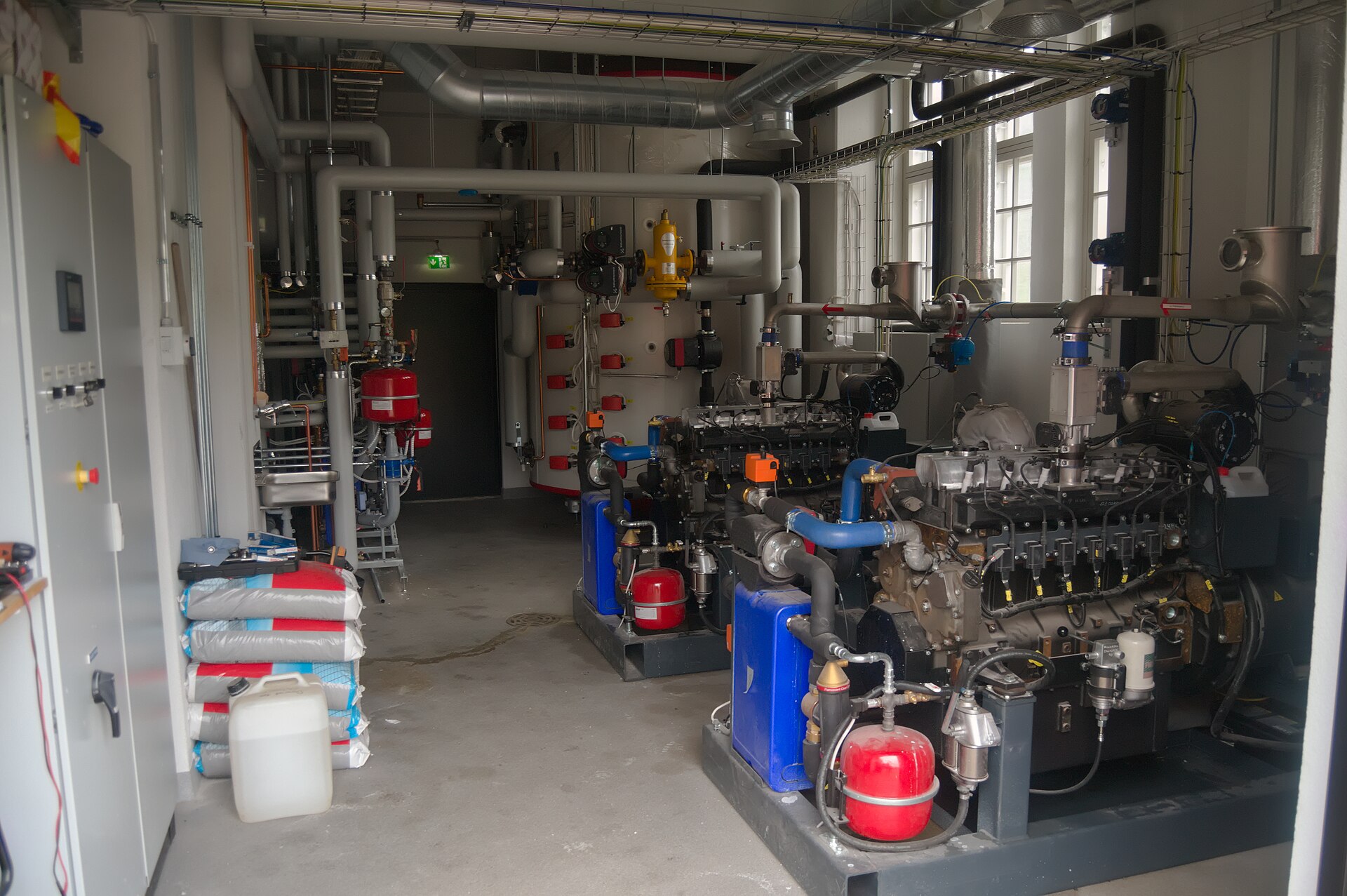
- Gasification. RDF and biomass are heated with limited oxygen. Unlike incineration, this breaks waste into syngas — hydrogen, carbon monoxide and methane — usable for power or chemicals.
- Plastic to carbon nanotubes. Plastic is processed at 1,600 °C into carbon nanotubes, prized in composites, electronics and batteries.
- By-products. Tar and char are turned into insulating materials said to match commercial composites.
- Calcium looping. With the University of Waterloo: calcium oxide absorbs CO2 from hot exhaust to form calcium carbonate, which is then heated to release pure CO2 and regenerate the oxide. BRIN claims up to 90% capture.
- Direct air capture. With Universitas Indonesia, a solvent-based system to pull CO2 from ambient air.
Why the combination is interesting
Conventional waste-to-energy struggles on economics. Nanotubes are a high-value product that could change that. Calcium looping is also transferable to cement kilns, one of the largest industrial CO2 sources.
What exists and what does not
The system could cut methane and CO2 emissions by up to 90%.
That is a projected potential. No integrated facility operates yet; only the first sorting phase is complete.
- Energy at 1,600 °C. The input energy for nanotube production could exceed the product's value; no yield, purity or economics are published.
- Sorbent poisoning. 90% calcium-looping capture is a theoretical figure. Real gasifier exhaust carries tars, particulates and trace contaminants that degrade sorbents.
- Captured CO2. Where it goes — storage, use or release — is not stated.
- Money and dates. No funding amounts or construction timelines.
The read
The chemistry of each step is established somewhere. Chaining them around messy municipal waste is the untested part. The first data to watch is the Parepare sorting plant's RDF quality — everything downstream depends on it.
References and image credits›
- 01RRI — BRIN develops carbon capture technology to tackle Indonesia's waste crisis
- 02Suara.com — BRIN kembangkan teknologi gasifikasi untuk ubah sampah
Photo: Antti Leppänen, CC BY 4.0 · Photo: 22Kartika, CC BY-SA 3.0, via Wikimedia Commons