
The recycling black sheep: sorting the film that optical sorters cannot see
Flexible film and black plastic defeat the two technologies a modern sorting plant relies on. A Finnish process uses density and water instead — and a 50,000-tonne plant is being built around it.
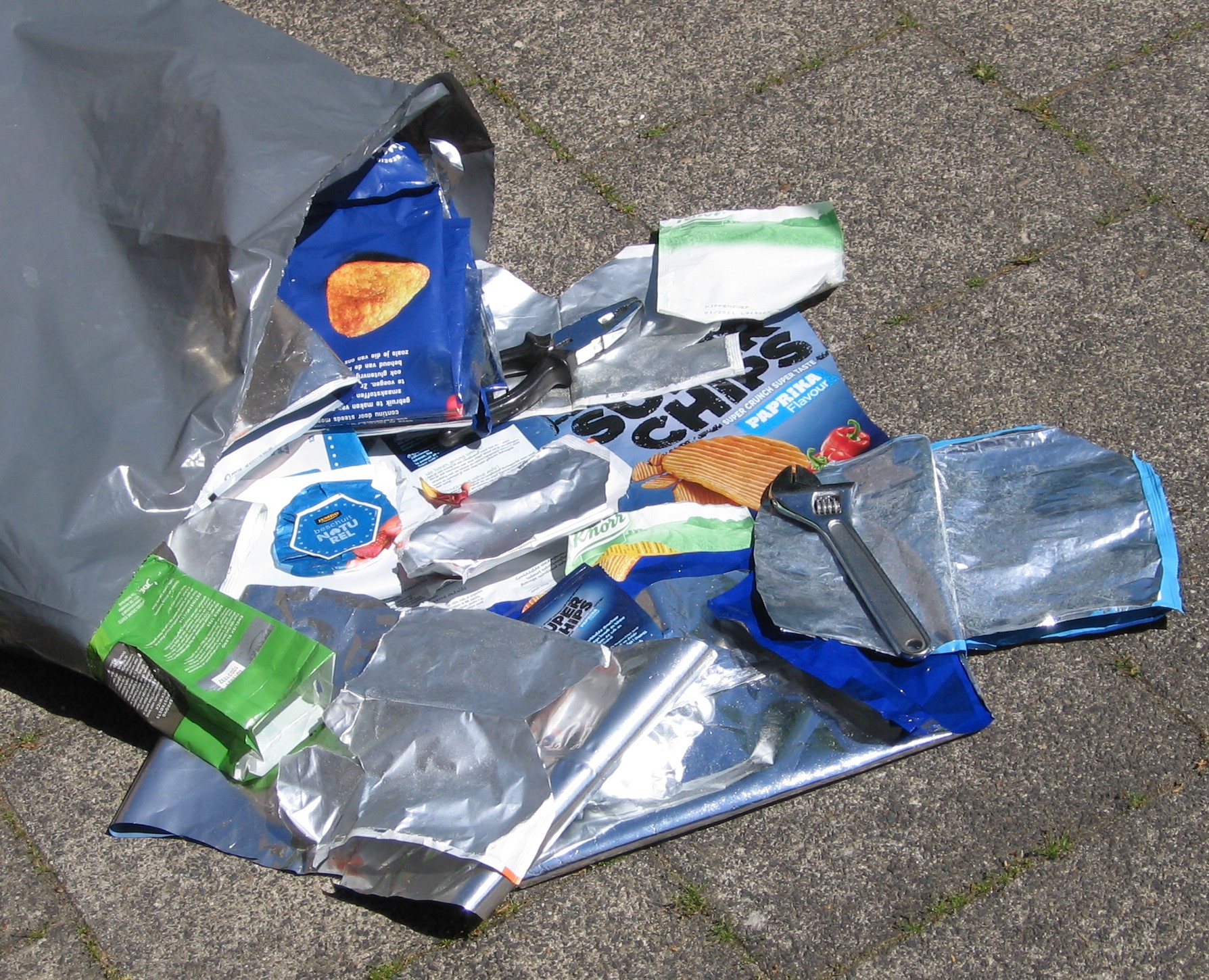
Two materials break a modern materials recovery facility, and they break it in different ways.
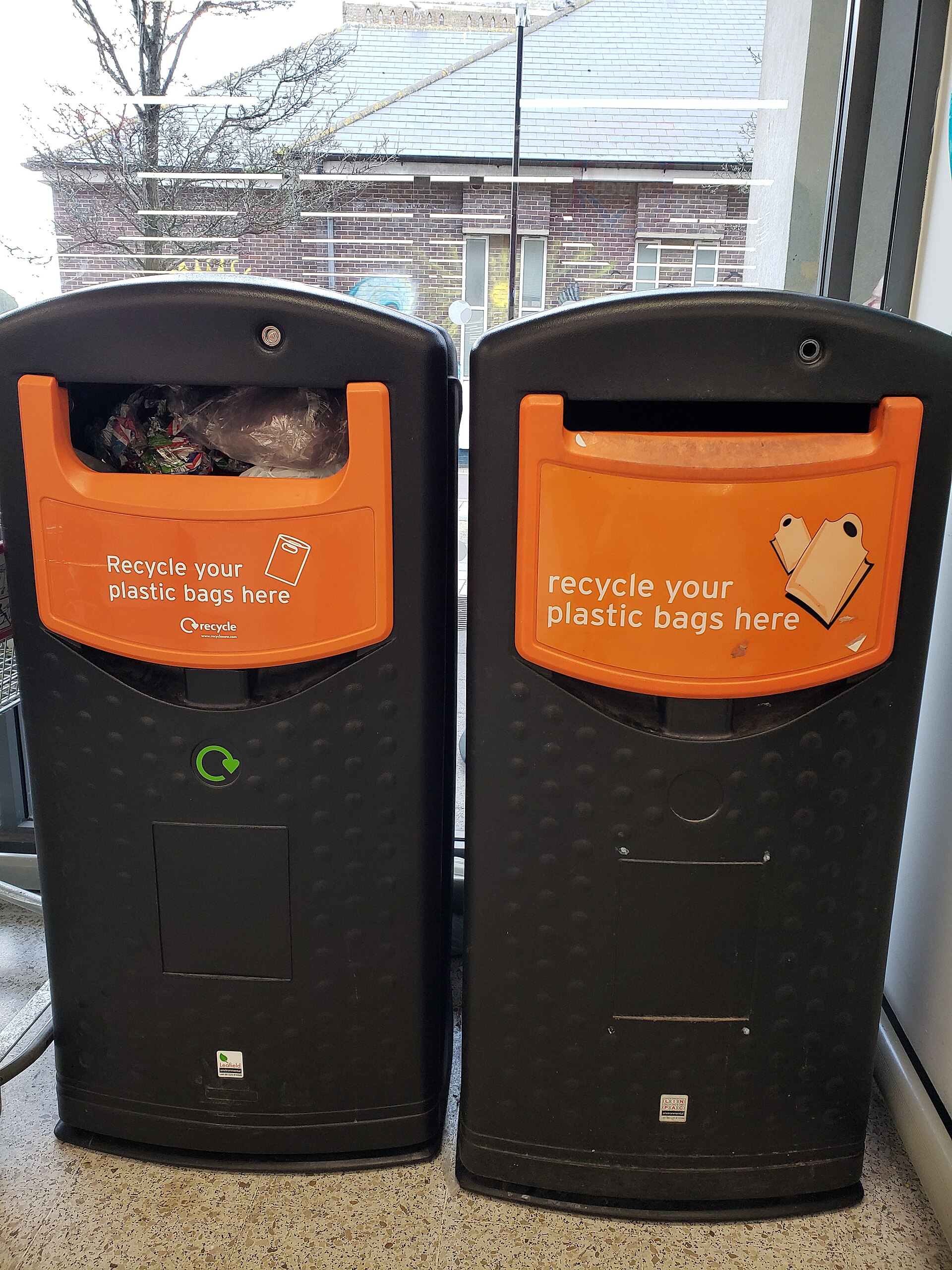
Flexible film is light and aerodynamic. It rides the air classifier wrong, wraps around shafts and screens, and blinds the equipment behind it. Black plastic absorbs near-infrared light, so the optical sorter that identifies every other resin sees nothing at all and lets it pass to residue.
Between them they account for a large share of the plastic that is collected, counted, and then landfilled or burned.
Stop looking, start floating
The Finnish BOSS process — Better Optimized Sorting Solutions, developed with LUT University and commercialised by Syklo — sidesteps optical identification entirely. Instead of asking what colour something is, it asks how dense it is.
Polymers have distinct densities. Polyethylene and polypropylene float in water; PET, PVC and PS sink. Put shredded mixed plastic into a water bath and physics does the sorting, regardless of colour, print, or how thin the material is.
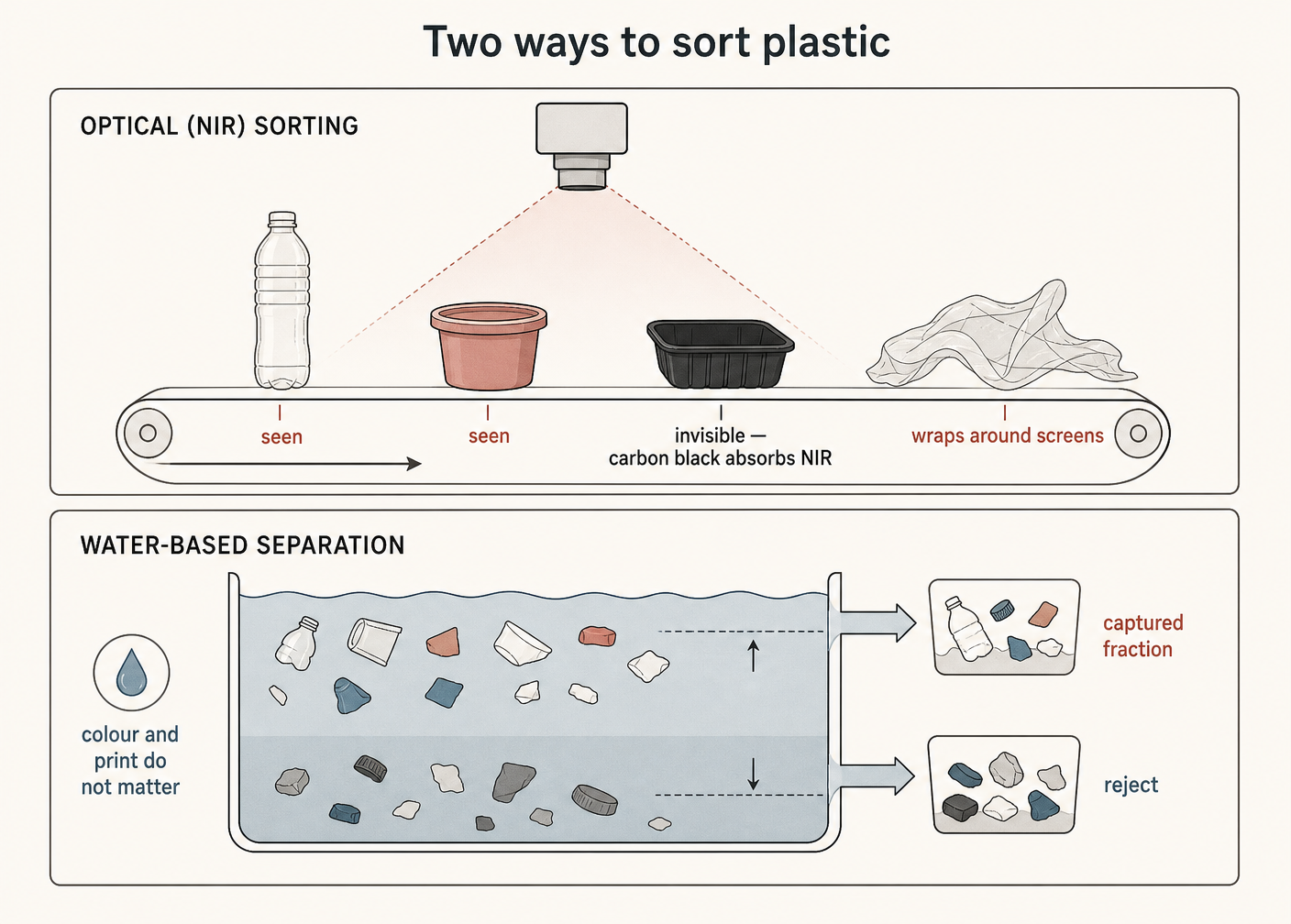
Sink-float separation is not new — it is standard practice in metals and minerals processing, and in some plastics lines. What is new is applying it as the primary sorting stage for exactly the two fractions that defeat everything else, and building a commercial plant around that choice.
The plant
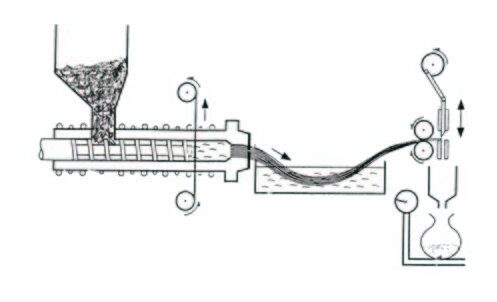
The plant is aimed at flexible packaging and black plastics specifically, in a country with a well-organised collection system feeding it. That last point matters more than the technology: a sorting process is only as good as the material arriving at the door.
The limits worth naming
Density overlaps. Polymers whose densities are close, and multi-layer laminates that combine several resins in one film, do not cleanly separate by flotation. Multi-layer barrier packaging — the crisp packet, the pouch — is the hardest fraction in the entire plastics system and density separation does not solve it.
Contamination. Food residue, labels, adhesives and inks all shift effective density and reduce purity. Film arrives dirtier than rigid plastic almost by definition.
Water. A wet process needs water treatment and drying. Neither is free, and drying thin film to a spec suitable for extrusion is energy-intensive.
Recycled into what?
The recurring question with film. Recovered polyethylene rarely goes back into food-grade packaging; it goes into refuse sacks, damp-proof membrane, pallet wrap and plastic lumber. That is downcycling — useful, and better than combustion, but it does not close a loop.

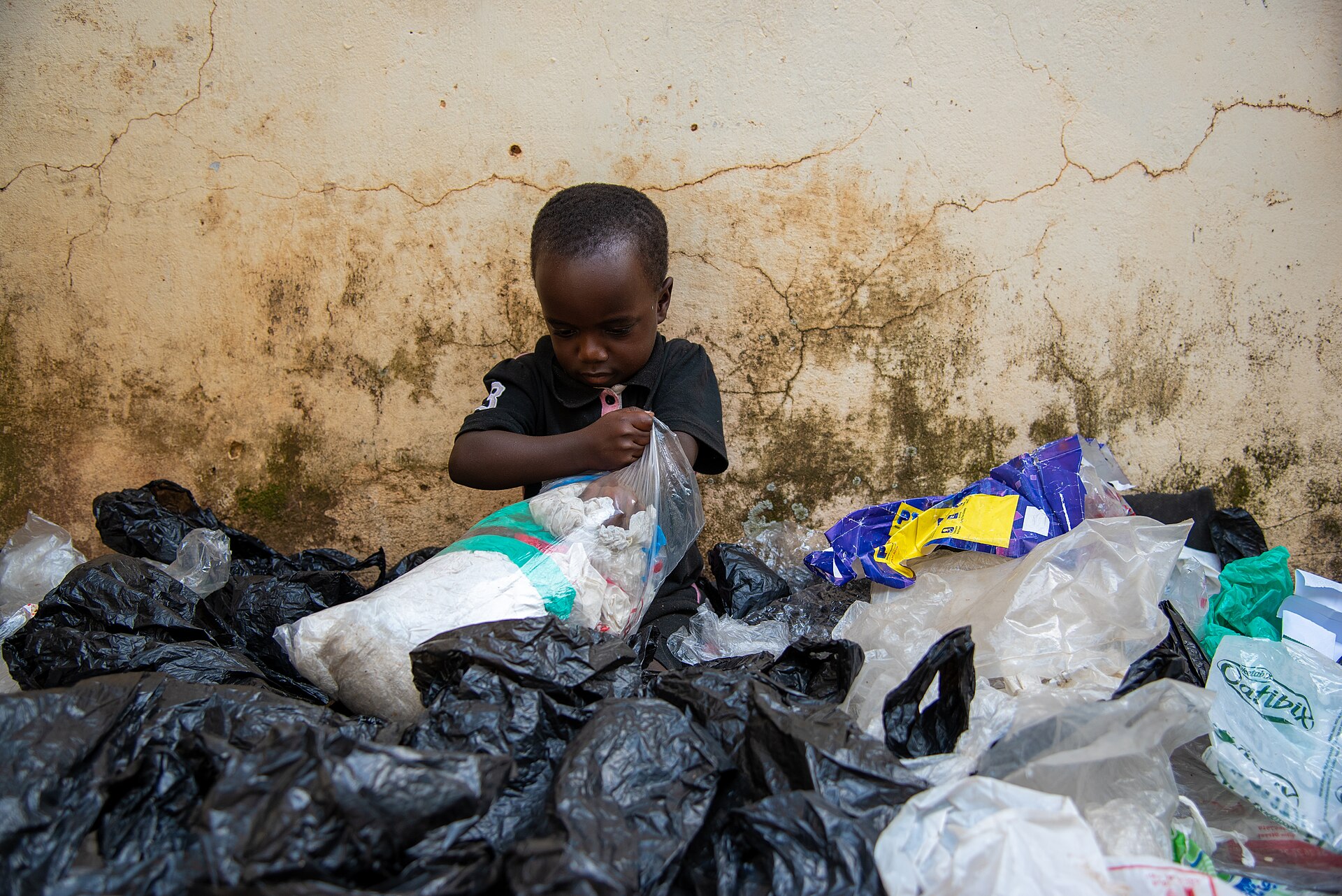
And the collection bottleneck sits upstream of all of this. A 50,000-tonne sorting plant needs 50,000 tonnes of film to arrive. In most jurisdictions, kerbside systems reject film outright and the drop-off networks that exist capture a small single-digit percentage of what is sold.
Why it still counts
The system currently has no answer for film and black plastic. A process that works on physical properties rather than optical ones is the right shape of answer, and Finland is a sensible place to prove it — high collection rates, industrial infrastructure, and policy pressure from EU recycled-content targets.
The honest framing is that this is a promising commercial-scale attempt at the hardest sorting problem in the sector, not a solved one. Watch for the first published purity and yield figures; they will tell you far more than the capacity number.
References and image credits›
Photo: Hansmuller via Wikimedia Commons, CC BY-SA 4.0 · Photo: via Wikimedia Commons, CC BY-SA · Photo: via Wikimedia Commons, CC BY-SA · Photo: Onthewings, CC0 · Photo: USFWS, public domain · Photo: via Wikimedia Commons, CC BY-SA