
California Recycles 37% of Its Carpet. That Number Took Fifteen Years
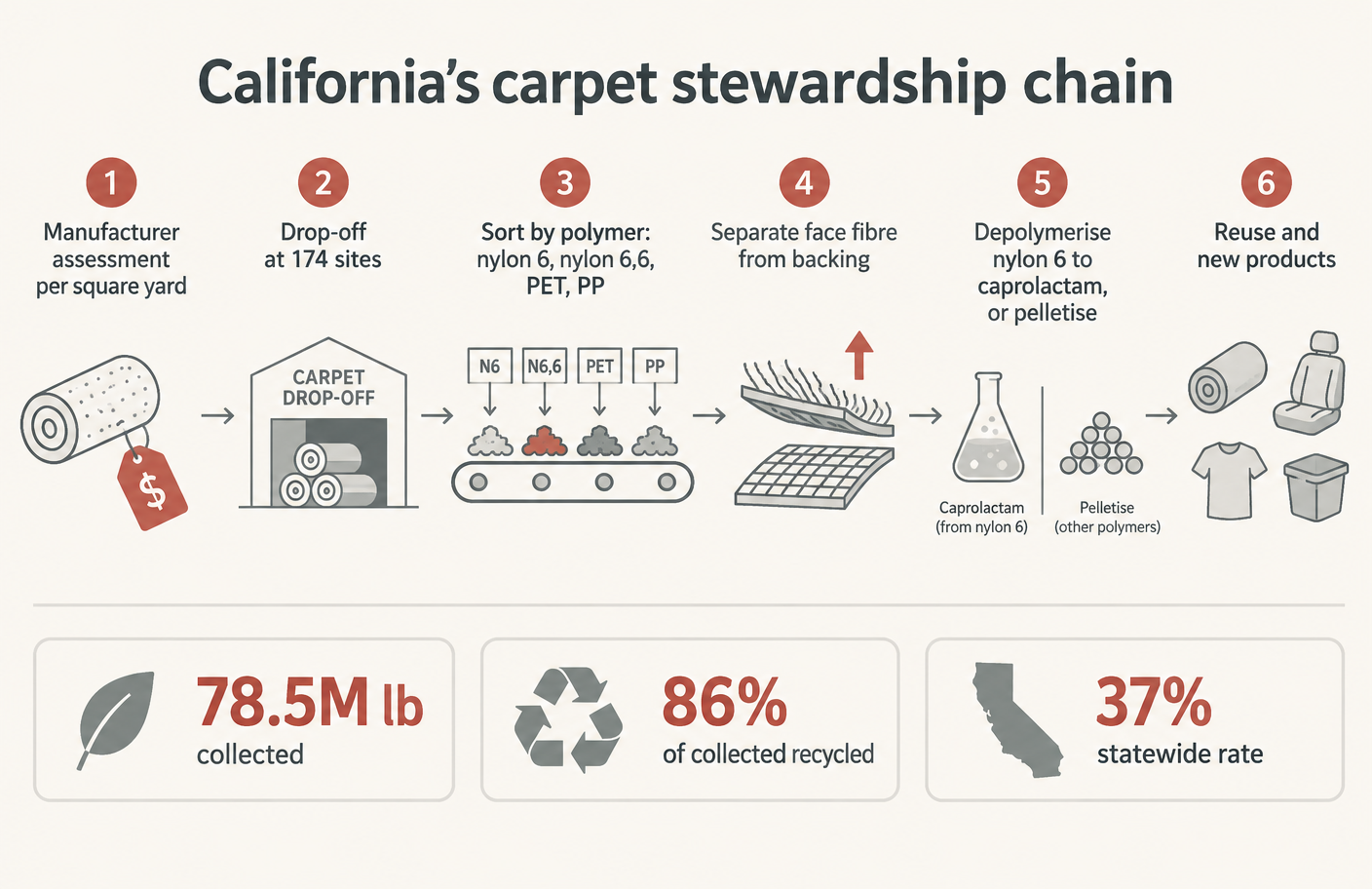
The first carpet EPR programme in the US now runs 174 drop-off sites and recycles 78.5 million pounds a year. It is also a lesson in how slowly EPR moves.
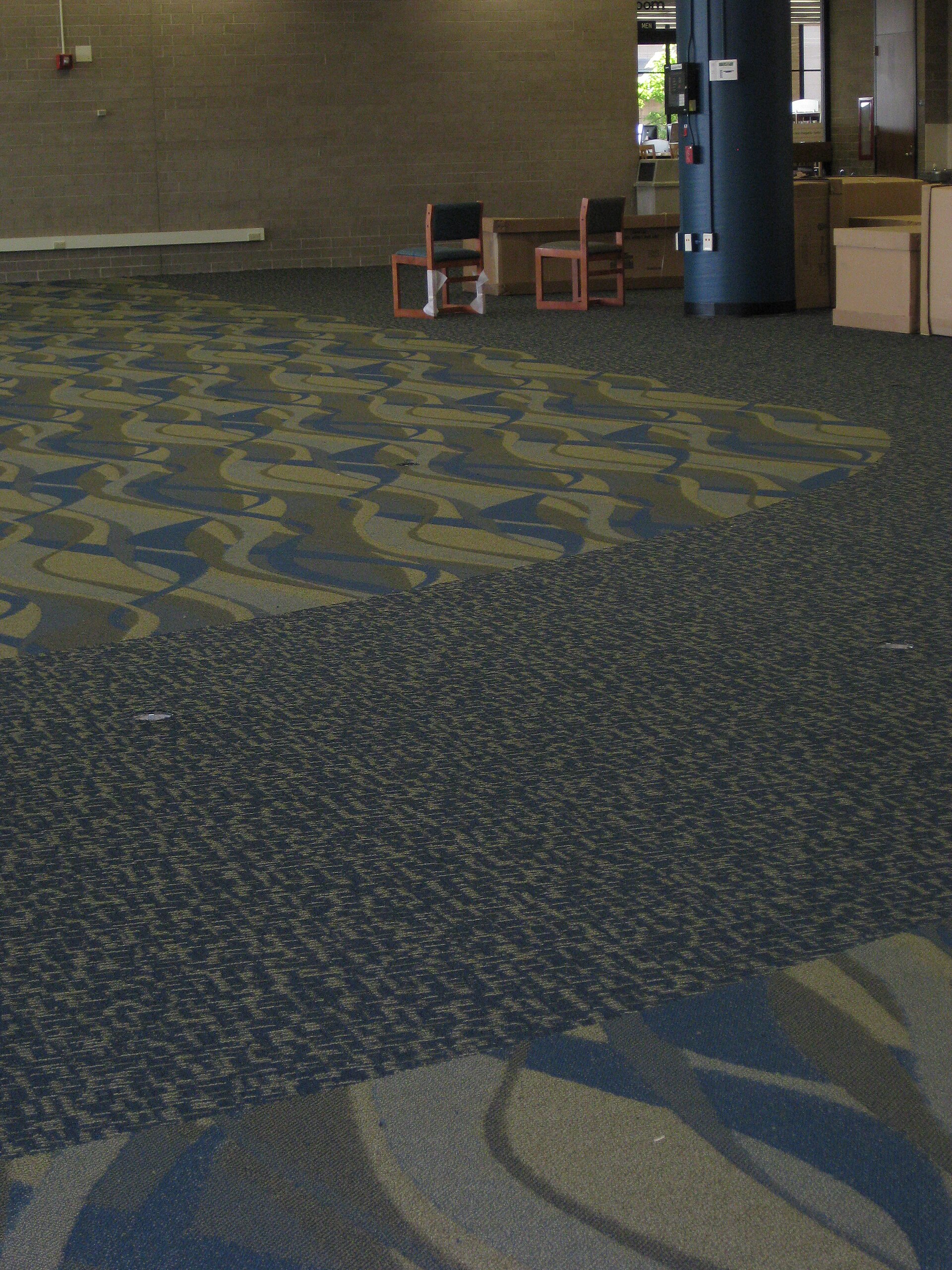
Carpet is one of the worst products to recycle: a laminate of face fibre, backing, adhesive and filler, glued together, installed for a decade and removed filthy. California made manufacturers responsible for it anyway.
How the programme works
Under AB 2398, carpet manufacturers fund and operate the recycling system through Carpet America Recovery Effort (CARE). A per-square-yard assessment paid at the point of sale funds collection infrastructure, subsidies to processors and a drop-off network.
The part that makes it work
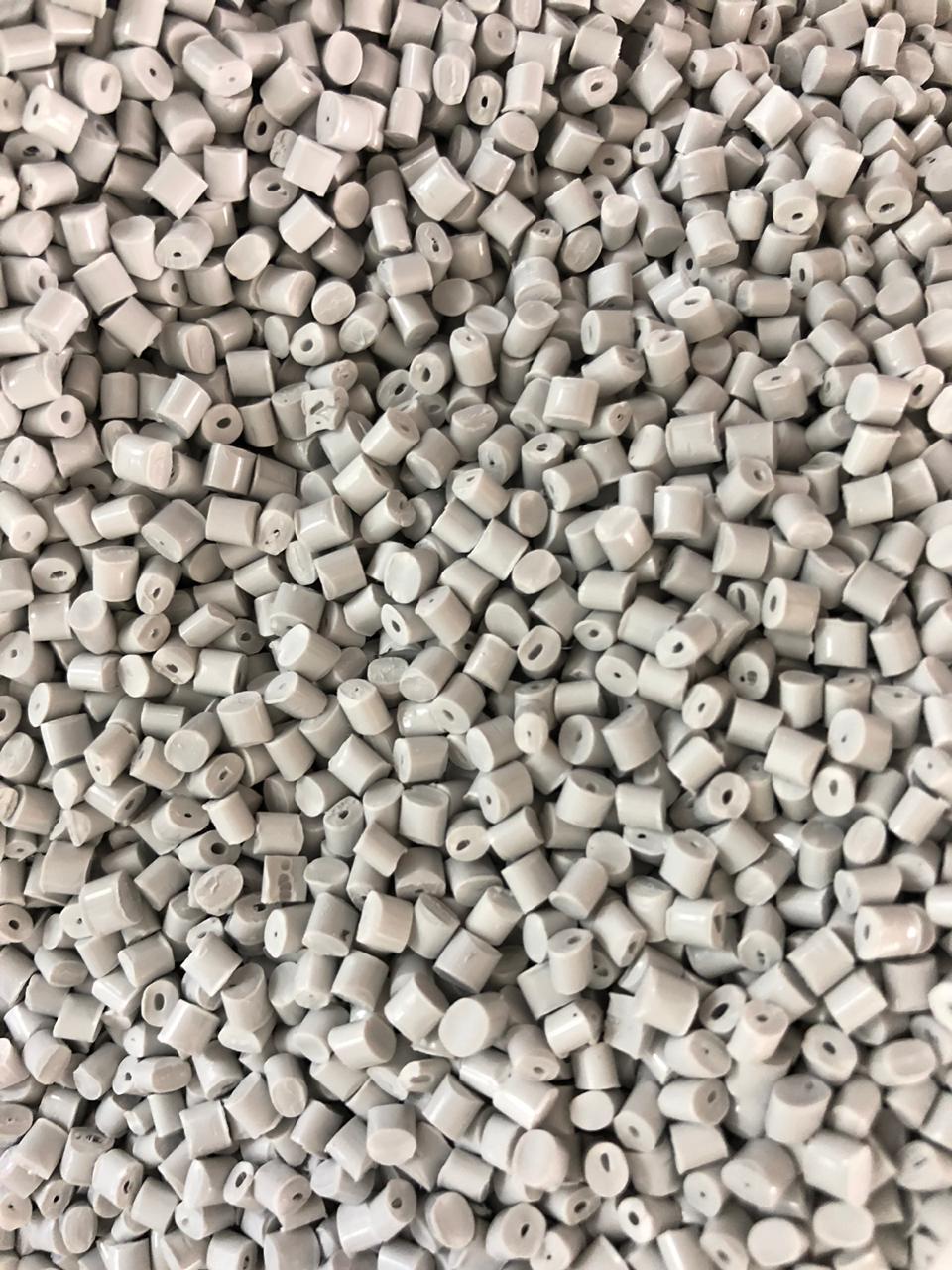
Subsidies. Recycled carpet fibre - mostly nylon 6 and nylon 6,6, recovered as pellets for automotive and industrial mouldings - does not reliably beat virgin resin on price. The per-pound subsidy CARE pays processors is what keeps the collection economics positive. Remove it and the rate falls.
Why 37% and not more
Three structural limits. Carpet is bulky and low-value per tonne, so haulage distance caps the catchment of any processor. Product design still favours materials that cannot be separated cleanly. And drop-off depends on installers choosing to divert rather than skip, which depends on the drop-off site being closer than the landfill.

What other states can take from it
That EPR works, slowly, and mostly by moving money. Fifteen years produced a functioning collection network and a real rate from a standing start - which is genuinely impressive and also a warning to anyone expecting a new EPR law to change outcomes within a budget cycle. New York, Illinois and others are drafting carpet stewardship bills; the California experience says budget for a decade and design the fee to actually cover the subsidy gap.
References and image credits›
Photo via Wikimedia Commons, CC BY 2.0 · Photo: Wikimedia Commons, CC BY-SA 3.0 · Photo: geograph.org.uk, CC BY-SA 2.0