
The EU wants 15% recycled plastic in new cars. Today it is 2.5%. Here is why the gap is so hard
The End-of-Life Vehicles Regulation mandates 15% recycled plastic from 2032 and 25% from 2036. To see why that is difficult, follow a car through the shredder.
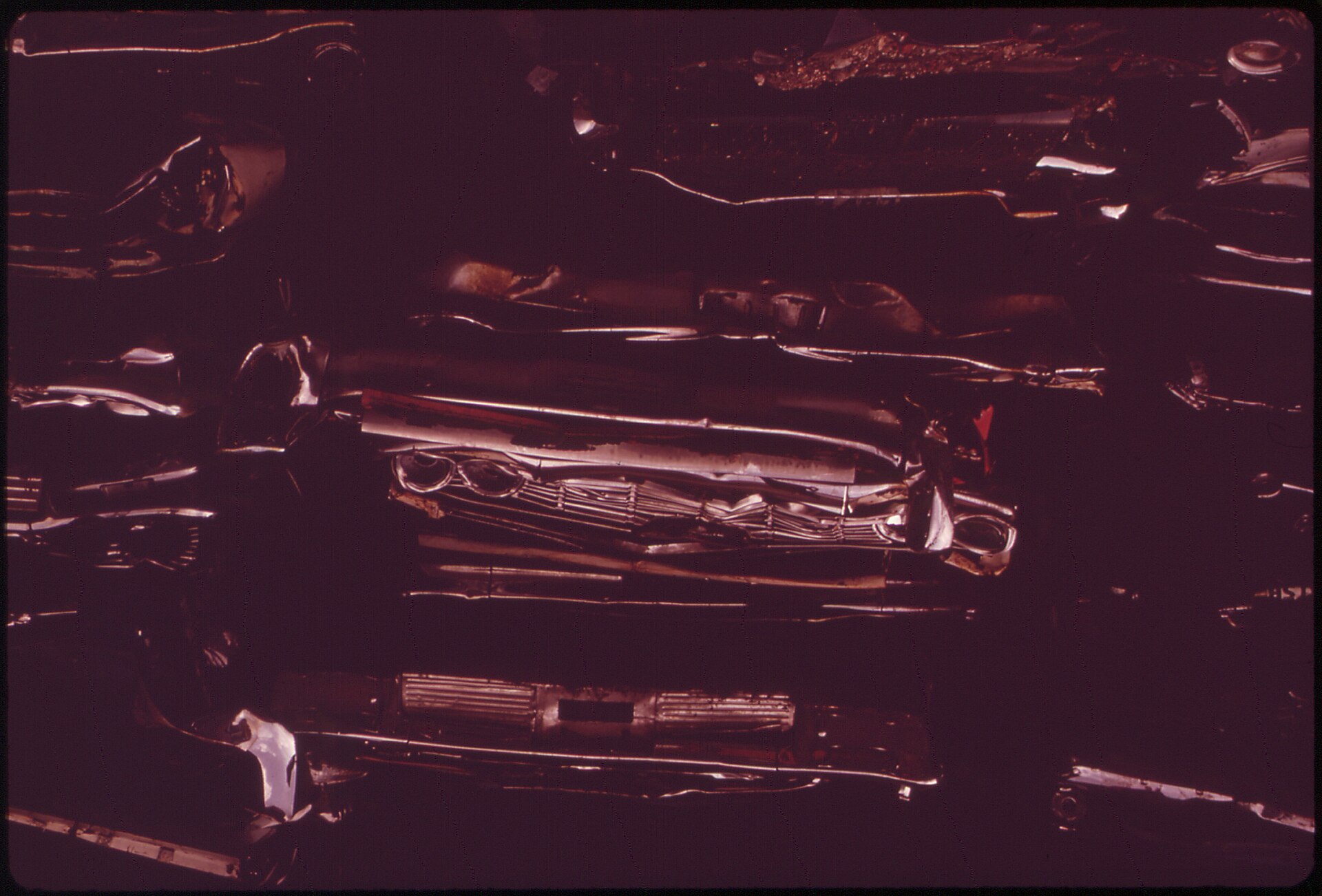
More than 800,000 tonnes of plastic from scrapped cars in Europe are burned or landfilled every year. Only 2.5% of the plastic recovered from old vehicles goes back into new ones. The EU's End-of-Life Vehicles Regulation (2026/1738), in force since August 2026, sets a target six times higher within six years.
How a car is recycled today
- Depollution. At an authorised treatment facility, batteries, fluids and tyres come out.
- Dismantling. Engines, catalytic converters, gearboxes and EV batteries are removed for reuse or recycling. Bumpers and dashboards can be pulled by hand, but that is labour-intensive and rare.
- Shredding. The remaining hulk goes through a hammer mill.
- Metal recovery. Magnets pull steel, eddy currents pull aluminium and copper. Up to 95% of the metal is recovered — this part works.
- Shredder residue. What is left is automotive shredder residue (ASR): 15–20+ polymers mixed with rubber, foam, glass, textiles, oil and dirt. Most of it is landfilled.
- Plastic recovery from ASR. Float–sink tanks, near-infrared sorting or solvent purification can pull some plastic out, but quality usually falls short of automotive specs.
- Chemical recycling. Pyrolysis or depolymerisation can handle mixed, dirty plastic — but Europe's capacity is about 0.29 million tonnes.

Why it is hard
- ASR is a mess. Many polymers, contamination, and years of UV and heat degradation.
- Specs are strict. Colour, mechanical properties and odour limits rule out a lot of recyclate for interiors.
- New supply chains. Carmakers have little experience buying recycled plastic at volume.
- Timing mismatch. Cars designed now reach end of life in 2035–2045. Recyclers want guaranteed feedstock; carmakers want guaranteed recyclate.
- Build time. New chemical recycling plants take three to five years each.

What the regulation gets right
Guaranteed demand is what recycling investment usually lacks. The ELVR also requires 85% of vehicle mass to be reusable or recyclable, 95% recoverable, and design for easier dismantling — fewer polymer types, modular parts. With around 10 million end-of-life vehicles a year in Europe, the auto sector could pull sorting and chemical recycling technology forward for everyone.
The next few years will show whether the mandate creates the infrastructure — or just a scramble for the same scarce recyclate.
References and image credits›
- 01Reuters — How the auto sector could be driving force in bid to scale plastic recycling
- 02European Commission — New rules for a more circular European automotive sector
Photo: David Stowell, CC BY-SA 2.0 · Photo: Wikimedia Commons, CC BY-SA 3.0