
MacroCycle and Meta: a recycling deal made of credits, not plastic
Meta will buy environmental attribute credits from MacroCycle's solvent-based PET recycling. The chemistry is novel. The plant does not exist yet, and Meta is not buying any recycled material.
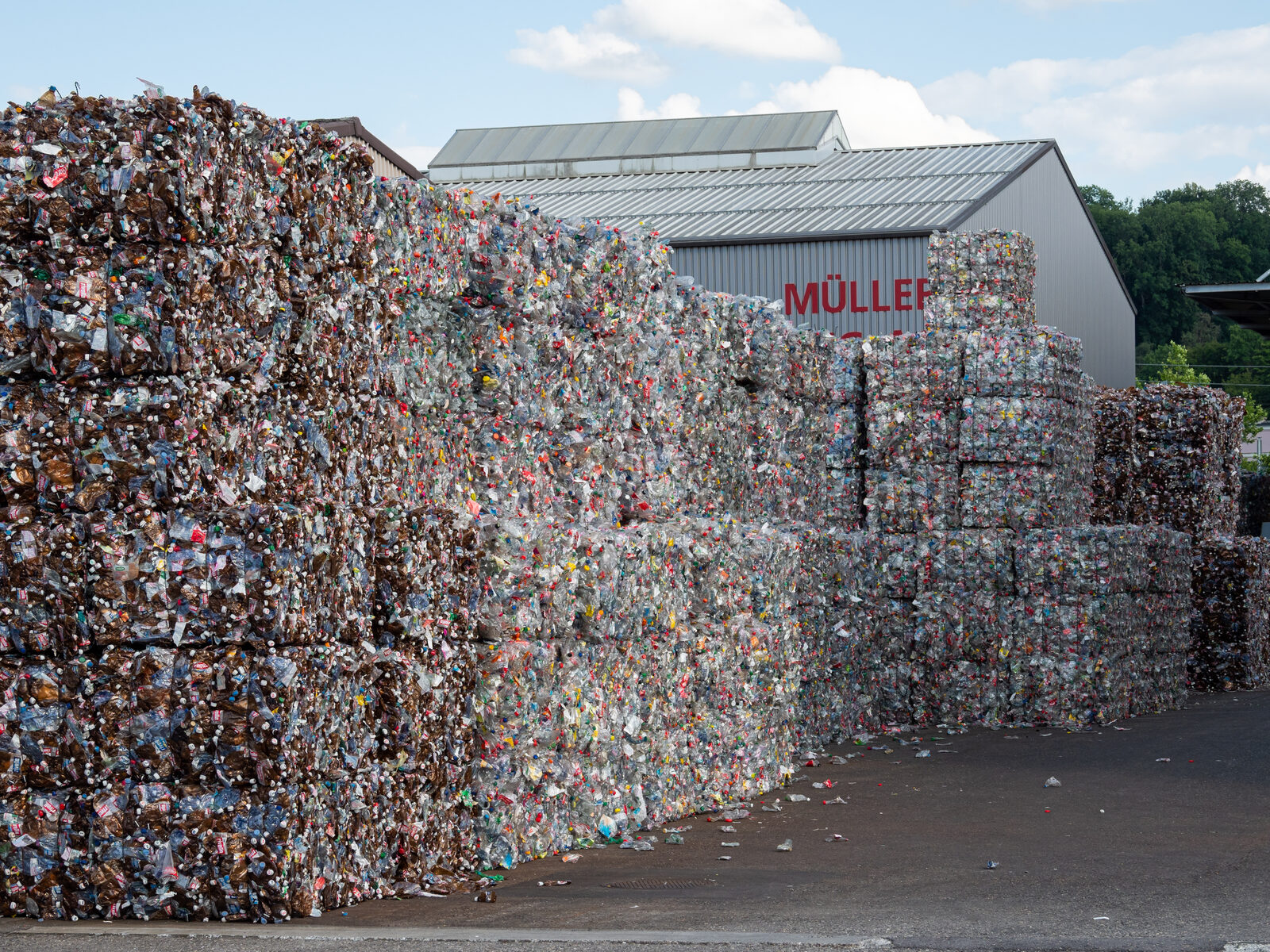
MacroCycle Technologies, a three-year-old Cambridge, Massachusetts startup, has signed a three-year deal with Meta. It is Meta's first purchase of environmental attribute credits (EACs), and the payments are meant to help finance MacroCycle's first commercial plant.
How the process works
- PET-containing waste, including textiles, is dissolved in a solvent.
- PET chains loop back on themselves to form rings — "macrocycles".
- Solvents wash away dyes, additives and non-PET material.
- The clean macrocycles remain.
- Rings are opened and relinked into long polymer chains.
- The output is described as "indistinguishable from new plastic".
Using solvents instead of high heat is where MacroCycle says its energy saving comes from. It claims 80% lower emissions than virgin PET.
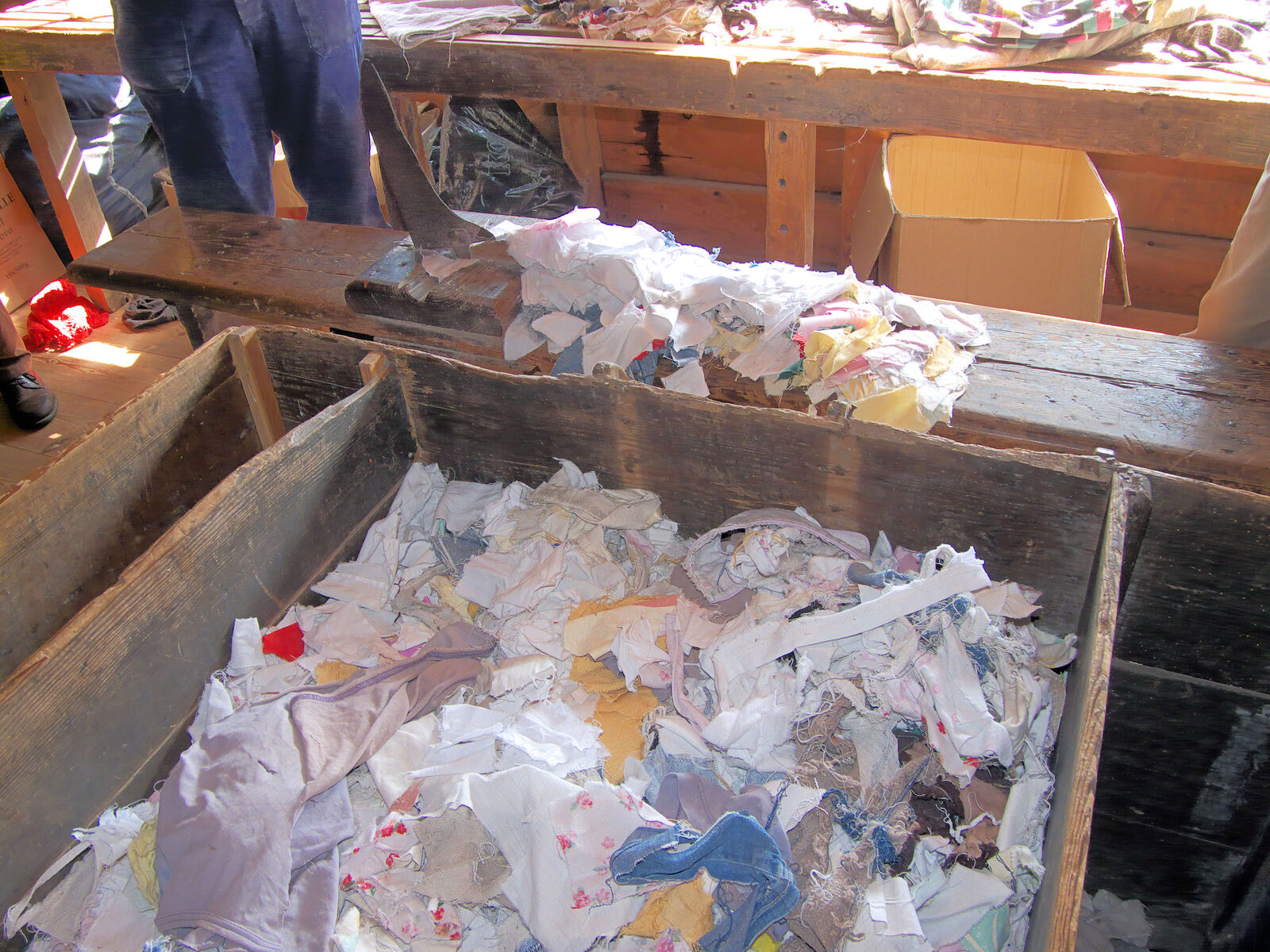
What the deal is
Meta is backing plastics recycling.
Meta is buying the right to claim avoided emissions. It is not buying recycled PET. The deal can succeed financially without the technology being proven at scale.
Meta's AI build-out is driving its footprint up. EACs let it count MacroCycle's avoided emissions against that.

What is missing
- No plant. Not even the 5,000 t/yr demonstration plant exists; no site or construction date.
- No offtake. No buyers are announced for the recycled material.
- No independent LCA. The 80% figure is the company's.
- Solvent questions. Which solvents, how much is recovered, what is lost, and what is emitted?
- Unverified quality. "Indistinguishable from new" has not been independently tested.
The fair read
The ring-closing chemistry is genuinely clever and aims at the hardest PET stream — textiles. EAC revenue could be the bridge many recycling startups need. But until there is a plant, an LCA and an offtake contract, this is a financing story. Watch whether the next deal buys pellets rather than credits.
References and image credits›
- 01TechCrunch — Meta deal will help plastics recycling startup MacroCycle build its first factory
- 02ESG Today — Meta backs plastic recycling technology startup MacroCycle
Photo: Rasbak, CC BY-SA 3.0, via Wikimedia Commons · Photo: CC BY-SA