
"It's just food — it rots away harmlessly in a landfill"
Food is a quarter of what goes into landfills and is linked to well over half the methane that escapes them. The reason is that a landfill is not a compost heap — it is the opposite of one.
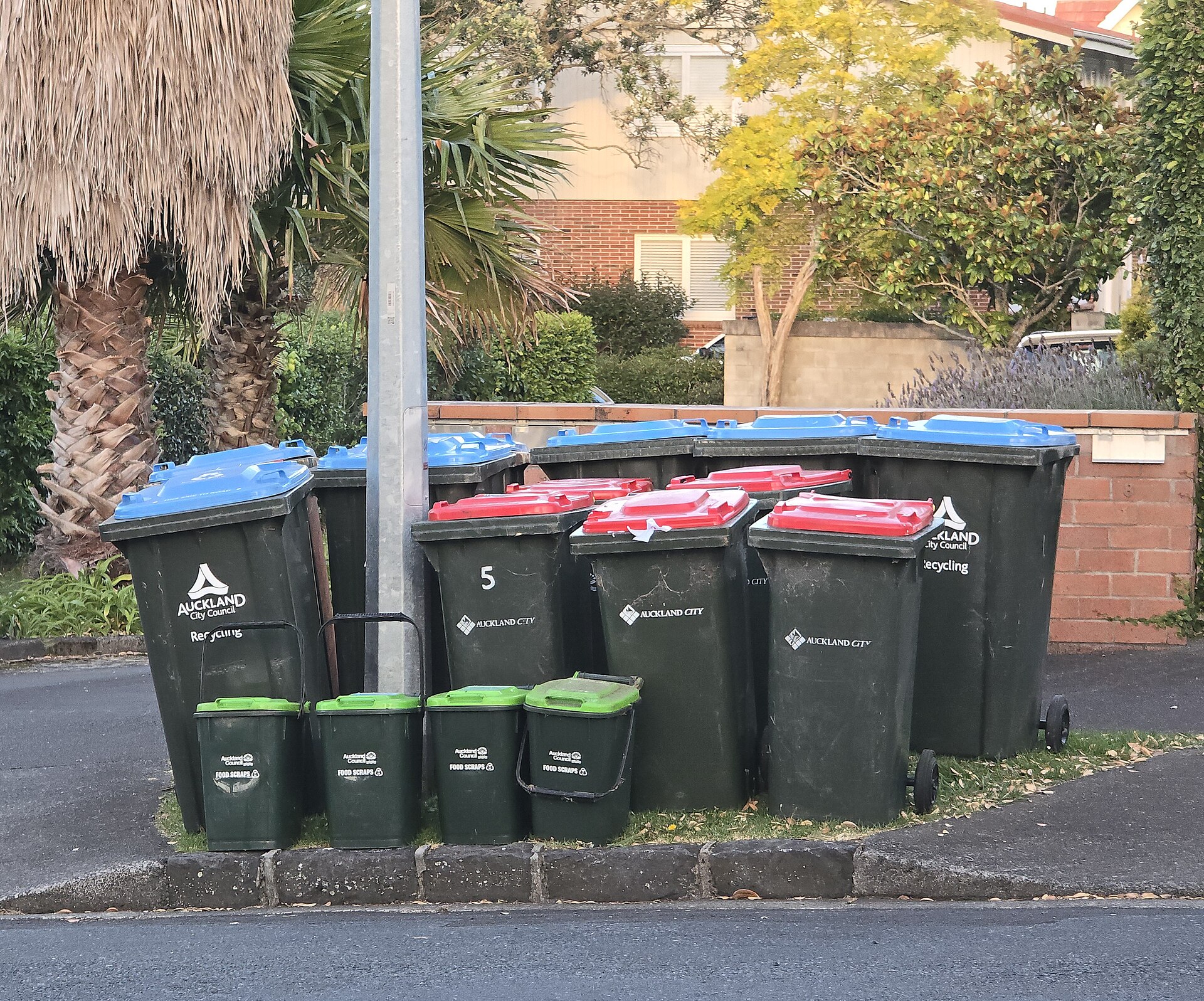
It is the most intuitive assumption in household waste. Food is organic. Organic things break down. A banana peel in the bin is not like a plastic bottle in the bin.
The intuition is right about the chemistry and wrong about the environment. Where food decomposes decides what it decomposes into.
Food waste decomposes naturally in landfill, so it is not an environmental problem.
A landfill is compacted, covered and sealed — an oxygen-free reactor. Anaerobic decomposition of food produces methane, a gas 28–36 times more powerful than CO2 over a century, and most of it is not captured.
Two environments, two products
Decomposition in air — a compost pile, a garden, a forest floor — is aerobic. Microbes with oxygen available oxidise carbon to CO2. That CO2 is biogenic: the plant took it out of the air recently and is now returning it. Roughly a closed loop.
Decomposition without air is anaerobic. Different microbes, different pathway, different product: methane.
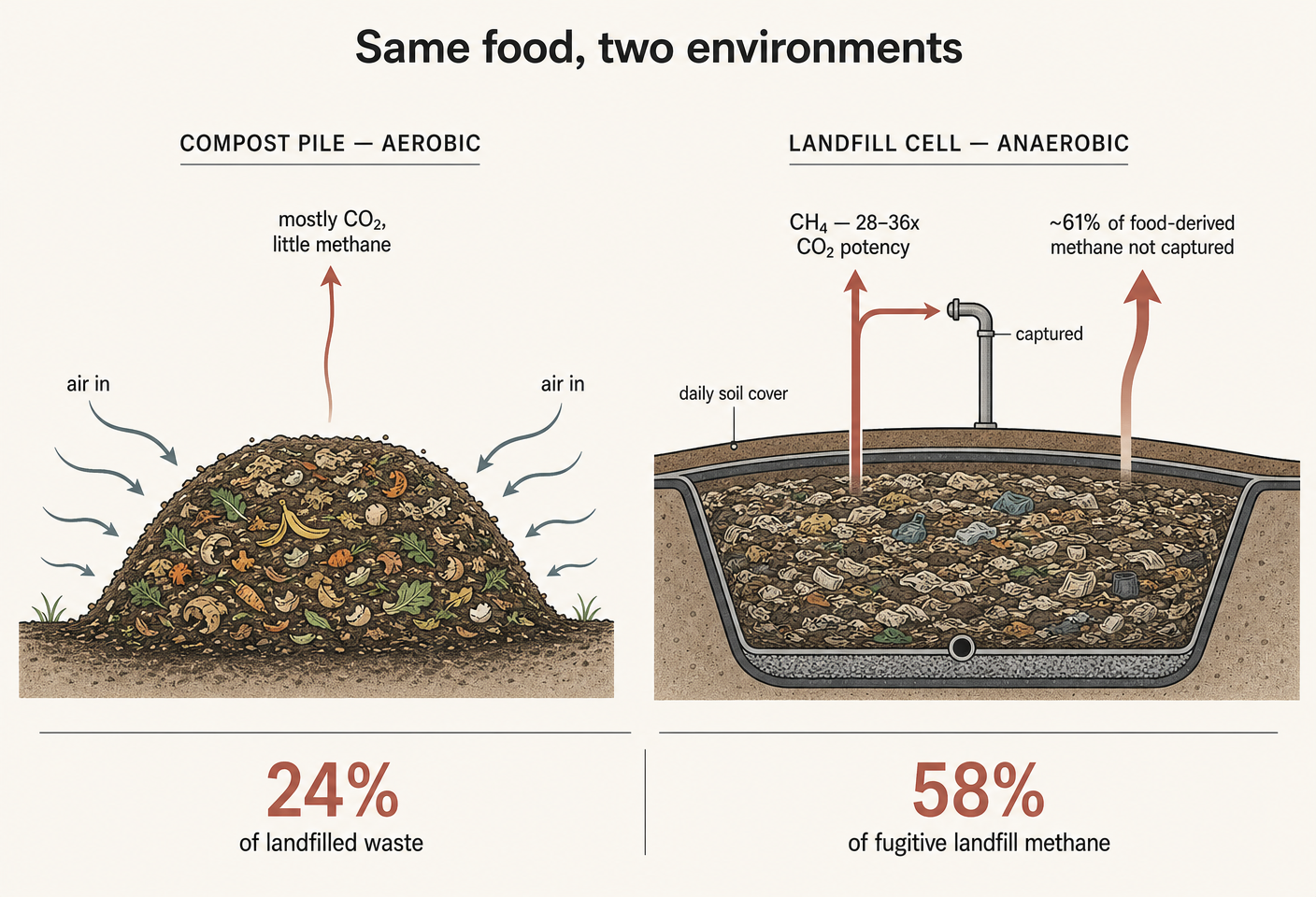
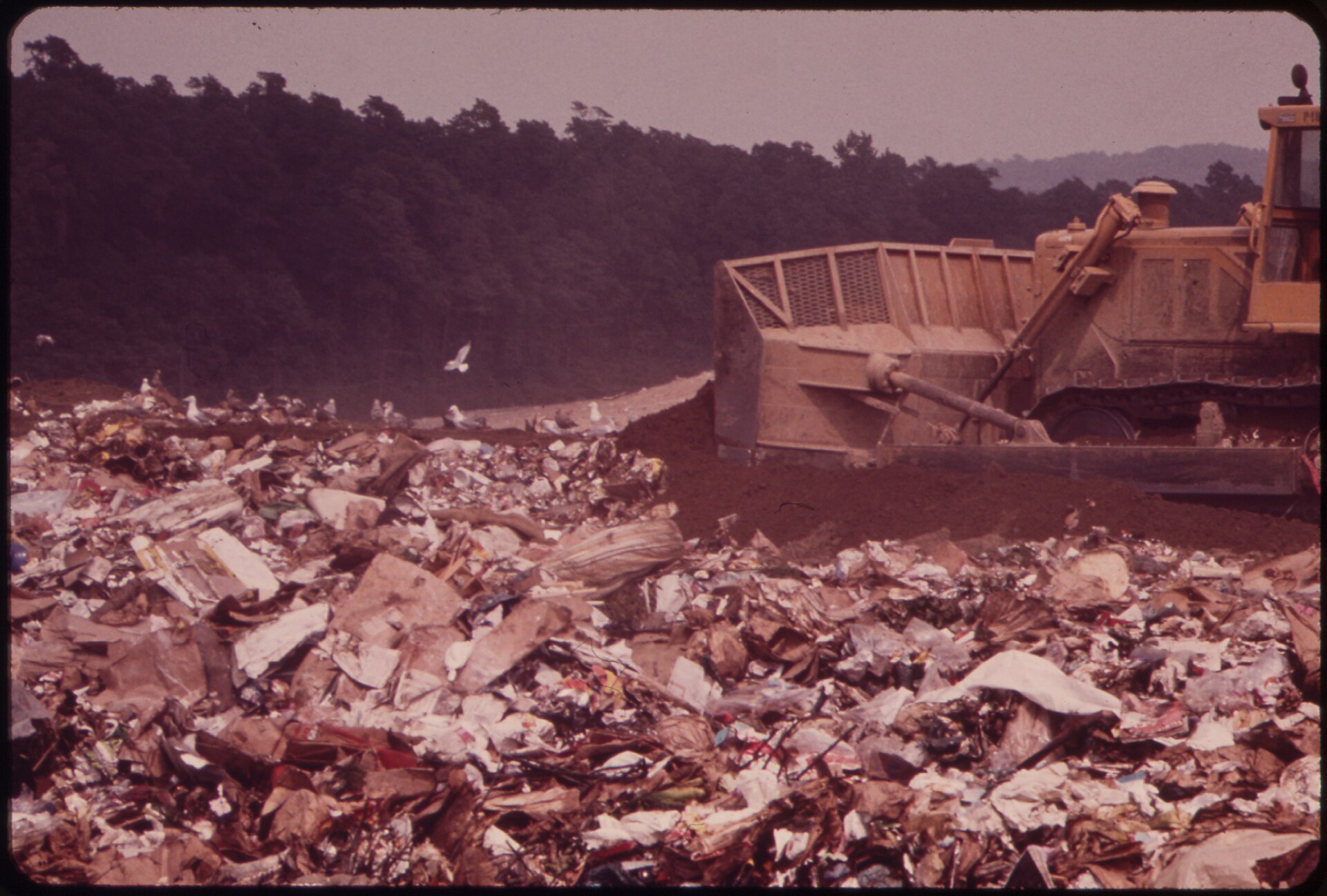
A modern landfill is engineered to be anaerobic almost by accident. Waste is compacted to maximise airspace value, covered daily with soil to control odour and vermin, and eventually capped with an impermeable liner. Every one of those steps excludes oxygen.
The numbers
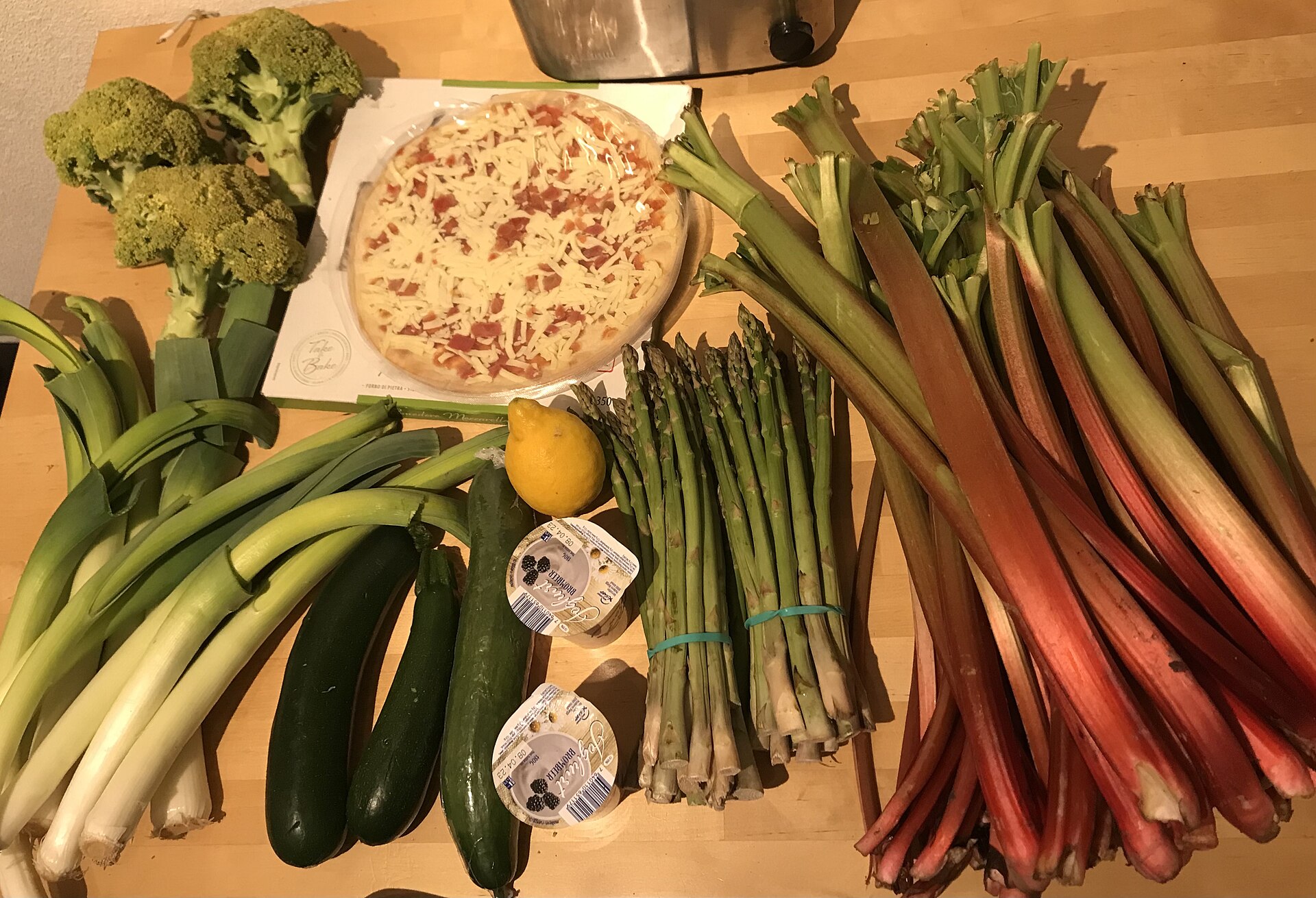
Food is disproportionately responsible because it is wet, nitrogen-rich and readily degradable. Paper and yard waste break down too, but more slowly and less completely. Food is the fastest and most complete methane feedstock in the bin.
"But landfills capture their gas"
Many do. Gas collection systems are real, standard on large sites, and genuinely reduce emissions.
Collection is imperfect for structural reasons rather than negligent ones. Wells are installed after a cell is filled, so the early and most intense phase of food decomposition happens before any collection exists. Wells draw from a limited radius. Covers crack, settle, and leak. Systems are tuned to avoid pulling air in, which limits how hard they can pull gas out.
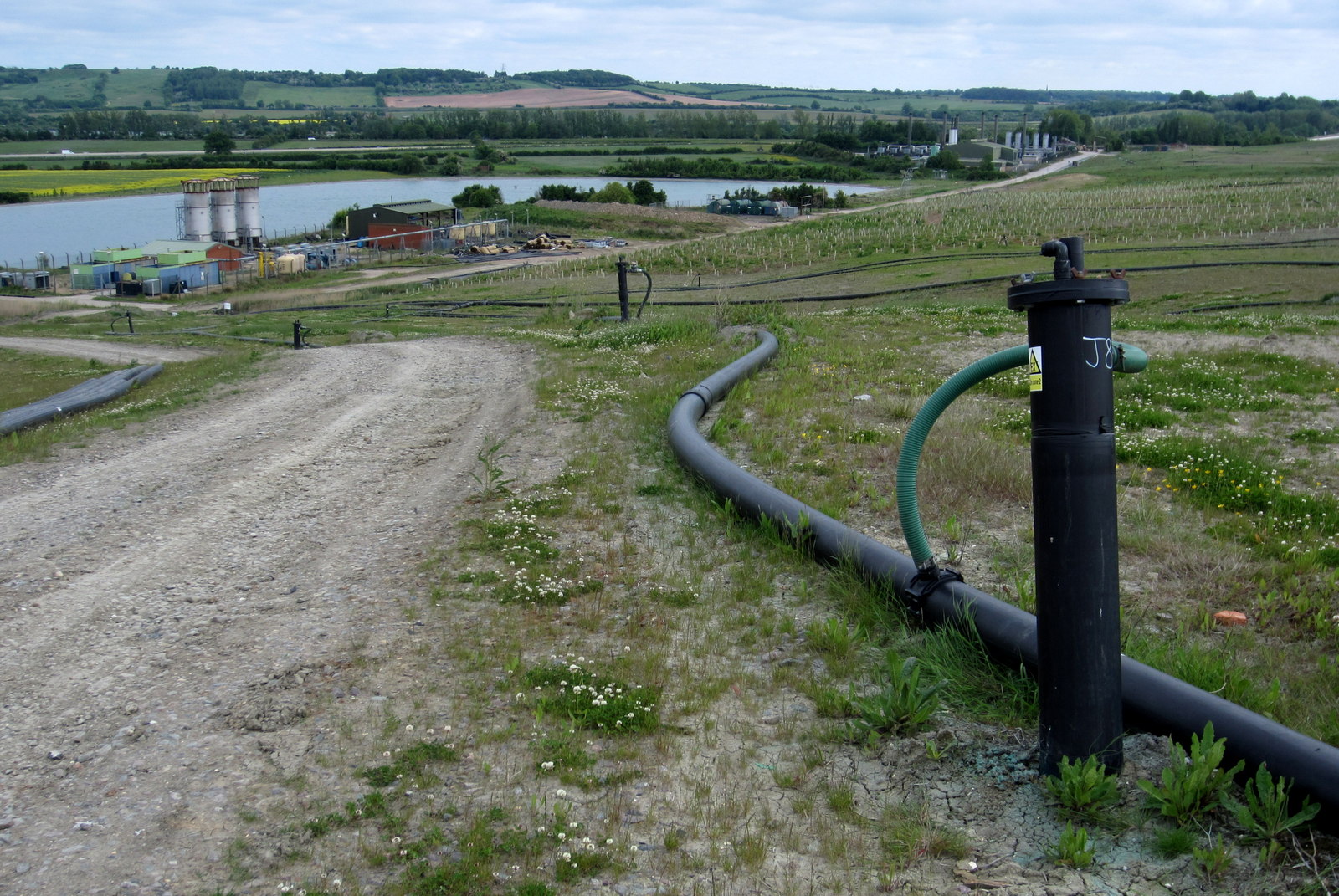
The gas that escapes does so as methane, before oxidation. The gas that is captured is usually flared to CO2 or burned for energy. The uncaptured fraction is where essentially all of the climate damage sits.
What actually works, in order
Prevention. The only option that avoids every downstream emission and also avoids the emissions from growing, transporting and refrigerating the food in the first place. Roughly a third of food produced globally is never eaten; the embedded footprint of that food dwarfs its disposal footprint.
Redistribution. Edible surplus to people.
Animal feed, where regulation allows.
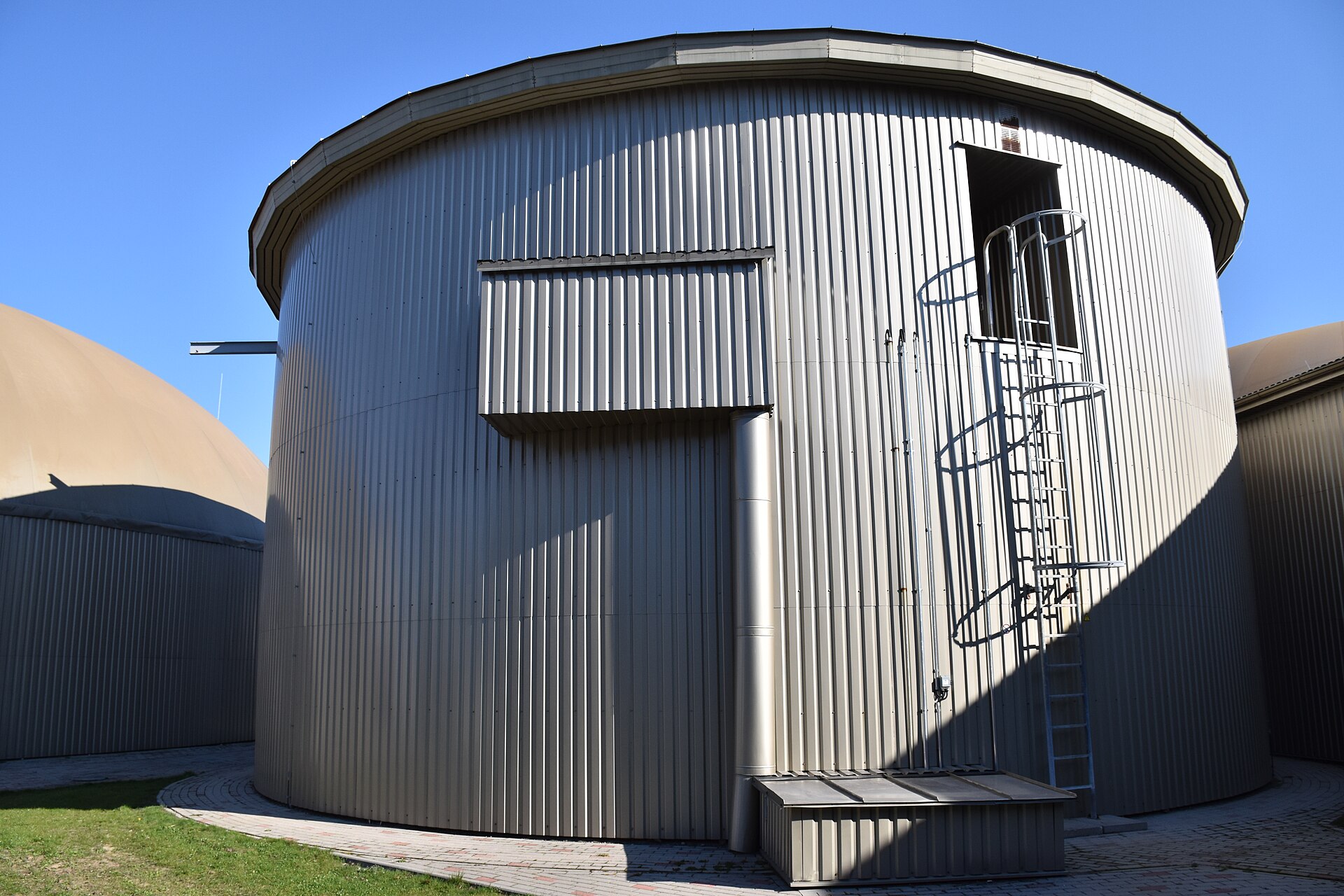
Anaerobic digestion. Deliberately anaerobic — but in a sealed tank where the methane is the product, captured and used rather than leaked.
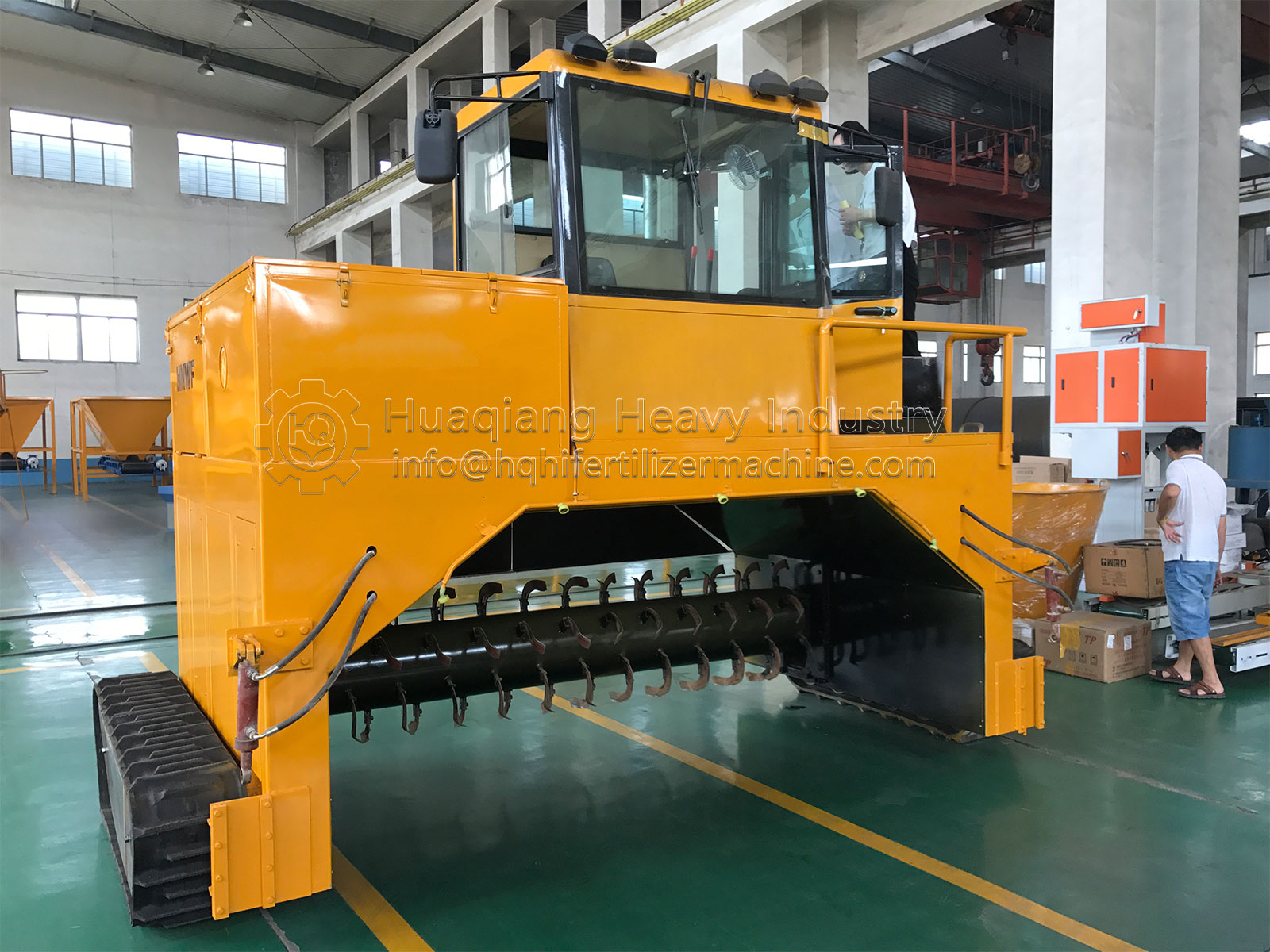
Composting. Aerobic by design, turned to keep oxygen in the pile, producing CO2 and a soil amendment rather than methane.
The corrected version
Food does break down in a landfill. That is precisely the problem. It breaks down without oxygen, into methane, at a site engineered to exclude oxygen, and most of that methane leaves before anything captures it.
A banana peel is not inert. In the wrong container, it is the most climate-active thing in your bin.
References and image credits›
Photo: RadishSlice, CC BY-SA 4.0 · Photo: U.S. National Archives, public domain · Photo: PizzaToast, CC0 · Photo: via Wikimedia Commons, CC BY-SA · Photo: via Wikimedia Commons, CC BY-SA · Photo: Huaqiangqiang, CC BY-SA 4.0