
No, burning trash for electricity does not make recycling pointless
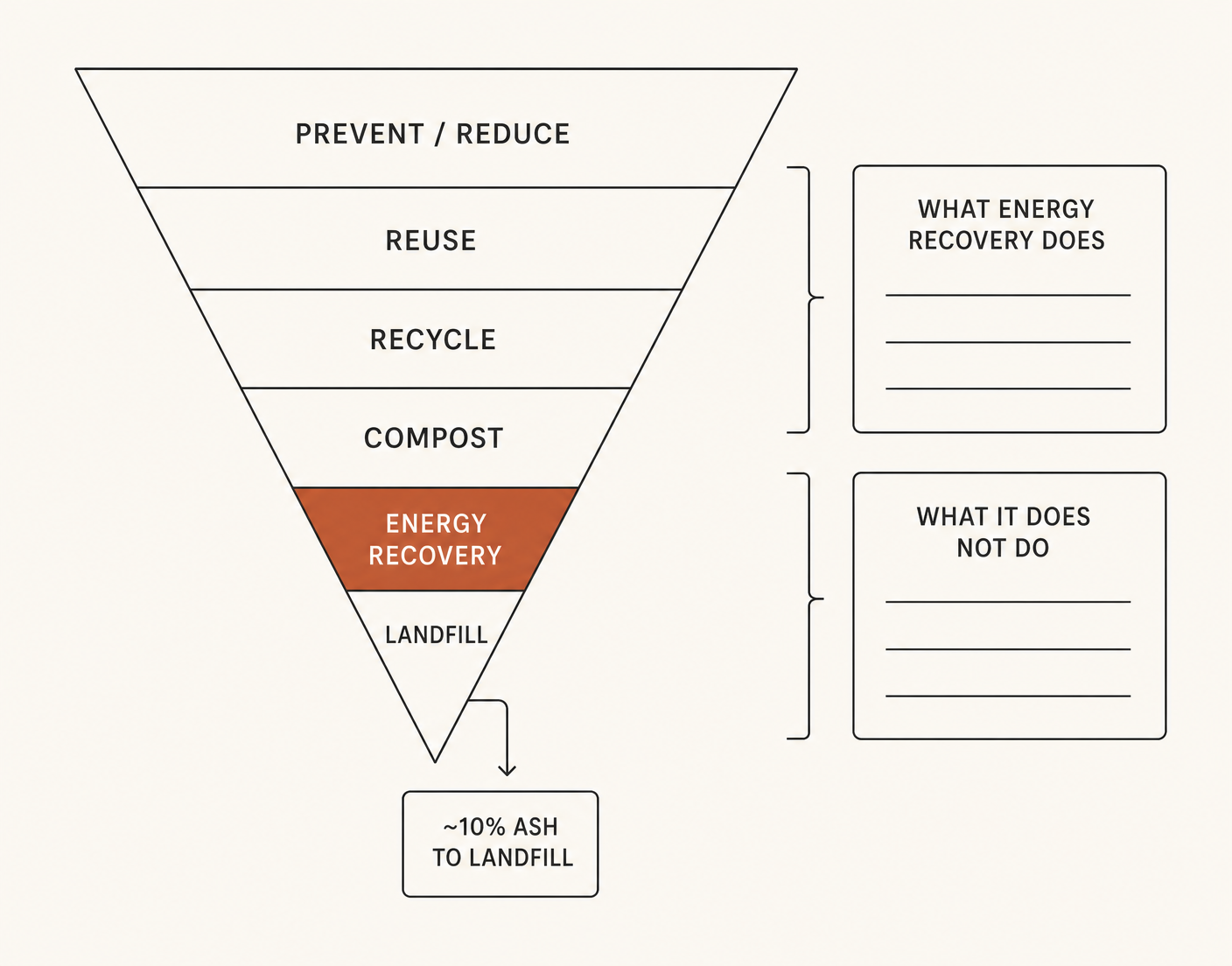
Energy recovery has a legitimate place in a waste system. It sits below prevention, reuse, recycling and composting - and roughly a tenth of what goes in still comes out as ash bound for landfill.
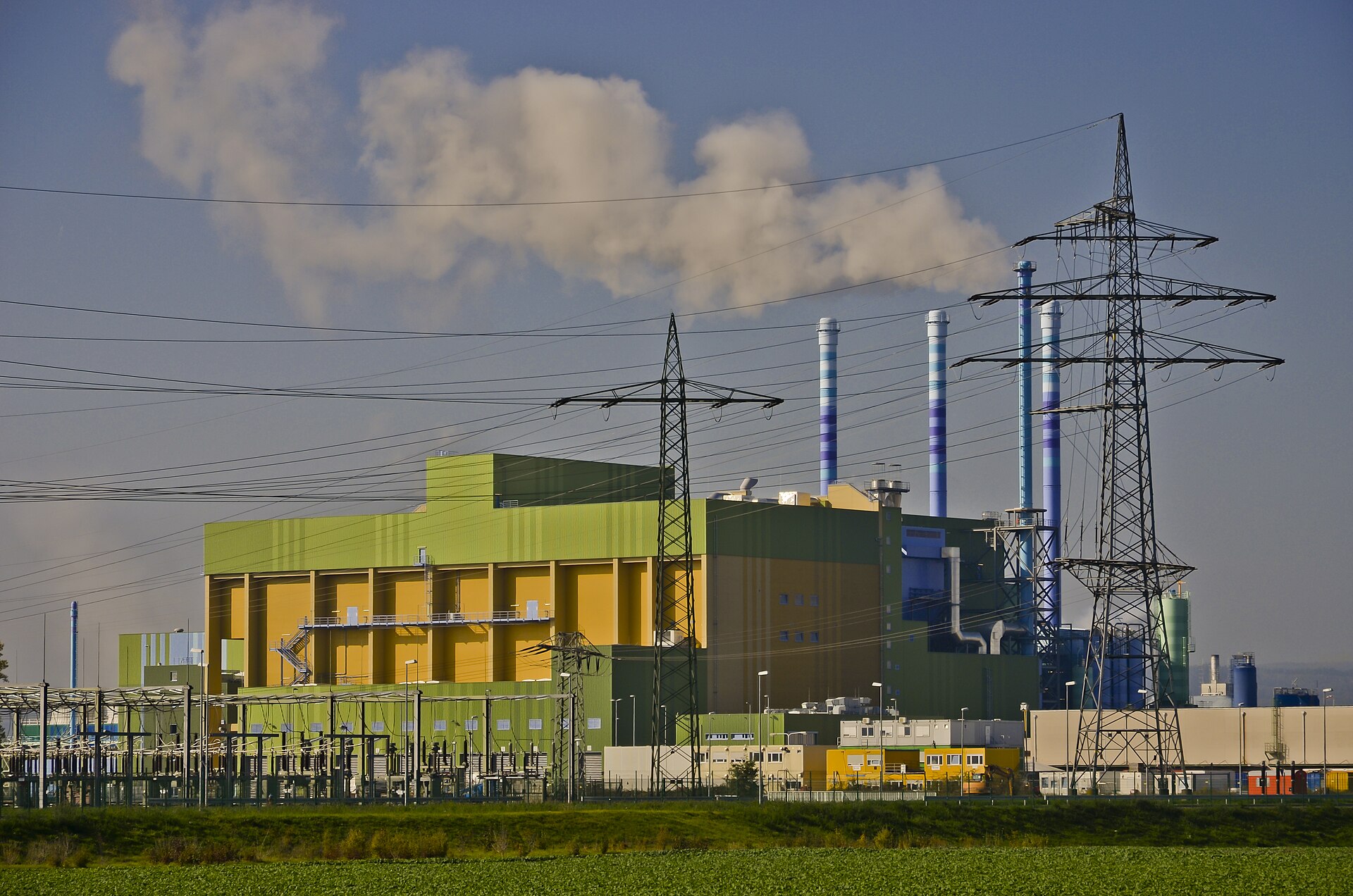
Waste-to-energy gets presented as the move that ends the argument: if the trash makes electricity, sorting stops mattering. It is a tidy story and it is wrong in a specific, checkable way.
The claim
A waste-to-energy plant makes waste circular. Once a city has one, sorting and recycling stop being necessary - the energy recovers the value either way.
The US EPA defines energy recovery as converting non-recyclable waste into heat, electricity or fuel, and places it below source reduction, reuse, recycling and composting in the waste hierarchy. The definition contains the word non-recyclable for a reason: energy recovery is what the hierarchy prescribes for what is left, not a substitute for the tiers above it.
Where the mass actually goes
Burning it makes it disappear.
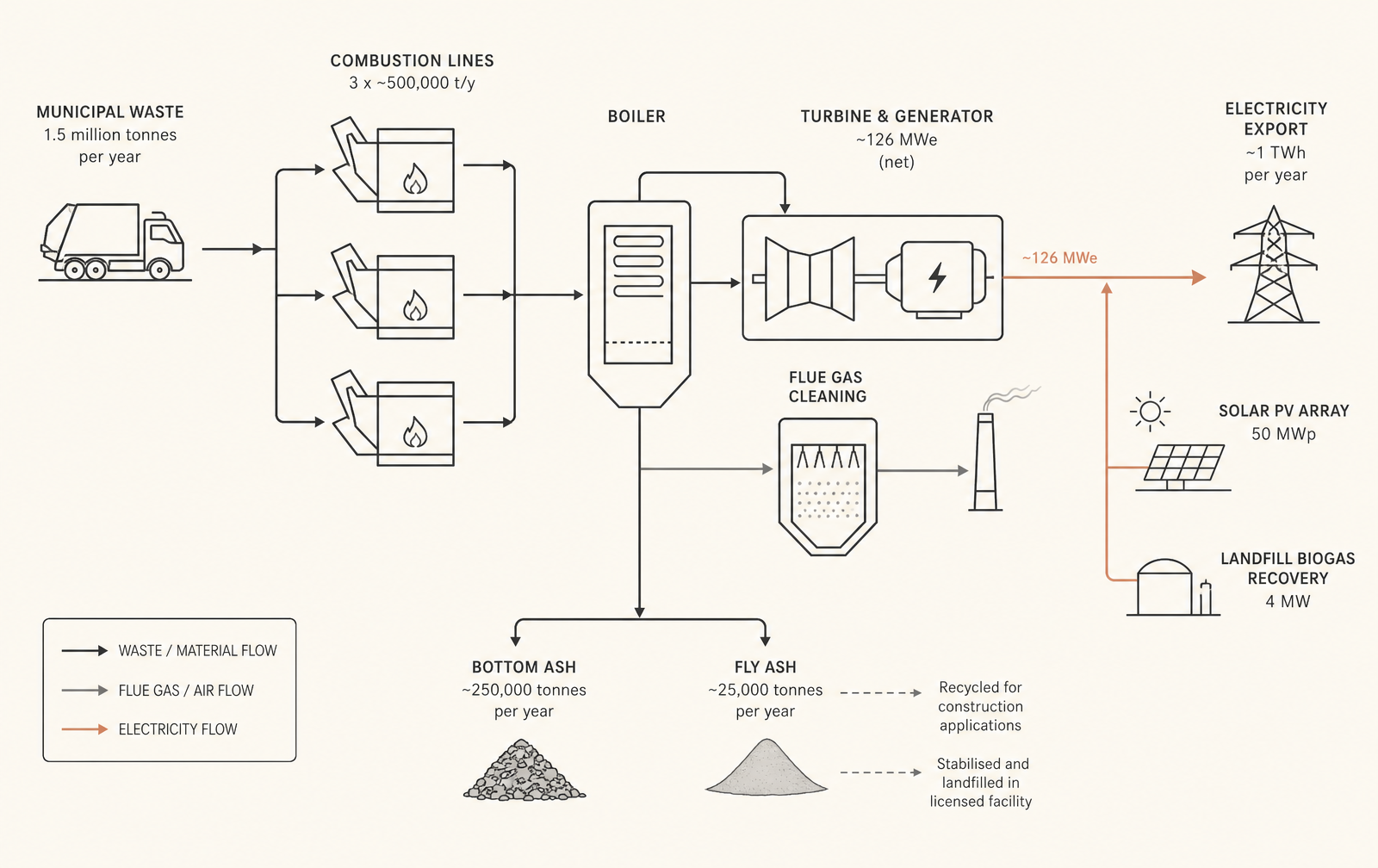
After energy recovery, roughly 10% of the original volume remains as ash, which generally goes to landfill. Combustion converts most of the mass to flue gas and reduces the rest dramatically - but bottom ash and fly ash are real material streams, and fly ash in particular is handled as a concentrated residue requiring controlled disposal.
Whether it beats landfill is conditional
Energy recovery is always better than landfill.
UK Government guidance describes energy from waste as generally preferable to landfill when the waste mix and facility efficiency are appropriate - and the qualifier carries the weight. The comparison depends on the waste composition, the plant's efficiency and whether it exports heat as well as power, what energy source it displaces on the grid, the emissions-control equipment fitted, and the share of biogenic versus fossil carbon in the feedstock.
The last of those is the one most often skipped. Burning food waste and paper releases carbon that was recently in the atmosphere. Burning plastic releases fossil carbon that was not. The same furnace, the same tonne, very different climate arithmetic depending on what is in the bin.
What burning a recyclable actually costs
A plastic bottle in the furnace still gets value recovered from it.
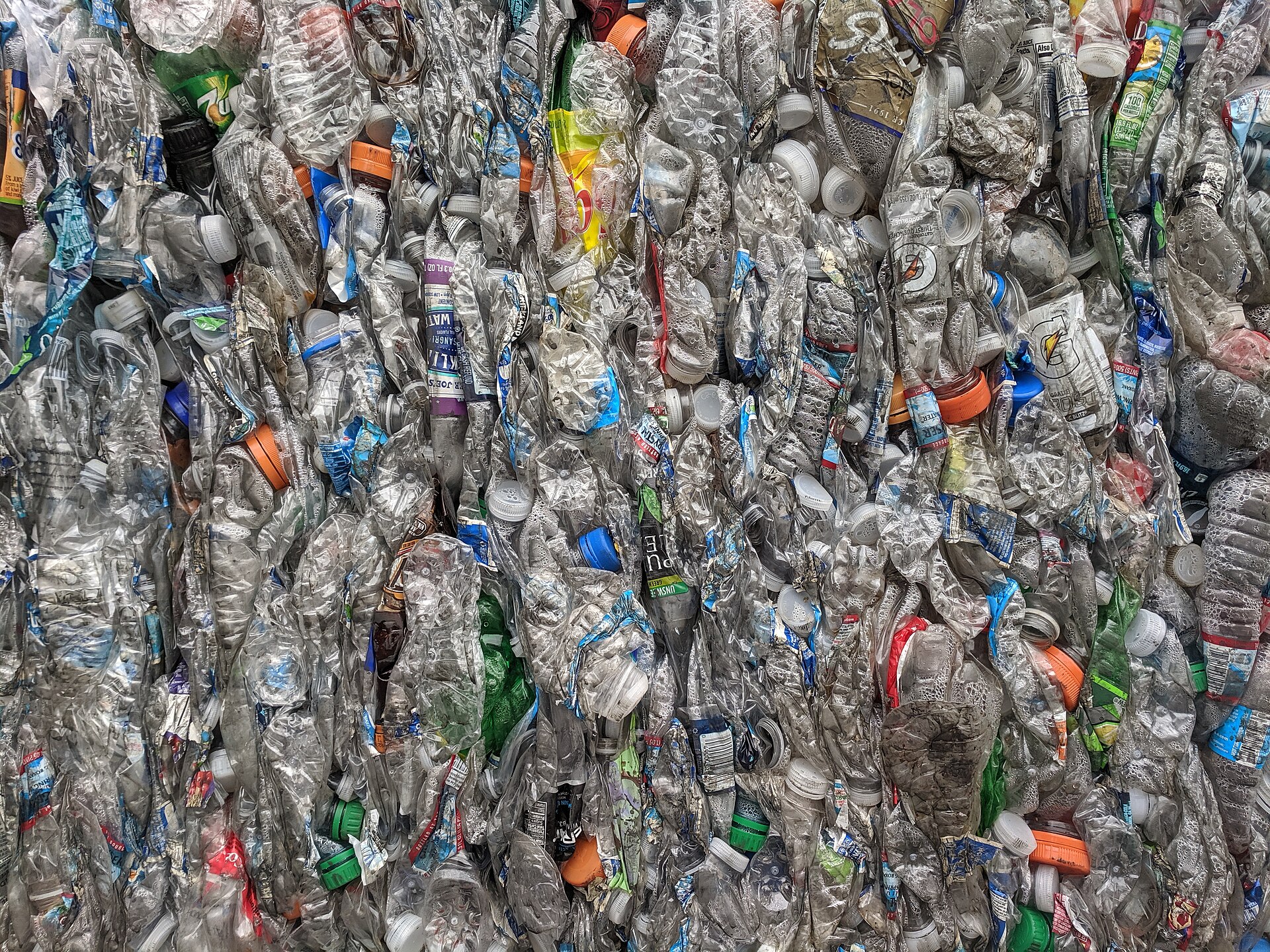
It recovers the calorific value once and destroys the material value permanently. A PET bottle sent to a reprocessor can displace virgin resin production; the same bottle in a furnace releases its fossil carbon, contributes ash, and leaves the virgin resin still to be manufactured. Combustion is a one-way exit from the material system.
The workable position
Energy recovery is genuinely useful for genuinely residual waste: the soiled, mixed, multilayer, non-recyclable fraction that no sorting line can turn into a saleable bale. For that material, a well-run plant with proper emissions control and heat export beats a landfill cell.
The practical rule survives intact. Prevent and reuse first. Recycle or compost what the local system actually accepts. Reserve energy recovery for what is genuinely left over.
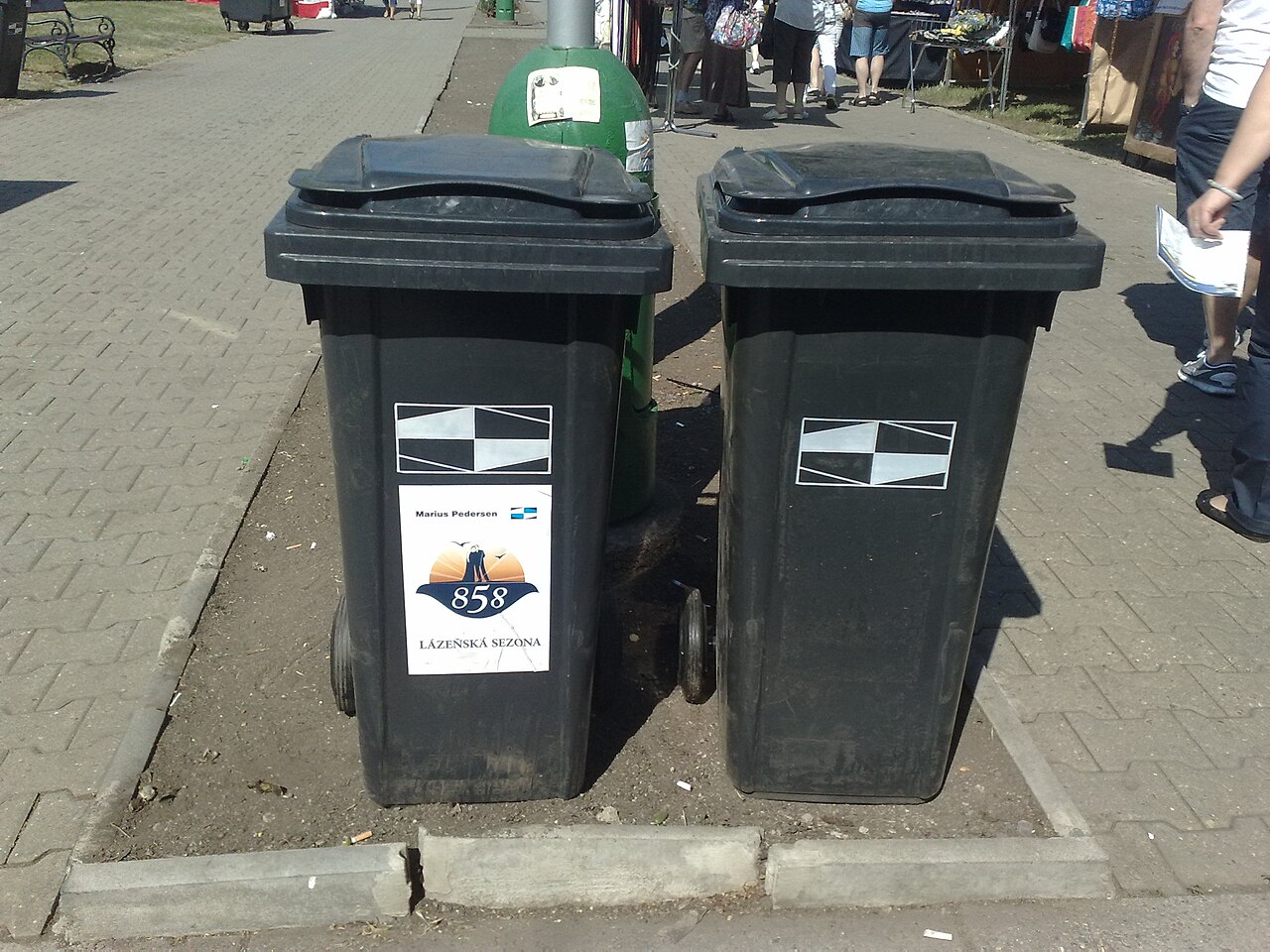
A plant that burns residual waste is infrastructure. A plant that needs recyclables in the feed to stay economic is a competitor to the recycling system it was supposed to sit beneath.
References and image credits›
- 01US EPA - sustainable materials management: waste management hierarchy
- 02US EPA - energy recovery from the combustion of municipal solid waste
- 03UK Government - energy from waste: a guide to the debate
Photo: Wikimedia Commons contributor, CC BY-SA 4.0 · Diagram: The Waste Stack · Diagram: The Waste Stack · Photo: Grendelkhan, CC BY-SA 4.0, via Wikimedia Commons · Photo: Wikimedia Commons contributor, CC BY-SA 4.0