
Compost biocovers: how bacteria turn escaping landfill methane into CO2
Where a landfill is too small or old for gas collection, a layer of mature compost can host methane-eating bacteria that oxidise up to 35–40% of escaping methane — for around $48,000 an acre.
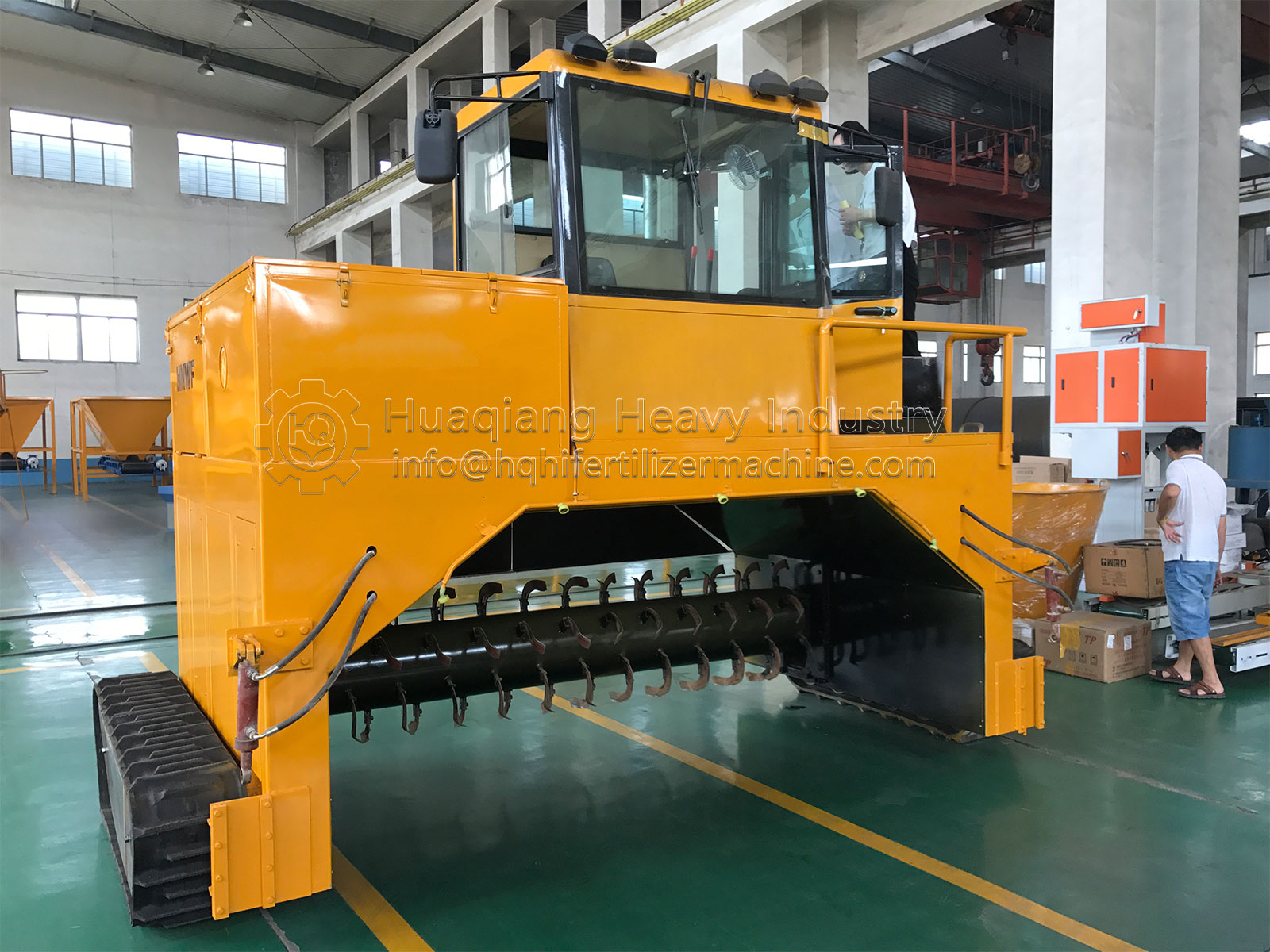
Big, active landfills pipe their gas to flares or engines. Older, smaller and closed sites often do not make enough gas to justify that — and even good gas systems leak through the cover. EPA guidance documents a passive, low-cost option for the gap: biocovers.
The gas you are dealing with
Landfill gas is typically 50–60% methane and 40–50% CO2. Methane is about 84 times more potent than CO2 over 20 years, so converting it to CO2 is a large climate win per molecule.
How a biocover works
- Build the layers. A porous base of gravel or sand, topped with 12–24 inches of mature compost.
- Spread the gas. Fugitive gas rising through the landfill spreads evenly through the porous layer.
- Let bacteria eat. Methanotrophic bacteria in the compost consume methane and oxygen: CH4 + 2O2 → CO2 + 2H2O.
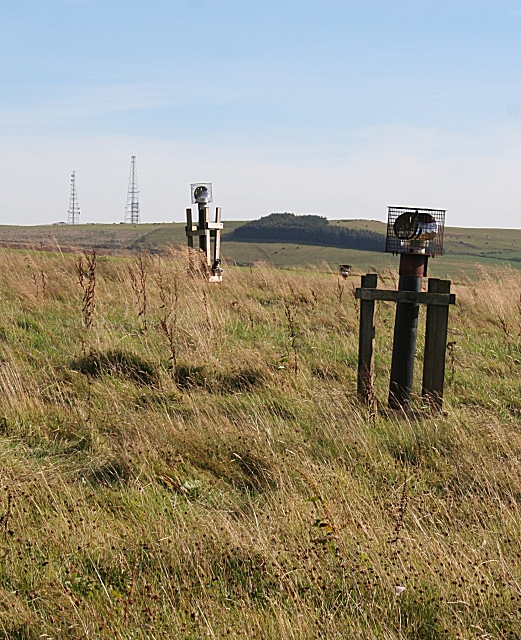
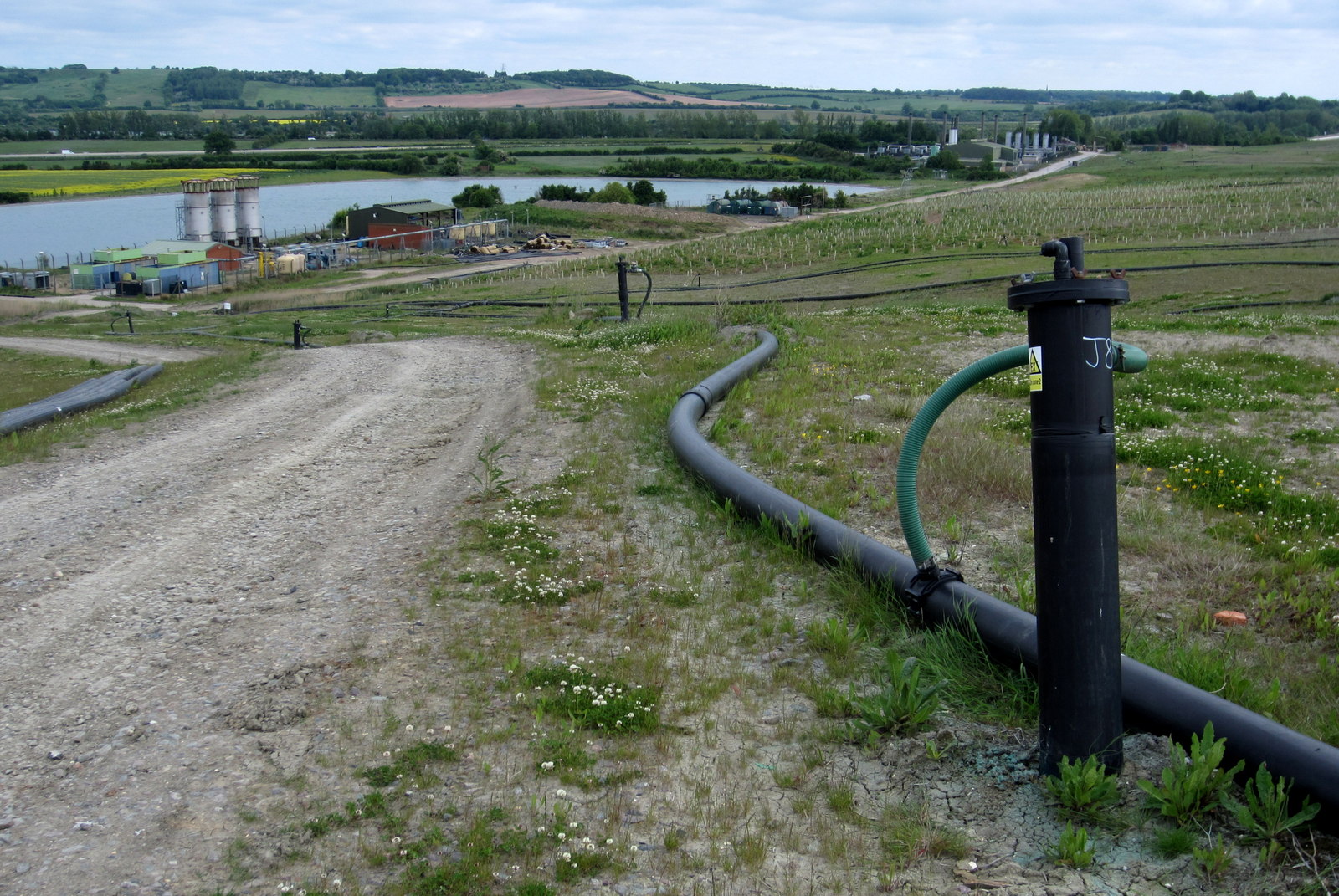
- Or use a biofilter. For sites with passive vents, a contained compost bed connected by pipe treats vented gas.
- Monitor. Surface methane scans and perimeter probes track performance.
What EPA's numbers say
- Biofilters: up to 19% oxidation.
- Landfills without gas collection: 10–35% natural oxidation, depending on cover.
- Capital cost: about $48,000 per acre.
- Modern biofilter systems: 80–95% surface methane reduction reported, plus over 90% of non-methane organics.
- Denmark's Biocover Initiative: €25M national programme for older landfills.
- Jefferson County, Washington replaced a flare with 14 wood-mulch biofilters in 2020 when gas flow fell too low to keep the flare lit.
The limits
- Variable. Oxidation depends on temperature, moisture, compost quality and gas flux. Cold or dry conditions slow the bacteria.
- Maintenance. Watering in dry climates and periodic compost replacement.
- Best case is not typical case. 35–40% is the ceiling.
- Surface only. Biocovers treat gas leaving through the top, not lateral migration or losses through the base.
- Niche so far. EPA notes limited commercial application, mostly at public landfills.
Why it matters
The U.S. has tens of thousands of closed and small landfills with no gas system at all. For them, a compost cap may be one of the cheapest pieces of methane mitigation available.
References and image credits›
- 01U.S. EPA LMOP — Apply biofilters or biocovers
- 02Frontiers in Environmental Science — Design of microbial methane oxidation systems for landfills
Photo: Anne Burgess, CC BY-SA 2.0 · Photo: via Wikimedia Commons, CC BY-SA