
"They charged for recycling, then dumped it with the trash"
Two doorbell videos show recycling carts going into a garbage truck. That is real evidence of a service failure — and not evidence that recycling is fake. The gap between those two statements is where the actual records live.
A local report published today carries home-security footage that appears to show recycling carts being emptied into a garbage truck. It is the most persuasive kind of evidence: specific, visual, from someone who paid for the service. It is also, on its own, not enough to conclude what most people reading it will conclude.
What was reported
Gonzales resident Don Berrigan says his paid recycling cart was emptied into a garbage truck. WBRZ reports that a second neighbour shared footage showing both carts going into the same truck, and had been tracking similar incidents back to 2022.
The videos prove that paid curbside recycling is a billing scheme — material is collected separately and then landfilled anyway.
The videos prove that on at least two occasions, at two households, carts went into one truck. That is a documented service incident. Extending it to the route, the hauler, or the industry requires records nobody has published.
What is strong about this evidence
It is household-level and concrete. Most "recycling is a lie" content is a vibe — this is a timestamped record of a specific truck on a specific street. A second video from a different household moves it from anomaly toward pattern, and resident reports going back years make a route-level service problem plausible rather than speculative.
That is more than most viral recycling claims can offer.
What is unresolved
Two households cannot establish what happened to every cart on the route, let alone across a hauler serving millions of customers. The public evidence does not include:
- route logs showing which collections ran when
- contamination tags issued at the kerb
- load destinations and facility weigh tickets
- sorting-facility receipts for the material collected
- a documented explanation of whether this was a contamination rejection or a collection error
The hauler's answer
Waste Pro said there could be "various reasons" for combining the streams, and that a contaminated cart should have been tagged. The company promised an investigation, coaching, and additional training if tagging procedures were not followed.
Read that carefully. It is not a denial. It is an assertion that a procedure exists — tag the cart, then take it as refuse — and an acknowledgement that the procedure may not have been followed. That is a narrower admission than the video seems to demand, and it is also the most testable one.
Why contamination is a real category, not an excuse
A viral-looking video is evidence, not a verdict. It is enough to justify an investigation and a billing audit. It is not enough to conclude that a system does not work.
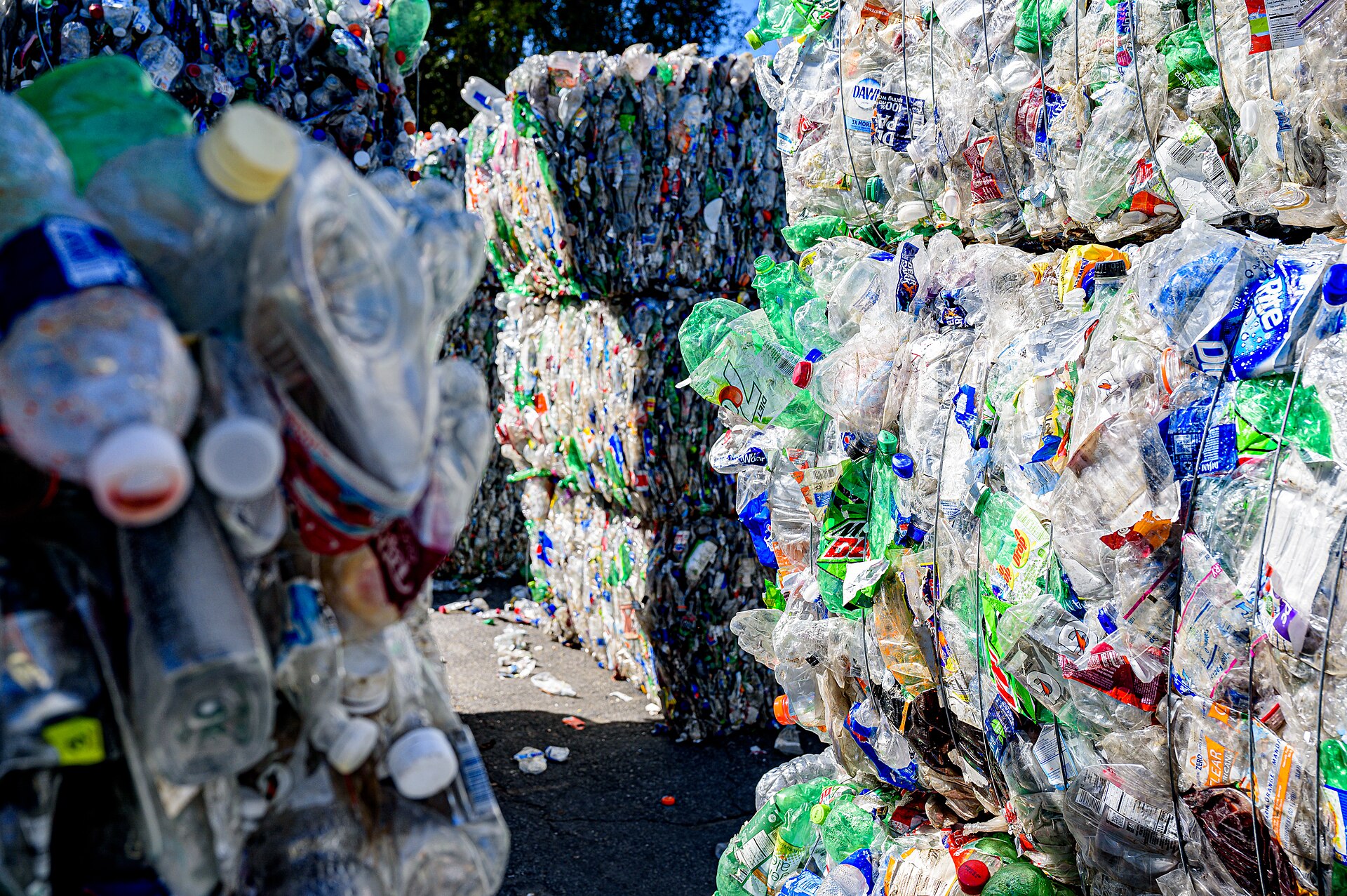
Ascension Parish's recycling guide lists a long set of exclusions — plastic bags, glass, batteries, electronics, chemicals, soiled paper towels. A recycling cart is not a container that accepts anything with a recycling logo on it.
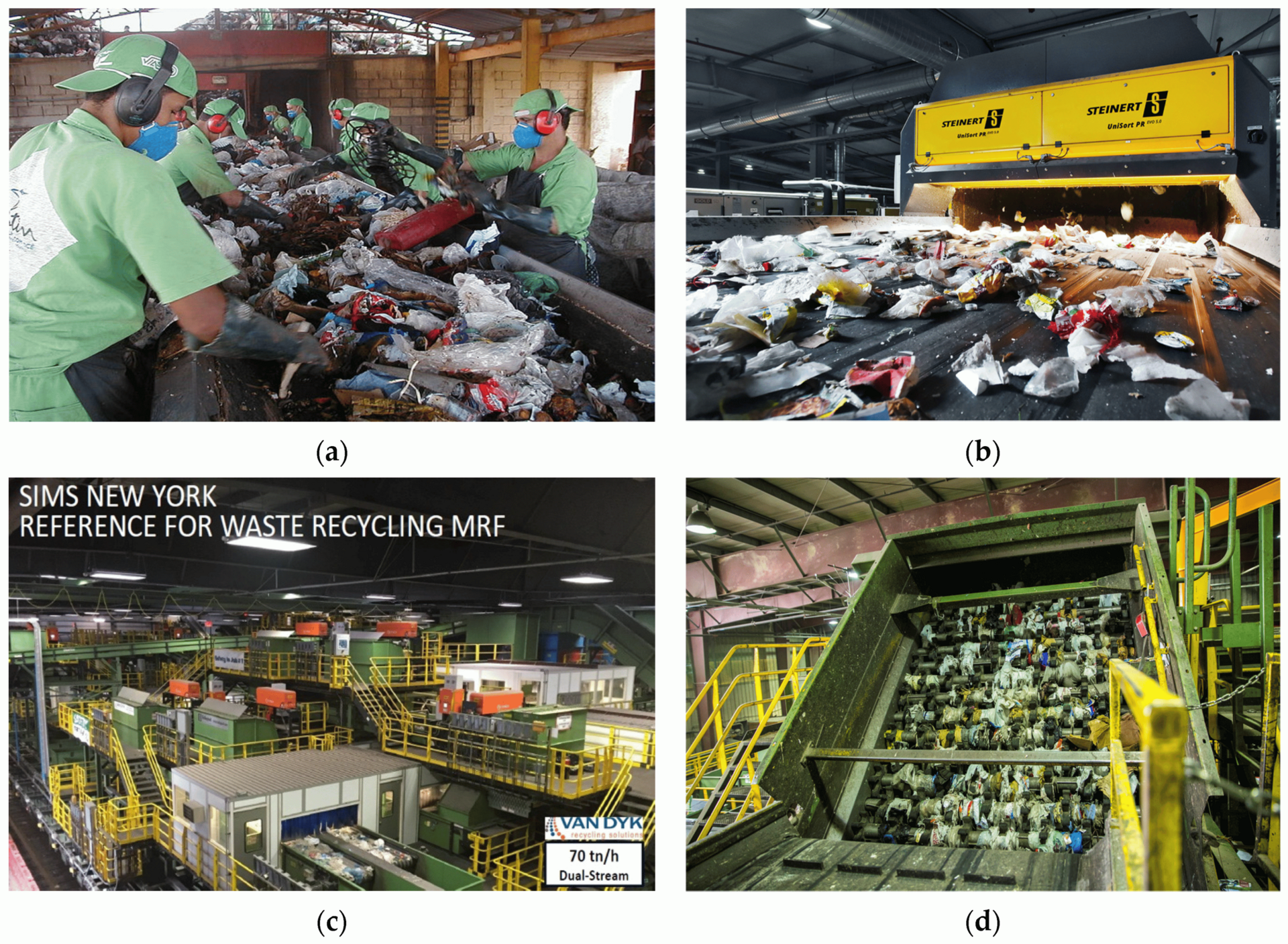
So "the crew took it as refuse" has two very different readings: a crew that skipped the tag on a genuinely contaminated cart, or a crew that ran a recycling route as a refuse route. The first is a documentation failure. The second is what the residents believe happened. The video cannot distinguish them.
The promise
Paid kerbside service does real work. It makes correct sorting convenient, and it connects recoverable material to a formal collection chain rather than leaving it to individual effort. Waste Pro says it collects, recycles and disposes of household waste for more than two million customers — at that scale, small procedural failures are statistically guaranteed and individually invisible.
The catch
Convenience is not recovery. A household pays for a service whose output it cannot observe. If a hauler rejects carts without tagging them, misroutes a truck, or cannot document where a load went, the customer has no way to tell a working service from a failing one — and the only feedback channel available is a doorbell camera.
What would actually settle it
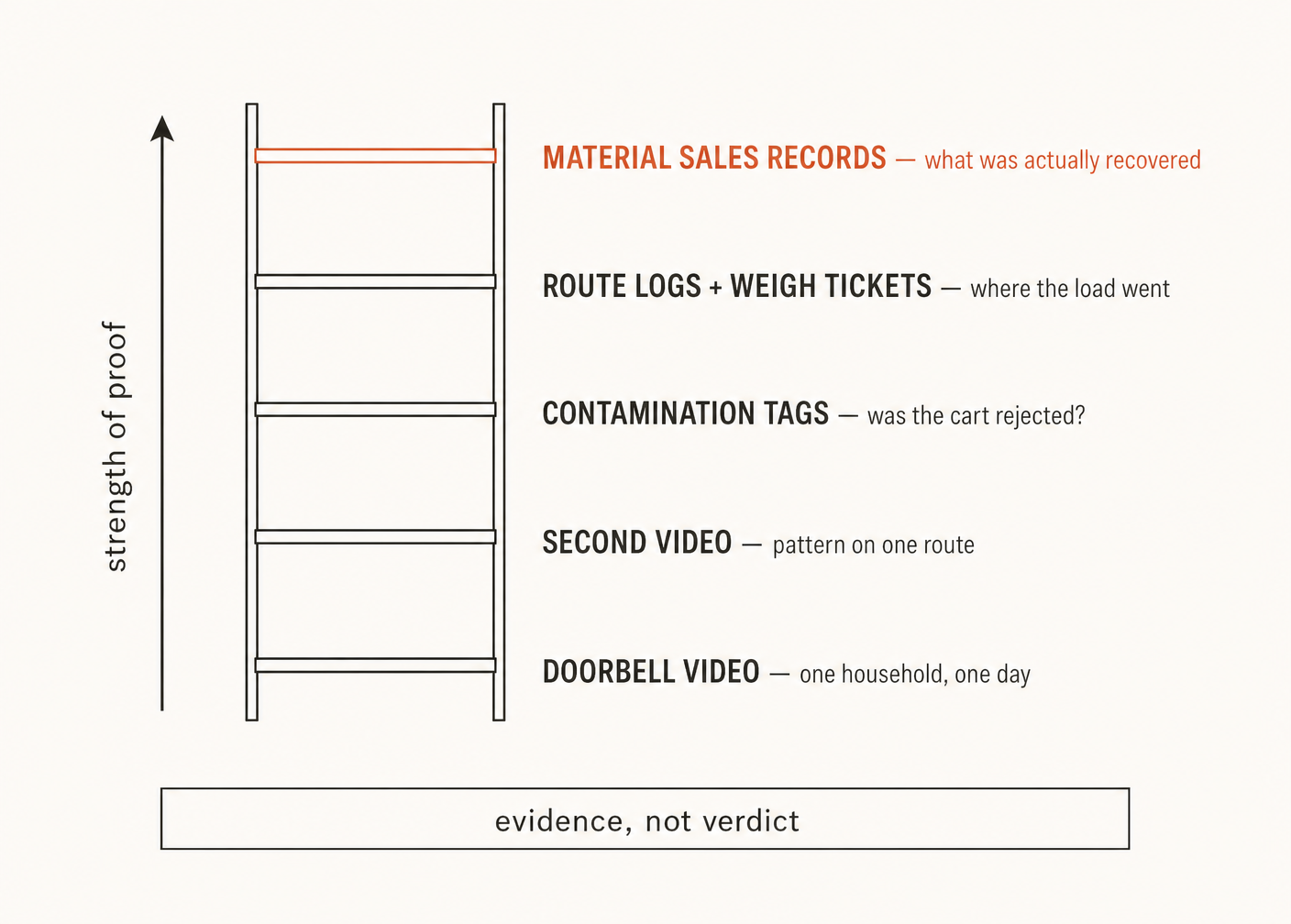
Four records, in order of decisiveness:
Contamination tags. Was this cart formally rejected, and is there a record?
Route logs. Which truck ran which route, and was it configured as a recycling collection?
Weigh tickets. Where did that load physically go, and what did it weigh in at?
Material sales data. What tonnage from this service was actually sold as recovered commodity?
None of that is exotic. Haulers generate all of it. The reason the argument stays stuck at the level of doorbell footage is that almost none of it is published.
References and image credits›
- 01WBRZ — Residents annoyed as paid recycling gets dumped with trash, surveillance video shows
- 02Waste Pro — Residential Services
- 03Ascension Parish Government — Recycling Center guide
Lcmortensen, Wikimedia Commons, CC BY-SA 3.0 · Charles01, Wikimedia Commons, CC BY-SA 3.0 · City of Columbus, Wikimedia Commons, public domain · Greenville Public Works, Wikimedia Commons, public domain · Lubongo & Alexandridis, Wikimedia Commons, CC BY 4.0