
Recycling Everything Is Not Automatically More Circular Than Reuse
China's second-life battery decision is being read as a win for the circular economy. Shredding a working battery to recover its metals is the opposite of the waste hierarchy.
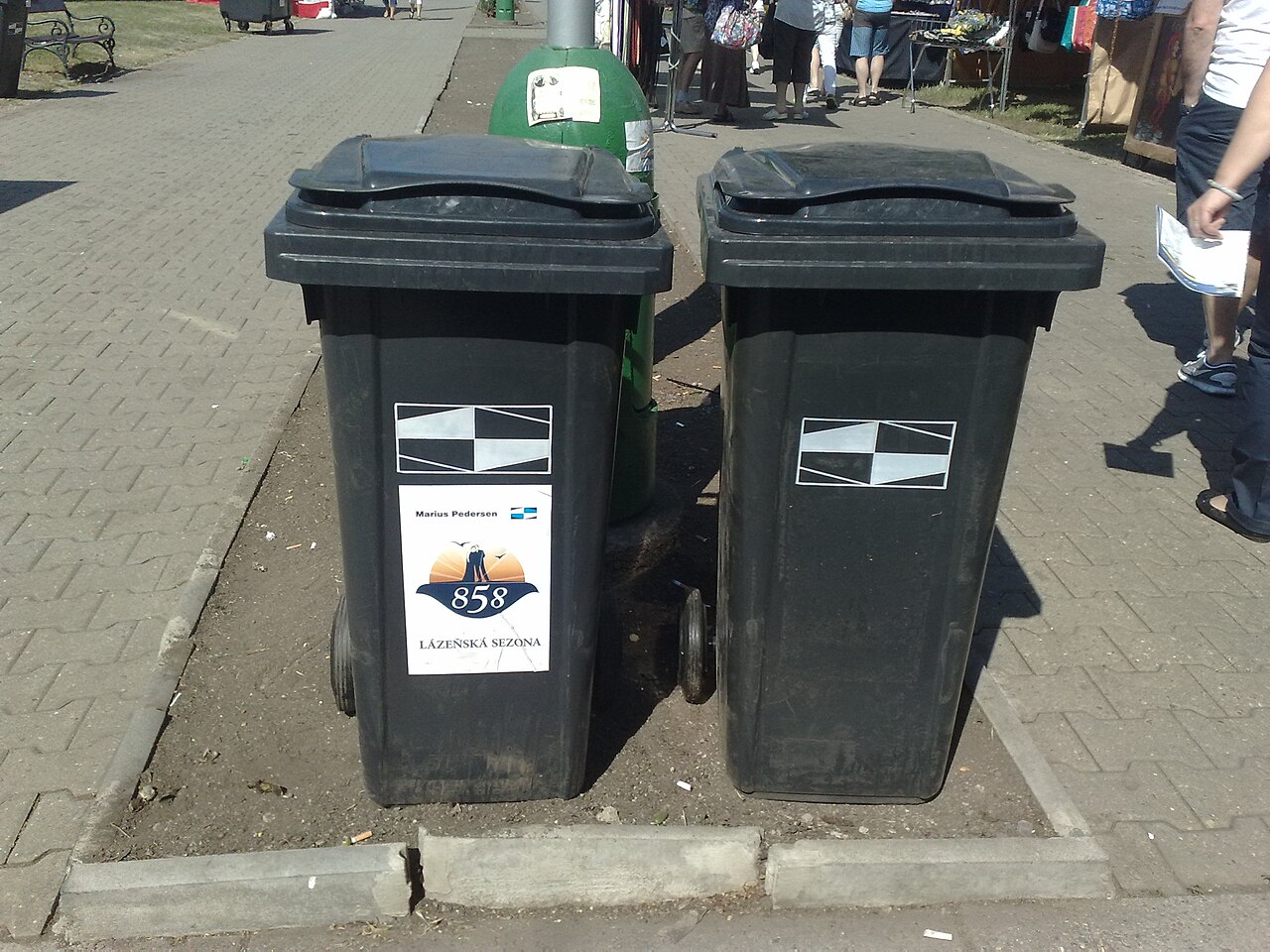
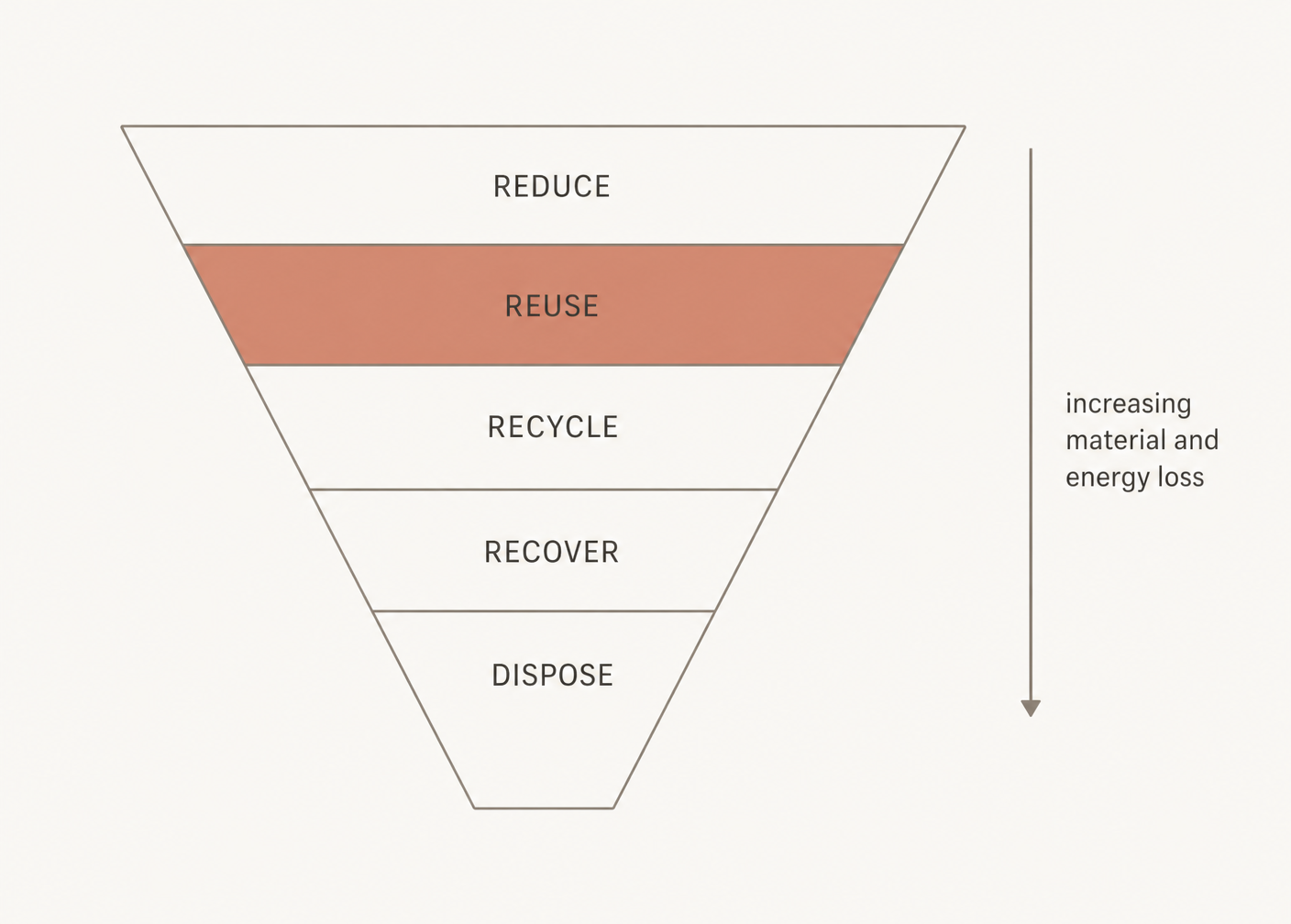
The waste hierarchy has an order for a reason: reduce, reuse, recycle. Recycling sits below reuse because recovering materials destroys the structure and the manufacturing energy embedded in the product. Regulatory decisions that push volume down that hierarchy deserve scrutiny even when they are framed as environmental wins.
On the direction of travel
Routing retired EV batteries to formal recycling instead of second-life use is the more circular outcome.
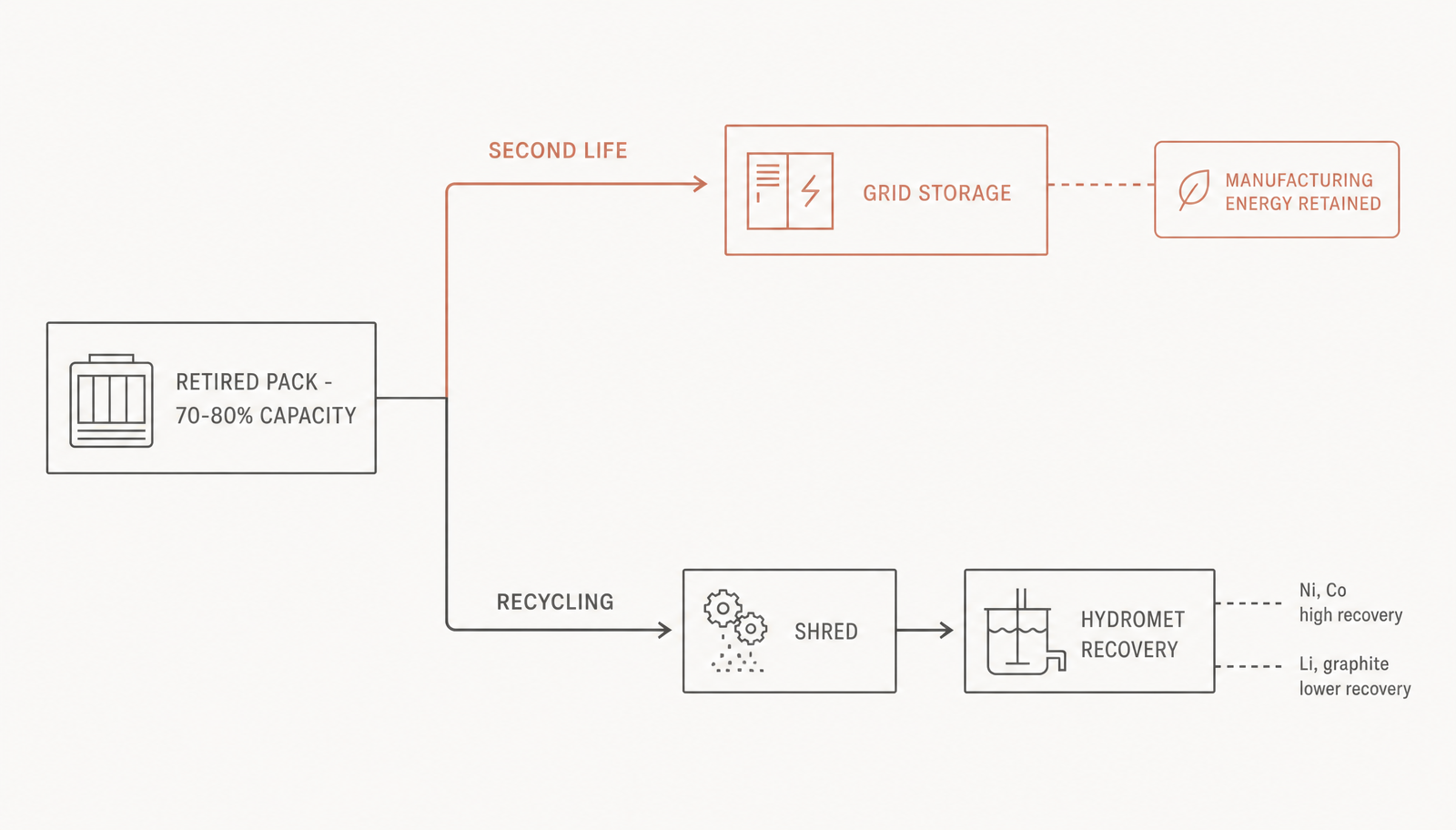
It is the more controllable outcome. A pack retired from a vehicle typically still holds 70–80% of its original capacity. Shredding it recovers lithium, nickel and cobalt but discards every unit of energy spent on cell manufacture, module assembly and pack integration. That is a step down the hierarchy, not up it.
On safety as the deciding factor
Second-life batteries are inherently unsafe, so restricting them is straightforwardly correct.
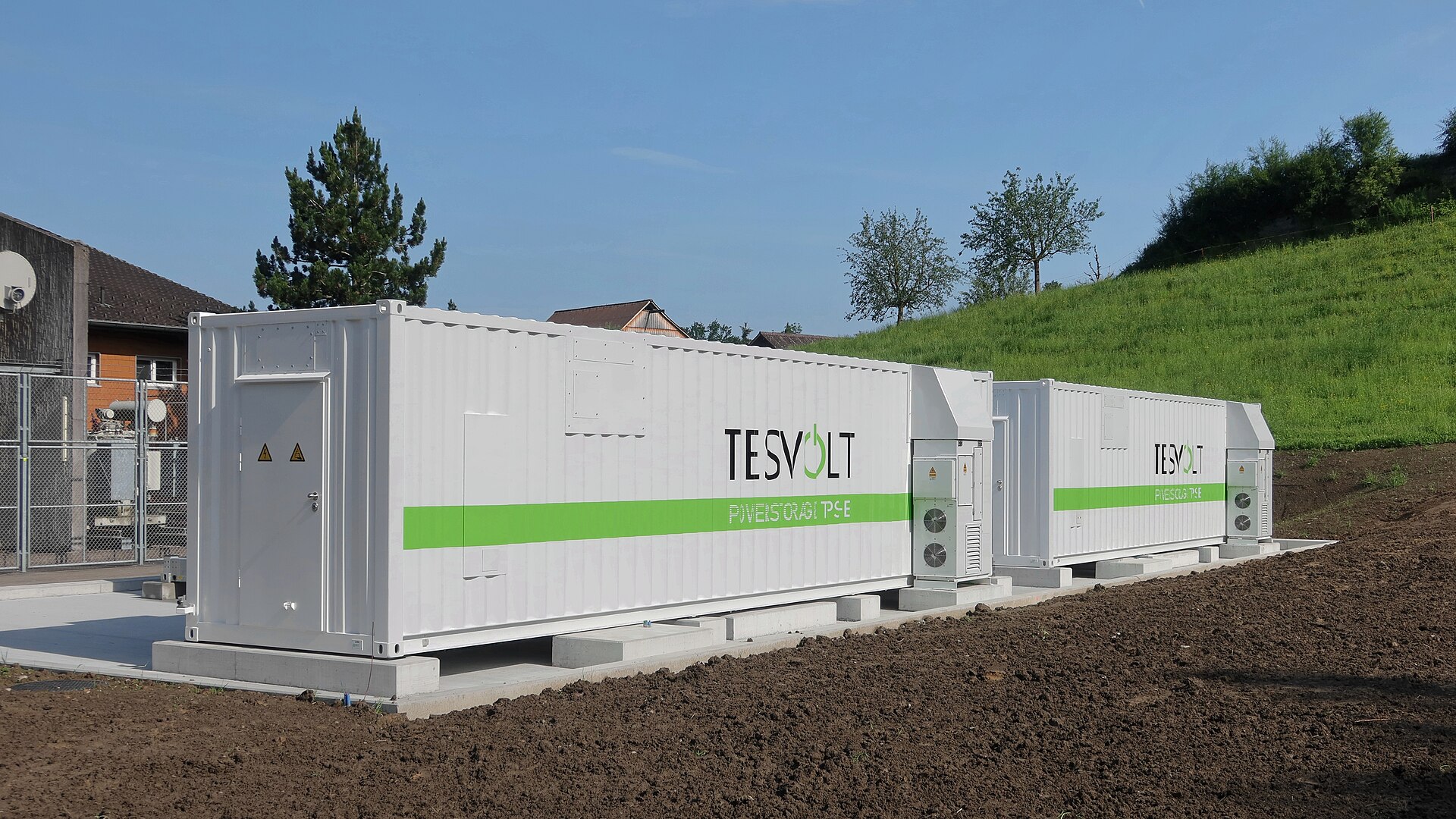
Badly reassembled second-life batteries are unsafe. That is an inspection, testing and standards problem — cell-level state-of-health verification, traceability, thermal design review. Removing the qualification channel does not raise the safety floor for non-compliant operators; it removes the visibility that made compliant ones distinguishable.
On what recycling delivers
Hydrometallurgical recycling closes the materials loop, so nothing is lost.
Recovery rates are high for cobalt and nickel and materially lower for lithium and graphite in most operating plants. The loop is closed for some elements and leaky for others — and the process is energy-intensive in its own right.
On capacity timing
The volume will simply flow to recyclers instead.
Only if the recyclers exist. Formal hydrometallurgical capacity expands on a build cycle of years. If retirement volume outpaces it while the reuse channel is simultaneously narrowed, the residual flows to informal handlers — which is the outcome the policy was written to prevent.
The uncomfortable read
References and image credits›
- 01MIIT announcement, mirrored by Hunan Provincial Government
- 02Shanghai Metals Market — MIIT ends announcement management for second-life batteries
Diagram: The Waste Stack · Photo: Kecko, CC BY 2.0, via Wikimedia Commons · Diagram: The Waste Stack · Photo: CC0, via Wikimedia Commons