
Vaulted Deep buries organic waste a mile down and sells it as carbon removal
The injection technology is real, permitted, and has been running since 2008. The gap between what has been delivered and what has been contracted is roughly seventy-fold — and the credits rest on a counterfactual.
Vaulted Deep was Fast Company's third Most Innovative Company in North America for 2026, a CNBC Disruptor 50 pick, and holds a twelve-year Microsoft contract for up to 4.9 million tons of carbon removal.
The mechanism is unusually easy to describe: take wet organic waste, make a slurry, and pump it a mile underground.
What is actually proven
This is not a paper company with a rendering. It is an operating disposal business with a permit stack and a seventeen-year track record.
Start with the part that holds up, because a lot of it does.
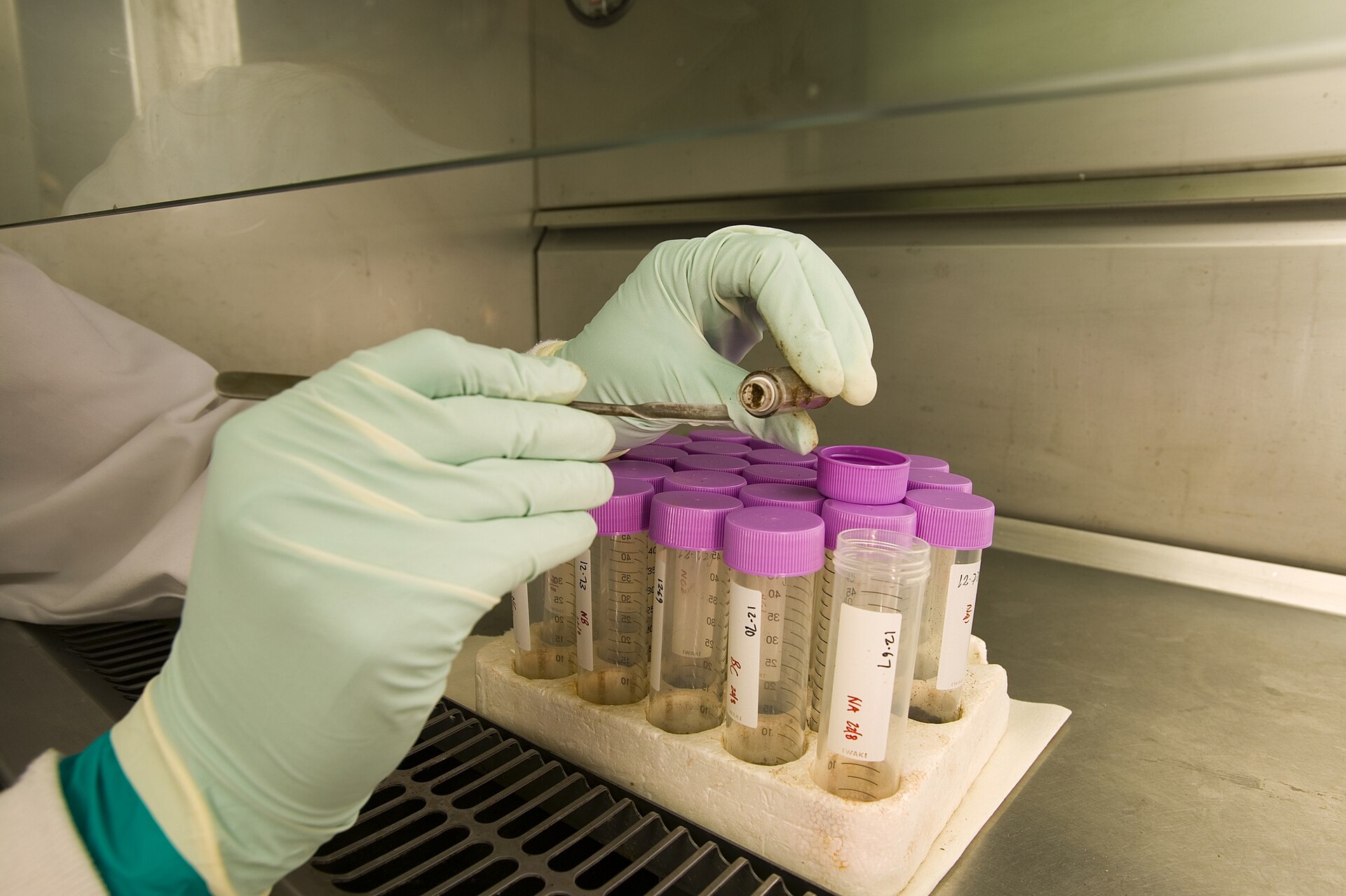
The waste stream is biosolids, manure, food and paper residues — the wet, contaminated organics that landfills increasingly reject, incinerators handle badly, and land application is being restricted for on PFAS grounds.
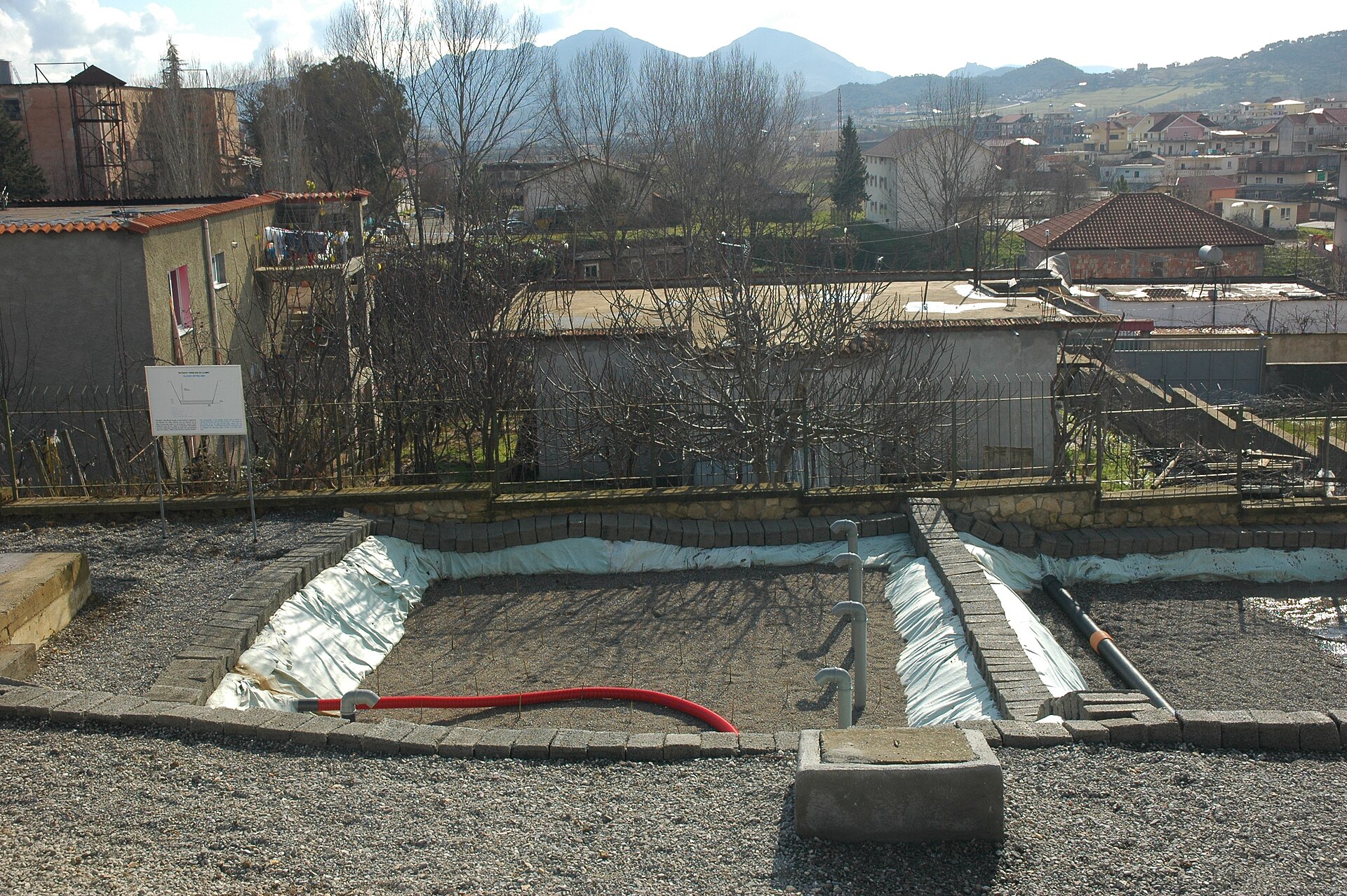
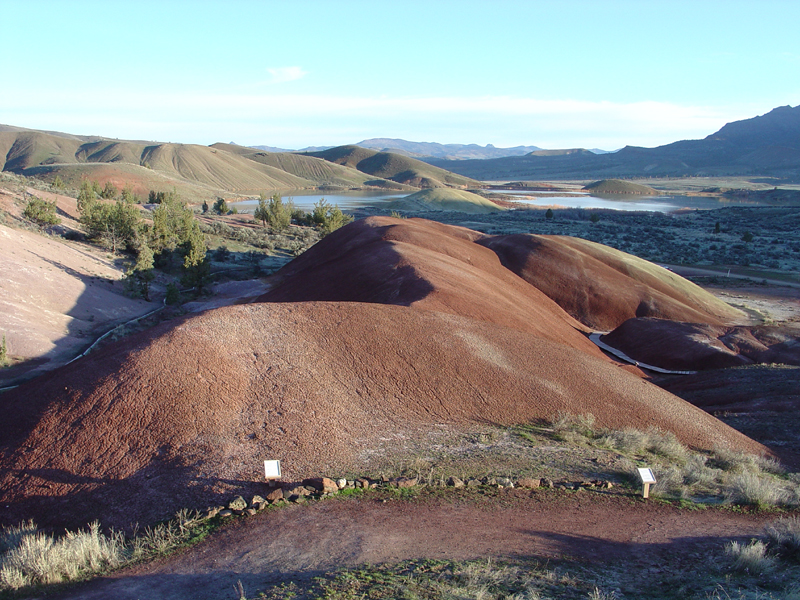
The destination is porous sedimentary rock or salt caverns beneath impermeable caprock — the same geology that held hydrocarbons in place for tens of millions of years. There is no oxygen down there, so aerobic decomposition does not occur and the carbon stays where it is put.
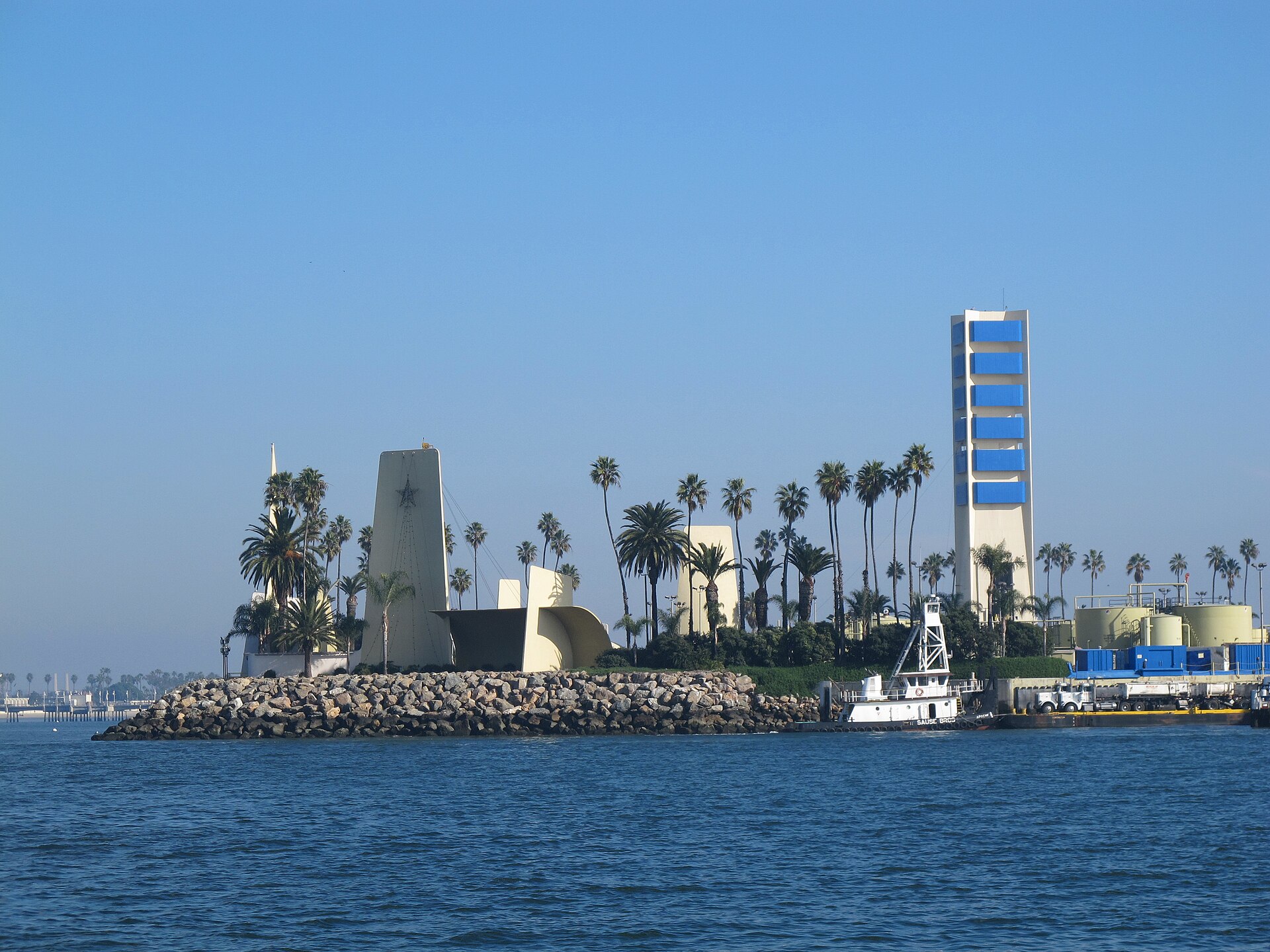
The injection technology is adapted from oilfield waste disposal via parent company Advantek. The Terminal Island well in Los Angeles has been taking biosolids since 2008. There are EPA Underground Injection Control permits. The carbon registry Isometric certifies 0.05 tons of CO2 emitted per ton sequestered, which is a best-in-class ratio.
Where the numbers stop matching
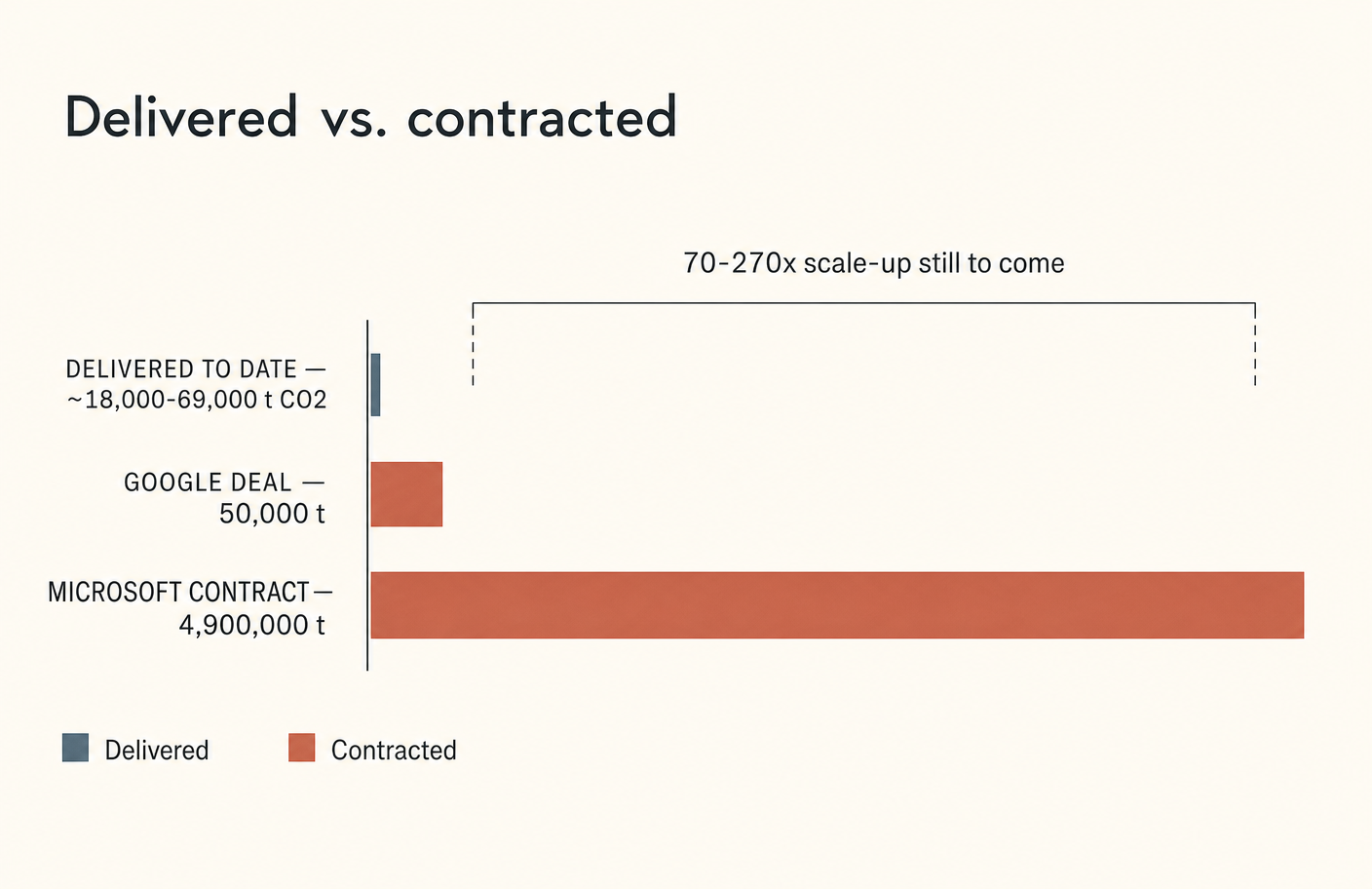
Delivered volume sits somewhere in the tens of thousands of tons of CO2, against roughly 157,000 tons of waste sequestered. The Microsoft contract is 4.9 million tons; Google's is 50,000. That is a 70x to 270x scale-up, spread across wells that are not yet drilled, permitted, or sited.
Contracted volume is not delivered volume. Every carbon-removal company is judged on the second number eventually.
The definitional problem
Here is the part the awards coverage tends to skip.
Injecting organic waste underground is permanent carbon removal.
It is a disposal method whose climate benefit is calculated against what the waste would otherwise have done — largely avoided landfill methane, not atmospheric drawdown.
Carbon removal, strictly, means taking CO2 out of the air and keeping it out. What is happening here is that biogenic carbon which had already been removed from the air by plants is prevented from returning. The credit value therefore depends entirely on the baseline you assume: landfilled? Land-applied? Composted? Digested?
Change the counterfactual and the tonnage changes with it. That is not fraud — it is how avoided-emissions accounting works — but it is a different product from direct air capture, and it is being sold into the same market.
Three open questions
Induced seismicity. High-pressure fluid injection is a known trigger for earthquakes; the oilfield wastewater industry learned this the expensive way in Oklahoma. Slurry injection at scale inherits that risk profile and the monitoring obligations that come with it.
Groundwater over ten millennia. The permanence claim is 10,000 years. The regulatory framework — UIC permitting — was not designed to certify anything over that horizon, and no one has data on that horizon.
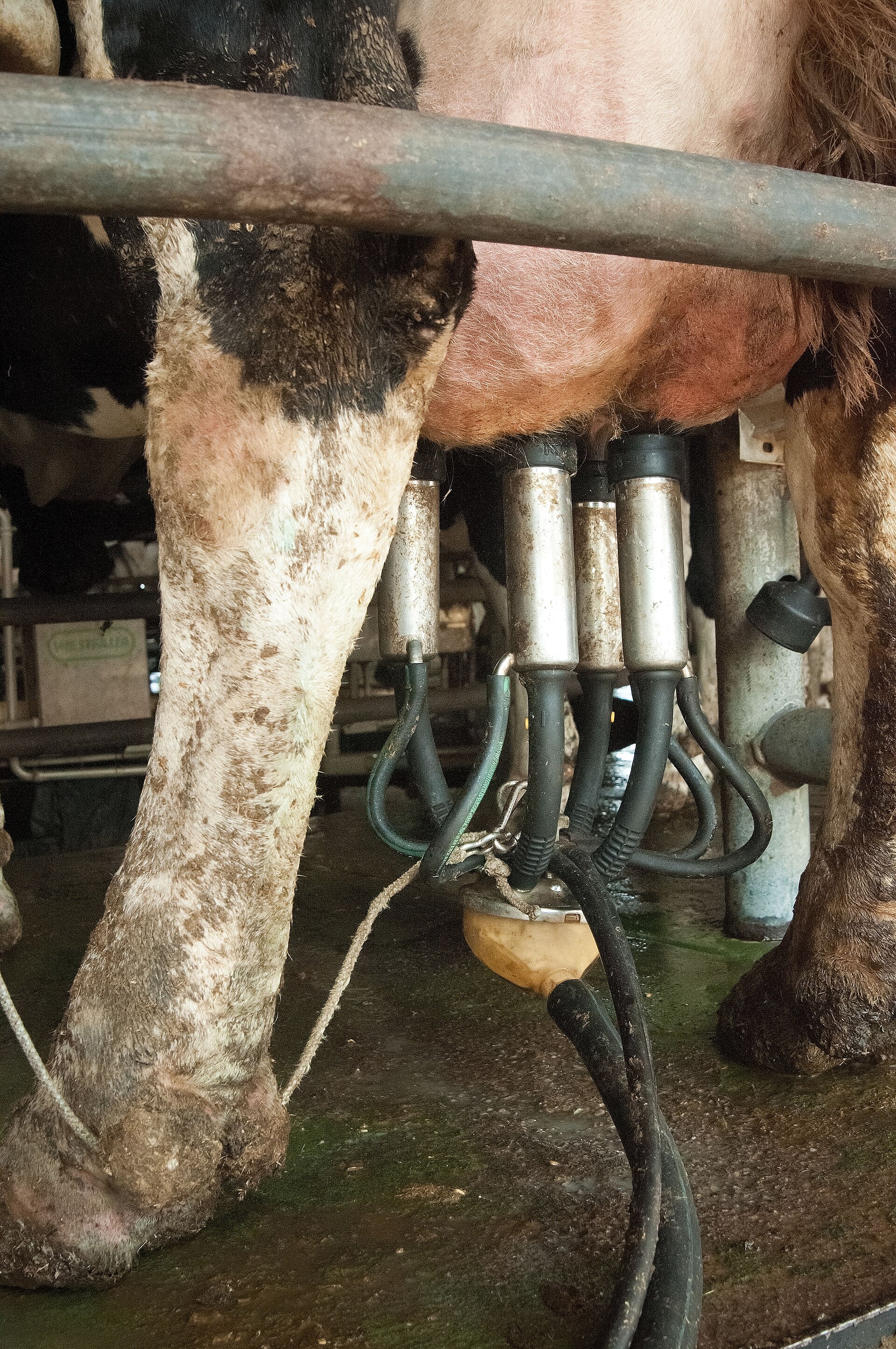
Opportunity cost. Biosolids and food waste can become compost, biogas, or biochar. Each of those returns nutrients, energy, or soil carbon. Entombment returns nothing.
The honest summary
A real, permitted, operating outlet for the wet organics nobody else wants — with genuine verification and serious buyers. Also a disposal service being priced as a climate product, delivering under one percent of what it has sold, on a permanence claim nobody can test.
Both of those are true at once.
References and image credits›
- 01Waste Dive — Vaulted Deep bets carbon storage can enable a waste solution
- 02Carbon Credits — Microsoft and Vaulted Deep removal deal
- 03Vaulted Deep — Technology
Photo: donielle, CC BY-SA 2.0 · Photo: SuSanA Secretariat, CC BY 2.0 · Photo: USGS, public domain · Photo: David McClenaghan, CSIRO, CC BY 3.0 · Photo: USDA, public domain