
Republic Services' 250 electric trucks: real progress, wrong headline
Electric collection trucks work, and Republic has proved it at city scale. But they are about 1.5% of its fleet — and its landfills' methane dwarfs anything coming out of a tailpipe.
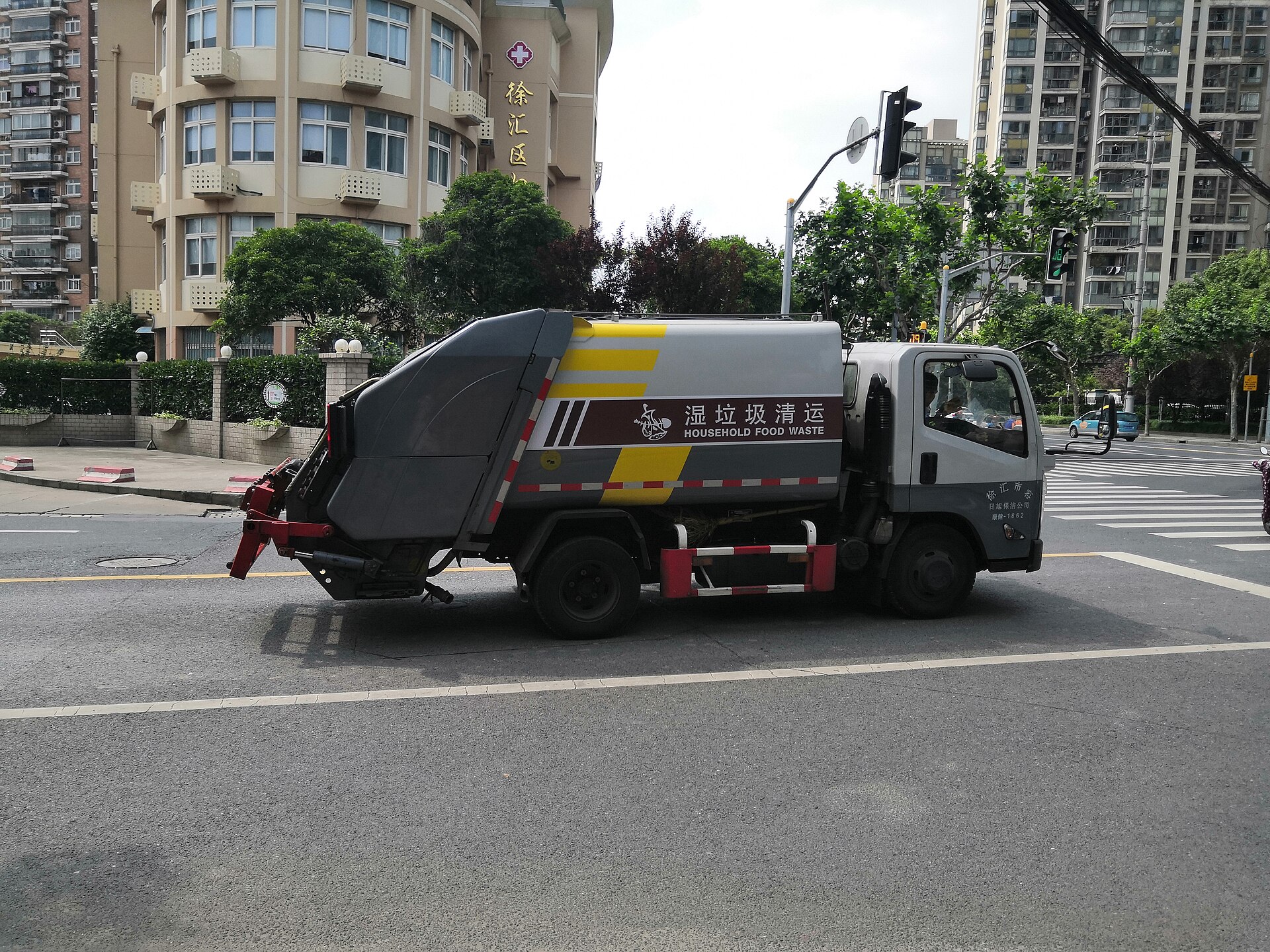
Republic Services marked its 250th electric collection vehicle in September 2026 and expects to pass 300 by year-end. San Pablo, California became the state's first fully electric residential collection fleet. It is one of the largest EV operations in the waste industry.
Why refuse trucks suit electrification
Fixed routes, constant stop-start (good for regenerative braking), nightly return to a depot for charging, and residential streets where noise and air quality matter. San Pablo shows an entire municipal fleet can run on batteries.
That saving assumes each truck replaces a diesel doing about 25 miles a day at 10 mpg. It is real.
The proportion problem
The EV fleet is core climate leadership.
250 trucks out of roughly 16,000 is about 1.5% of the fleet — and the company's largest emissions source is not its trucks.

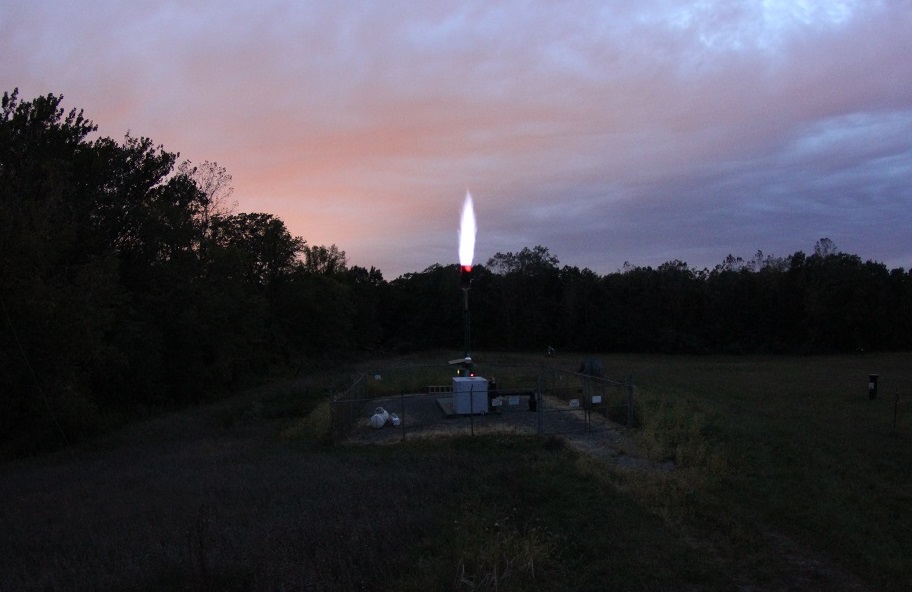
Republic runs dozens of U.S. landfills. Landfill methane is about 84 times more potent than CO2 over 20 years. Fugitive emissions from those sites plausibly run to hundreds of thousands of tonnes CO2-equivalent a year — two orders of magnitude above the EV saving.
What gets reported, and what does not
The Q1 2026 earnings call leaned on EV trucks as evidence of sustainability. Landfill gas capture rates and methane leakage were not highlighted. The sustainability page emphasises "zero-emission" trucks but does not prominently report fugitive landfill methane.
A fairer framing
The trucks are not greenwashing. They are good operations and a genuine proof of concept for the industry. The risk is visibility: a quiet, photogenic fleet story can stand in for the harder work of wellfield expansion, better cover practice, faster gas capture on new cells, and satellite-verified leak reporting.
The question to ask any waste company: publish landfill methane with the same prominence as EV milestones.
References and image credits›
- 01Waste Dive — The road to 300: Republic Services details electric fleet strategy
- 02Republic Services — Climate leadership: electrification
Photo: Kate Jewell, CC BY-SA 2.0, via Wikimedia Commons · Photo: Vince Reinhart, CC BY-SA 2.0