
"A landfill is just a hole in the ground"
A regulated municipal solid-waste landfill is an engineered containment system with liners, leachate capture, gas wells and decades of post-closure obligation. That is also not the same as saying it is safe forever.
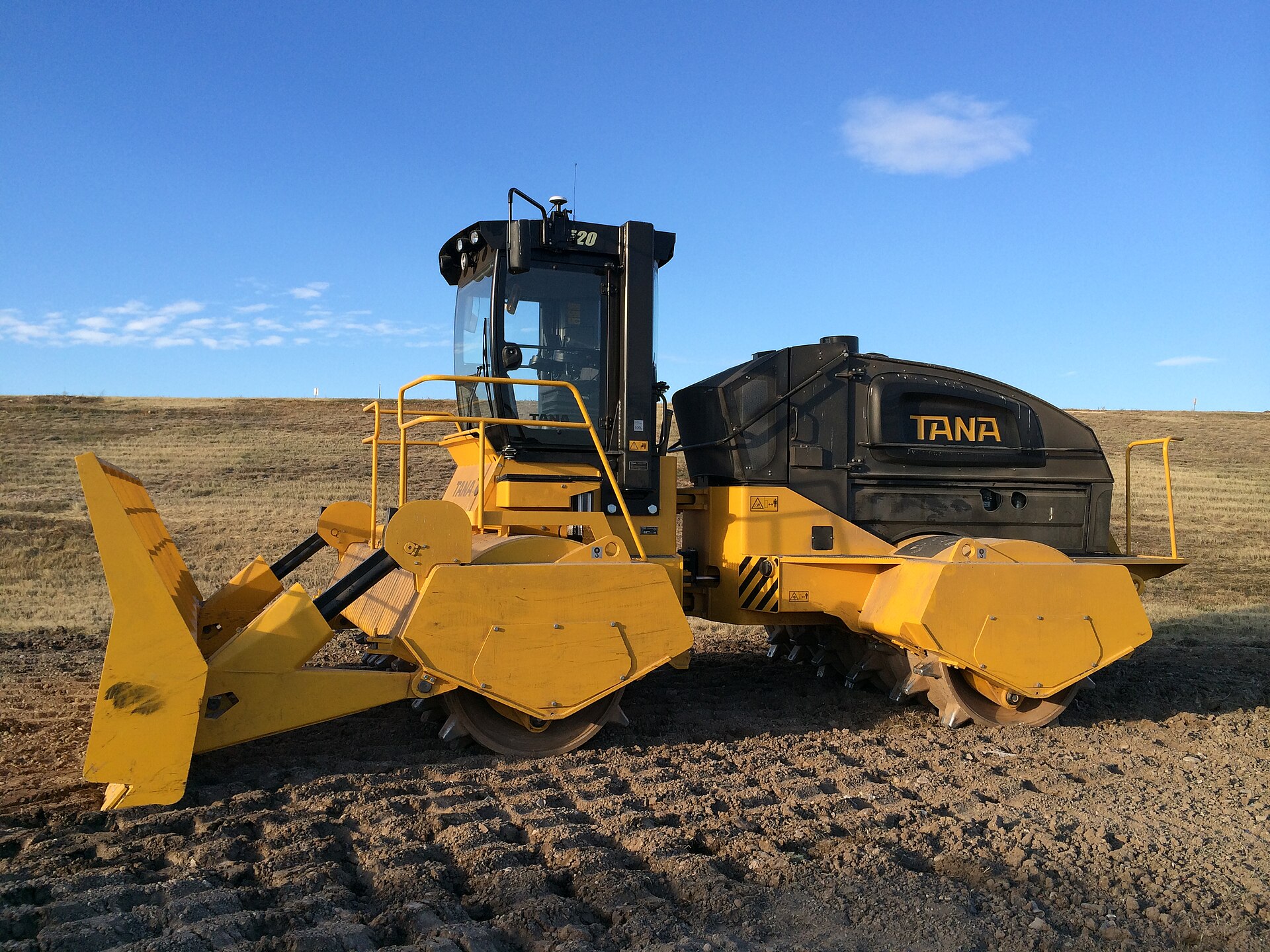
A landfill is an excavated hole where rubbish is dumped, left to leak and rot.
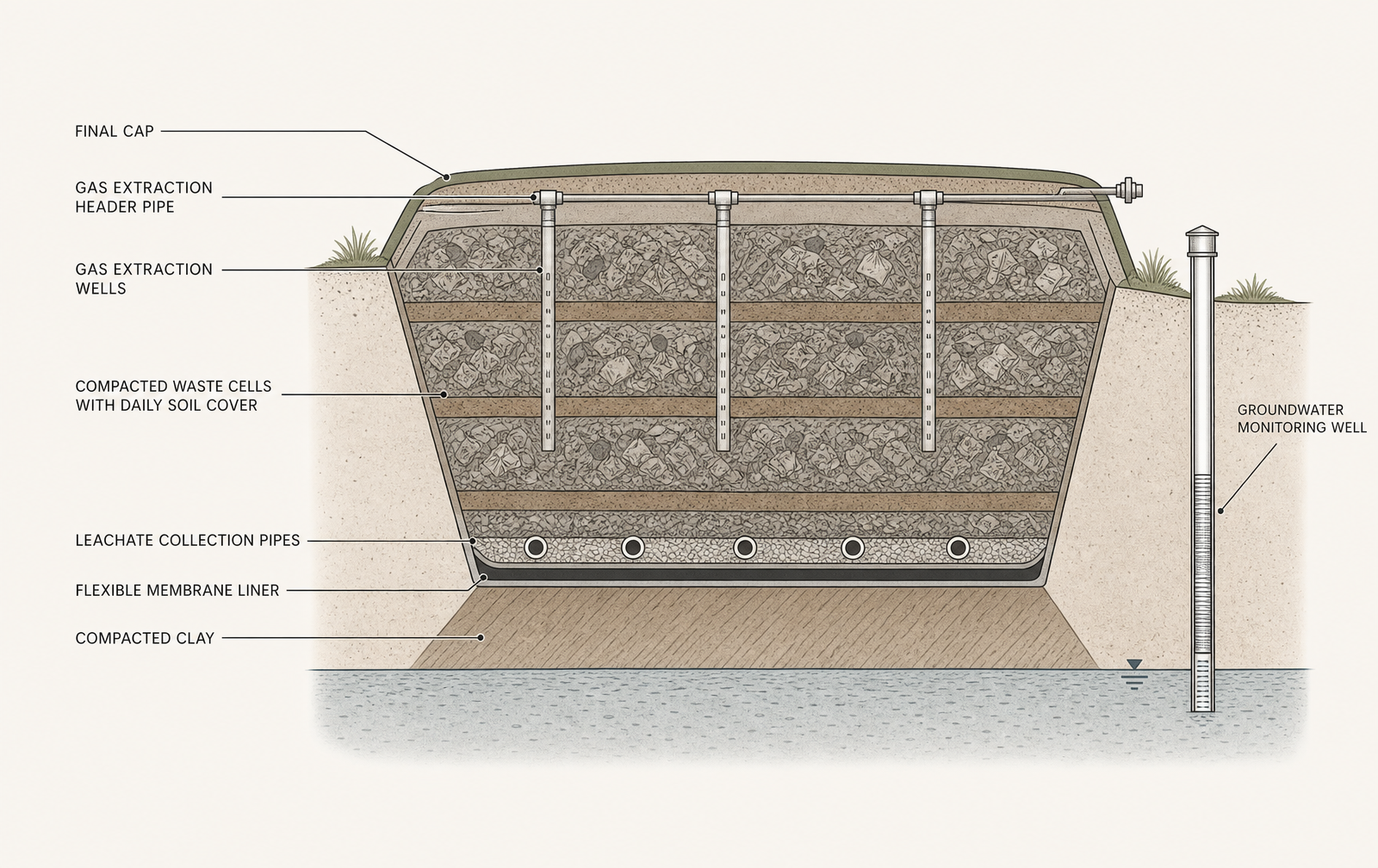
Under U.S. Subtitle D criteria, a municipal solid-waste landfill is an engineered and regulated facility with location restrictions, composite liners, leachate collection and removal, groundwater monitoring, compaction and cover, closure and post-closure care, corrective action and financial assurance.
What is actually under the waste
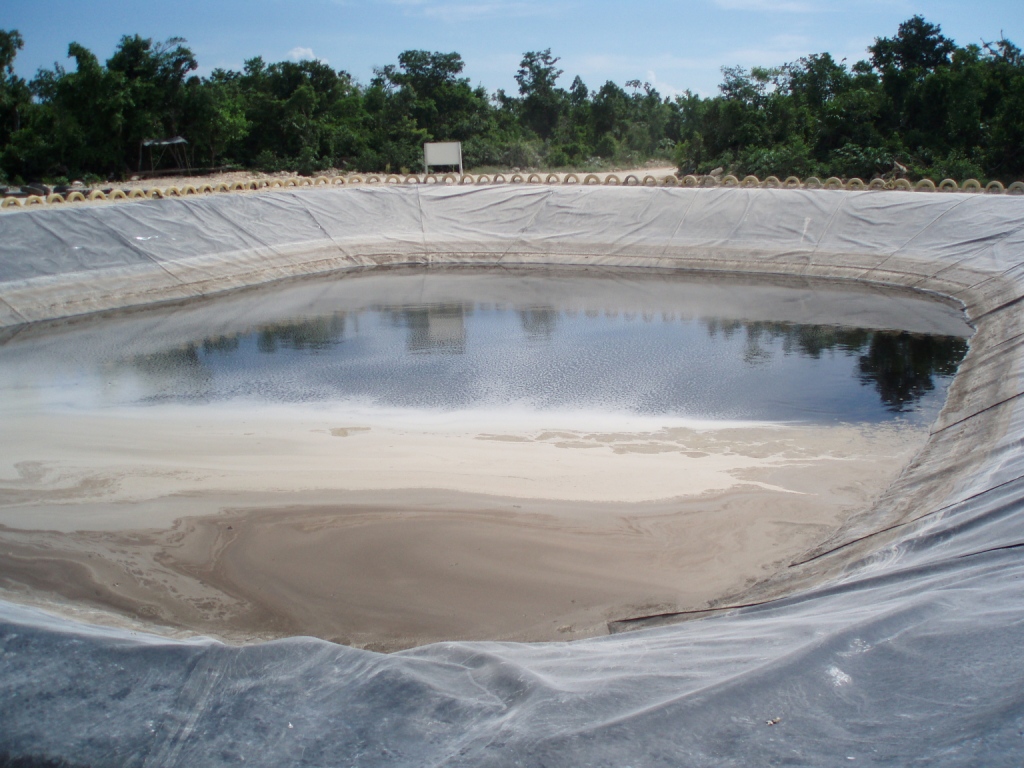
The liner is a flexible membrane sitting over roughly two feet of compacted clay. Its job is to keep leachate - the liquid that percolates through the waste mass - out of soil and groundwater.
Directly above the liner is the leachate collection and removal system, which drains that liquid off to treatment and disposal rather than letting it pool against the barrier.
What daily operations do
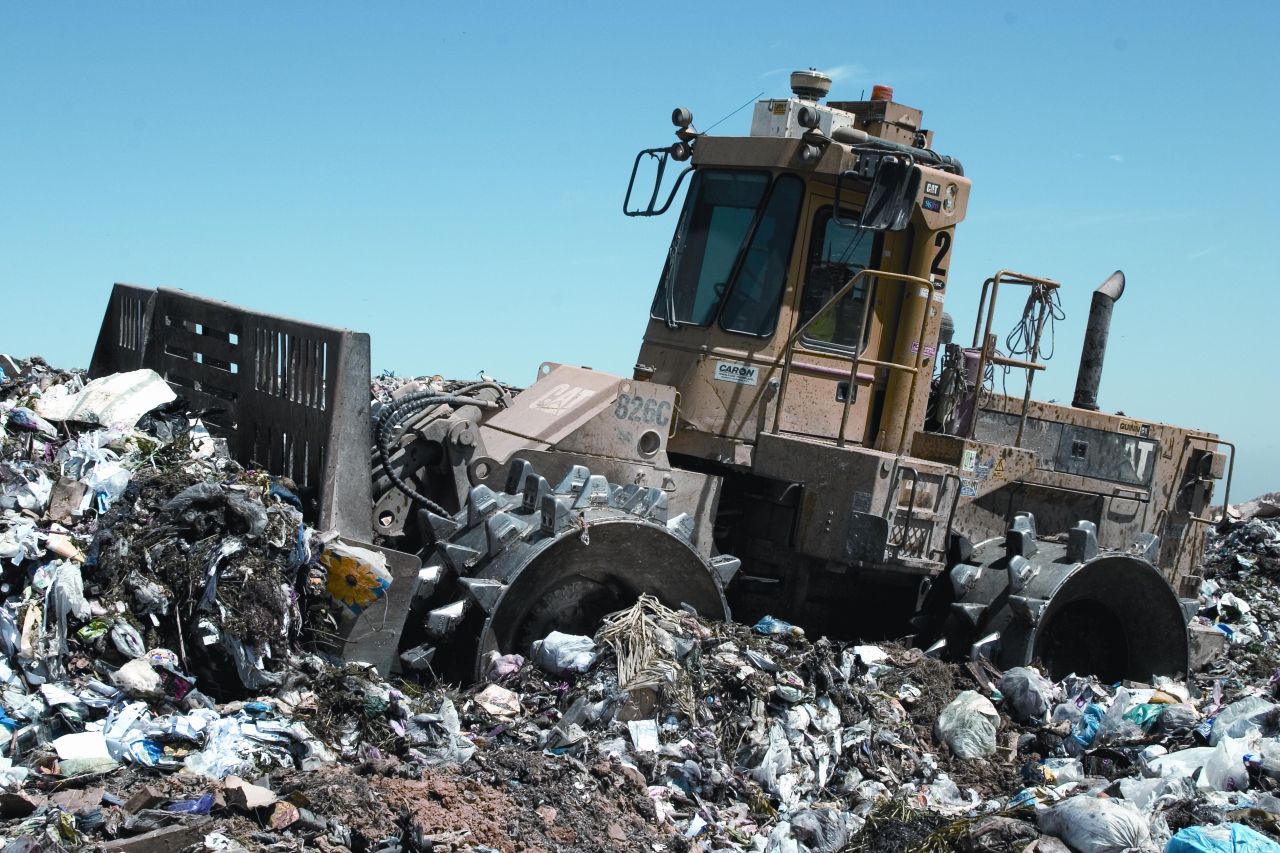
Compaction and frequent soil cover are what separate a working cell from a dump: they suppress odour, litter, insects and rodents, and they keep the waste mass dense and stable.
Groundwater monitoring wells sit around the facility to detect whether anything has escaped containment. That is a check on the liner, not a substitute for it.
If it is engineered and permitted, the waste is sealed away and the problem is over.
A landfill is not a time capsule. Organic waste keeps generating methane under anaerobic conditions for decades, and gas collection only addresses gas that the collection system actually reaches.
What the engineering does not mean
Design requirements reduce risk. They do not prove pollution disappears.
Requirements and enforcement vary by jurisdiction. EPA's own overview is explicit that it does not describe any particular facility's exact design or operating performance - it describes the criteria, not the outcome at your local site.
Practical takeaway
Start by asking whether the facility is a permitted engineered landfill or an uncontrolled dump. Those are genuinely different objects and collapsing them makes both conversations worse.
Then ask for the records: liner specification, leachate volumes and treatment route, groundwater monitoring results, methane collection performance, and the closure and post-closure care plan with its financial assurance.
The word "landfill" tells you almost nothing. Those six documents tell you almost everything.
The honest caveat
Properly sited and managed landfills isolate waste, capture leachate, monitor groundwater, control daily nuisances and fund their own long-term obligations. That is a real engineering achievement and it deserves to be recognised as one.
It is also risk reduction rather than elimination, and it varies with jurisdiction, enforcement and operator. Both halves of that sentence are true at the same time.
Worth arguing about
When you hear "landfill," do you picture a regulated engineered facility or an open dump - and what evidence would change that picture?
References and image credits›
Photo: Tanaoy, CC BY-SA 4.0, via Wikimedia Commons · Diagram: The Waste Stack · Photo: Victor787, CC BY 3.0, via Wikimedia Commons · Photo: Ropable, public domain, via Wikimedia Commons