
Why landfill methane spikes when the weather turns
A two-and-a-half-year monitoring run at a New Jersey landfill estimated roughly five times the methane previously reported. The mechanism is seasonal, and it is not exotic.
Buried waste does not emit methane at a constant rate. It emits it in windows - and the windows are set by weather.
How the gas gets made
Food scraps, paper, wood and other organics go into the cell. At first, oxygen-loving microbes do the breaking down, and they produce very little methane.
Usually within less than a year the oxygen is gone. Anaerobic microbes take over, and the output becomes landfill gas: roughly half methane, half carbon dioxide, plus trace compounds.
That part is textbook. The interesting part is what happens on the way out.
The cover is a living filter
The soil cover is not just a lid. It hosts methane-consuming microbes that oxidise a portion of the gas before it reaches the atmosphere.
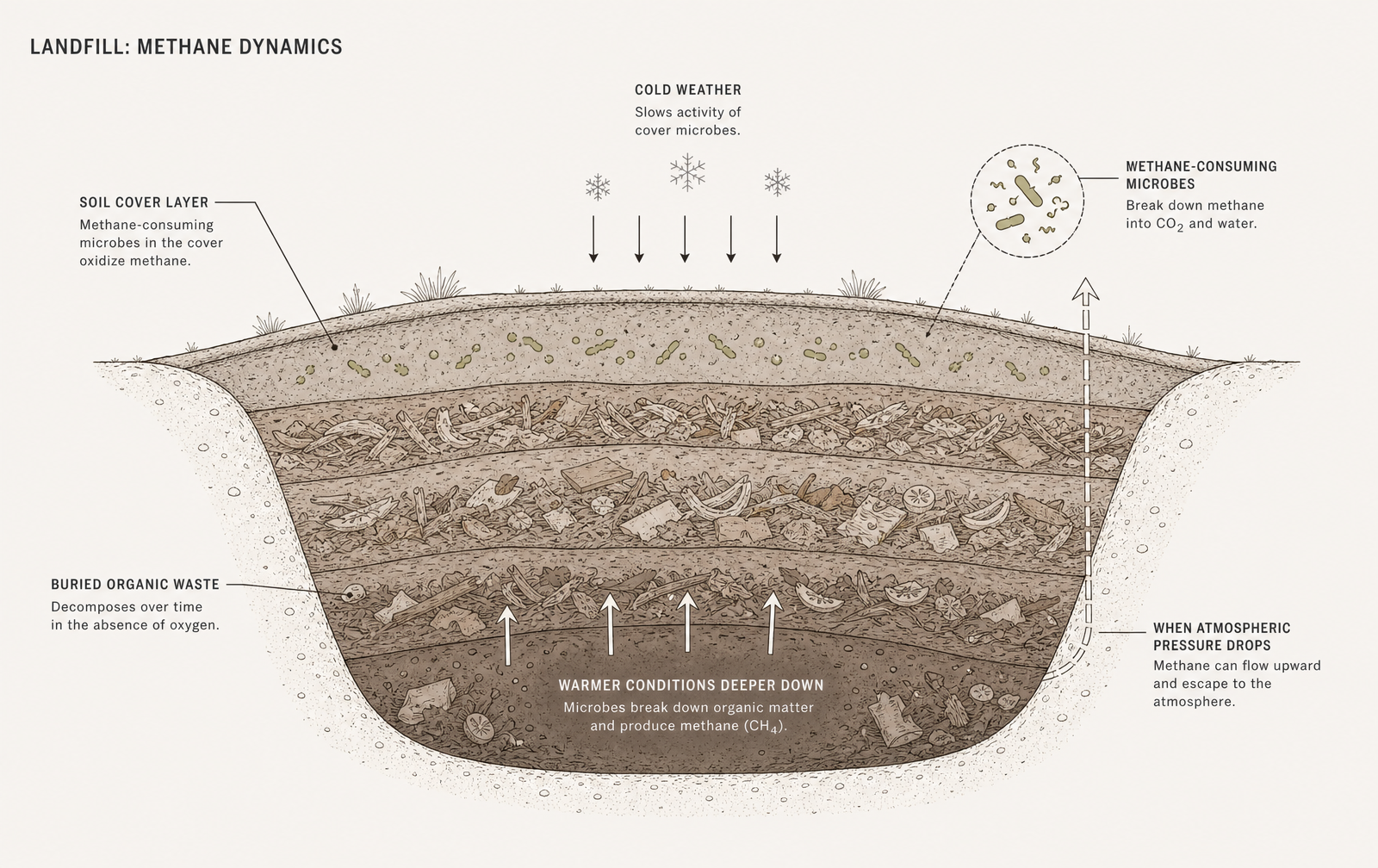
Cold weather slows those microbes down. The waste deeper in the landfill stays warm and keeps generating gas. The result is a seasonal mismatch: production holds steady, oxidation drops, and more methane makes it through.
Atmospheric pressure adds a second lever. High pressure tends to hold gas inside the waste mass. When a low-pressure system moves in, the gradient reverses and methane escapes more readily.
What the monitoring found
Researchers ran continuous methane readings from a tower near a New Jersey landfill for two and a half years, then cross-checked the estimates against two aircraft overflights.
The site's estimated 2023 emissions came out at about five times what had previously been reported to the EPA.
The researchers were explicit that this is not a universal multiplier. One landfill, one geology, one climate, one set of operating practices. It is a warning about method, not a national correction factor.
What collection actually does
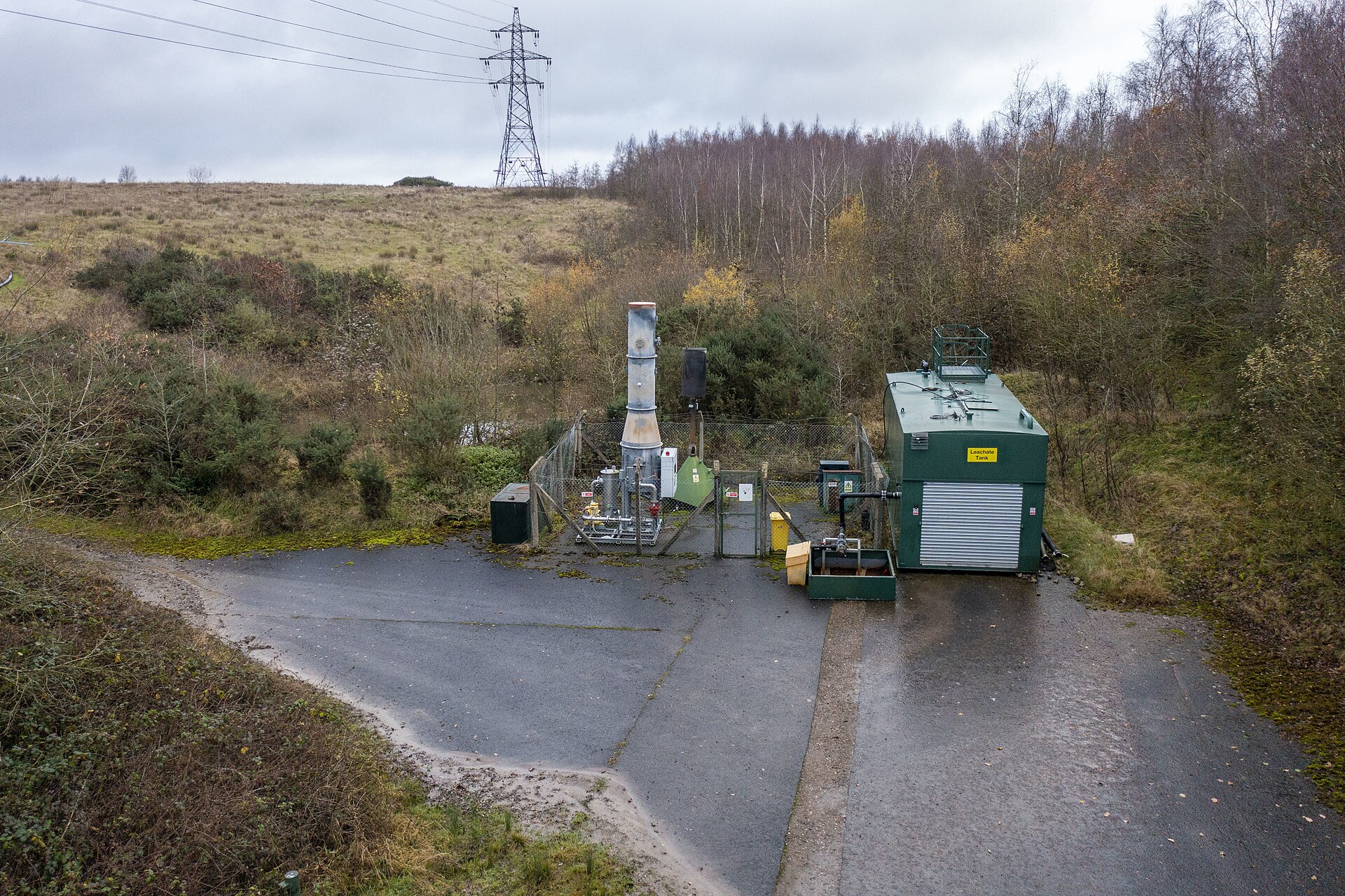
Gas control is mechanical. Wells are drilled into the waste mass, and a blower or vacuum system pulls the collected gas to a central point. From there it is either flared or cleaned up for energy use - electricity generation or renewable natural gas.
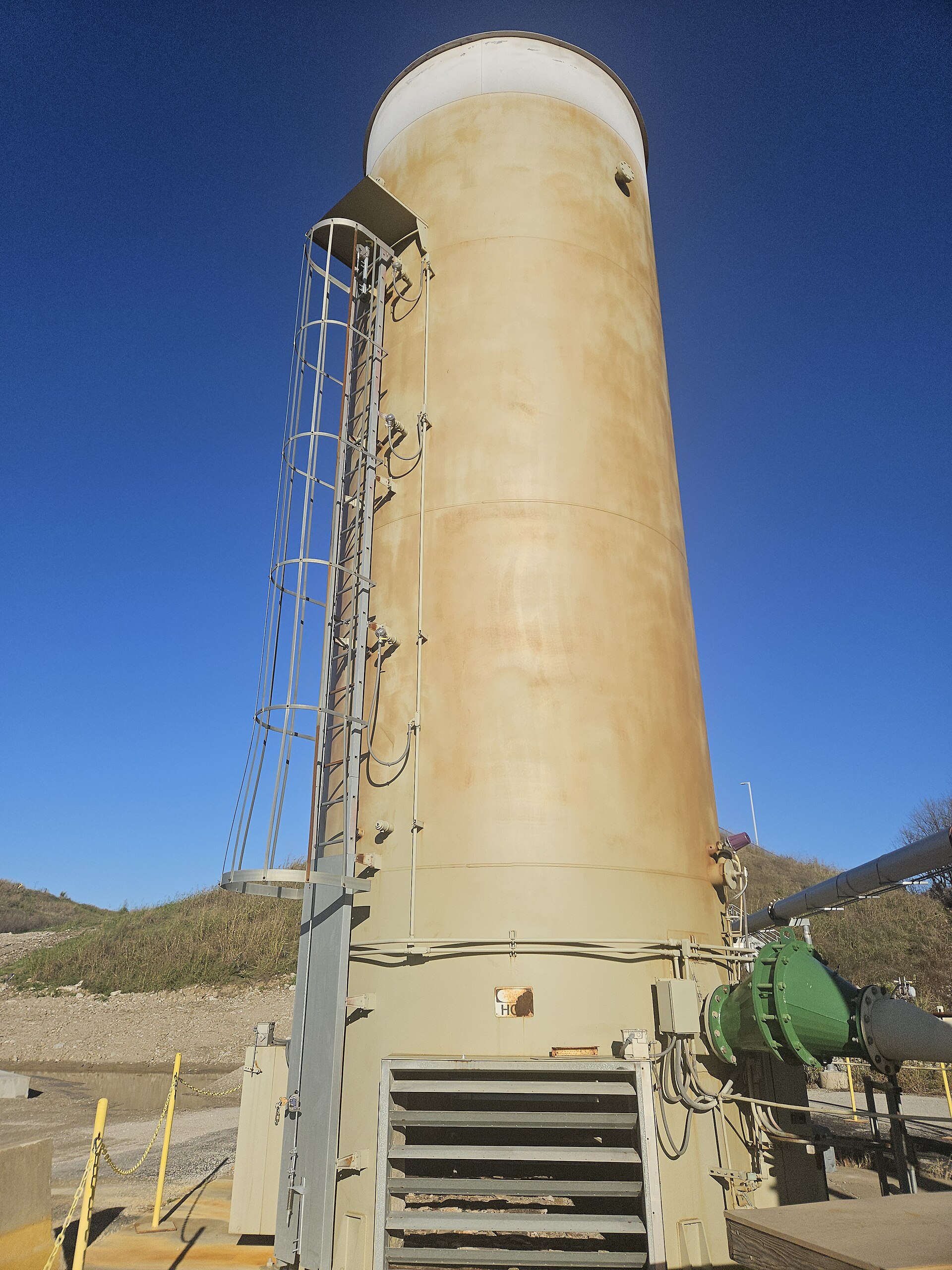
EPA is clear that collection and use reduces methane migration, odours and other hazards. It does not claim the system captures everything.
The practical lesson
A single fair-weather survey measures a landfill on a good day. If the release windows are cold snaps and pressure drops, a summer flyover will systematically miss them.
Two changes follow from that. Monitor across seasons and pressure conditions rather than sampling once. And adjust pumping ahead of likely release windows instead of running a static extraction rate year-round.
The honest caveat
This is one site, not yet replicated elsewhere. Aircraft, satellite and ground-based methods each have blind spots - resolution, coverage, wind assumptions, plume attribution - and they do not fail in the same way, which is exactly why the cross-check mattered here.
The finding worth carrying forward is not "landfills emit five times more." It is "short surveys are the wrong instrument for a seasonal signal."
Worth arguing about
Should landfill operators be required to publish continuous methane data, or are periodic inspections enough?
References and image credits›
- 01Columbia Climate School — Long-Term Study Suggests Landfill Methane Emissions Are Far Higher Than Estimates
- 02U.S. EPA — Basic Information about Landfill Gas
Photo: Nigel Chadwick, CC BY-SA 2.0, via Wikimedia Commons · Diagram: The Waste Stack · Photo: motion2motion (dimas danardana), CC BY 2.0, via Wikimedia Commons · Photo: DeVos Max, CC BY-SA 4.0, via Wikimedia Commons