
"Biodegradable" does not mean it disappears in a landfill
The word sounds like a disposal instruction. It is not. Whether anything degrades depends on the bin it lands in — and the US regulator's benchmark for an unqualified claim is a full year, in the route the product actually takes.
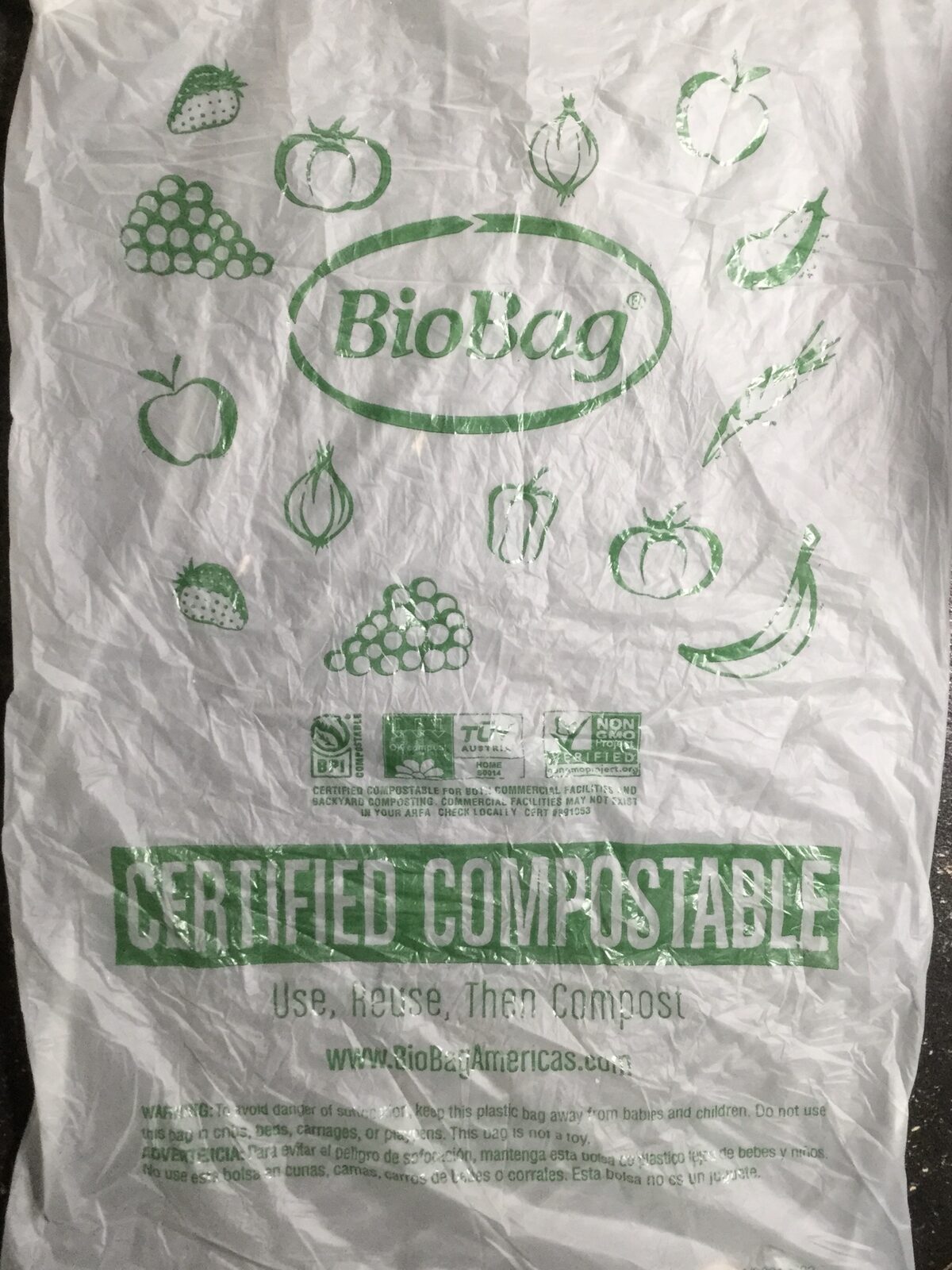
"Biodegradable" reads like permission. Put it in the bin, and nature handles the rest.
The word describes what a material can do under some set of conditions. It says nothing about the conditions your waste system actually provides.
The myth
If a package says "biodegradable", throwing it in the trash means it will harmlessly break down.
The FTC's Green Guides say an unqualified degradable claim requires proof the entire item completely breaks down and returns to nature within a reasonably short period after customary disposal. For solid waste, the benchmark is one year.
The second half of that rule is what does the work. The claim has to hold for the disposal route the product actually takes — not for a laboratory, and not for an industrial composter the buyer has no access to.
Where things actually go
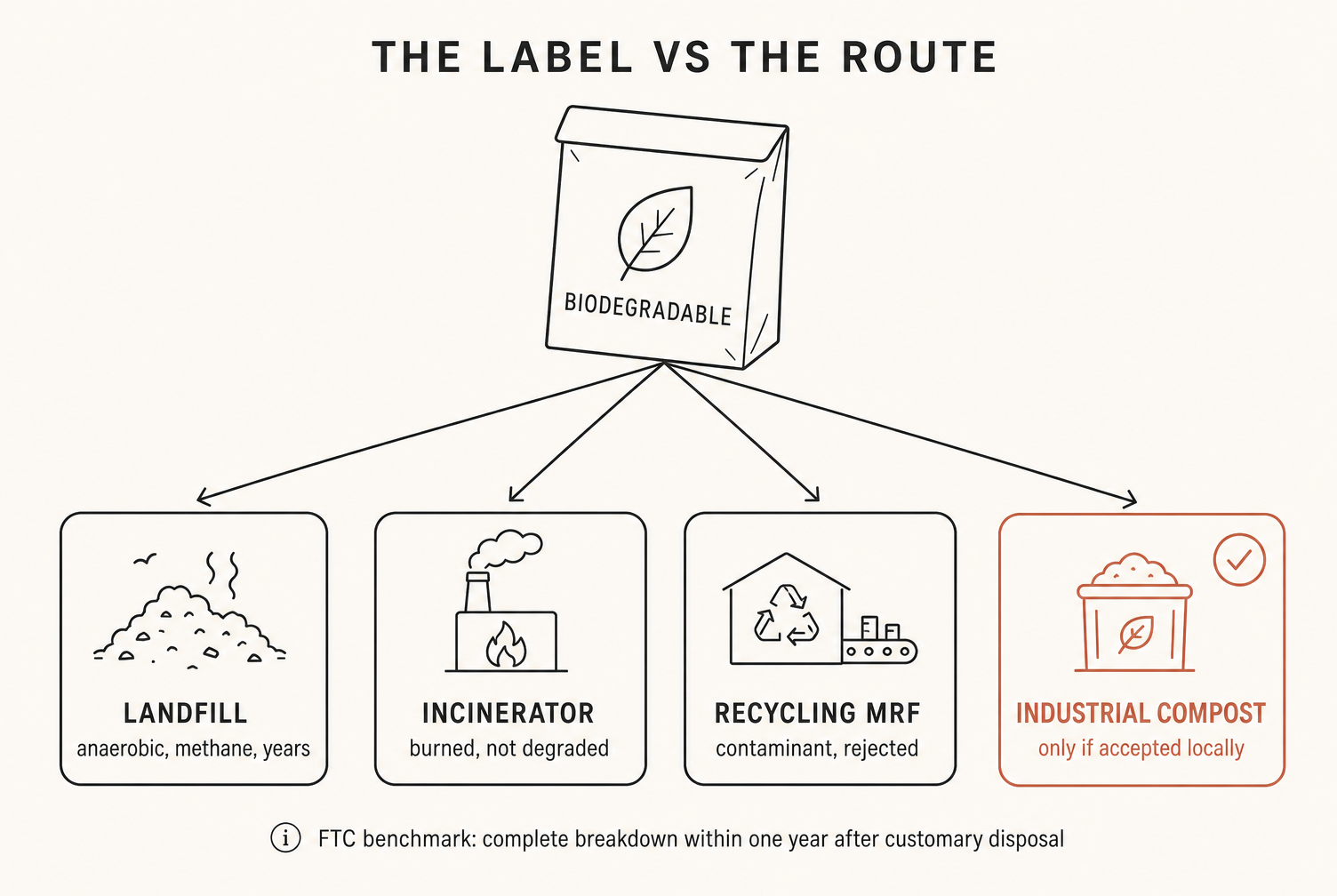
The FTC is explicit that items destined for landfills, incinerators or recycling facilities will not degrade within a year, so unqualified biodegradable claims should not be made for them.
Why a landfill is not a slow compost heap
The intuition behind the myth is that a landfill is a big pile of decomposing rubbish, so buried material breaks down gradually.
The EPA describes what actually happens. Fresh waste decomposes aerobically at first, while oxygen is present. Compaction and daily cover cut off the air supply, and conditions typically turn anaerobic within less than a year. From then on methane-producing bacteria are doing the decomposing, at rates that depend on moisture, temperature and how the cell is managed.
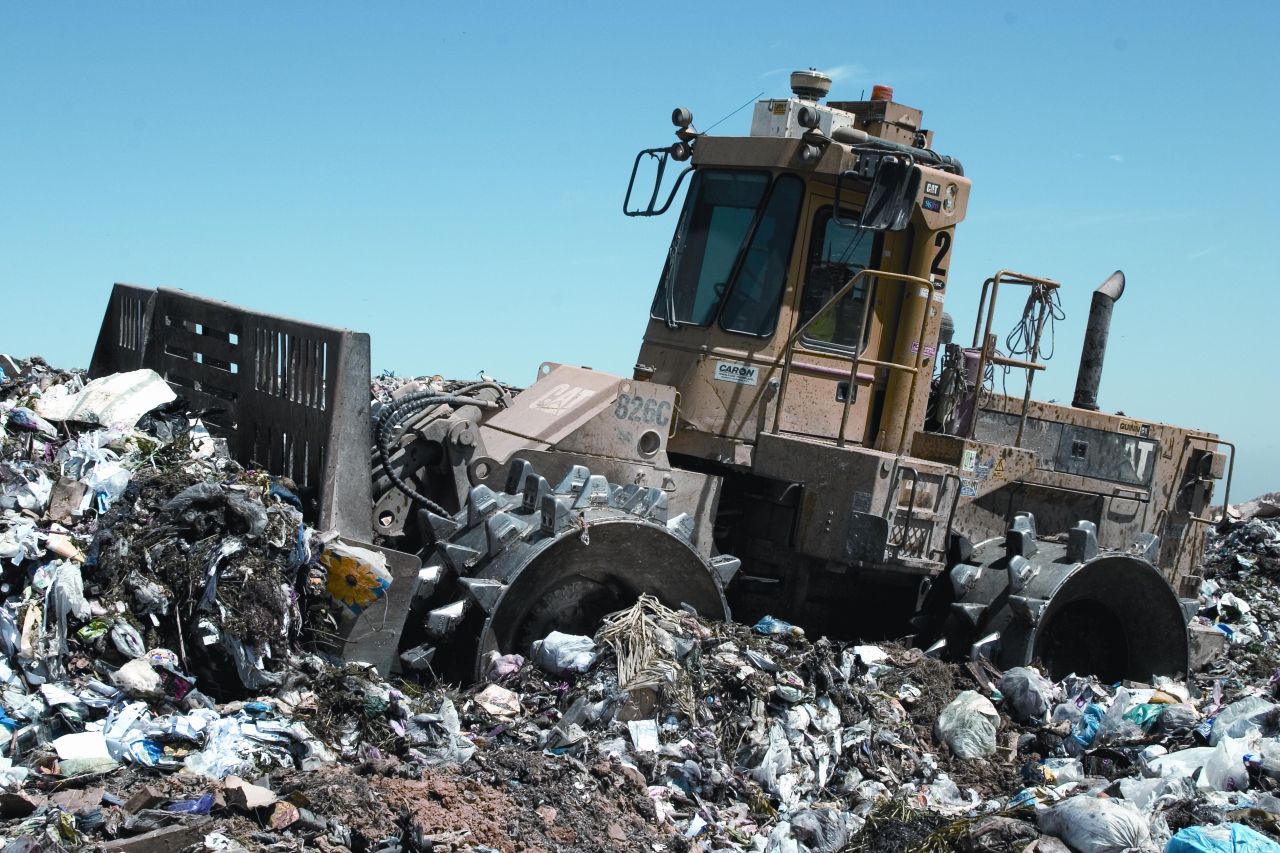
Two consequences follow. First, breakdown is slow and often incomplete. Second, whatever does break down anaerobically generates methane — so a material that degrades in a landfill can be worse for the climate than one that sits inert, unless the site captures its gas.
Compost is a specification, not a location
Industrial composting means sustained elevated temperature, controlled moisture, active aeration and a defined residence time. A garden heap does not reliably reach those conditions, which is why many certified-compostable items are certified for industrial facilities only.

The FTC's position follows from this: compostable claims should be qualified where home or institutional composting is not broadly available. A label cannot create a collection system.
And it is not a recycling-bin item
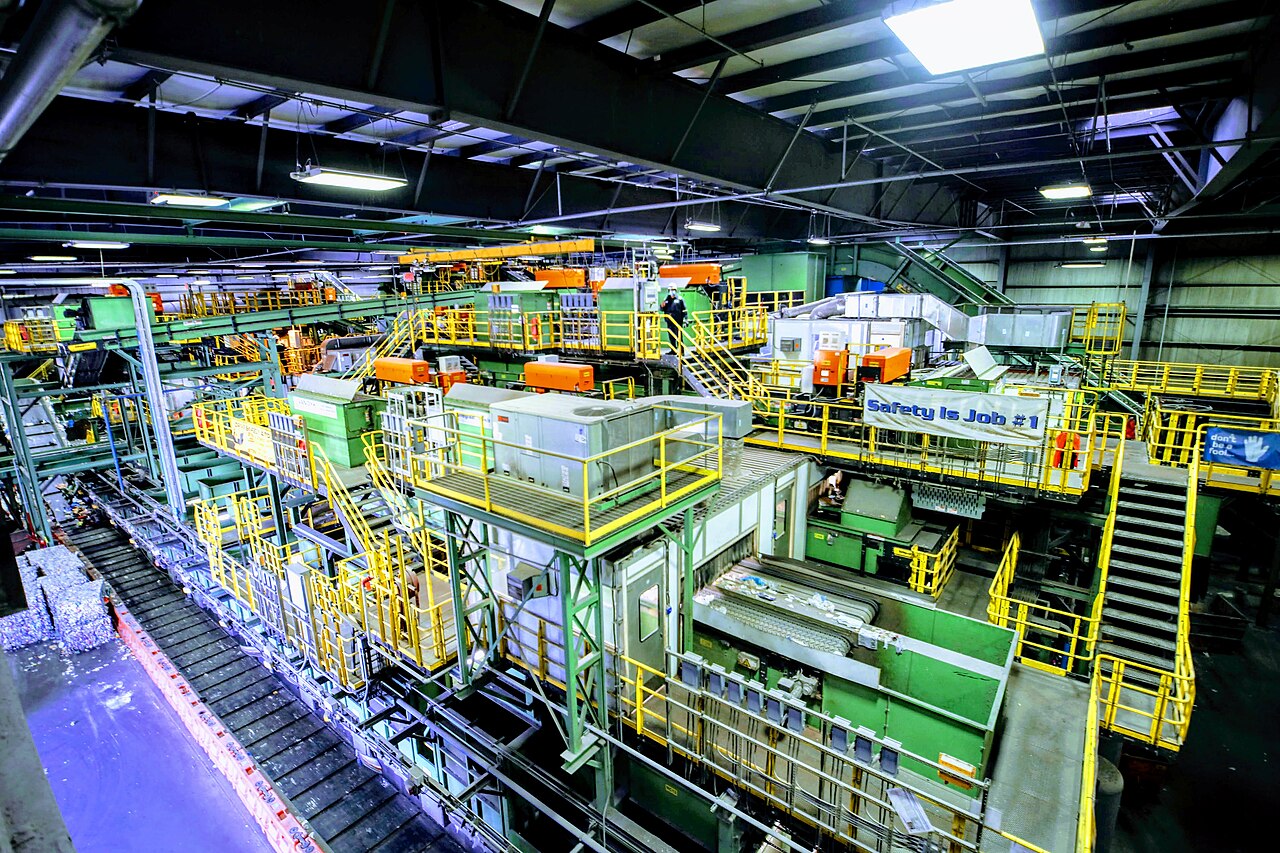
Putting a biodegradable or compostable item into mixed recycling makes it a contaminant. Sorting equipment separates by material class; a compostable film that looks and behaves like a plastic film gets sorted like one and then degrades the resulting bale.
What to actually do
Treat "biodegradable" as a claim to check, not a bin instruction.
- Look for a qualified claim that names the conditions — "compostable in industrial facilities", not a bare leaf logo.
- Check whether your local organics programme accepts the item. That is the only thing that determines the outcome.
- Do not put it in recycling unless your programme explicitly says to.
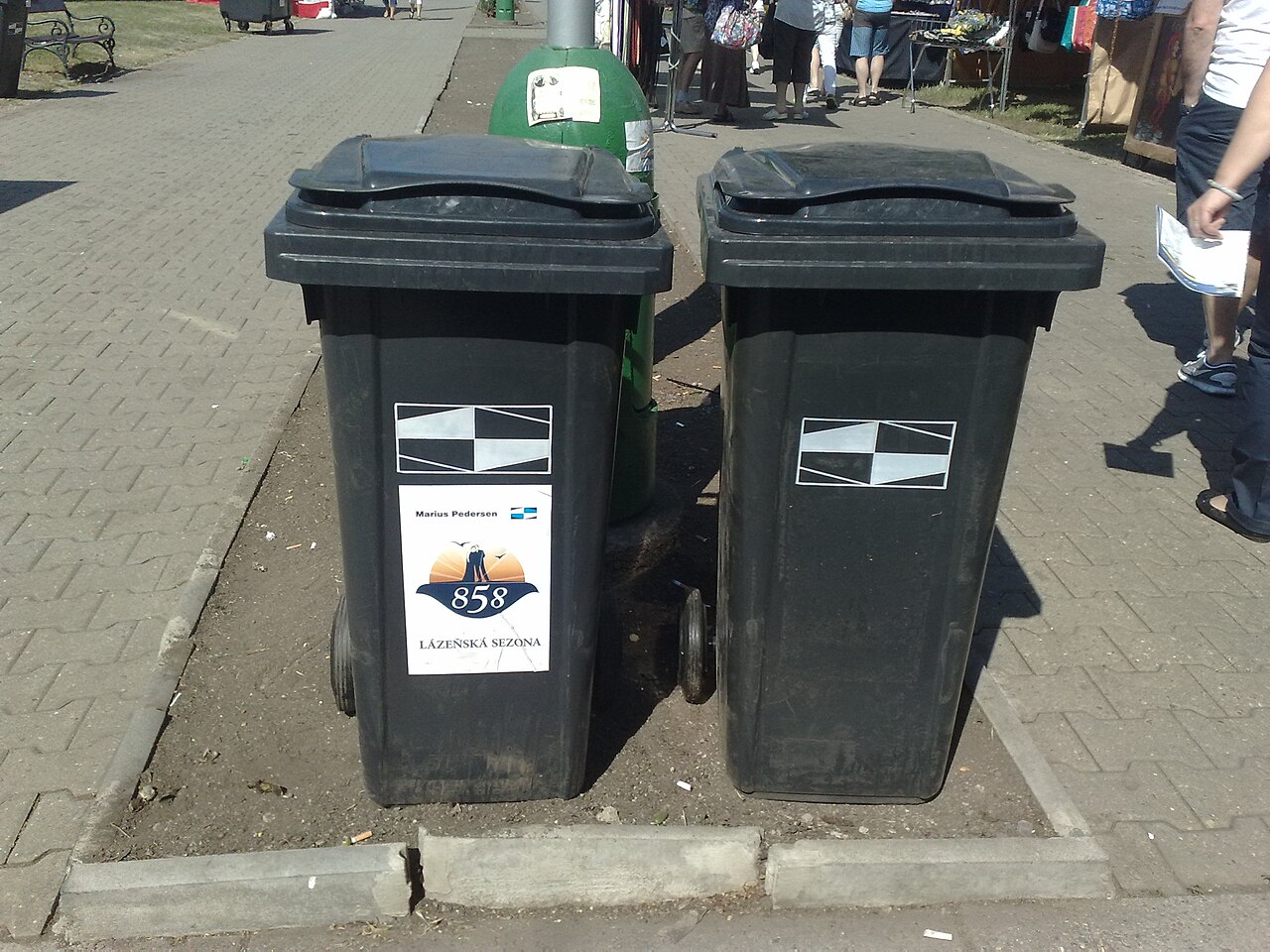
- If neither organics nor a take-back route exists, general waste is the honest answer.
The fair version of the claim
Properly substantiated compostable products do have a role — where the collection exists and the disposal route matches the certification. The failure mode is not the chemistry; it is a label written for a waste system the buyer does not have.
Worth asking
Which waste label causes the most confusion where you live: biodegradable, compostable, recyclable, or "made with recycled content"?
References and image credits›
- 01Federal Trade Commission — Environmental Claims: Summary of the Green Guides
- 02US EPA — Basic Information about Landfill Gas
Photo: Geo Lightspeed7, CC BY-SA 4.0, via Wikimedia Commons · Photo: Ropable, public domain, via Wikimedia Commons · Photo: Kate Jewell, CC BY-SA 2.0, via Wikimedia Commons · Photo: Huaqiangqiang, CC BY-SA 4.0, via Wikimedia Commons · Photo: CaptJayRuffins, CC BY-SA 4.0, via Wikimedia Commons · Photo via Wikimedia Commons, CC BY-SA