
Myth: modern landfills are safe because they have liners
EPA's own landfill design handbook says liners will eventually degrade, tear or crack. Liners delay contamination; the waste outlasts the container.
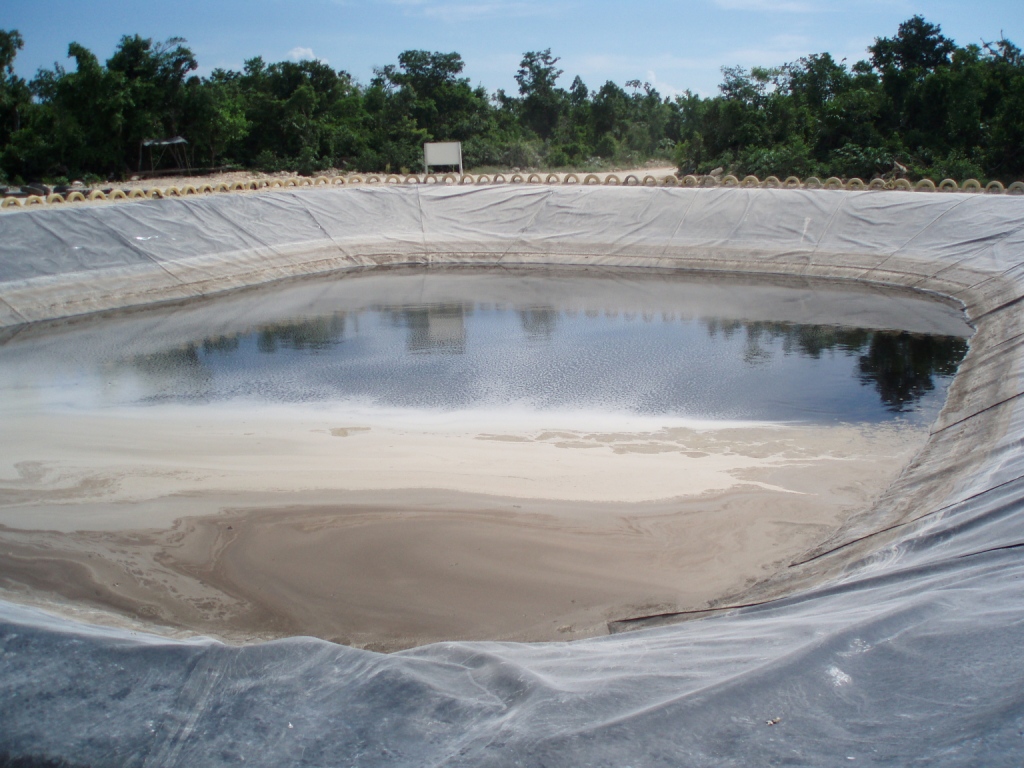
Modern landfills are sealed with thick plastic liners and leachate collection, so the waste is contained safely and permanently.
EPA concluded in 1988 that "all landfills eventually will leak into the environment". Liners are designed to manage leachate for decades. The waste stays hazardous for centuries.
This is not a fringe view. It is in EPA's own landfill liner handbook (SW-870) and cited by the U.S. Geological Survey.
Why liners fail
1. They degrade. The handbook: "Eventually liners will either degrade, tear, or crack and will allow liquids to migrate out of the unit." HDPE membranes face chemical attack from leachate, heat, UV during construction and mechanical strain. Manufacturers typically warrant them for about 20 years.
2. They are never perfect. EPA's design textbook notes that even with good quality assurance, membranes transmit some liquid through vapour permeation, pinholes and small tears. They leak a little from day one.
3. Collection systems clog. Leachate pipes crack, collapse or silt up. When they fail, liquid builds up on the liner — the "head" that drives it through any flaw.
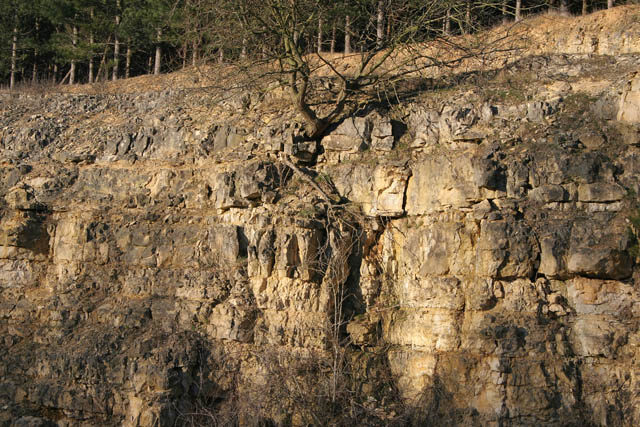
4. The bathtub effect. Rain enters through the cap and becomes leachate. If the base fails, it leaks. If the base holds, the landfill can fill and spill over the top.
5. The rules expire first. Operators must care for closed landfills for 30 years. Liners are designed for 30–100. Heavy metals, persistent organics and PFAS inside remain hazardous for centuries.
What it looks like when containment is missing
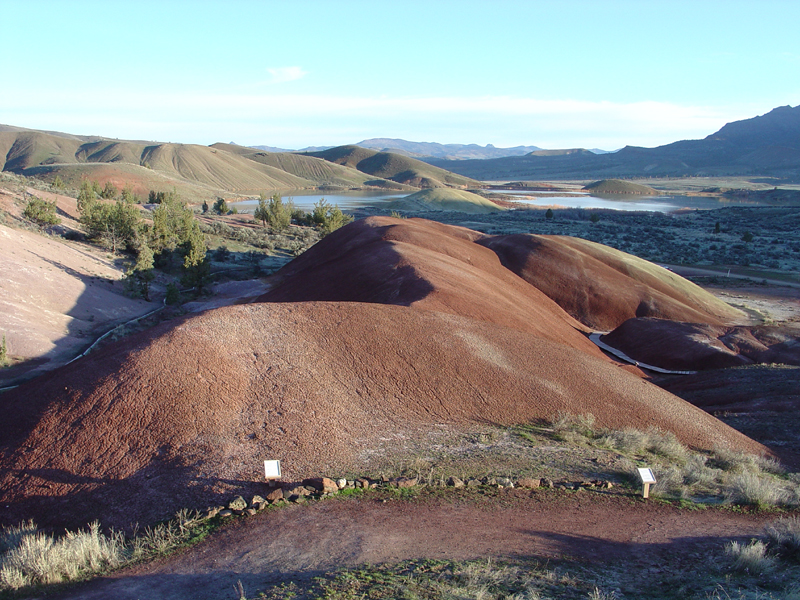
The Norman Landfill in Oklahoma — closed, unlined — has a leachate plume extending "many hundreds of meters" into the Canadian River alluvial aquifer, carrying VOCs and dissolved organic carbon. USGS estimates up to 100,000 closed landfills in the U.S., many unlined.
What this means in practice
- Liners are essential — they buy time. But time is all they buy.
- Keeping PFAS, batteries and hazardous items out of landfill matters more than the liner spec.
- Long-term monitoring and funding need to match the life of the waste, not a 30-year permit clock.
- Less organic and hazardous waste in means less leachate chemistry to manage when the liner does fail.
The waste outlasts the container. Plan for that.
References and image credits›
- 01USGS — The Norman Landfill Environmental Research Site
- 02Conservation Law Foundation — All landfills leak and our health and environment pay the price
Photo: Kate Jewell, CC BY-SA 2.0, via Wikimedia Commons · Photo: USGS, public domain