
An LLM on top of a decade of landfill wellhead data
Loci Controls put a language model over the largest continuous dataset of landfill gas wellhead behaviour. The useful part is not the model — it is that the data density regulators are about to require makes interpretation the bottleneck.
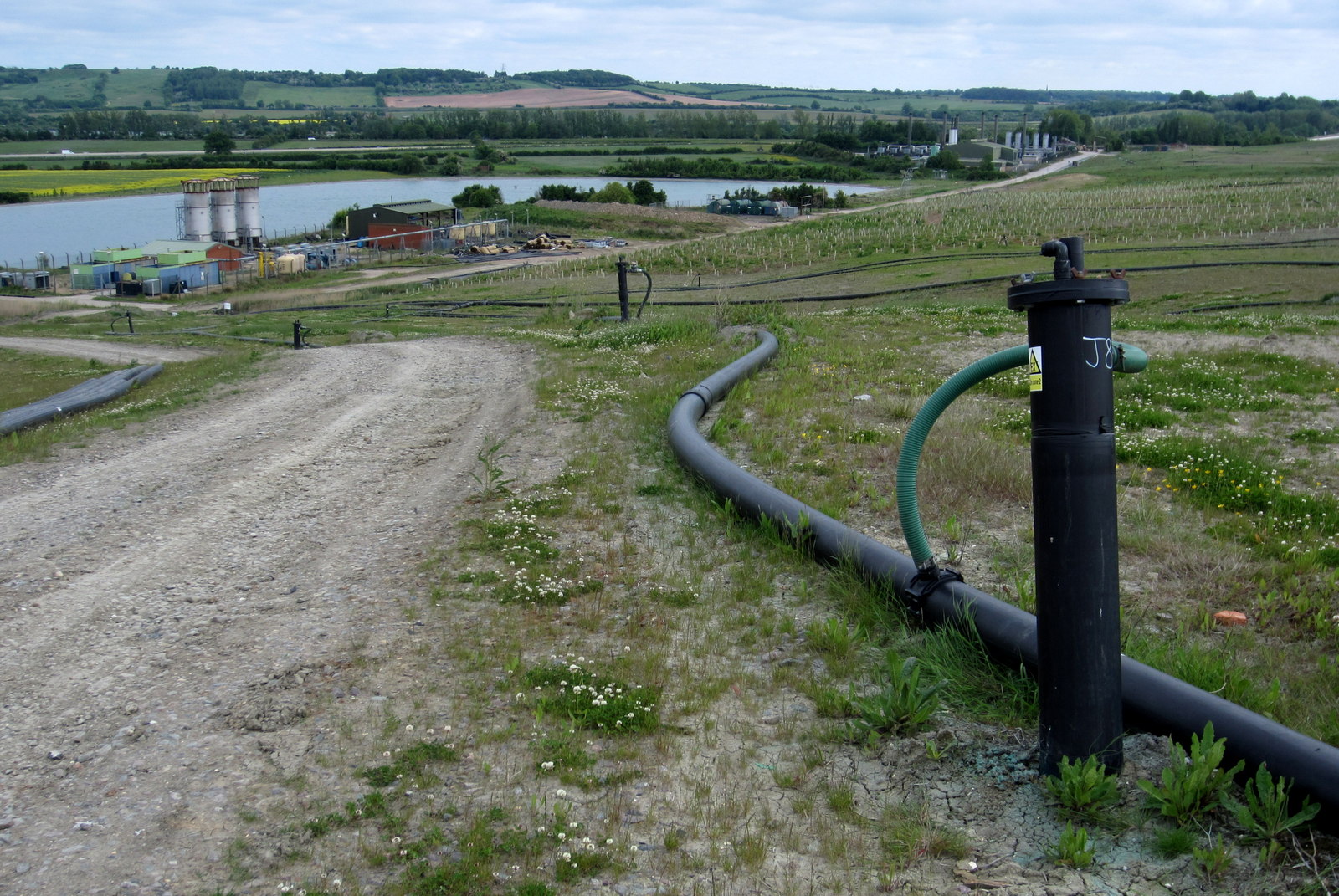
On 21 August, Waste Dive reported that Loci Controls had launched AI-assisted features on WellWatcher, its landfill gas wellhead platform. The pitch is narrow and, unusually for this category, plausible: a company sitting on a decade of continuous wellhead data is using a language model to turn it into something an operator can act on at the start of a shift.
What the hardware already did
WellWatcher attaches to individual wellheads and continuously measures flow rate, pressure and gas composition, then auto-tunes the vacuum on each well. That was already the meaningful step: well tuning has historically been manual, done by an engineer walking the field with a handheld analyser, one well at a time, on a monthly or quarterly cycle.
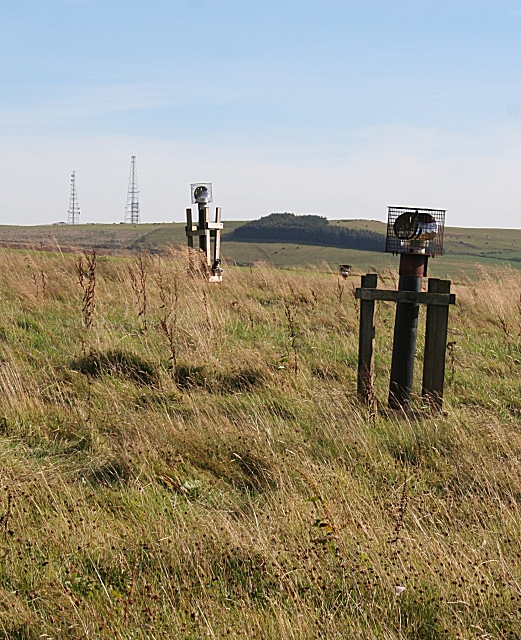
Continuous monitoring converts a quarterly snapshot into a stream. It also converts a manageable spreadsheet into a data volume no human scans usefully.
What the AI layer adds
The new feature trains a large language model — the company declined to say which — on a decade of anonymised wellhead data, so the system can flag in plain language which wells are trending toward trouble: oxygen creeping up, methane dropping, pressure drifting.
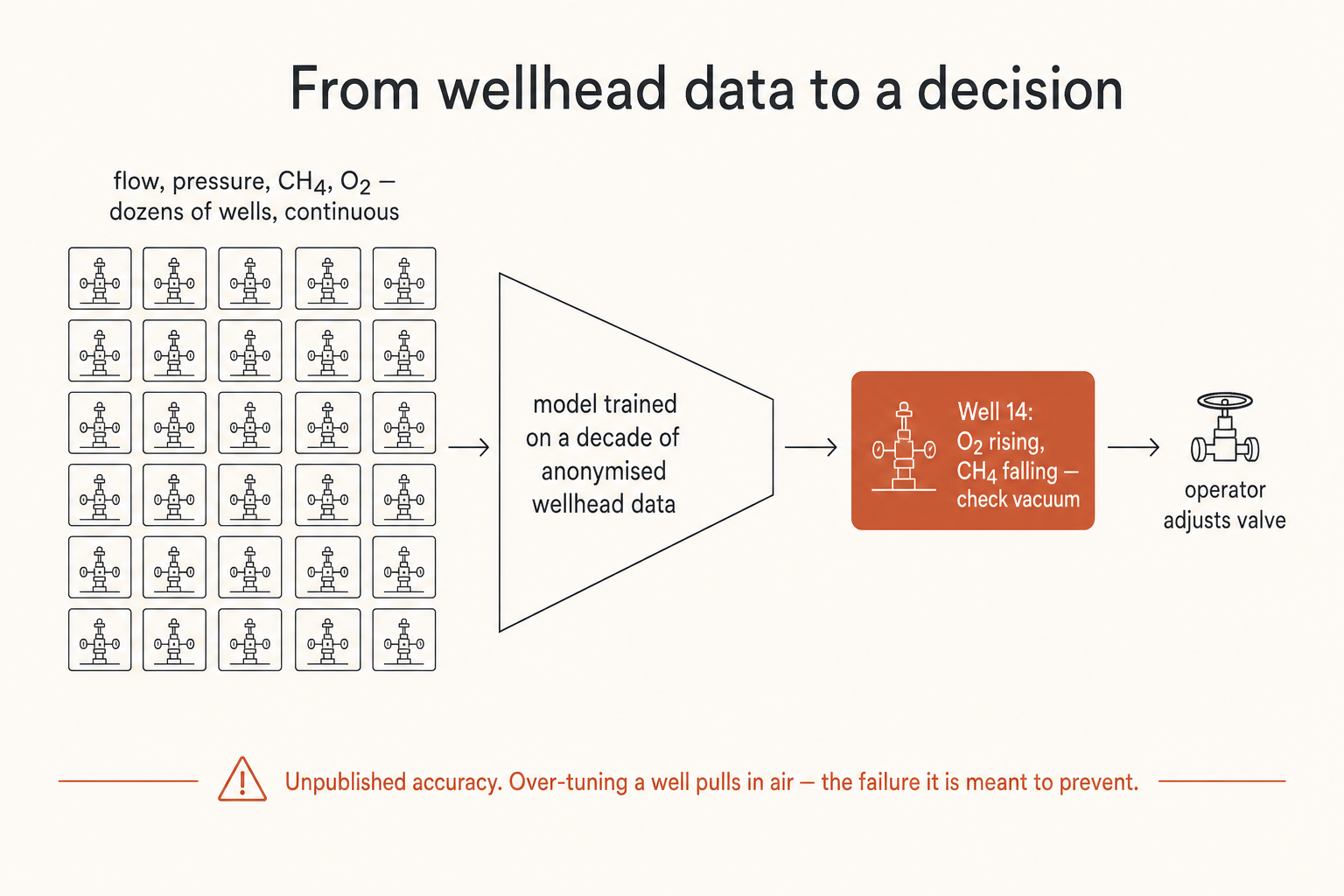
Early pilots reportedly found it most useful for a specific task — tracing which individual wells are driving an aggregate trend in gas collection. That is a real analytical problem, and a boring one, which is usually a sign the use case is genuine.
Why oxygen is the whole story
Landfill gas-to-energy and renewable natural gas systems are exquisitely sensitive to oxygen. RNG upgraders typically tolerate under about 1% oxygen in incoming gas.
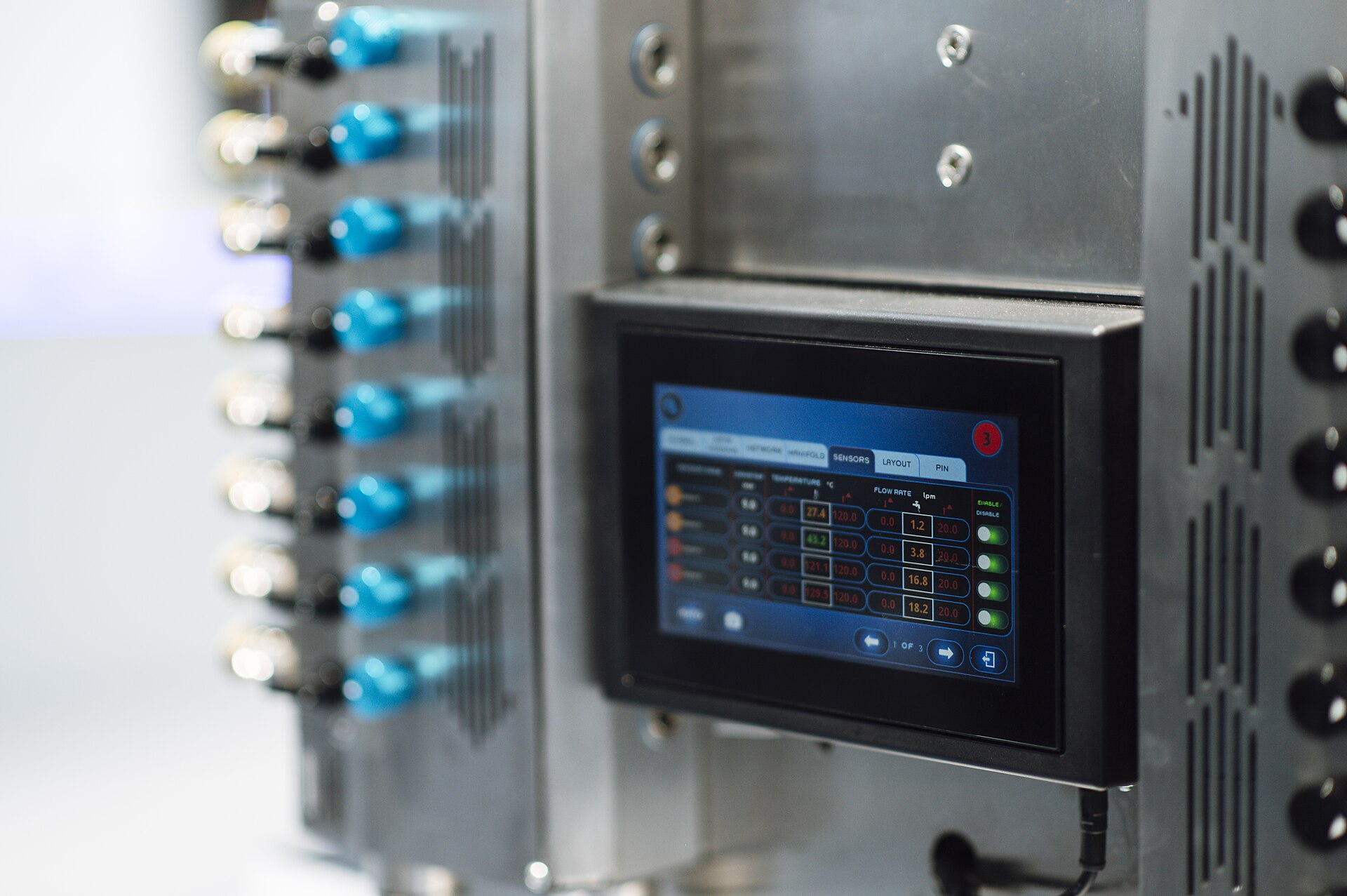
One well drawing too hard pulls air into the waste mass. That single well can push the blended gas over the limit and trip an entire plant. Finding it means comparing dozens of continuously updating time series — which is exactly the shape of problem where pattern-matching over a large historical corpus should help.
Air ingress is also not just a commercial problem. Oxygen in the waste mass suppresses methanogenesis locally and is one of the conditions associated with the subsurface heating events that turn into elevated-temperature landfills.
Current stage and the regulatory tailwind
The features are commercial and deployed to all Loci clients with wellhead monitors and controllers. A chat-agent troubleshooting feature is described as a future expansion.
California's draft landfill methane rule, proposed in 2025, pushes toward continuous wellhead monitoring plus drone and handheld laser scanning of hard-to-reach areas. That is precisely the data density that makes interpretation the constraint rather than measurement.
The promise
Loci has previously reported a 15% increase in methane capture at landfills using its wellhead technology. Layering interpretation on top could push capture higher while cutting the labour of monitoring dozens of wells per site — turning a compliance cost into gas that can be sold as RNG.
The catch
The 15% figure is company-reported and not independently audited. The AI features have no published accuracy, no false-positive rate, and no measured capture improvement.
More fundamentally, a model trained on historical wellhead data is bounded by that data. Landfill behaviour varies with waste composition, moisture, cover design and reactive content. A model that performs on one operator's decade may not transfer cleanly to a site whose waste stream looks nothing like it.
And an accountability question that the industry has not answered: if an AI tells an operator which well to fix and it is wrong, and the model was trained largely on another company's landfills — is that the operator's error, the vendor's, or the model's?
References and image credits›
- 01Waste Dive — Loci Controls launches AI-assisted landfill gas monitoring
- 02Waste Dive — Waste industry going 'on the offense' with landfill emissions technology
- 03Waste Dive — California's draft landfill methane rule proposal
Philip Jeffrey, Wikimedia Commons, CC BY-SA 2.0 · Anne Burgess, Wikimedia Commons, CC BY-SA 2.0 · Shixart1985, Wikimedia Commons, CC BY 2.0 · Bryansfiles, Wikimedia Commons, CC BY-SA 3.0 · Z22, Wikimedia Commons, CC BY-SA 4.0 · BalticServers.com, Wikimedia Commons, CC BY-SA 3.0