
ABTC’s $100 million black-mass licence exposes the refining gap
Shredding concentrates battery material; it does not produce battery-grade minerals, and an export authorisation is not a sales result.
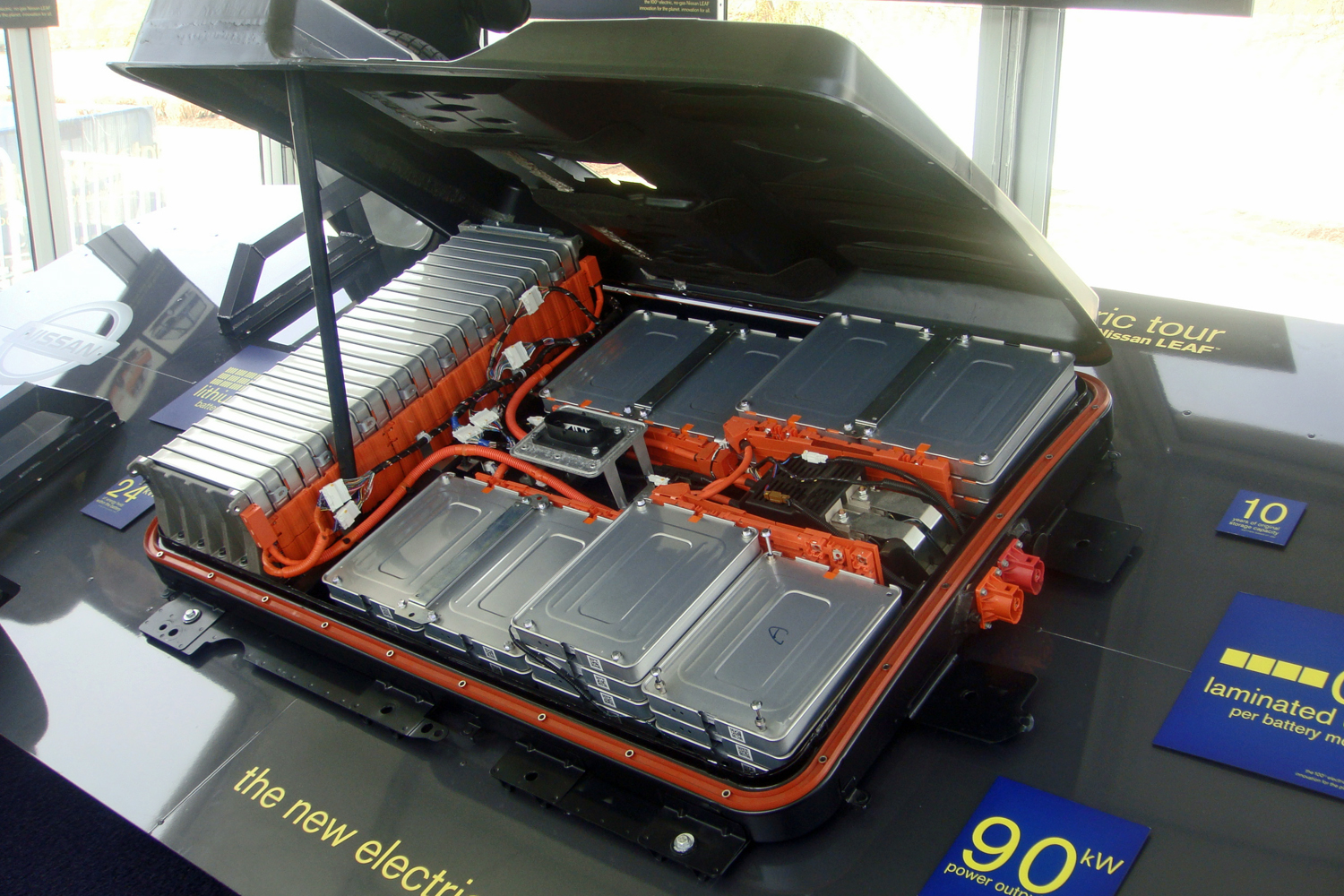
A battery recycling system can collect and shred more material than its domestic refineries can accept. The result is an intermediate product looking for a downstream outlet, not finished battery chemicals. Across the emerging circular battery economy, announcements frequently celebrate processing capacity, capital equipment arrivals, or headline dollar allowances as evidence that supply loops have successfully closed. Yet shredding a depleted lithium-ion cell and reconstituting battery-grade cathode precursor chemicals are fundamentally separate industrial operations, separated by distinct chemistry, vast capital requirements, and divergent operational timelines.
When an intermediate processor receives regulatory permission to ship its unrefined output abroad, that permission highlights the mismatch between upstream mechanical dismantling and downstream chemical purification. It does not mark the completion of a self-sustaining domestic cycle; rather, it reflects an industrial reality where mechanical throughput has outrun the chemical infrastructure needed to process it at home.
The mechanical-chemical boundary in battery recycling
Understanding this bottleneck requires breaking the battery recycling process into its two core industrial phases: mechanical beneficiation and chemical refining. The first phase is essentially physical preparation and concentration. Batteries arriving at a facility must undergo discharging or thermal deactivation to mitigate fire risks, followed by coarse and fine shredding. This shredding typically occurs in an inert atmosphere or under water spray to suppress volatile organic electrolyte vapours and prevent thermal runaway.
Once shredded, the material passes through a sequence of mechanical separations. Magnetic separators pull out ferrous steel casings. Vibratory screens, air classifiers, and eddy-current separators segregate plastic films, copper foil, and aluminium collectors. The residual fine powder, which slips through fine-mesh screening, consists of the active materials that were originally coated onto the current-collector foils: metal oxides from the cathode and carbon from the anode. This dark, composite powder is industry-standard black mass.
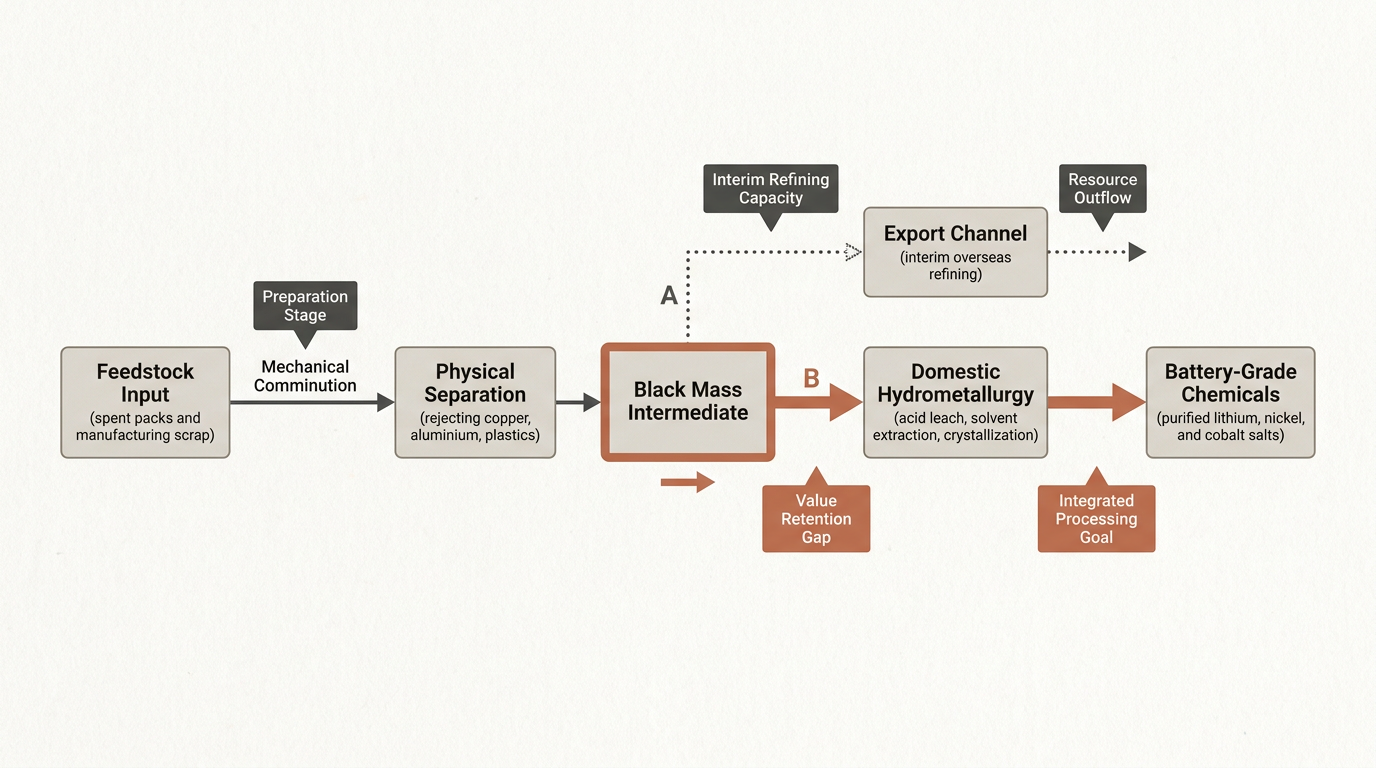
Mechanical shredding and sorting can be established in a matter of months inside standard industrial warehousing using modular comminution equipment. But black mass cannot be poured into a battery manufacturing slurry. It is an unrefined concentrate loaded with physical cross-contaminants, organic binders, and mixed elements. Transforming it back into battery-grade precursors requires hydrometallurgy: dissolving the powder in concentrated acid, stripping out impurities, separating individual transition metals through solvent extraction, and precipitating high-purity crystalline salts. While shredding is a mechanical material-handling challenge, refining is a delicate chemical engineering feat.
What black mass contains and why it varies
After controlled battery dismantling and processing, recyclers separate metals and concentrate electrode material into black mass. Its composition depends on the batteries: it can include graphite as well as lithium-bearing and other cathode materials. LFP does not offer the same nickel and cobalt content as other chemistries.
Further refining separates and purifies materials to a buyer’s specifications. A tonne of black mass is therefore not a tonne of battery-grade lithium or a fixed quantity of valuable metals.
The economic and technical viability of black mass depends entirely on the incoming feedstock mix. Nickel-manganese-cobalt (NMC) chemistries yield a concentrate rich in high-value nickel and cobalt sulfates, which traditionally offset the steep reagents and energy costs of hydrometallurgical refining. By contrast, lithium iron phosphate (LFP) contains no nickel or cobalt; its value resides almost entirely in lithium and residual graphite, both of which are technically harder or less remunerative to recover at current market pricing.
Moreover, black mass contains substantial chemical contaminants that complicate downstream hydrometallurgy. Polyvinylidene fluoride (PVDF) binders introduce fluorine ions that corrode processing equipment and poison extraction solvents. Copper and aluminium foils, sheared during mechanical processing, leave micron-scale metallic flakes that consume acid during leaching. Graphite, which often accounts for a third or more of black mass by weight, acts as an inert bulk material that must be filtered out or thermally combusted before hydrometallurgical extraction can proceed. A downstream refiner must calibrate its leaching chemistry, precipitation circuits, and effluent treatment systems to the specific impurity profile of each batch.
What the licence actually says
An export authorisation for up to $100 million in black mass represents immediate off-take revenue and proves commercial-scale circularity for domestic battery materials.
The licence is an administrative sales-value ceiling under federal export controls, not an offtake contract, revenue guarantee, or metric of operational refinery output.
American Battery Technology Company reports an export authorisation covering up to $100 million in recycled black mass. That is a permitted sales-value ceiling, not measured exports, revenue already earned or processing tonnage.
The reported federal controls favour domestic sales while permitting case-specific exceptions. The licence should not be read as a general permission for every recycler or a guarantee that all exported material returns as US battery products. Conditions and time limits require reference to the applicable authorisation.
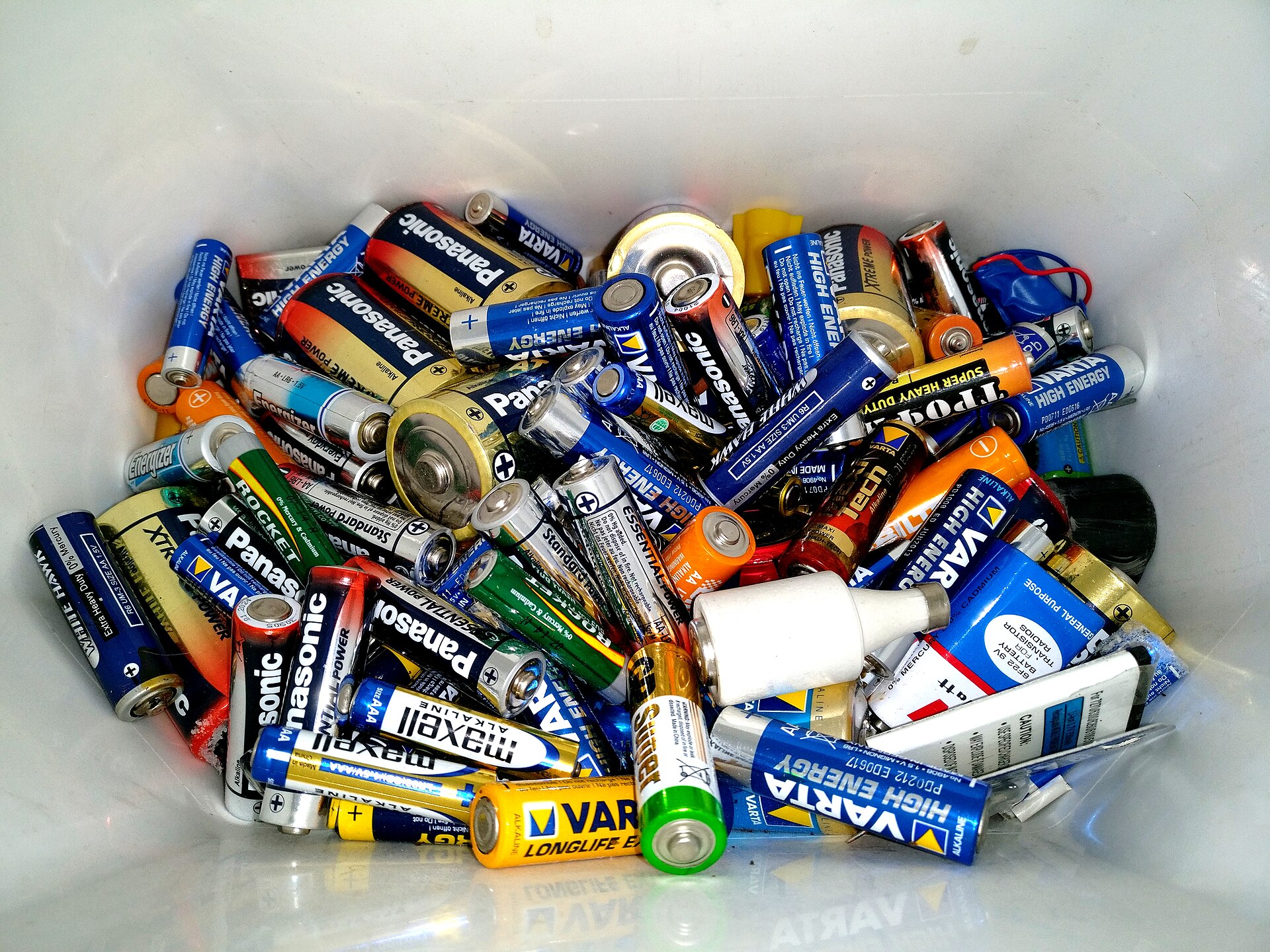
Federal export controls classify critical minerals and critical mineral intermediates under strict trade oversight to support domestic supply-chain security and prevent strategic diversion. When an export licence is issued, it functions as a regulatory release valve. It establishes an administrative boundary under which a business may legally execute transactions with qualified foreign buyers over a designated timeframe. It does not establish binding purchase agreements, define floor prices, or guarantee that physical shipments will ever reach the authorized dollar threshold.
Conflating an export ceiling with operational commercialization obscures the economic status of the material. Until material is weighed, assayed, sold, and shipped, an export ceiling remains a legal perimeter rather than an income statement metric.
Why the exception can support the upstream system
If available domestic refining cannot absorb the output, an export channel can keep collection and processing running while downstream capacity develops. That is a practical supply-chain tradeoff, not proof that domestic refining is already sufficient.
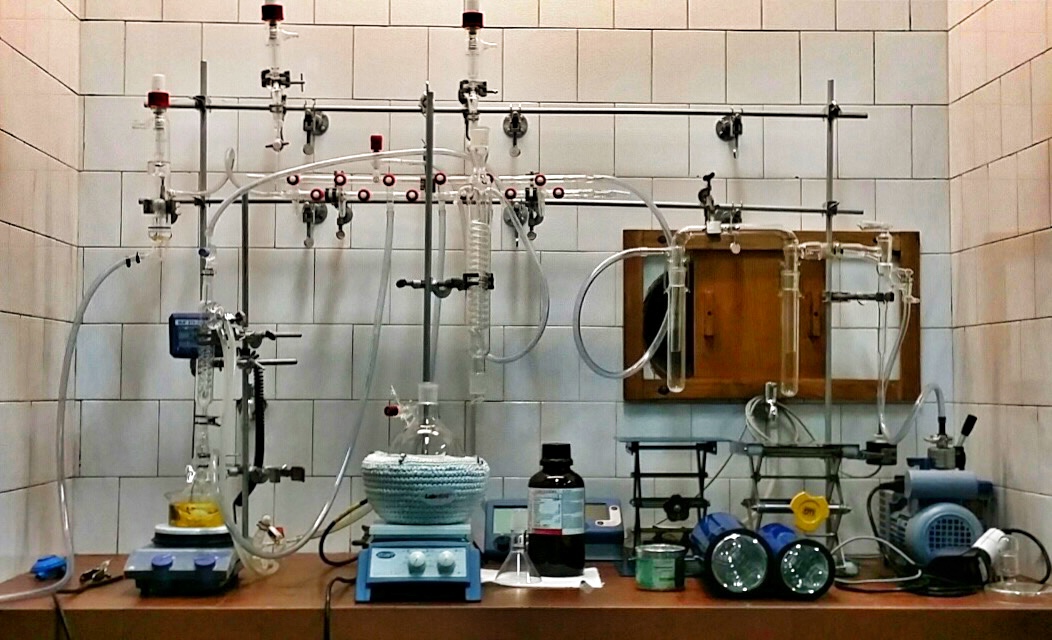
For an operating recycling facility, mechanical shredders require continuous feed to maintain operational viability. Depleted battery packs and manufacturing scrap arrive from automotive plants, consumer drop-offs, and pack assemblers. Halting intake because domestic hydrometallurgical plants cannot process the resulting concentrate would break commercial contracts with waste generators and stall logistics networks. Furthermore, storing large stockpiles of finely divided, reactive black mass presents environmental and safety hazards, tying up working capital in static inventory.
Overseas markets—most notably in East Asia and parts of Europe—have established commercial hydrometallurgical refining capacity that can absorb intermediate black mass today. By granting permission to export this concentrate, regulators allow domestic operators to monetize their front-end shredding operations immediately. The resulting cash flow can subsidize ongoing operational costs, maintain scrap collection pipelines, and provide the runway needed to finance, permit, build, and qualify commercial-scale hydrometallurgical refining assets at home. It is a pragmatic compromise: accept the temporary export of unrefined critical minerals to prevent the domestic collection and pre-processing network from stalling.
Physical milestones over headline ceilings
The gap between shredding capacity and chemical refining capacity cannot be closed by regulatory approvals alone. Operating a hydrometallurgical plant involves complex solvent extraction cascades, stringent environmental permits for wastewater management, and rigorous off-spec product management. Battery cell manufacturers do not accept generic chemicals; they demand rigorous, qualified purity specifications for battery-grade lithium hydroxide, lithium carbonate, and metal sulfates, where impurities measured in parts per million can degrade cycle life and safety.
The next figures to follow are actual shipped quantities, destinations, domestic refinery commissioning and qualified chemical output. National-security designations and headline dollar limits do not substitute for those physical milestones.
References and image credits›
Photo: Mario Roberto Duran Ortiz, Wikimedia Commons, CC BY-SA 3.0 · Diagram: The Waste Stack · Photo: Santeri Viinamäki, CC BY-SA 4.0 · Photo: Miha Bukleski, CC BY 4.0