
StreamGo’s PFAS system: capture is not destruction
Claims of 99% capture and thousandfold concentration need compound-specific tests and a fluorine balance for the destruction stage.
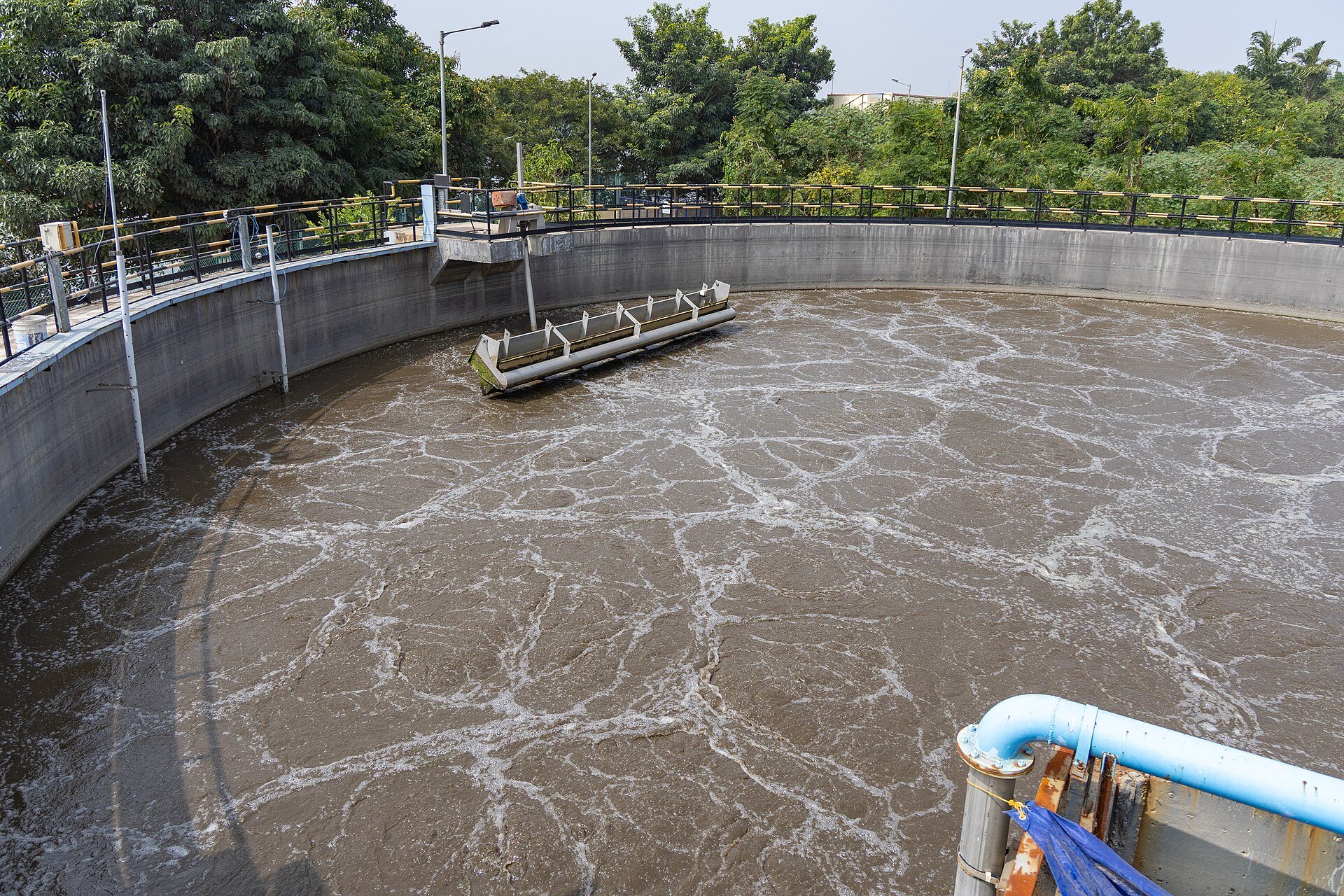
PFAS treatment has three different tasks: remove compounds from the water, concentrate them into a manageable stream and destroy them or dispose of them safely. A system that succeeds at the first task has not automatically succeeded at the third.
Water remediation vendors frequently blur the boundaries between phase separation, volumetric concentration, and ultimate destruction. When per- and polyfluoroalkyl substances are separated from bulk municipal or industrial water, they do not simply vanish. They are transferred into another phase—onto solid sorbents, into membrane rejects, or into an enriched foam or slurry. Until the strong carbon–fluorine bonds that define these synthetic chemicals are cleaved and converted into inert mineral salts, the liability remains active.
The three distinct problems of PFAS remediation
Treating PFAS-laden wastewater involves a sequence of thermodynamic and physical challenges that cannot be resolved in a single indiscriminate step. In bulk municipal effluent, landfill leachate, or industrial discharges, target contaminants occur at trace levels—often measured in nanograms or micrograms per litre—alongside thousands of milligrams per litre of competing organic and inorganic species.
The initial task is selective extraction: isolating surfactant-like fluorinated molecules from vast volumes of water without exhausting consumable media on non-target matter. The second task is volumetric reduction: taking the captured contaminants and compressing them into a secondary volume that is small enough to make energy-intensive thermal or chemical treatments economically viable. The final task is destruction: breaking the C–F bond (one of the strongest single bonds in organic chemistry, with a dissociation energy around 485 kJ/mol) down to benign fluoride ions, water, and carbon dioxide.
Conflating capture with destruction obscures the engineering reality that each step requires distinct verification metrics, failure modes, and energy budgets.
Nanobubbles, foam fractionation, and surface activity
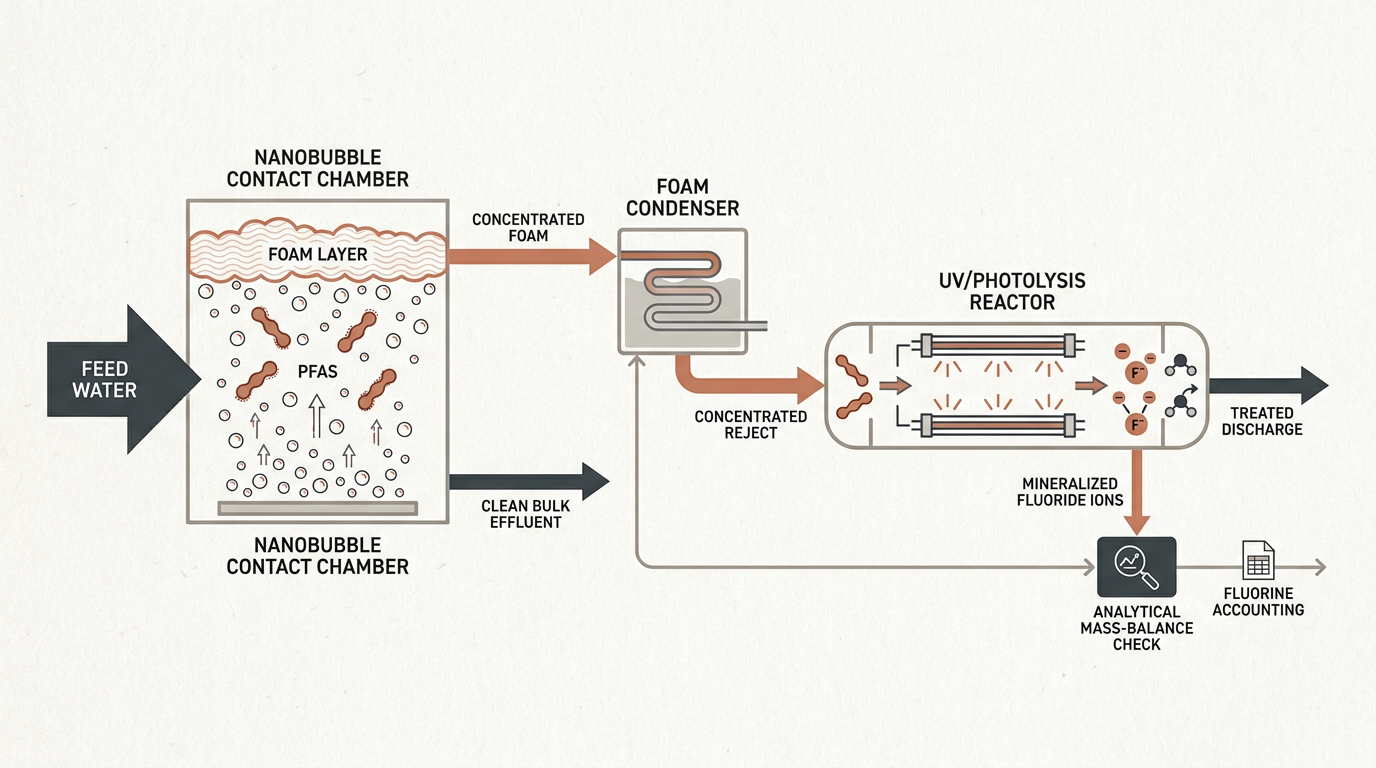
StreamGo describes nanobubble-based capture and concentration followed by a destruction stage. Its announcements claim more than 99% capture and a concentration factor of 1,000. These are company claims, not independently established operating figures in the cited material.
PFAS can collect at gas–water interfaces, which supports the general rationale for foam-based separation. Perfluoroalkyl substances naturally exhibit amphiphilic properties: a hydrophobic fluorinated tail coupled to a hydrophilic polar head group (such as a carboxylate or sulfonate). When gas bubbles rise through an aqueous matrix, these surface-active molecules preferentially adsorb at the liquid–vapour interface, carrying them upwards into a foam layer that can be skimmed from the surface.
Individual compounds behave differently, especially across chain lengths. A single aggregate removal percentage can hide poor removal of particular short-chain substances. Long-chain species like perfluorooctane sulfonate (PFOS) and perfluorooctanoic acid (PFOA) exhibit strong surface activity and partition readily into rising foam. In contrast, short-chain homologues—such as perfluorobutanoic acid (PFBA) or perfluorobutane sulfonate (PFBS)—have significantly higher aqueous solubilities, shorter hydrophobic tails, and lower surface activity. Consequently, they tend to remain in the bulk liquid phase unless extreme surface-area densities or specialized chemical co-surfactants are introduced.
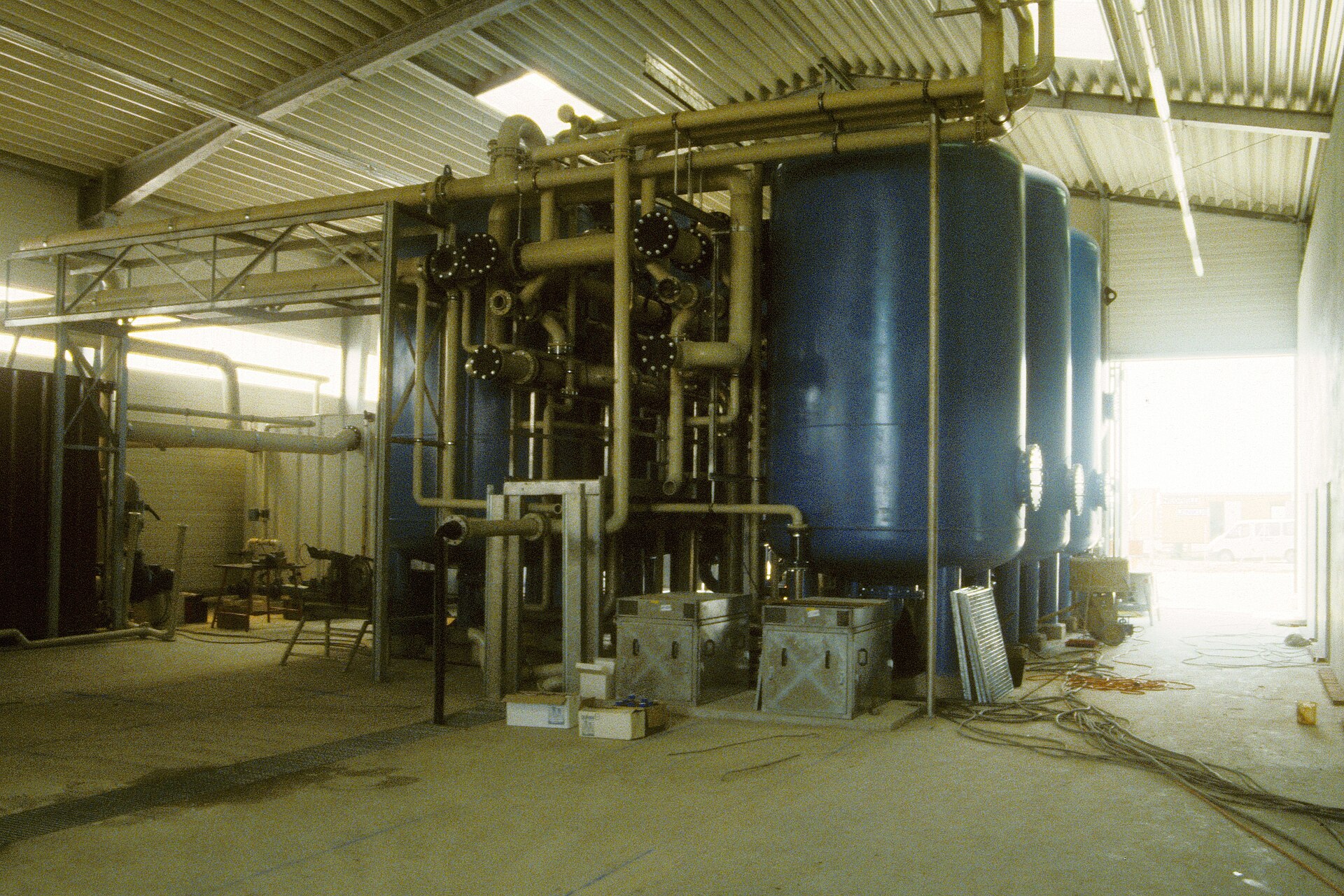
Concentration needs a mass balance
Volumetric reduction is not equivalent to chemical mass removal. Without tracking mass across all effluent streams, a small concentrated volume can simply mask incomplete recovery.
Reducing 100,000 gallons to 100 gallons is a thousandfold volume reduction. It equals a thousandfold chemical concentration only if the relevant material is retained in that small stream. Losses, incomplete capture and intermediate streams have to be counted.
The system achieves more than 99% capture across both long- and short-chain PFAS while destroying the concentrated residue via photochemistry.
Company announcements do not provide independently verified compound-by-compound mass balances, leaving open whether short-chain substances are captured or whether photolysis fully mineralises the fluorinated backbone into fluoride ions.
If 100,000 gallons of feed water enter an aeration or nanobubble vessel and leave as 99,900 gallons of treated effluent alongside 100 gallons of condensed foam reject, achieving a true 1,000-fold concentration requires that 100% of the initial chemical mass partitions into that residual 0.1% volume. If short-chain molecules pass straight through in the 99,900 gallons of discharge, the volume reduction remains 1,000 to 1, but the contaminant concentration factor collapses. Furthermore, aerosolisation losses, adhesion to vessel walls, and chemical stripping into off-gases can artificially reduce measured effluent concentrations without genuinely transferring mass to the reject stream.
Tests should report inlet concentrations, named compounds, water chemistry, flow, treated-water results and all residual outputs. Detection limits and test duration matter too. Without steady-state runs conducted over days or weeks, temporary adsorption onto system pipework and internal components can easily masquerade as sustained capture efficiency.
What would prove destruction?
The disappearance of a parent PFAS compound can result from conversion into another fluorinated molecule. Evidence of mineralisation requires appropriate fluorine accounting and identification of transformation products, alongside energy use and residual management.
Many advanced oxidation and photochemical processes split terminal functional groups from precursor molecules or cleave several carbon atoms from a perfluorinated tail. This degrades the targeted parent compound below detection limits, yet yields shorter-chain, highly persistent perfluorinated carboxylic acids that resist further photolytic breakdown. Degrading 100 mg of PFOS into 80 mg of shorter fluorinated by-products registers as a success on a parent-compound test, but leaves the underlying environmental hazard intact.
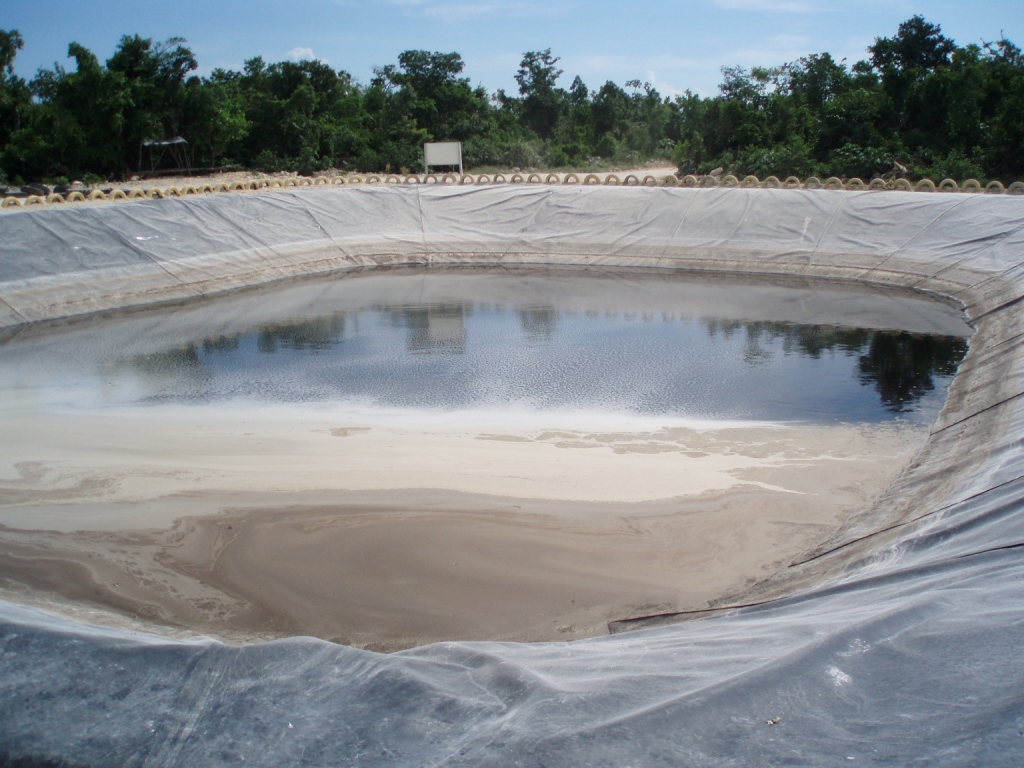
True destruction demands complete defluorination, known as mineralisation. The definitive benchmark for this transition is a closed fluorine mass balance: measuring total fluorine (TF) or extractable organic fluorine (EOF) in the feed and verifying that it stoichiometricly reappears as inorganic fluoride ions ($F^-$) in the treated matrix, with zero hazardous organofluorine volatilised into the atmosphere.
The public description of photochemistry does not justify assuming a particular UV mechanism or complete destruction. Nor is “world’s first” an independent technical certification. Leachate and industrial process waters contain heavy backgrounds of dissolved organic carbon, suspended solids, carbonates, and chlorides that scatter ultraviolet radiation and scavenge active radical species. Under these conditions, the photochemical energy required to reach complete defluorination rises sharply, often introducing significant cooling, pretreatment, and consumable chemical costs that undermine continuous operation.
The next useful evidence is a transparent, third-party-tested treatment balance across the full train.
References and image credits›
Photo: Vraj Acharya / WELL Labs, CC BY-SA 4.0, via Wikimedia Commons · Diagram: The Waste Stack · Photo: P e z i, Wikimedia Commons, CC BY-SA 3.0 · Photo: Victor787, CC BY 3.0, via Wikimedia Commons