
Bacteria Built a Molecule That Grabs Gallium. Now Comes the Hard Part.
Siderophores bind metals with extraordinary selectivity because bacteria evolved them to scavenge iron. Repurposing that chemistry for gallium and rare earths in e-waste is elegant, and the cost per gram is the whole question.
Bacteria in iron-poor environments secrete siderophores — small molecules that bind ferric iron with binding constants among the strongest known in biology. The selectivity is remarkable: they pick iron out of a soup of competing ions at vanishingly low concentration.
Several critical metals sit close enough to iron in charge and ionic radius that the same molecules bind them too. Gallium is the clearest case; some rare earth ions also coordinate well. That is the basis for using siderophore-type ligands to recover metals from waste streams.
Why gallium is worth the trouble
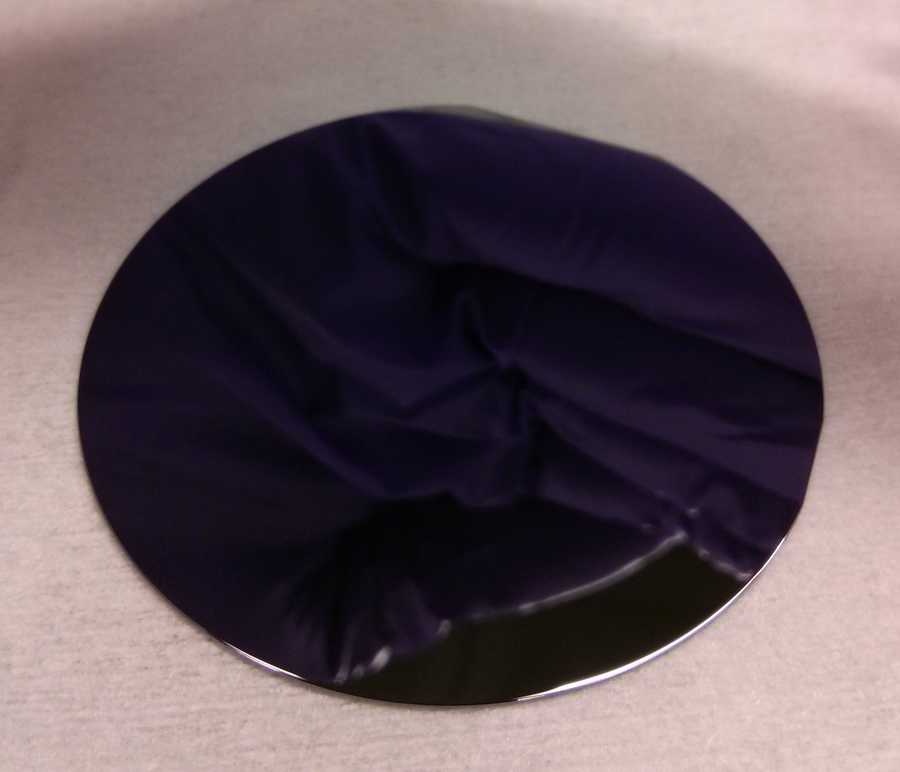
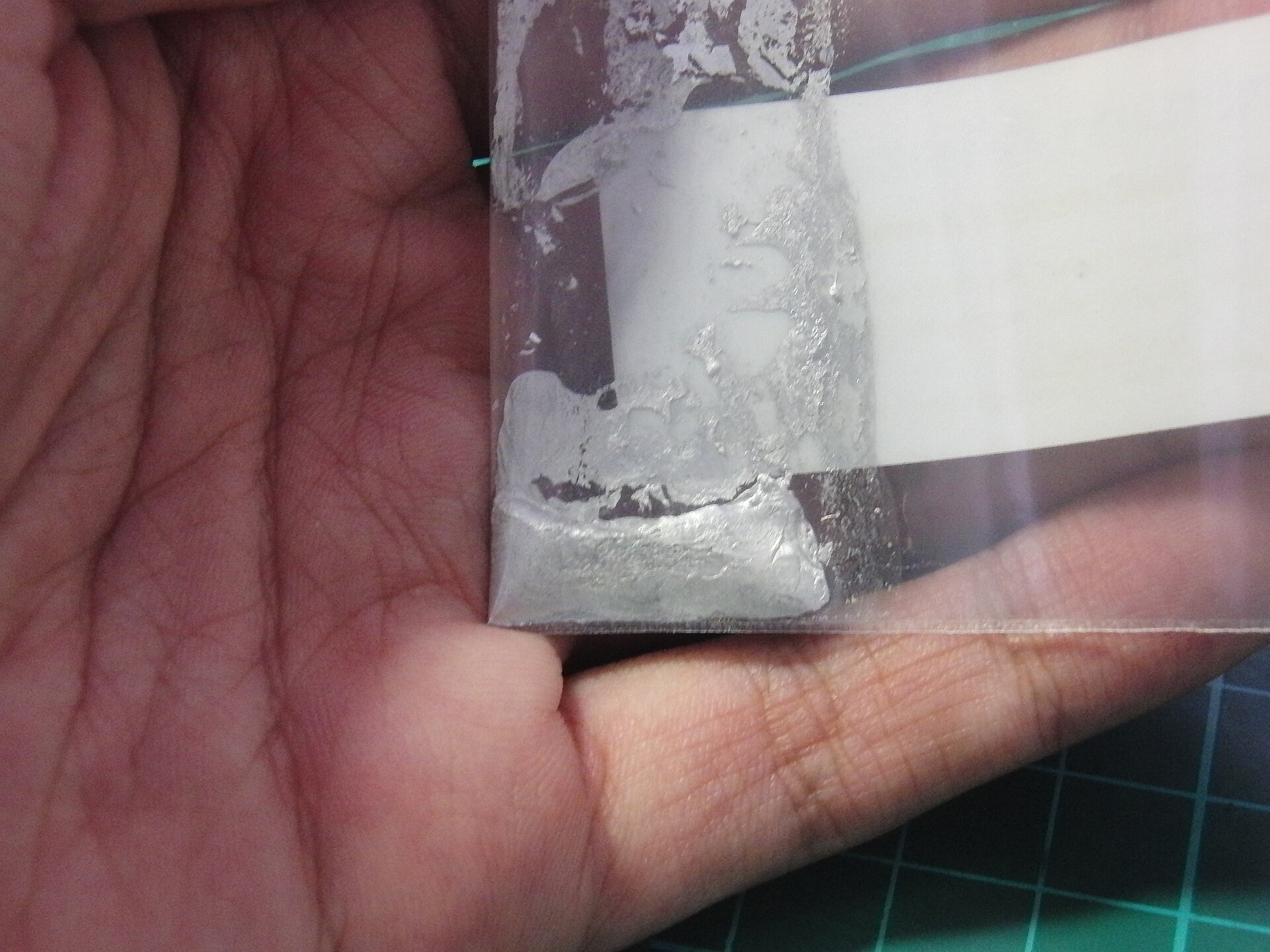
Gallium is not mined on its own. It is a by-product of bauxite refining and zinc processing, so supply is tied to aluminium and zinc production rather than to gallium demand. Production is heavily concentrated geographically, and export controls in 2023 made that concentration a strategic problem for chip and LED manufacturers.
How the recovery cycle works
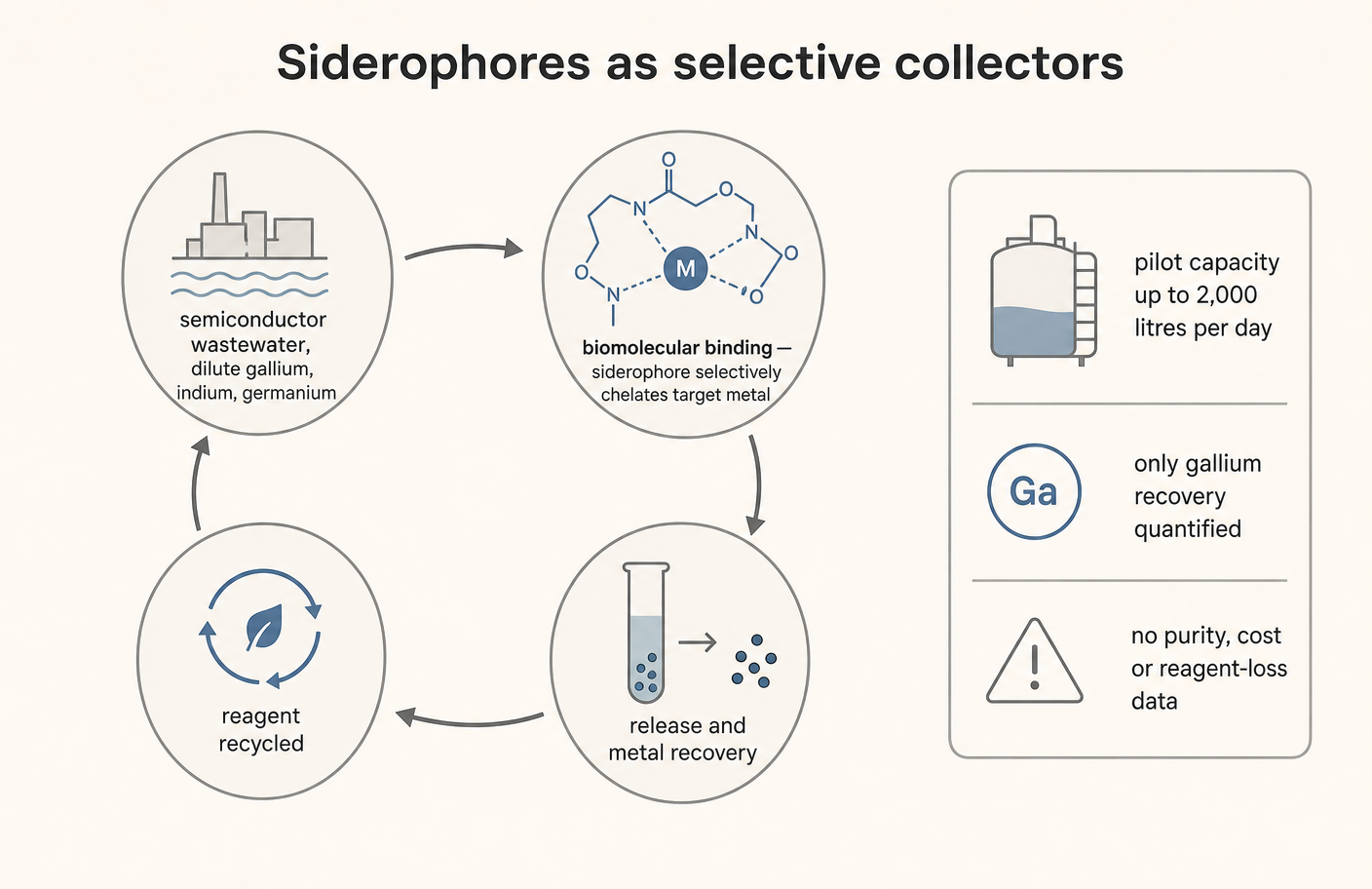
The ligand binds the target ion in a leachate. The complex is separated, usually by immobilising the ligand on a resin or membrane so the metal-loaded phase can be pulled out mechanically. Then the metal is stripped — normally by changing pH so the complex releases — and the ligand is regenerated for the next cycle.
Step four is the one that decides everything. A ligand that can be reused a hundred times can afford to be expensive. One that degrades after five cycles cannot.
What it competes against
Solvent extraction with organophosphorus reagents. That technology is mature, cheap, and handles enormous throughput. Its drawbacks are real — organic solvent inventory, poor selectivity between adjacent rare earths, multi-stage counter-current circuits that are capital-heavy — but it is the incumbent and it works.
Biological ligands win on selectivity and on operating conditions: aqueous, ambient temperature, no organic solvent. They lose, currently, on cost of the ligand and on demonstrated cycle life.
Feedstock choice matters more than affinity
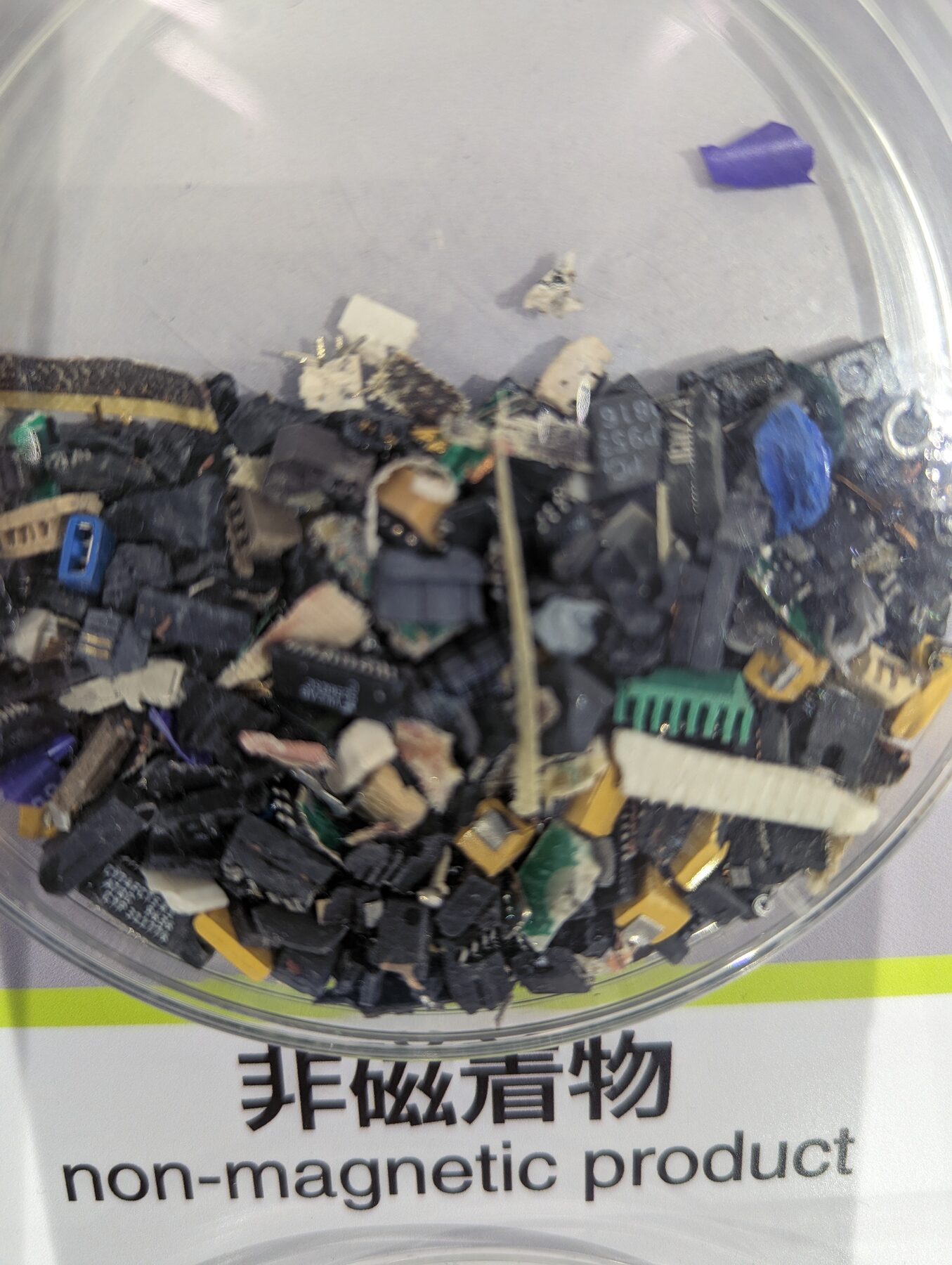
Diffuse e-waste is the hardest possible starting point. The realistic first targets are concentrated industrial streams: semiconductor fab wastewater, GaAs wafer manufacturing scrap, LED production offcuts, and spent catalysts. These have high concentrations of one target metal, predictable matrices, and an on-site generator who already pays to dispose of them.
The realistic read
This is promising separation chemistry at laboratory scale, aimed at a genuine supply vulnerability, with a plausible first market in fab effluent rather than consumer e-waste. The unresolved engineering is ligand production cost, immobilisation stability and cycle life. Those are ordinary problems, which is a compliment — they are the kind that get solved with money and time rather than a discovery.
References and image credits›
- 01USGS Mineral Commodity Summaries — gallium
- 02Biosorption and biological ligands for critical metal recovery — review
Photo via Wikimedia Commons, CC BY-SA 3.0 · Photo via Wikimedia Commons, CC BY-SA 3.0 · Photo: Syced, CC0 · Photo: Intel Free Press, CC BY 2.0