
Rain gardens that think ahead
A rain garden is a passive filter: rain goes in, soil and microbes do what they can. UNSW put sensors and a forecast-driven valve on one. Here is how holding water longer changes the chemistry inside the bed.

A rain garden is one of the few pieces of water infrastructure you can walk past without noticing. It is a planted depression with layered soil under it. Runoff enters, percolates, and leaves cleaner. The upgrade being tested at UNSW keeps the garden and adds two things: probes that read what is happening inside the media, and a valve that decides how much water stays in it.
The runoff problem
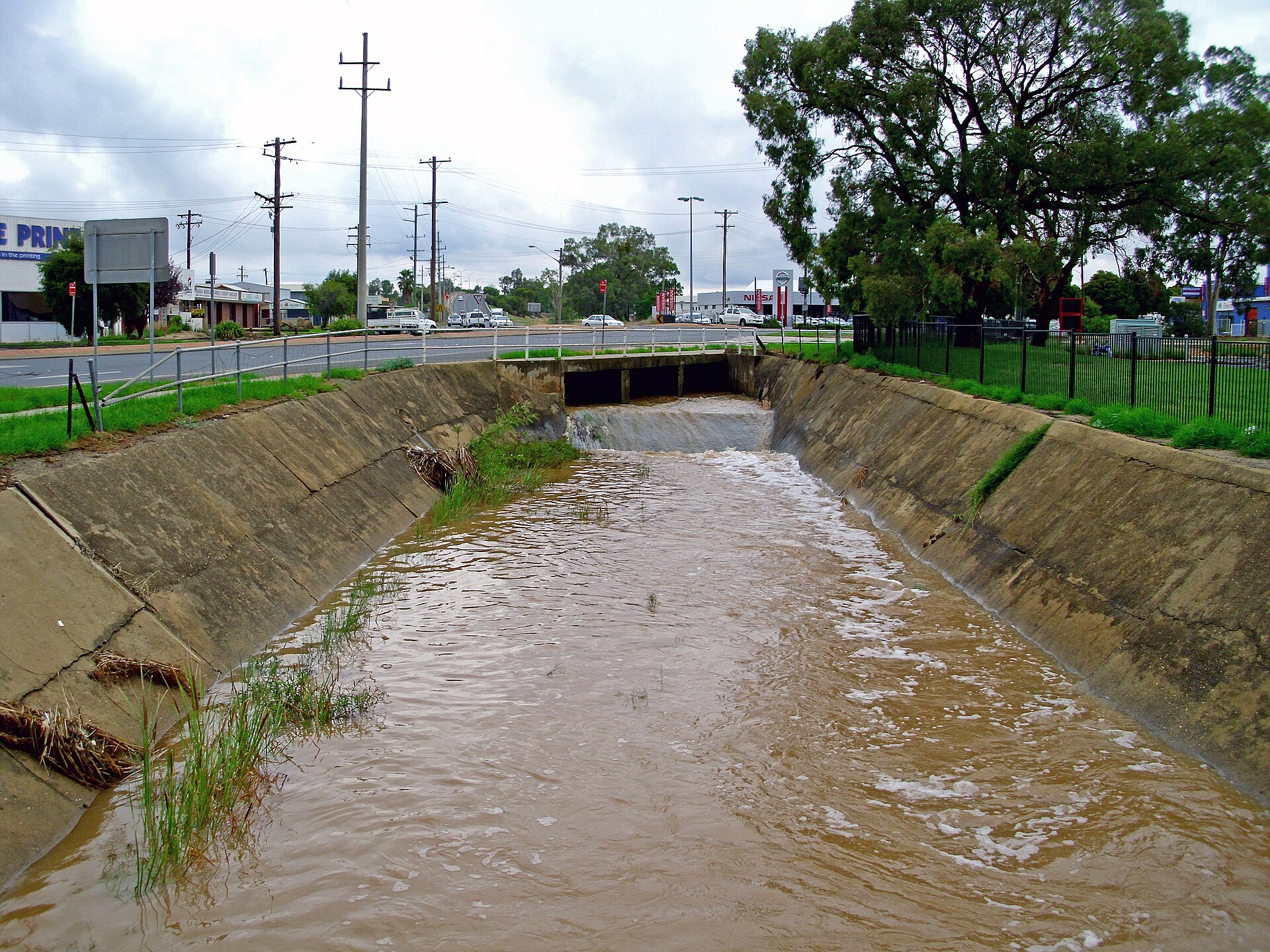
Rain that crosses a road, a roof or a footpath is not clean water. It picks up nutrients, suspended solids, hydrocarbons, pesticides and a long tail of trace organic chemicals before it reaches a drain. In most cities that mixture goes to a creek or a beach with little or no treatment.
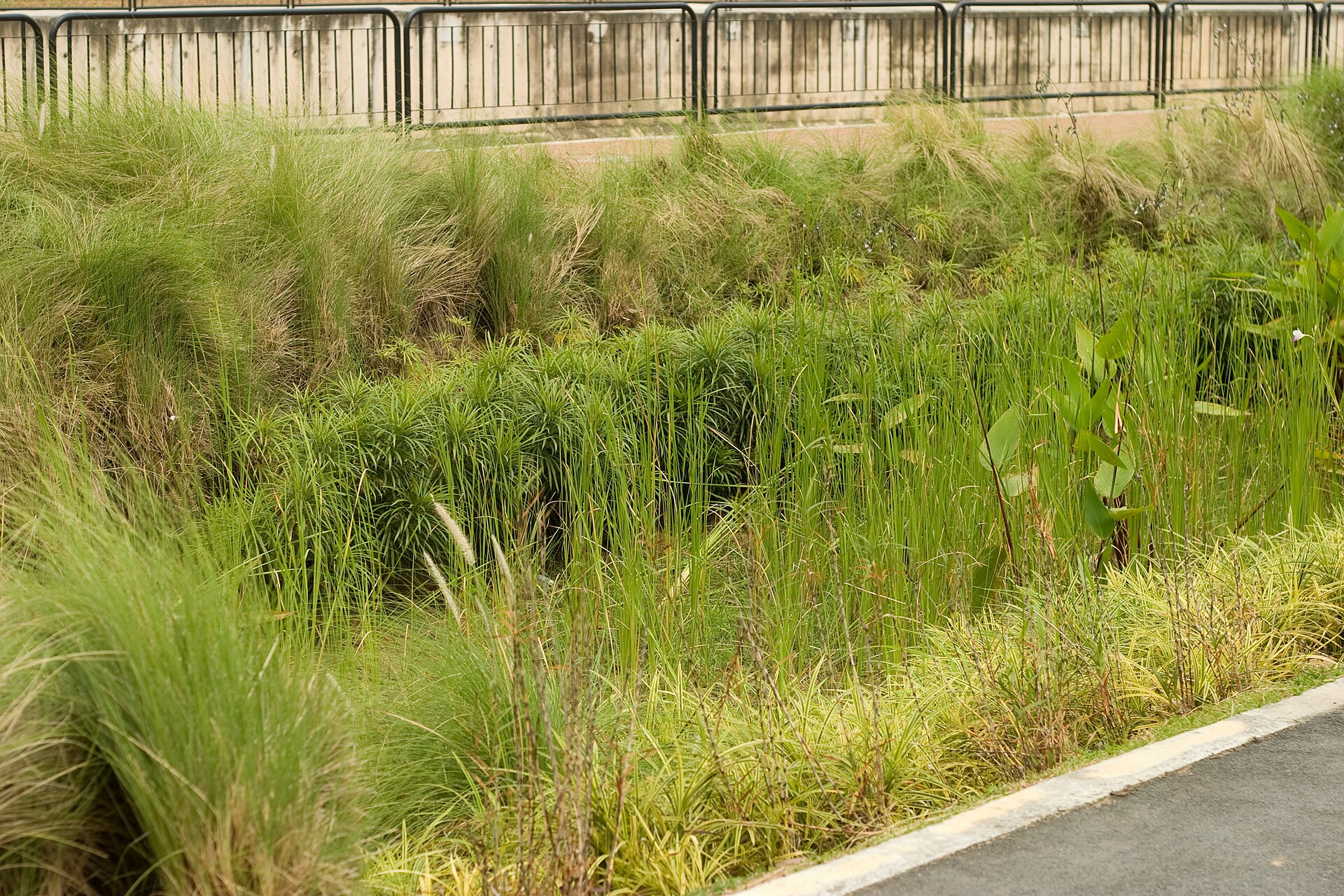
Biofilters intercept some of that. Particles are strained out, some compounds sorb onto the media, and microbial communities in the root zone transform the biodegradable fraction.
Why passive systems plateau
A passive bed reacts to weather rather than anticipating it. During an intense storm it fills and overflows, so contact time collapses exactly when loading is highest. During a long dry spell it dries out, oxygen floods the profile, and the microbial community shifts.

Control layer one: sensors inside the bed
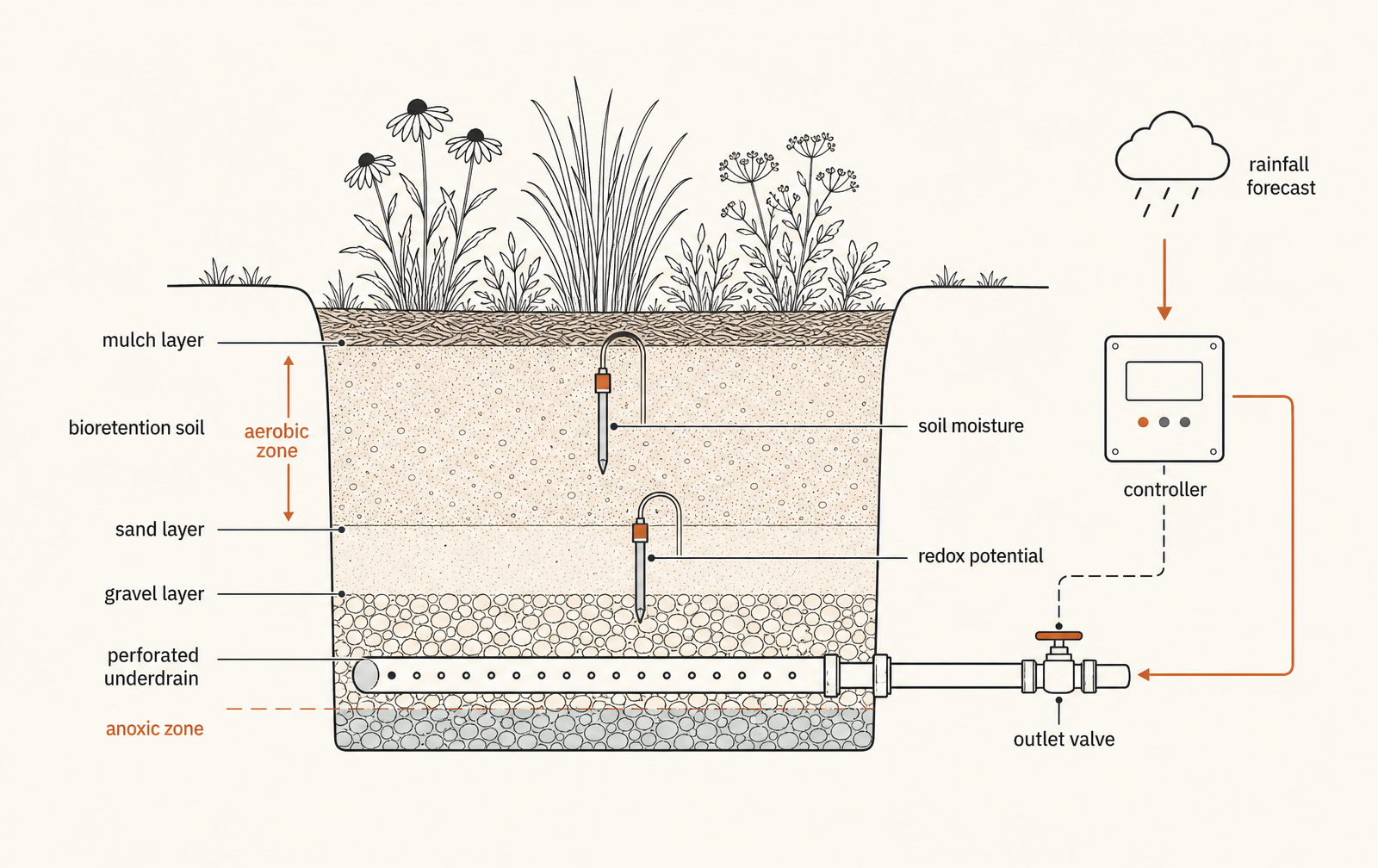
The adaptive design embeds soil moisture and redox potential probes in the media. Redox is the useful one. It tells the controller whether conditions in a given layer are oxidising or reducing, which is a proxy for which microbial reactions are actually possible right now.
Control layer two: the forecast
The second input is rainfall forecast. If a large event is coming, the valve drains stored water in advance to create capacity. If nothing is coming and the bed is in a favourable treatment state, the valve holds water back and buys the microbes more contact time.
That is the part worth sitting with. The valve is not just a storage trick. Changing the saturated depth changes where the aerobic and anoxic zones sit, and therefore which contaminants the bed is currently good at removing.
What was actually tested
The peer-reviewed work used vegetated mesocosm columns run for a year with embedded moisture and redox sensors and three real-time-control configurations. Improvements varied by compound and by the length of the preceding dry period. UNSW's more recent field-facing communication describes laboratory tests recreating eleven rainfall events, reporting removal of many organic contaminants rising from roughly 76% to nearly 90% against conventional operation.
The caveat that matters
This is a control retrofit, not a universal solvent. Persistent contaminants remained difficult to remove, and the results are laboratory-scale. The open engineering questions are unglamorous: sensor fouling, valve and telemetry maintenance, power at the site, what happens when the forecast is wrong, where pre-released water goes, and whether the controls can be retrofitted into existing beds at a cost a council will actually approve.
The honest comparison is not adaptive biofilter versus nothing. It is adaptive biofilter versus simply building more passive treatment area for the same money.
References and image credits›
- 01Waste Management Review — New stormwater system boosts pollutant removal
- 02UNSW Sydney — Smart stormwater filter developed to stop more pollution reaching rivers and beaches
- 03Real-Time Control of Redox Dynamics in Stormwater Biofilters Enhances Organic Chemical Removal, Environmental Science & Technology (2026)
Photo: EmilyBlueGreen, CC BY-SA 3.0 · Photo: Bidgee, CC BY-SA 3.0 · Photo via Wikimedia Commons, CC BY 2.0 · Photo: Rogersoh, CC BY-SA 3.0