
Recycling does not always use more energy than making something new
Collection trucks and sorting lines are visibly energy-hungry, which makes the myth feel obvious. EPA's own numbers say otherwise for most materials — but the word doing the damage in the myth is "always", and it cuts both ways.
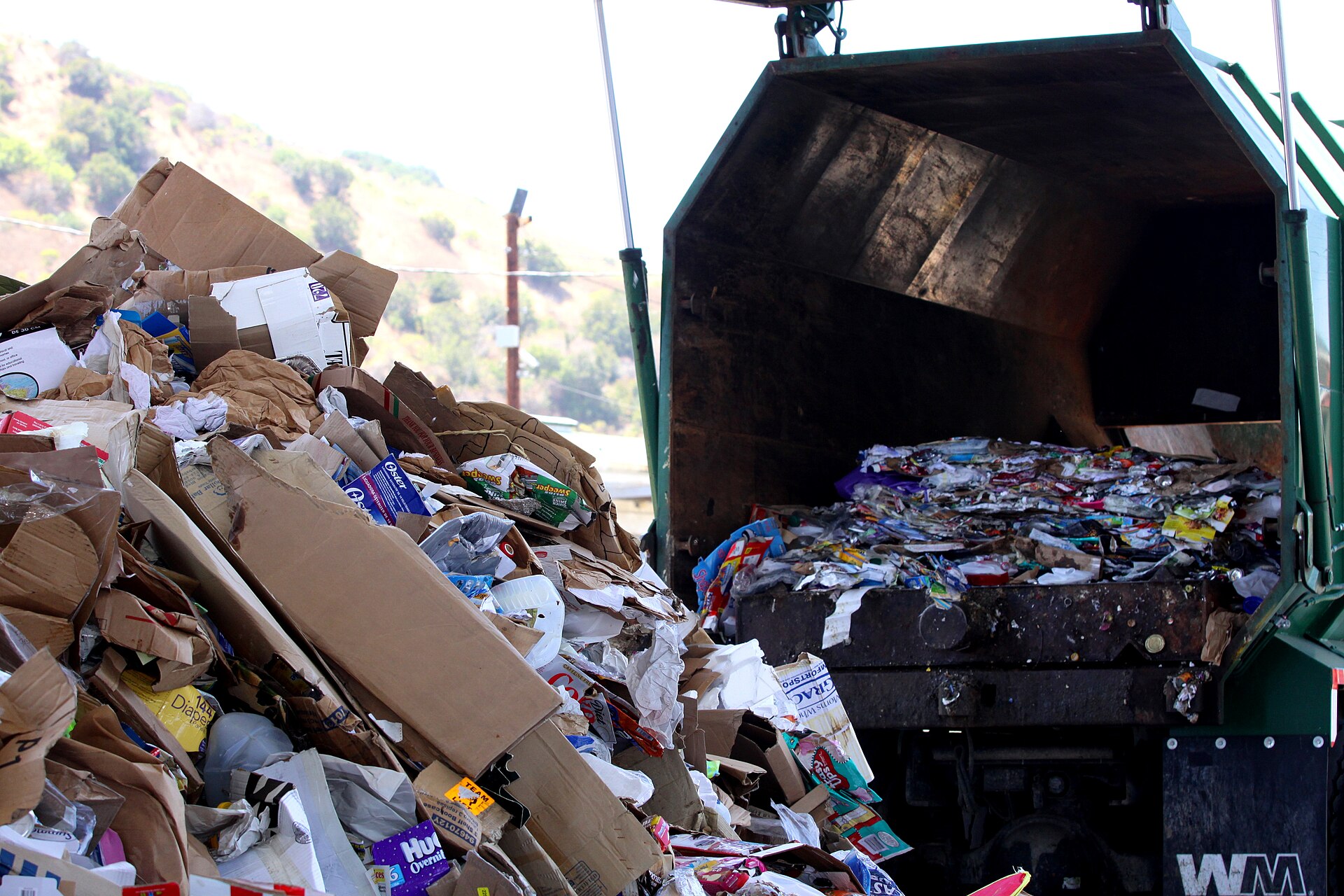
This one survives because the energy you can see is the energy you count. Trucks, conveyors, washing lines and remelt furnaces are all visible. The mine, the pulp digester and the smelter you never visit are not.
Recycling burns so much fuel to collect, wash, sort and remanufacture that making a new product from raw materials is always greener.
EPA says recycling generally conserves energy and natural resources by avoiding some virgin extraction and processing. It also says source reduction and reuse are preferable, and that the best option depends on the material and the local system.
The numbers EPA actually publishes
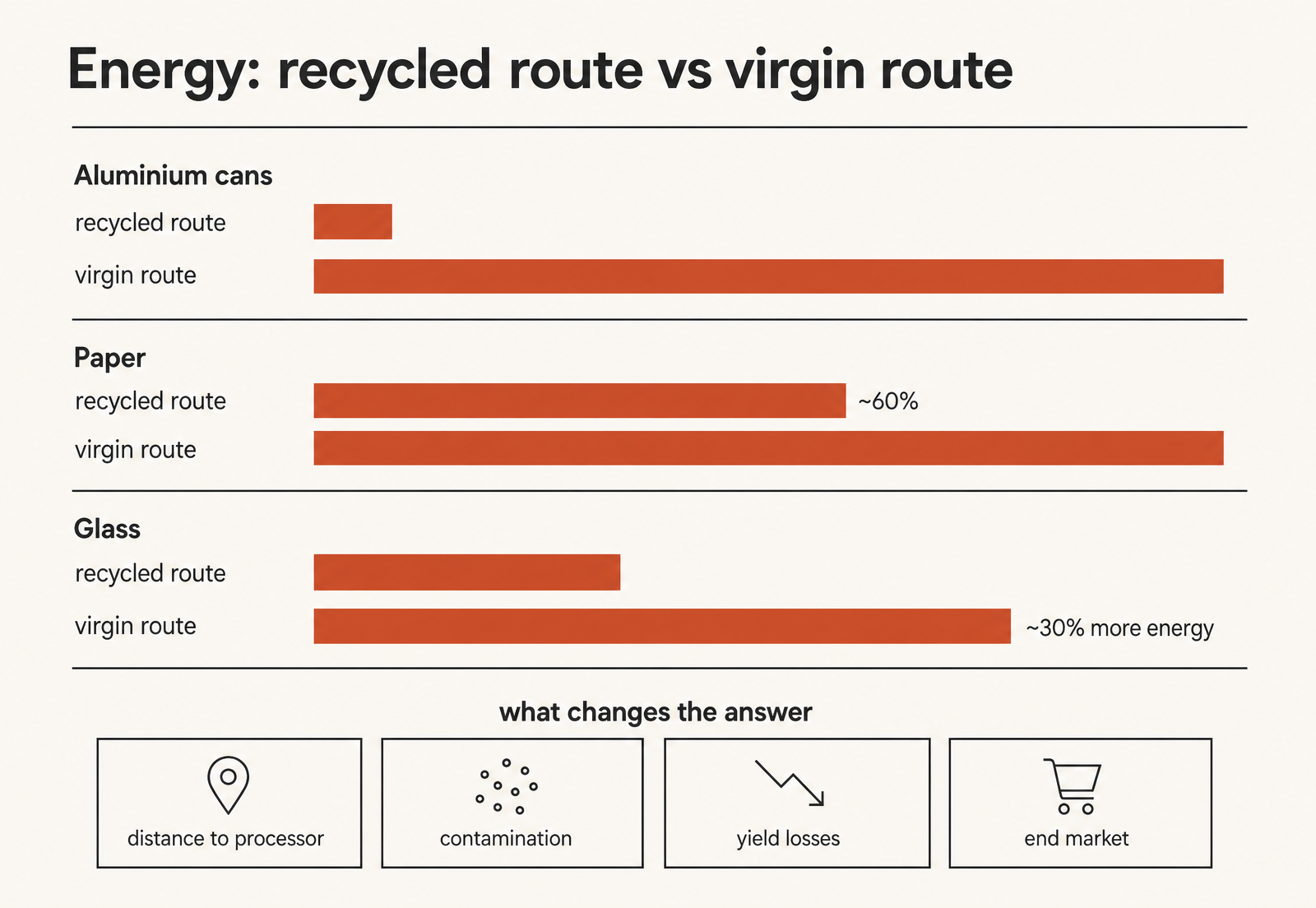
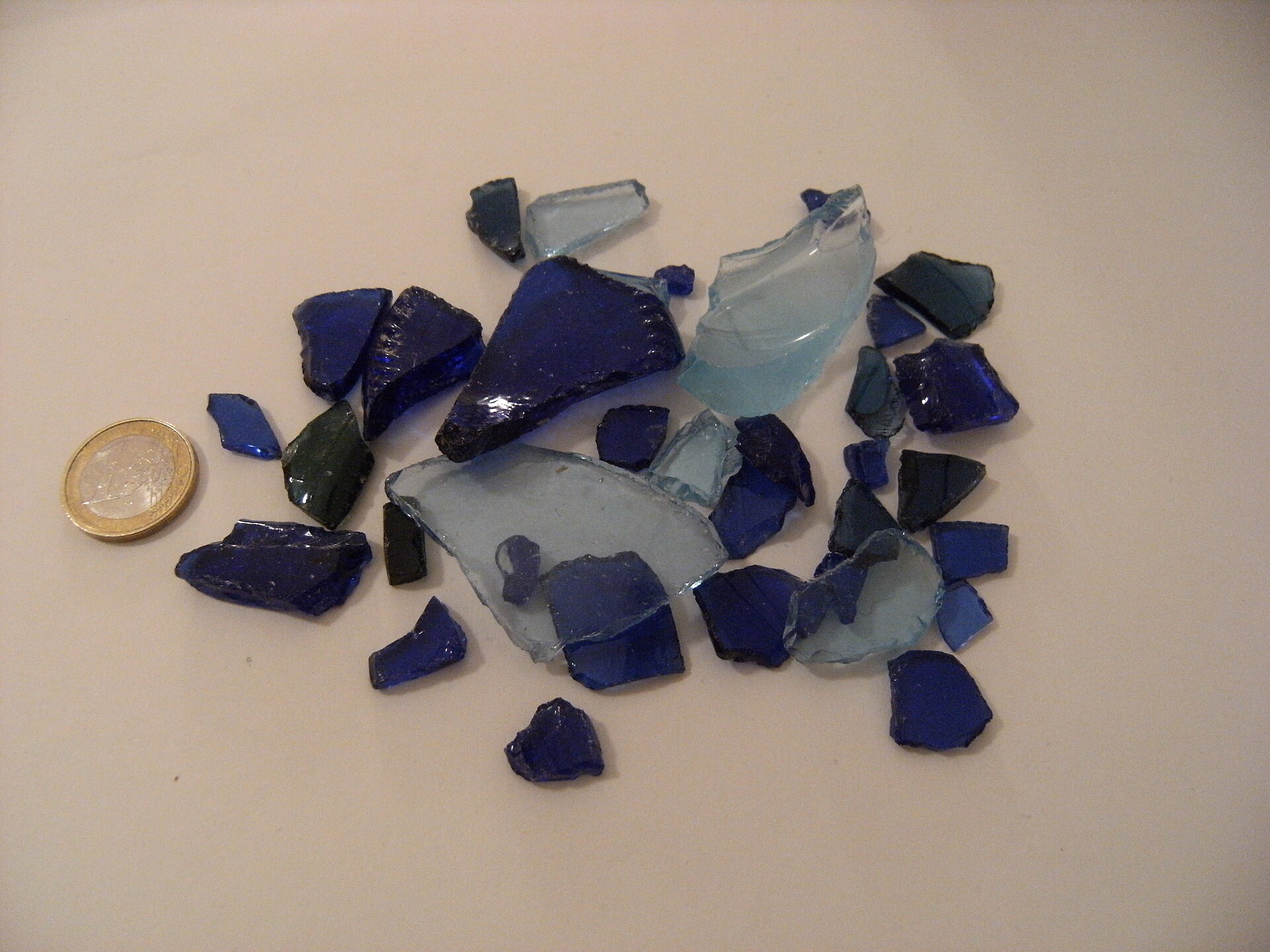
EPA's WasteWise factoids add two more useful reference points: recycled paper production uses roughly 60% of the energy of paper made from virgin wood pulp, and producing glass from virgin materials takes about 30% more energy than melting crushed used glass.
Why "always" is the problem in both directions
The result depends on the material, the distance to a viable processor, sorting and washing requirements, contamination, yield, the local electricity mix, and what the recycled output actually displaces. A load rejected for contamination carries all the collection and sorting impact and delivers none of the substitution benefit.
The hierarchy still ranks above all of this
EPA is explicit that the most preferred strategy is not creating the waste, then reuse, then recycling. That ordering matters here because the myth is usually deployed as permission to skip straight to disposal. A reusable item that is genuinely reused many times can beat a disposable item that is technically recyclable.
What to do with this
Check what your local programme accepts. Keep accepted recyclables empty and reasonably clean. Do not wish-cycle — putting hopeful material in the bin is how loads get rejected. Reduce and reuse first, then recycle the materials your system can actually recover.
Neither "recycle everything" nor "recycling is pointless" survives contact with the numbers. Prevent waste, reuse where practical, recycle correctly where the system works.
References and image credits›
- 01US EPA — Frequent Questions on Recycling
- 02US EPA WasteWise — Environmental Factoids
- 03US EPA — Individual Waste Reduction Model (iWARM)
Photo: US Department of Defense, public domain · Photo: Alter Fritz, CC BY-SA 3.0