
75% recycled does not equal 75% circular
SABIC has launched a carbon-fibre-reinforced polycarbonate with more than 75% post-consumer recycled content, made from water bottles, CDs, golf shafts and turbine blades. The materials engineering is real. The circularity claim is doing more work than the data supports.

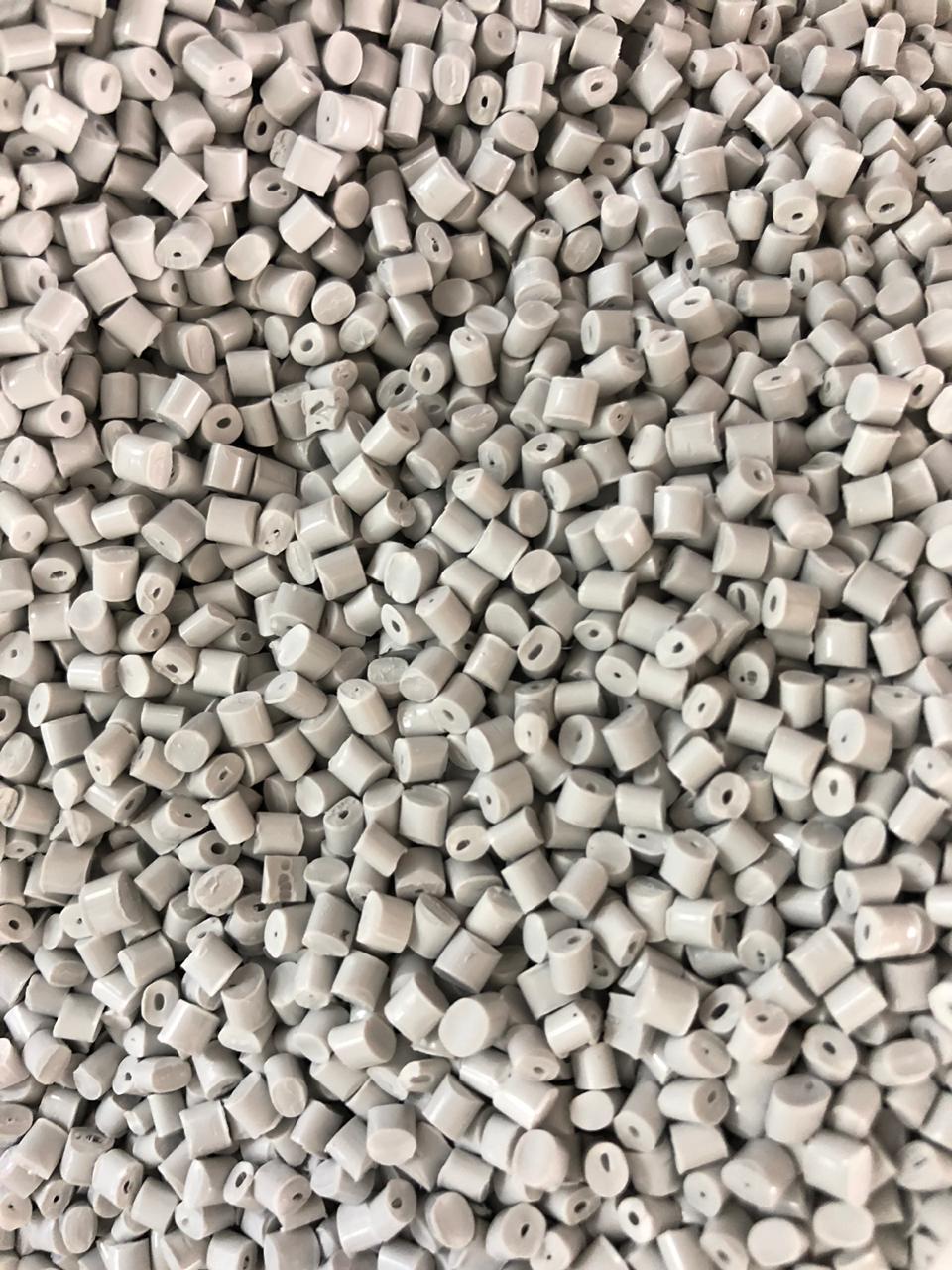
The grade is LNP Elcrin DC0051RC1: a carbon-fibre-filled polycarbonate compound with more than 75% post-consumer recycled content and a UL 94 V-0 flame rating at 0.8 mm, aimed at thin-wall consumer-electronics housings. That combination is genuinely hard to hit. It is also not the same thing as a closed loop.
What is actually in the compound
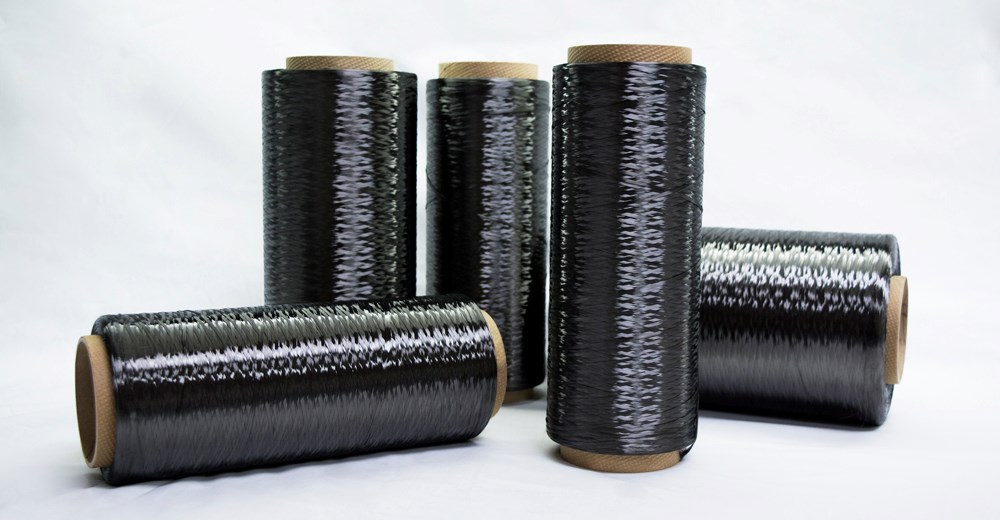
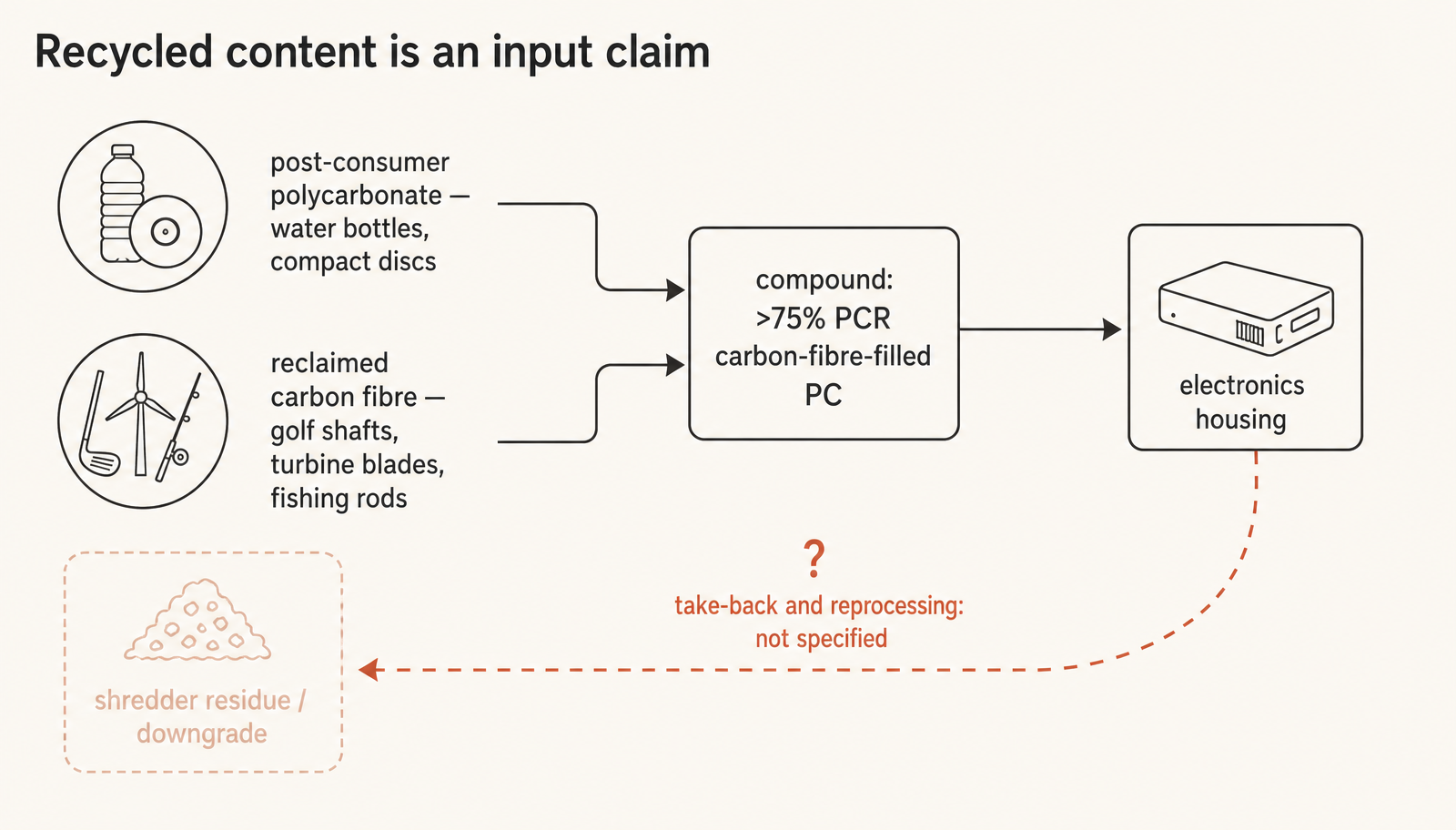
Two waste streams feed it. The polycarbonate comes from water bottles and compact discs and is mechanically recycled. The carbon fibre comes from discarded golf-club shafts, wind-turbine blades and fishing rods, recovered through a pyrolysis-based route.

What is genuinely strong
The interesting claim here is not the percentage. It is that a designer can specify recycled feedstock in a part where they previously assumed it would cost them strength, warpage control or fire performance.
Putting high recycled content into a low-spec product is easy. Putting it into a flame-retardant, stiff, dimensionally stable engineering compound that has to fill a thin wall without warping is not. SABIC says the 75% ceiling was set through material characterisation, mechanical and processing tests and durability testing — that is, the number is a qualification limit, not a marketing target.
What the percentage does not mean
It does not mean 75% of a finished laptop is recycled. It does not mean the part can be recycled back into an equivalent part. The grade is a mixed material system — polycarbonate, flame-retardant additives and carbon fibre — and that formulation is likely to make future separation and high-value reprocessing harder than a mono-material housing would be.
Where the loop is still open
The announcement does not disclose annual volumes, collection rates, price against virgin PC, geographic feedstock availability, or how much rejected and contaminated material is generated upstream. The grade is sold globally but produced in Shanghai, so logistics and regional access to qualified feedstock are live variables, not footnotes. ISCC+ certification can support a chain-of-custody claim; it is not an independently published, product-specific life-cycle assessment.
The missing end-of-life plan
A circular electronics story needs a reverse pathway: how housings are identified, collected, dismantled and routed to a compatible recycler. Without it, this is a one-way improvement. The waste is used once, at high value, and the finished part still ends up as shredder residue or a lower-grade output.
The fair verdict
A credible recycled-content and performance advance. Not evidence that electronics plastics have become circular. The follow-up questions are specific and answerable: how much is being sold, whether customers pay a premium, what a verified cradle-to-grave footprint says, and whether SABIC or the brands using it will support take-back.
References and image credits›
- 01Resource Recycling — Sabic launches engineered plastic with 75% PCR
- 02SABIC Material Finder — LNP ELCRIN DC0051RC1
- 03CompositesWorld — SABIC launches 75% PCR-based CFRP compound
Photo via Wikimedia Commons, CC BY 2.0 · Photo: KenWalker, CC BY-SA 4.0 · Photo: texdata.com, CC BY-SA 4.0 · Photo via Wikimedia Commons, CC BY-SA 4.0