
Marine Microbes Turning Food Waste Into Protein: Good Biology, Unresolved Regulation
A Chinese research group reports converting food waste into single-cell protein using salt-tolerant marine microorganisms. The salt tolerance is a genuine engineering advantage. Feed approval is where this stalls.
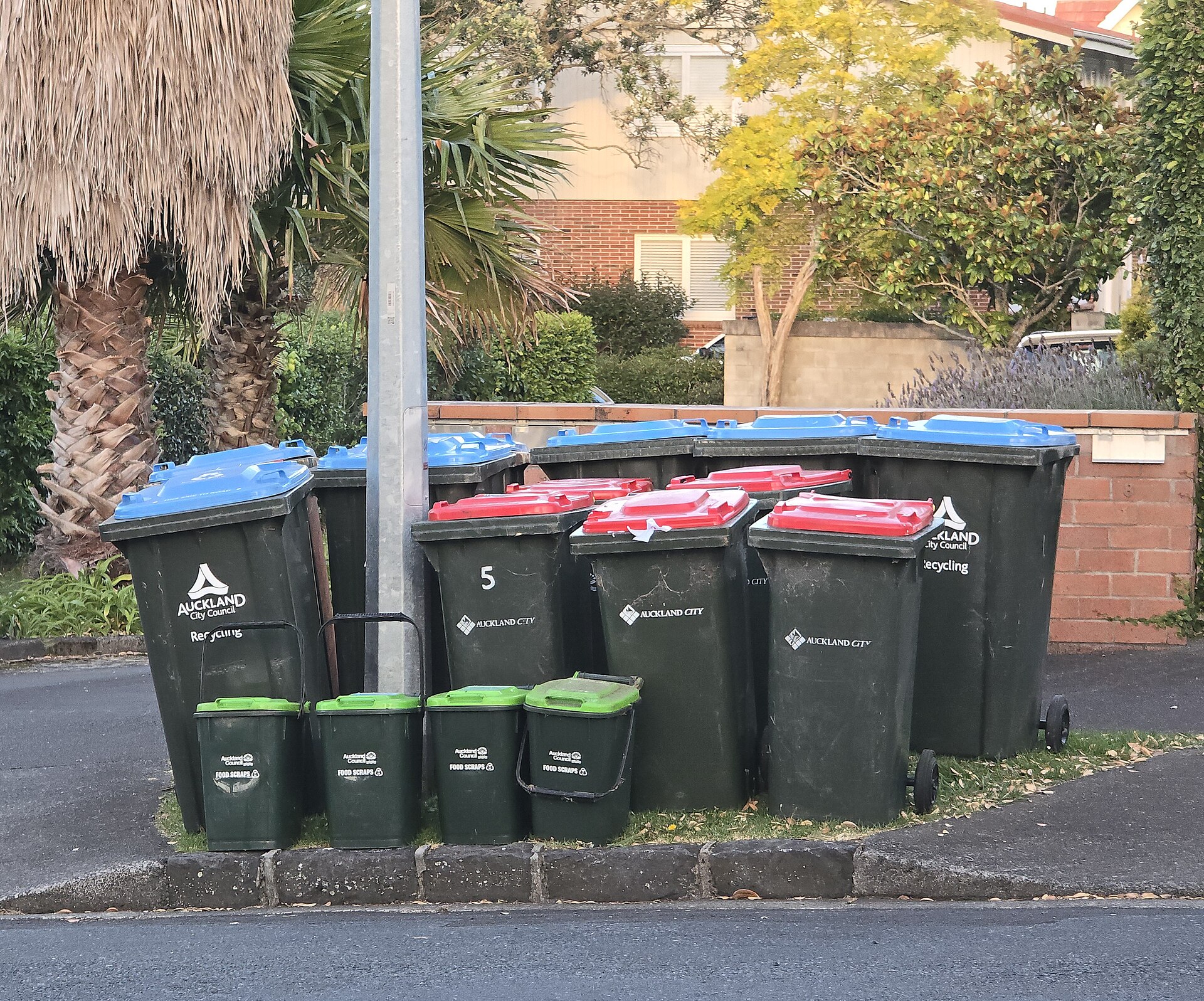
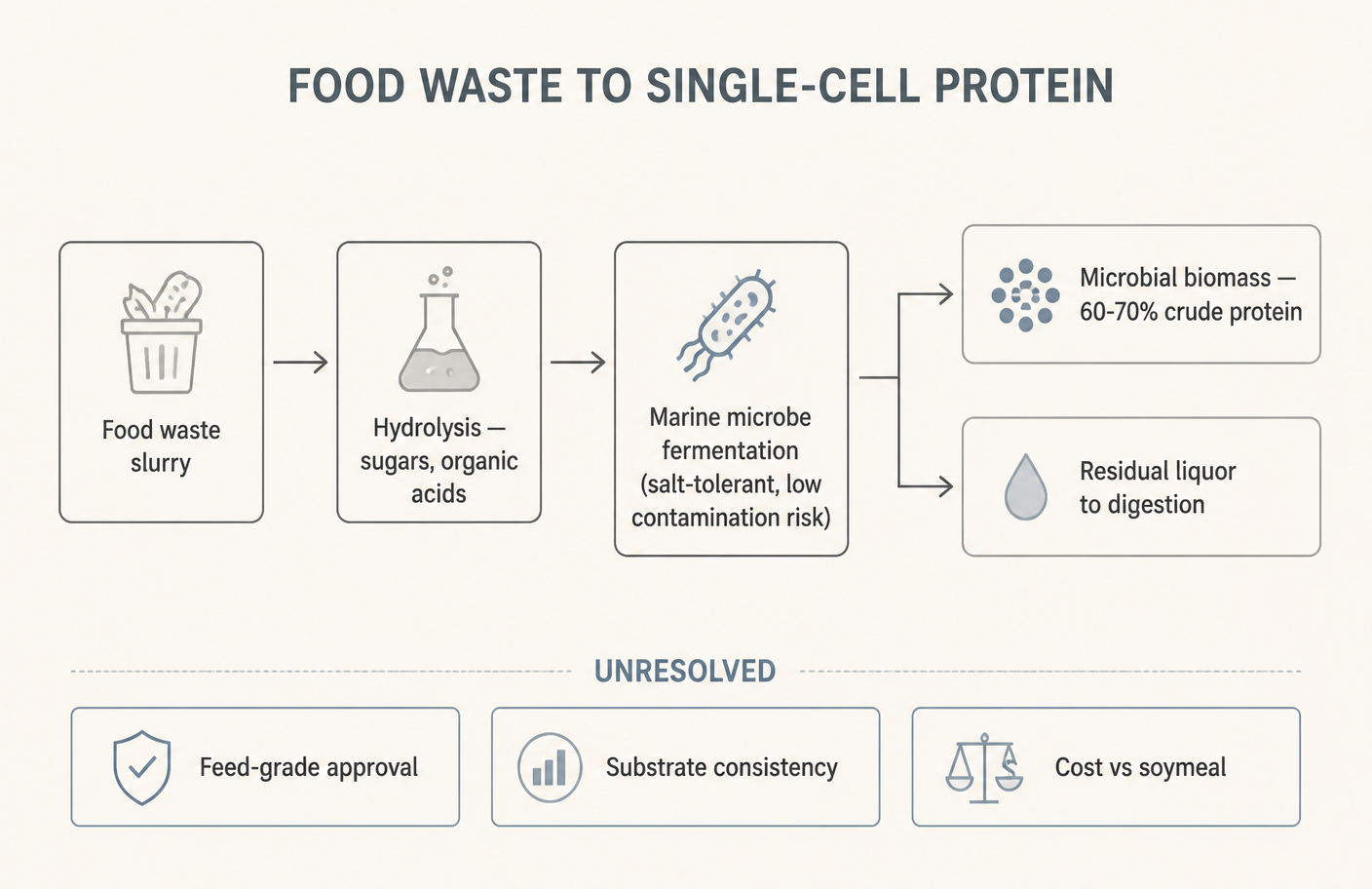
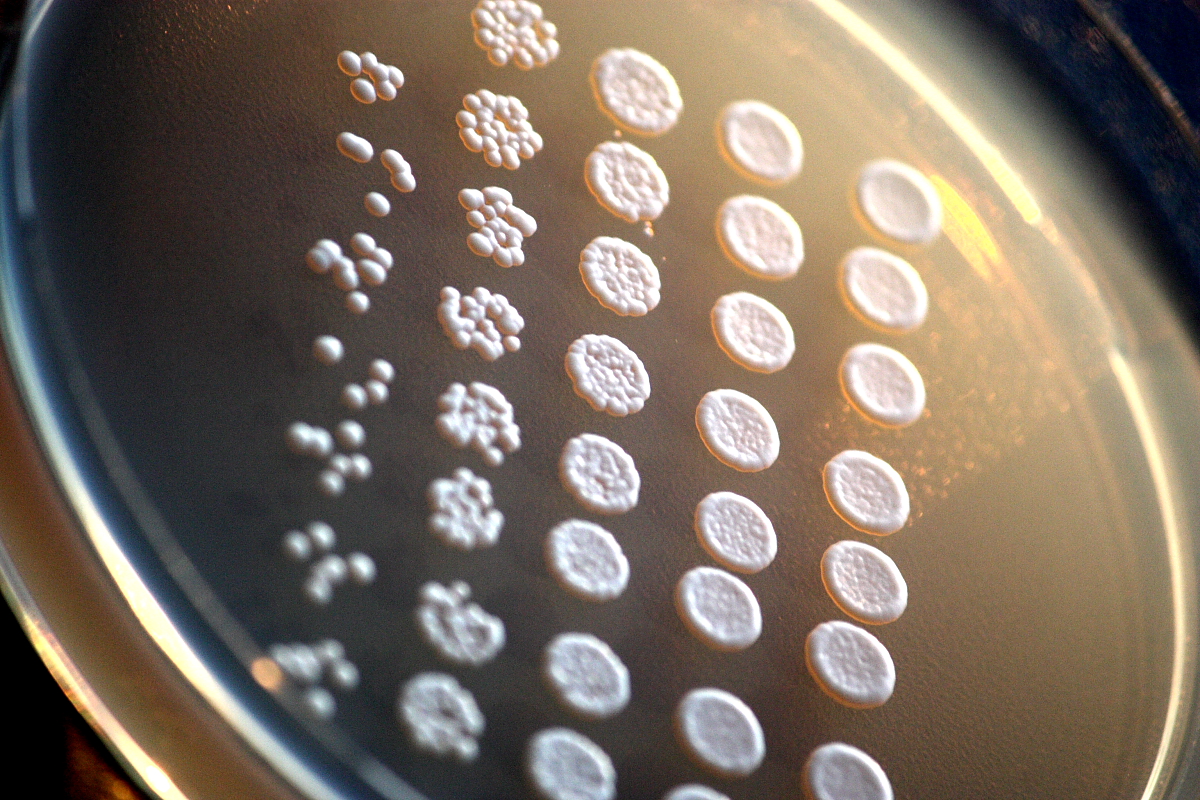
Chinese researchers reported a process using marine-derived microorganisms to ferment food waste hydrolysate into single-cell protein suitable, they argue, for animal feed.
Why marine organisms are a smart choice
Food waste is salty. Restaurant and canteen waste in particular carries enough sodium chloride to inhibit most industrial fermentation organisms, which forces either dilution — expensive, because it increases reactor volume and downstream dewatering — or desalination, also expensive.
Marine microorganisms evolved in seawater. They tolerate the salt load natively. Two secondary benefits follow: a saline medium suppresses most terrestrial contaminant organisms, reducing the need for aggressive sterilisation; and higher-solids operation becomes possible, improving volumetric productivity.
The regulatory wall
Food waste can be upcycled into animal feed protein.
In the EU, feeding catering waste to farmed animals is prohibited under animal by-product rules, a legacy of BSE and foot-and-mouth. Microbial biomass grown on such waste occupies a contested position and requires case-by-case novel feed authorisation. China''s rules differ, but export into Western feed markets faces the same barrier.
This is not a technicality that a better process overcomes. It is the binding constraint. Several technically successful food-waste-to-feed ventures in Europe have been shut down by this rule rather than by their unit economics.
Substrate variability
The second problem is that food waste is not a feedstock in the industrial sense — it is a category. Composition swings weekly with season, source and collection route. Fermentation processes are sensitive to carbon-to-nitrogen ratio, inhibitors and trace metals. A process validated on a synthetic or single-source hydrolysate frequently underperforms on real mixed collection.
The economics it has to beat
Single-cell protein competes against soymeal and fishmeal, both commodity-priced and both produced at enormous scale. The competing use of the same food waste is anaerobic digestion, which is mature, permitted, and paid via gate fees and energy. For protein to win, it has to clear regulatory approval and then beat digestion on revenue per tonne of input. That is a high bar, and the paper does not attempt it.
References and image credits›
Photo: RadishSlice, CC BY-SA 4.0 · Photo: Rainis Venta, CC BY-SA 3.0 · Photo: Rasbak, Wikimedia Commons, CC BY-SA 3.0