
Cleaner water, different signature: the UV-and-ozone endocrine result
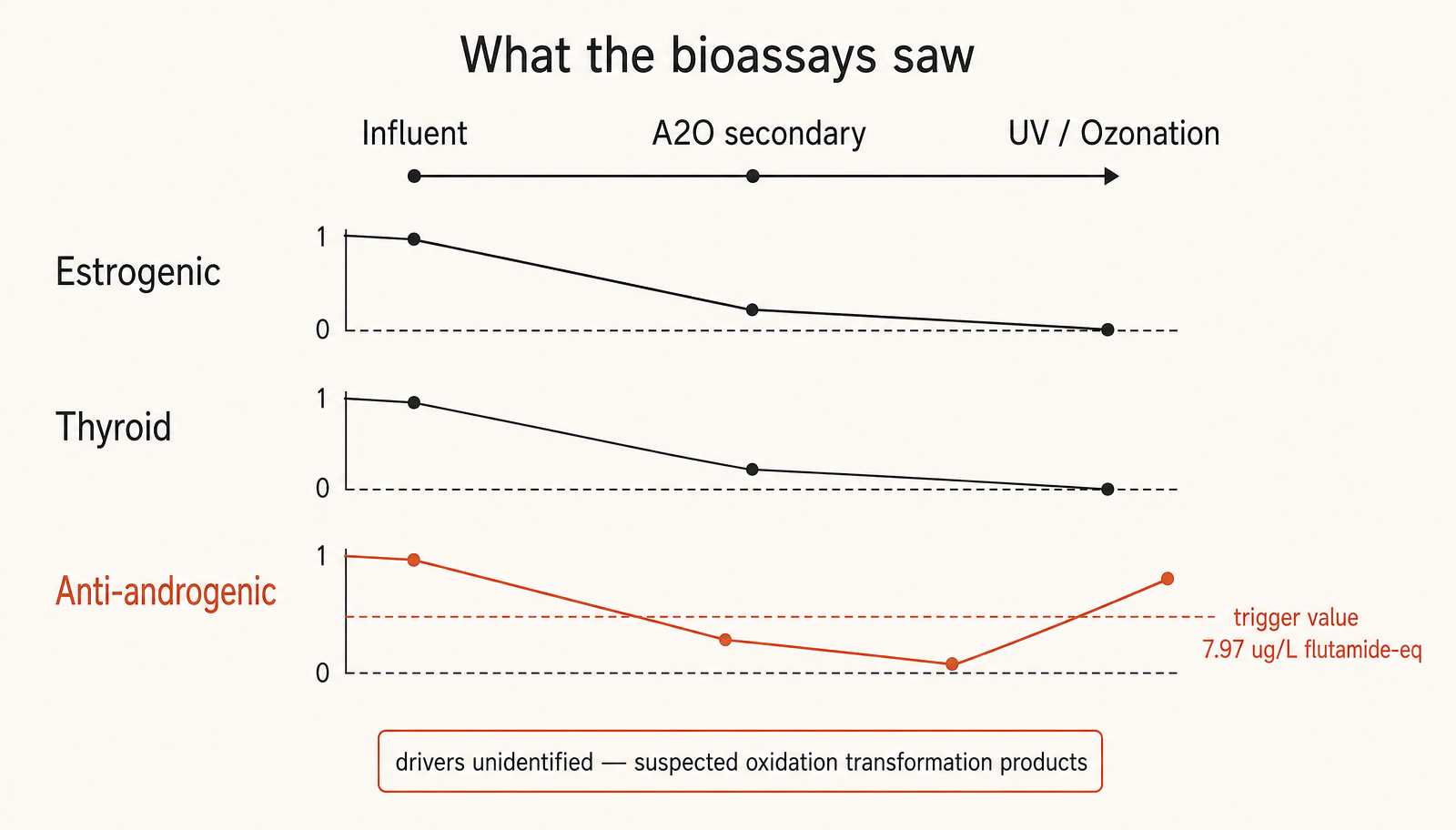
A study of a Tianjin plant found UV and ozonation knocked out estrogenic and thyroid activity — and pushed anti-androgenic activity above a study-derived trigger value. Important finding. Not a verdict on ozone.
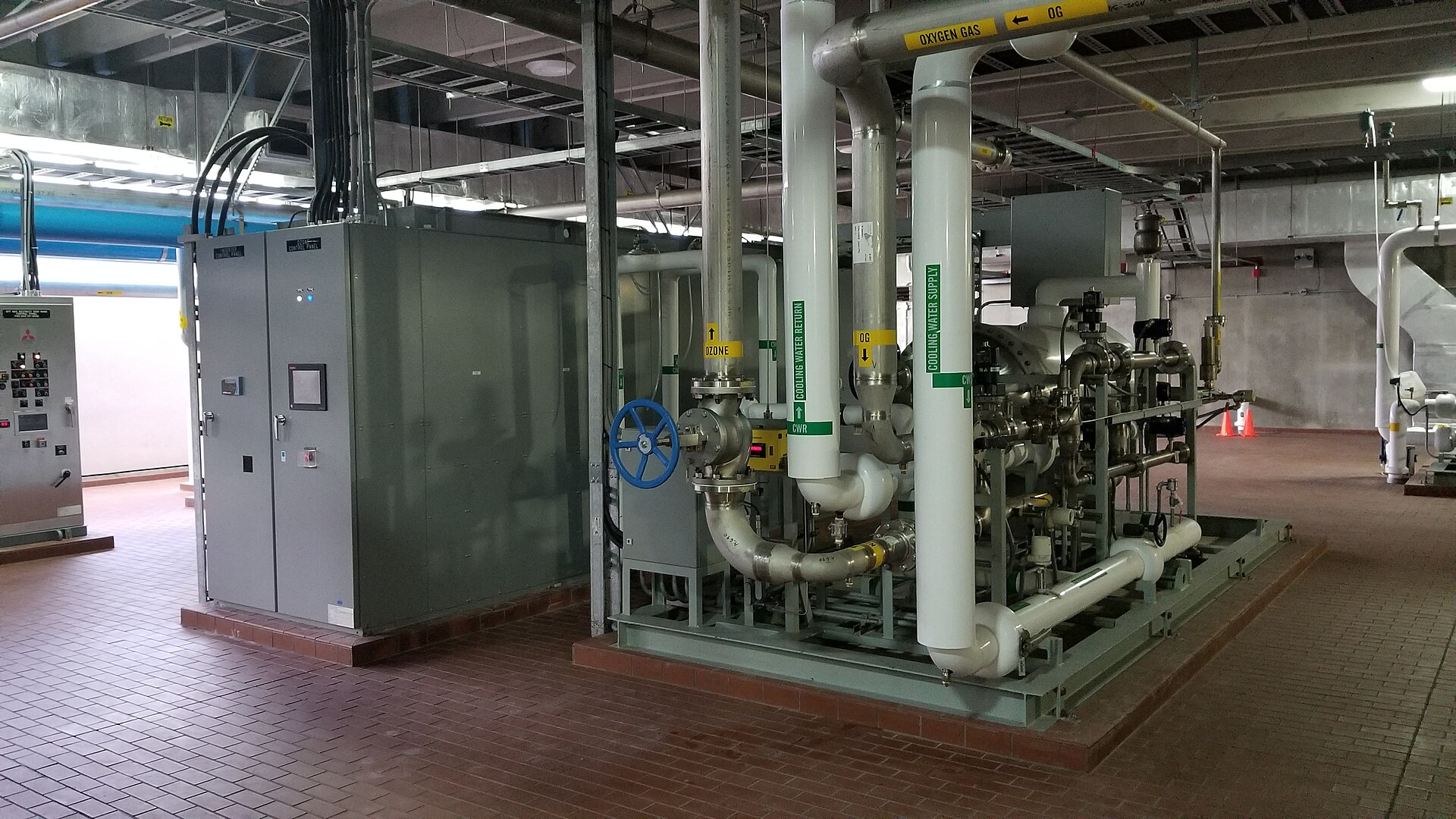
The headline version of this study writes itself: advanced treatment creates hidden endocrine risks. The actual result is narrower, stranger and more useful — a plant can remove one biological hazard while creating or revealing another, and current monitoring would not necessarily notice.
What was actually measured
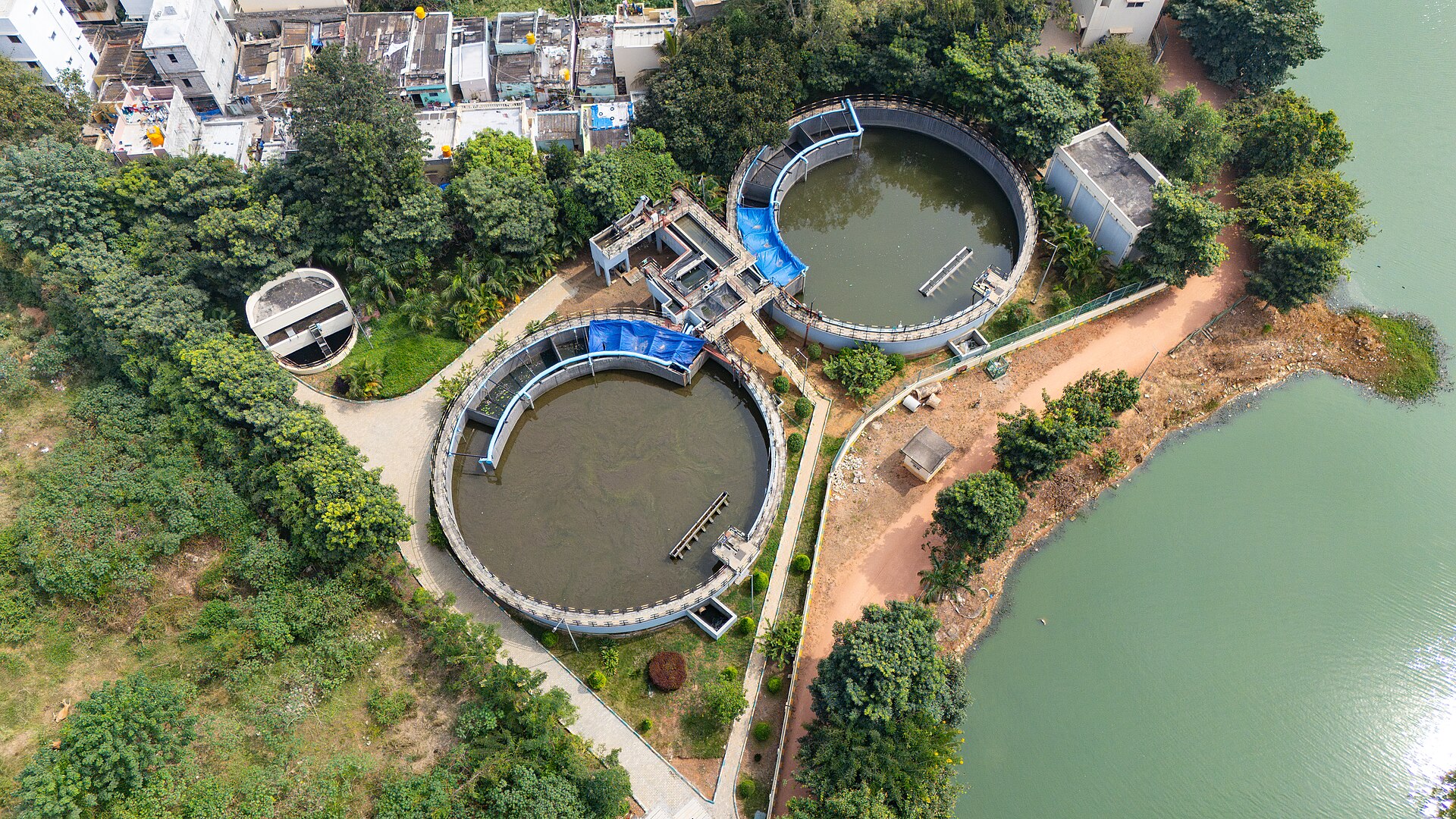
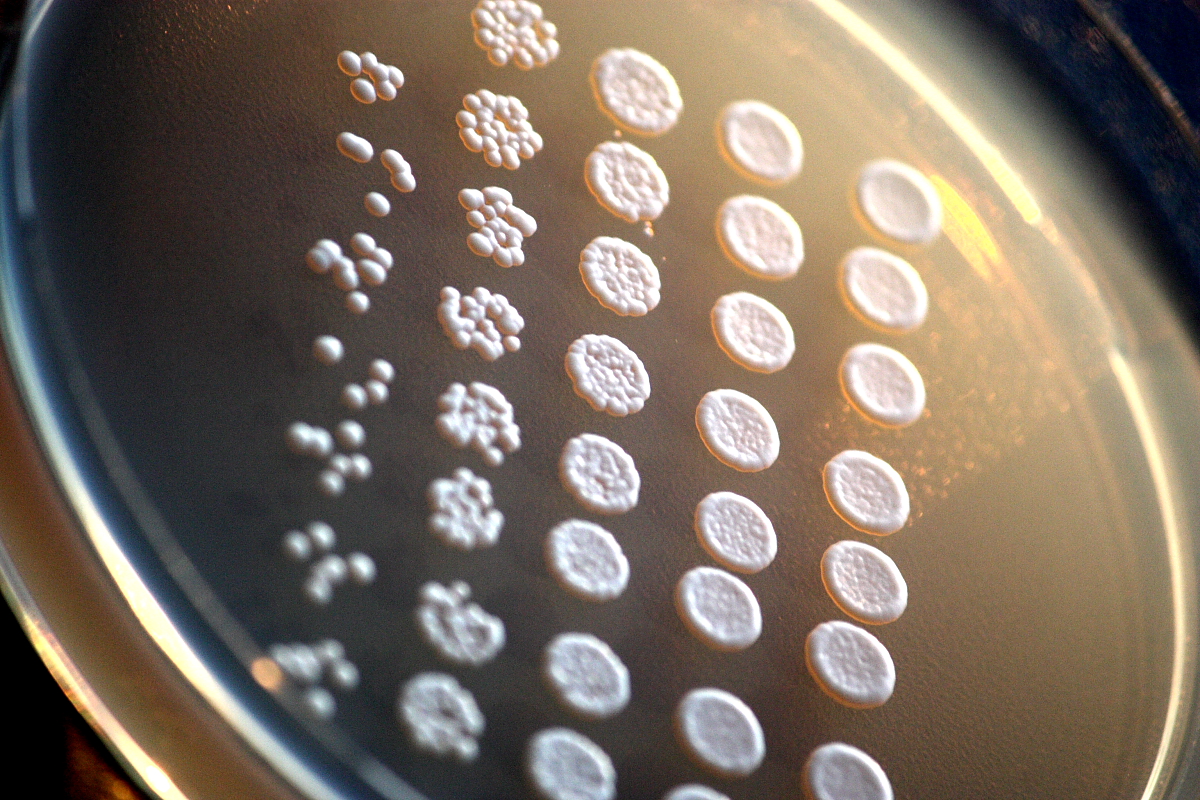
Researchers sampled a wastewater-treatment plant in Tianjin, China, plus two pilot systems. Rather than chasing a checklist of named chemicals, they used triplicate yeast bioassays carrying human estrogen, androgen and thyroid receptor systems — an effect-based approach that responds to whatever is in the water, including unknowns.
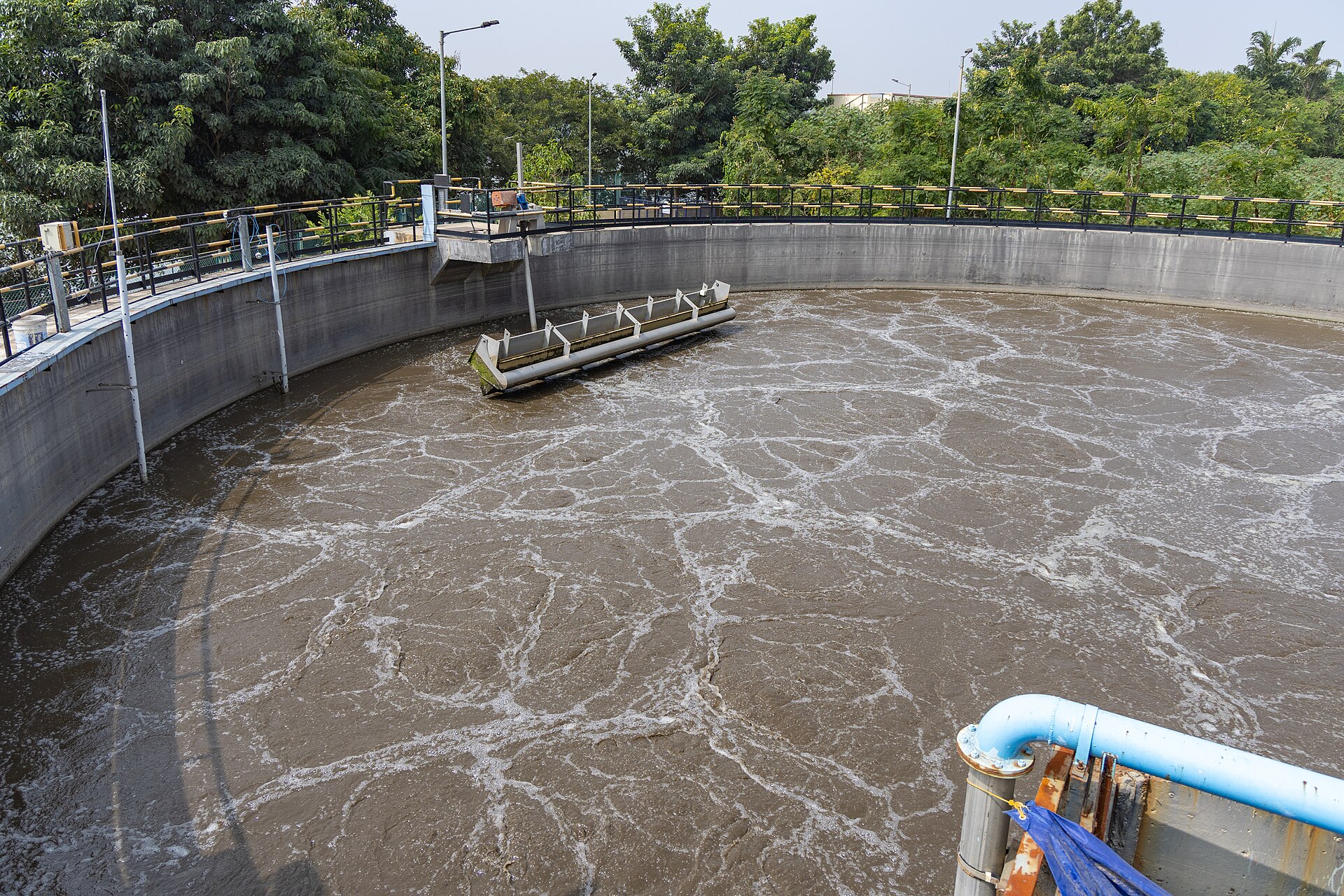
Conventional A²O treatment did most of the work. Estrogenic activity fell below the detection limit after secondary sedimentation.
The complication
UV and ozonation were effective against estrogen- and thyroid-receptor effects. Anti-androgenic activity went the other way.
The authors report that UV and ozonation pushed anti-androgenic activity above that benchmark. They suspect oxidation transformation products — compounds formed when a strong oxidant partially breaks down something else — but the responsible chemicals were not identified.
The promise
The finding is less "ozone is dangerous" and more "removal of a named chemical is not the same as removal of its biological effect".
This is the part worth keeping. Effect-based testing detects the combined activity of unknown mixtures and transformation products — exactly the blind spot in target-chemical monitoring. A plant that tests only for the twelve compounds on its permit cannot see a thirteenth created in its own ozone contactor.
The catch
One full-scale plant plus two pilot systems is not a multi-region survey. A yeast-receptor response is a warning signal, not proof of population-level ecological harm. The 7.97 μg/L trigger is assay-specific and was derived within this study, not adopted from a regulatory standard. The chemical drivers are unknown, and operating conditions — dose, contact time, water matrix — may not represent every UV or ozone system in service.
Earlier full-scale work reinforces the caution in both directions: estrogenic activity was nearly eliminated by ozone, but there was no clear dose-dependent removal pattern for anti-estrogenic or anti-androgenic activity. In other words, this is not the first hint, and it is still not a pattern.
What an operator should do next
Not rip out ozonation. Add endpoints. If anti-androgenic activity is the signal that behaves unpredictably under oxidation, it belongs in a monitoring panel alongside the estrogenic assay that everyone already runs — and it should be measured before and after the advanced stage, not just at the outfall.
The honest read: important, specific, unresolved. A reason for targeted follow-up, not a universal verdict against ozonation.
References and image credits›
- 01Maximum Academic Press — Integrated effect-based analysis of endocrine disruption risks in advanced wastewater treatment
- 02EurekAlert! — Advanced wastewater treatment may create hidden endocrine risks
- 03PubMed — Full-scale ozone treatment study
Photo: Rainis Venta, CC BY-SA 3.0 · Photo: Vraj Acharya, WELL Labs, CC BY-SA 4.0 · Photo: B, CC BY-SA 4.0