
Neela’s microbes are not yet a tank of certified jet fuel
The £2.1 million funding supports scale-up, while feedstock conversion, fuel upgrading and qualification remain distinct steps.
Used cooking oil is a limited feedstock for aviation fuel. The dominant commercial route for sustainable aviation fuel (SAF) relies on hydroprocessed esters and fatty acids (HEFA), which processes waste lipids such as used cooking oil and animal tallows into paraffinic hydrocarbons. Because global supplies of waste fats are already constrained by competing demand from road transport and chemical manufacturing, the aviation sector faces a strict ceiling on how much fuel HEFA can realistically supply.
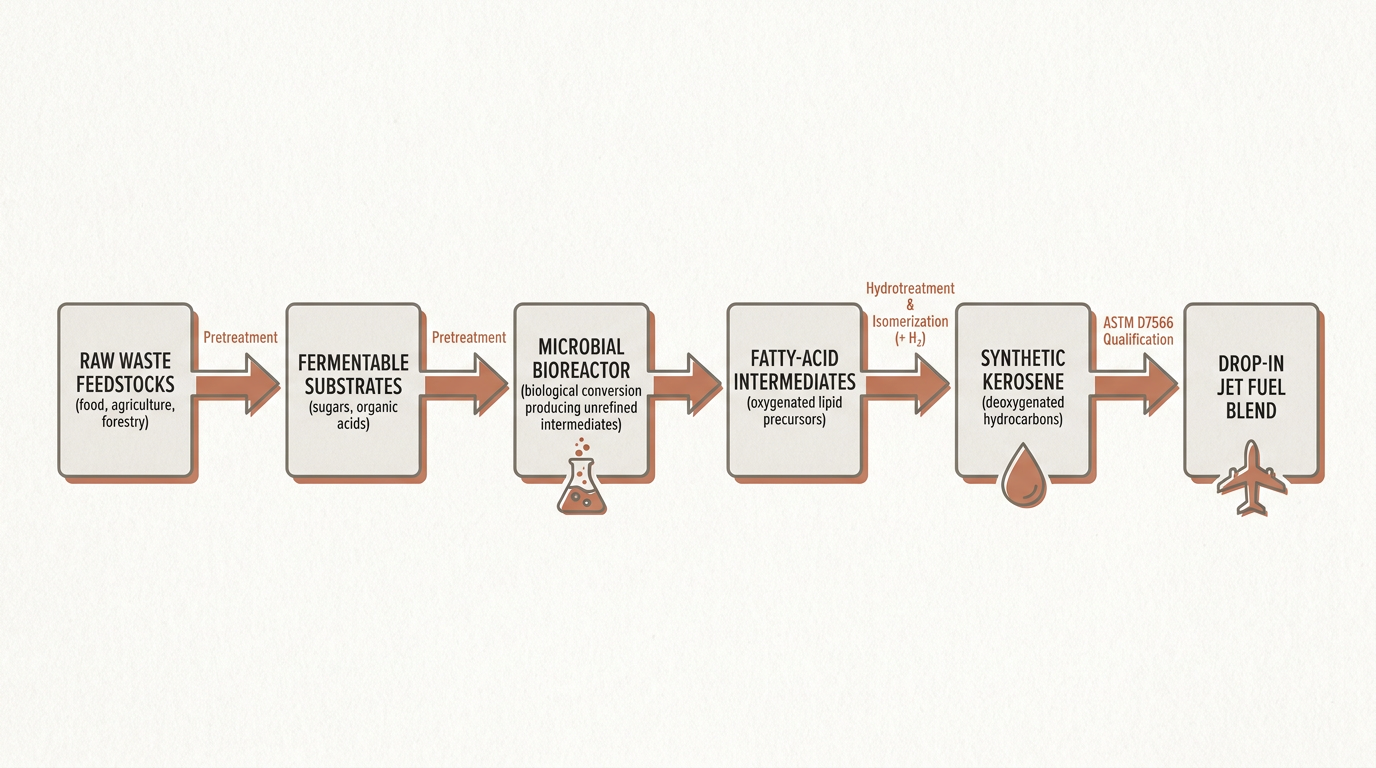
Neela Biotech proposes another route: convert food, agricultural and forestry waste into fatty-acid intermediates using a microbial process, then develop a route to sustainable aviation fuel. Moving from lipid-rich oils to solid lignocellulosic and putrescible wastes opens up a much broader volume of raw carbon. However, turning heterogeneous solid waste into aviation-grade kerosene involves a cascade of biochemical and thermochemical processing stages. Intermediates produced in a bioreactor must traverse an extensive upgrading and qualification corridor before they can be pumped into an aircraft wing.
The feedstock ceiling of conventional SAF
The aviation industry's near-term decarbonization targets depend almost entirely on drop-in replacements for conventional Jet A and Jet A-1. Because commercial aircraft and airport fueling infrastructure cannot be retrofitted overnight to handle cryogenic liquid hydrogen or battery-electric powertrains, any alternative fuel must mirror the physical and chemical characteristics of petroleum-derived kerosene. It must match density, freeze point, viscosity, flash point, and energy content, while retaining enough aromatic hydrocarbons to swell elastomer seals in existing fuel systems.
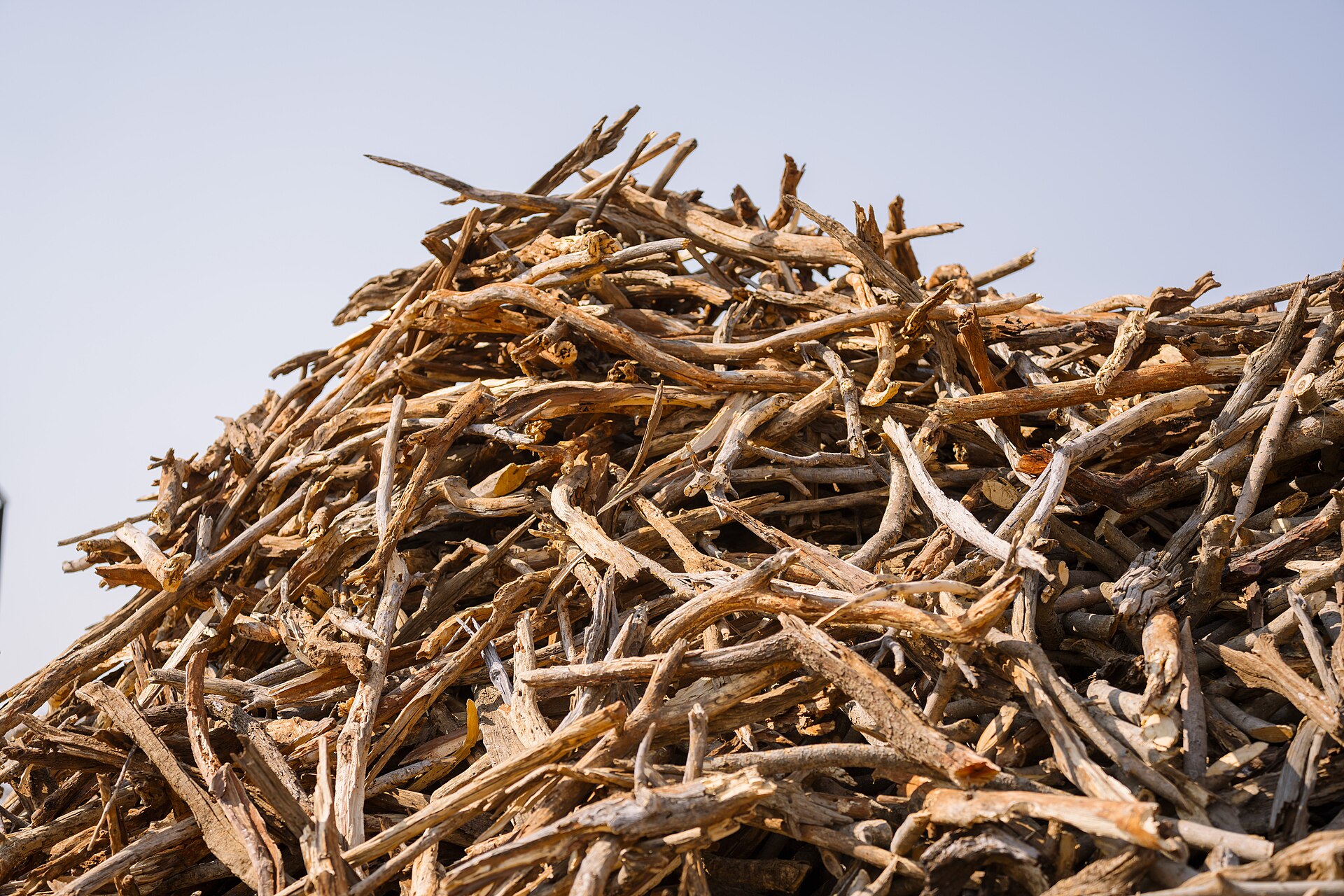
While HEFA fuels meet these technical specifications once blended, the supply chain for waste lipids cannot expand indefinitely. Procuring used cooking oil involves international aggregate supply chains that are vulnerable to resource competition and fraudulent blending. In contrast, forestry residues, agricultural field wastes, and municipal food scraps exist in vast tonnages. The challenge is structural: unlike tallow or yellow grease, these solid waste streams do not contain readily extractable triglycerides. They consist of complex carbohydrates, lignin, moisture, and inorganic ash, requiring biological deconstruction before any fuel precursor can be recovered.
Separate biology from finished fuel
An algorithm can optimize a metabolic pathway in silico, but it cannot alter the fundamental thermodynamics of biomass deconstruction or the stoichiometric hydrogen demand of catalytic hydrotreating.
Microbial conversion can produce useful chemical intermediates. Those intermediates are not automatically drop-in jet fuel. Separation, purification and further upgrading must deliver a fuel with the required composition and performance.
Microbial conversion of waste streams delivers an immediate substitute for fossil jet fuel.
Microbes generate unrefined biochemical intermediates such as fatty acids, which still require intensive chemical deoxygenation, hydroprocessing, isomerization, and formal ASTM qualification before entering an aircraft fuel tank.
In biological systems, engineered or selected microorganisms typically digest depolymerized waste sugars or volatile fatty acids to synthesize cellular lipids or excrete free fatty acids. These biological molecules are oxygenated, long-chain organic compounds. Jet fuel, by contrast, is a precise mix of straight-chain, branched, and cyclic hydrocarbons containing virtually zero oxygen. Converting microbial fatty acids into a certified fuel requires downstream refining units, notably hydrotreatment to strip oxygen atoms as water, decarboxylation to remove carbon dioxide, and selective hydrocracking and isomerization to arrange carbon chains into the boiling-point distribution required for aviation.
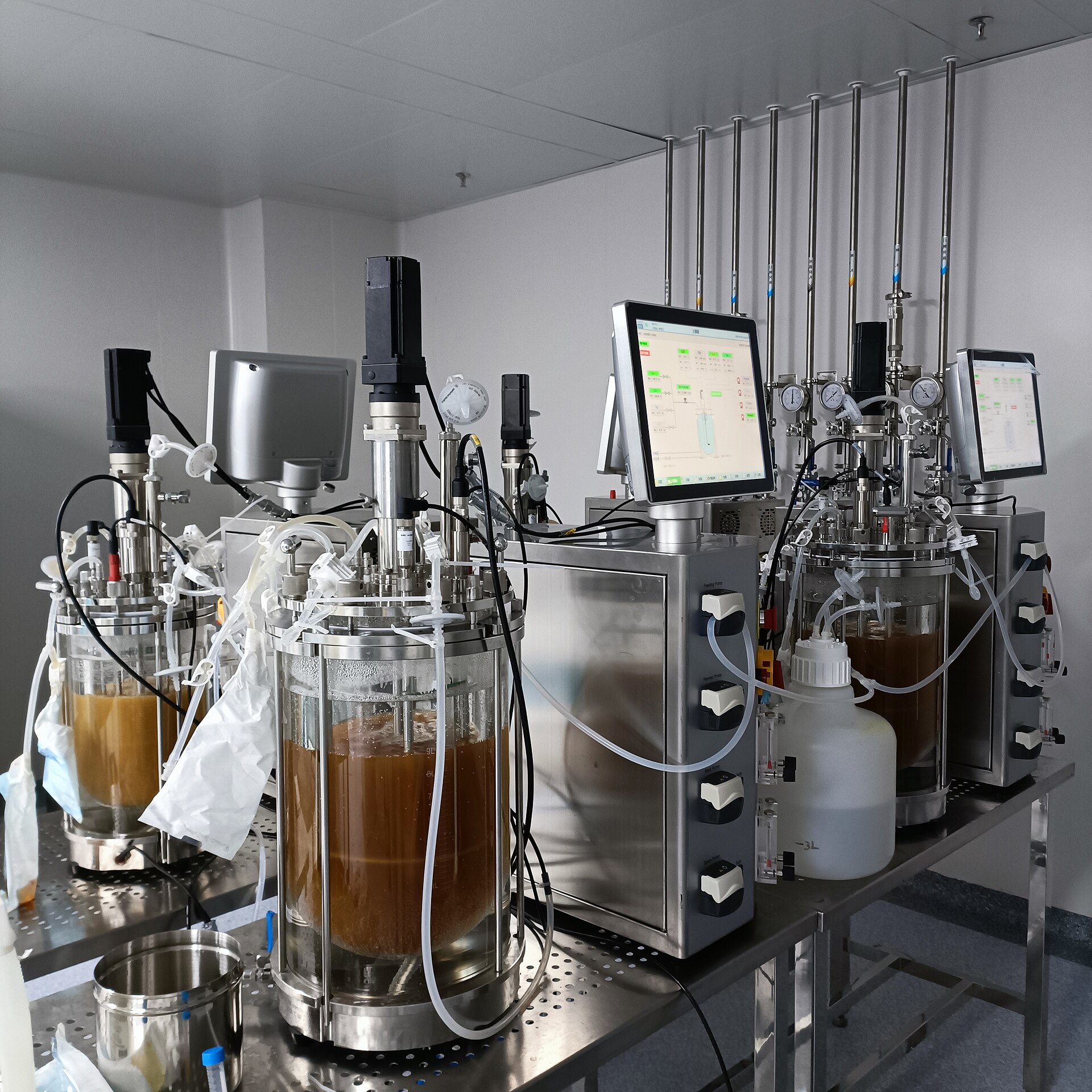
The company describes AI-guided development. An algorithm can help search for productive organisms or conditions, but it does not itself demonstrate yield, contamination tolerance or a qualified fuel product. Computational screening can accelerate the mapping of metabolic pathways or predict how gene expressions alter nutrient uptake. Yet biological models frequently diverge from the physical realities of large-scale fermentation, where shear stress, mass transfer limits, and metabolic byproducts dictate actual production rates.
Upstream complexity: Pretreatment and metabolic yield
Different waste inputs present different challenges. Food residues, crop material and woody biomass vary in moisture, composition and accessibility to biological conversion. Collection and pretreatment can dominate costs even when the waste itself is inexpensive.
Forestry residues, such as forest slash and thinnings, possess a recalcitrant matrix of cellulose and hemicellulose encased in lignin. Liberating fermentable sugars from this structure demands aggressive thermal, mechanical, or chemical pretreatment, which often generates toxic inhibitors like furfurals and phenolics that suppress microbial activity. Food waste presents the opposite engineering problem: it degrades rapidly, exhibits wild day-to-day fluctuations in composition, and carries high concentrations of water, salts, and abrasive particulate matter.
In pure laboratory environments, synthetic growth media and sterilized feedstocks shelter microbes from external competition. In industrial waste environments, maintaining monocultures without prohibitive sterilization energy is notoriously difficult. If the biological agent is unshielded, wild bacterial strains rapidly consume accessible carbon to produce methane or carbon dioxide rather than the desired fatty-acid intermediates. Overcoming these realities requires empirical validation across thousands of operational hours on unrefined waste streams.
What the funding pays for
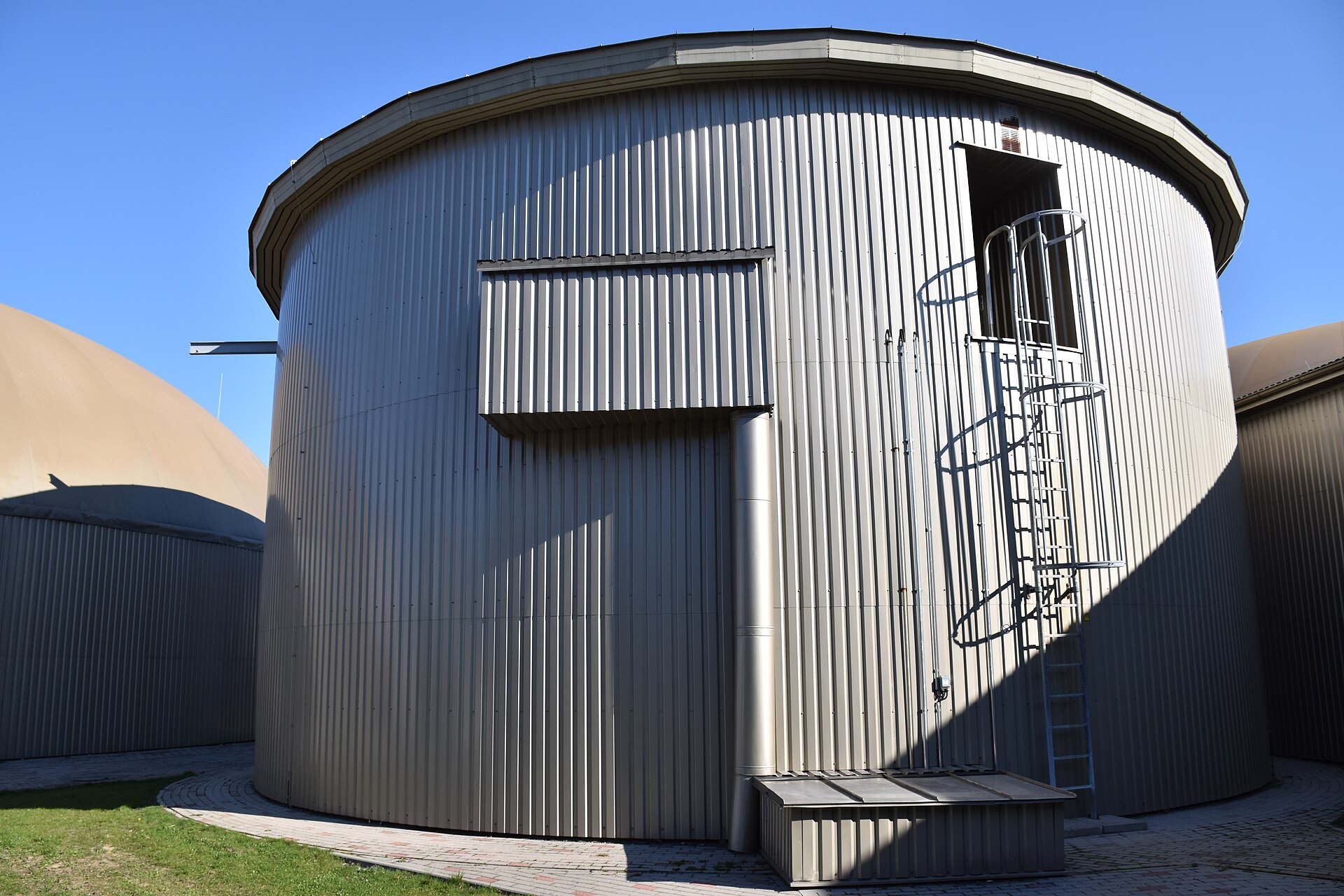
The reported £2.1 million pre-seed round supports movement from laboratory work toward a pilot trial at a biogas plant over roughly two years. That is a development plan, not existing pilot output or a commercial production commitment.
Integrating pilot testing into an operating biogas plant offers pragmatic benefits. Anaerobic digestion facilities already manage feedstocks, digestate handling, environmental permitting, and auxiliary utilities such as process heat and raw power. They can supply volatile fatty acid streams or raw wet wastes directly to secondary fermentation skids.
However, co-locating at an anaerobic digestion facility does not solve the petrochemical refining challenge. An agricultural biogas plant operates at low pressures and ambient-to-moderate biological temperatures. Converting biological intermediates into aviation kerosene requires high-pressure, hydrogen-intensive chemical reactors that are standard in petroleum refineries but completely absent from rural biogas installations. The £2.1 million budget covers early-stage engineering, reactor construction, and baseline validation; it does not finance the capital-intensive catalytic infrastructure needed to produce finished fuel.
The climate label needs a lifecycle case
A waste-based feedstock does not guarantee low emissions. Process energy, transport, upgrading and the alternative use of the waste determine the net result. Fuel qualification and certification are separate from the biological demonstration.
Under regulatory standards such as the EU's ReFuelEU Aviation initiative or the international CORSIA framework, emissions calculations must account for the full lifecycle boundary. This includes the fossil footprint of collecting distributed waste, the parasitic steam and electricity consumed in pretreatment, and the carbon intensity of the external hydrogen used to deoxygenate the microbial lipids. Furthermore, diversion of waste from existing low-carbon end uses, such as composting or direct anaerobic digestion, carries displacement emissions that count against the fuel's carbon score.
Finally, technical qualification under ASTM D7566—the gatekeeper specification for synthetic kerosene blending—is a rigorous, multi-tiered process. Establishing a novel pathway through ASTM typically requires producing tens of thousands of liters of fuel for rigorous physical testing, material compatibility checks, and engine combustor rig evaluations. The next useful evidence is sustained pilot productivity, material and energy balances, and a defined fuel pathway. Funding validates investor interest; it does not yet validate an industrial jet-fuel supply chain.
References and image credits›
Photo: GIZ, CC BY-SA 4.0 · Diagram: The Waste Stack · Photo: Habin Zhang, Wikimedia Commons, CC BY-SA 4.0 · Photo: Vasyatka1, CC BY-SA 4.0