
Can wastewater be a mine? The coagulant loop, explained
A UK startup just raised £700,000 to pull aluminium and iron treatment chemicals back out of water-plant sludge. It is a good excuse to explain a circular loop most people never see: the chemicals that clean water can themselves be recovered.
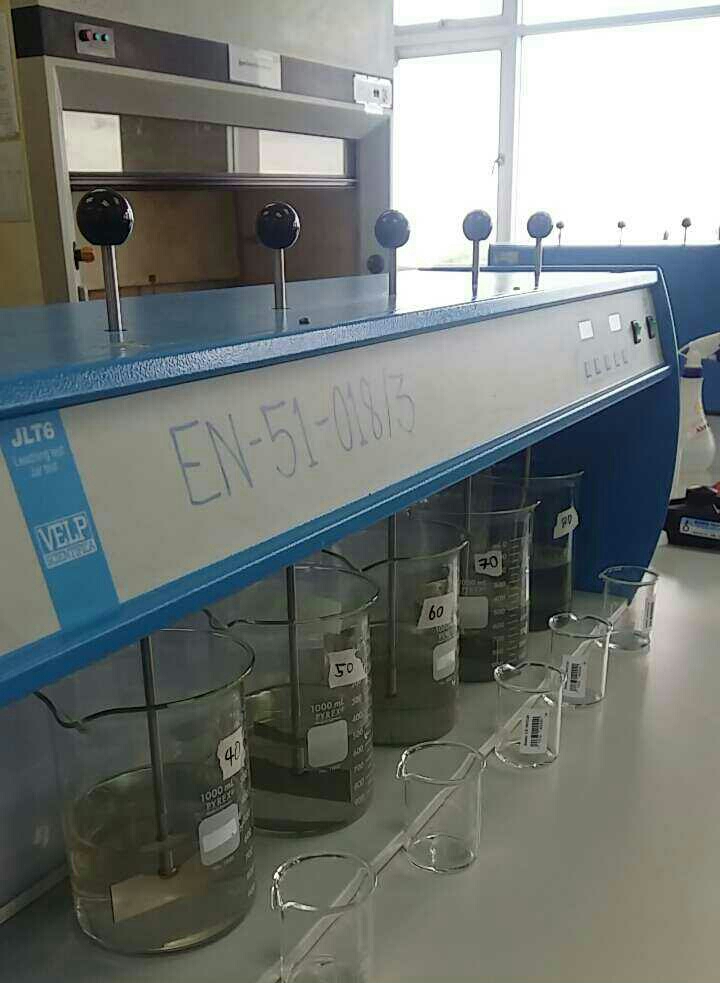
Most circular-economy stories are about the material you can hold — a bottle, a battery, a bale. The one worth explaining today is about a chemical you never see, dosed in grams per cubic metre, that ends up buried in sludge and paid for twice.
On 13 August, UK startup Metal Morph announced a £700,000 pre-seed round to recover aluminium- and iron-based treatment chemicals from water and wastewater processes. Before judging the claims, it helps to know exactly where those chemicals go.
Step one: why coagulants exist at all
Raw water carries very fine suspended particles — clay, organics, colloids. They stay suspended because they carry like electrical charges and repel one another. Left alone, they will not settle in any useful timeframe.
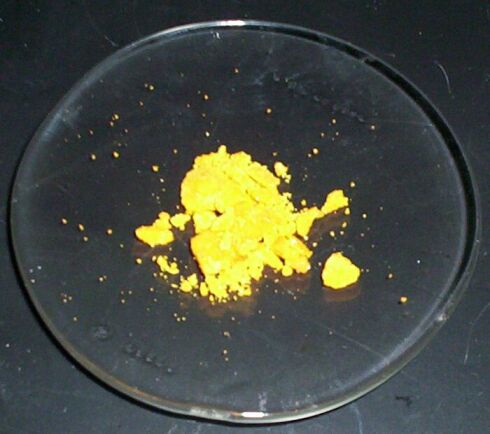
Plants dose a metal salt: aluminium sulfate (alum) or ferric chloride. The positively charged metal ions neutralise that surface charge, so particles can approach each other instead of bouncing apart.
Step two: floc, and where the metal ends up
The same metal ions also hydrolyse into gelatinous hydroxides — aluminium hydroxide or iron hydroxide. Gentle mixing lets those hydroxides sweep through the water and trap particles into visible clumps: flocs.
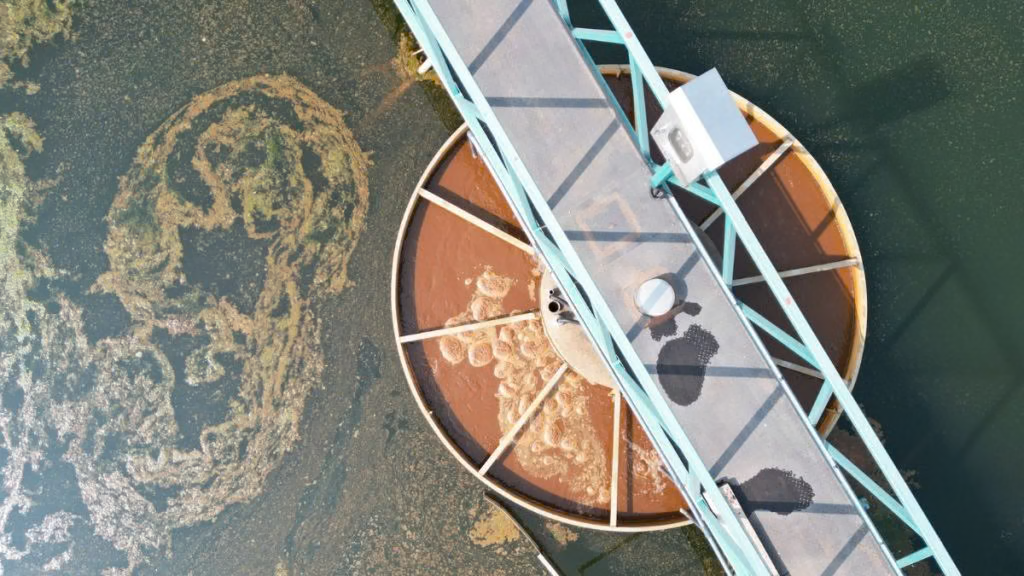
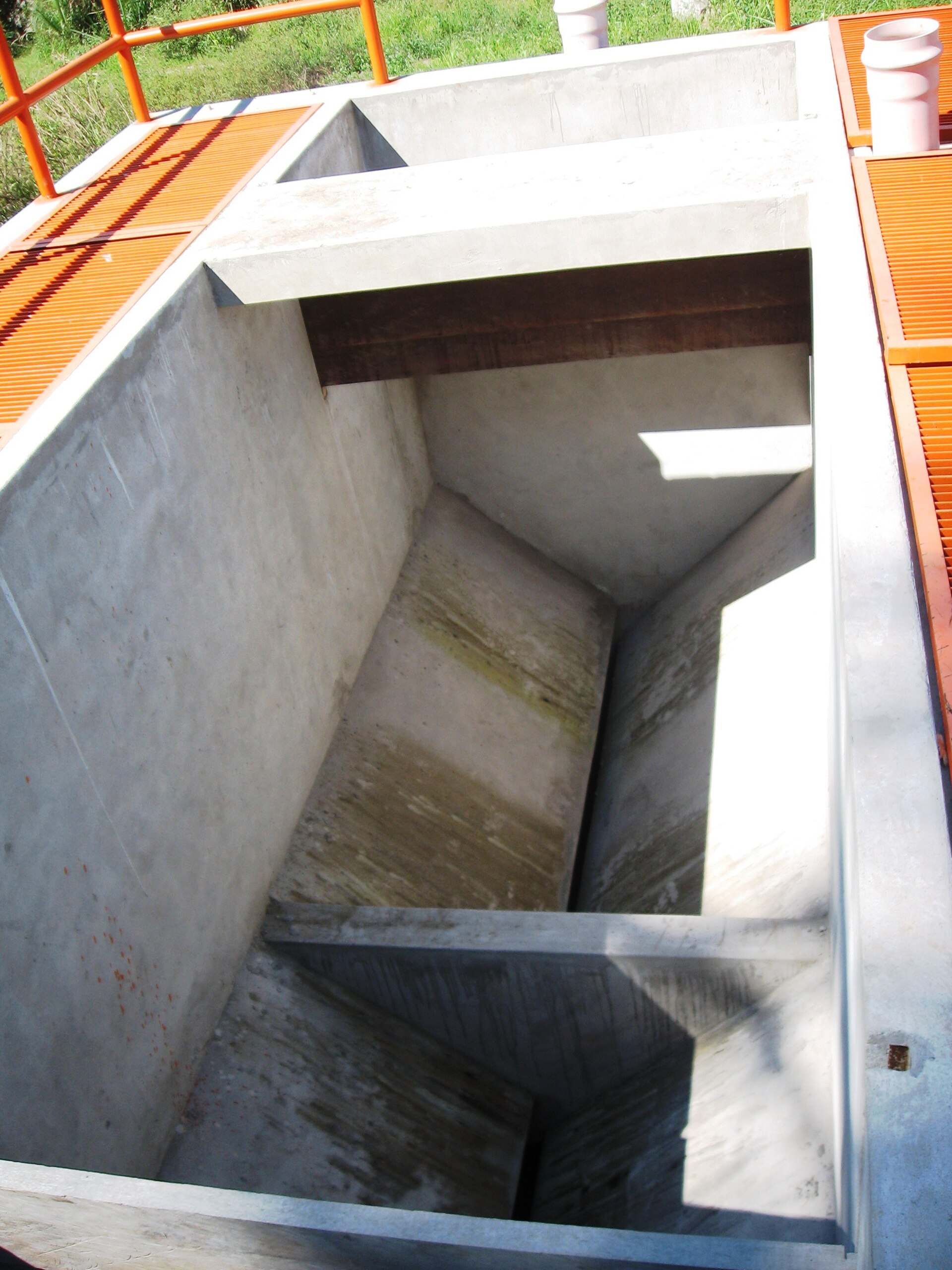
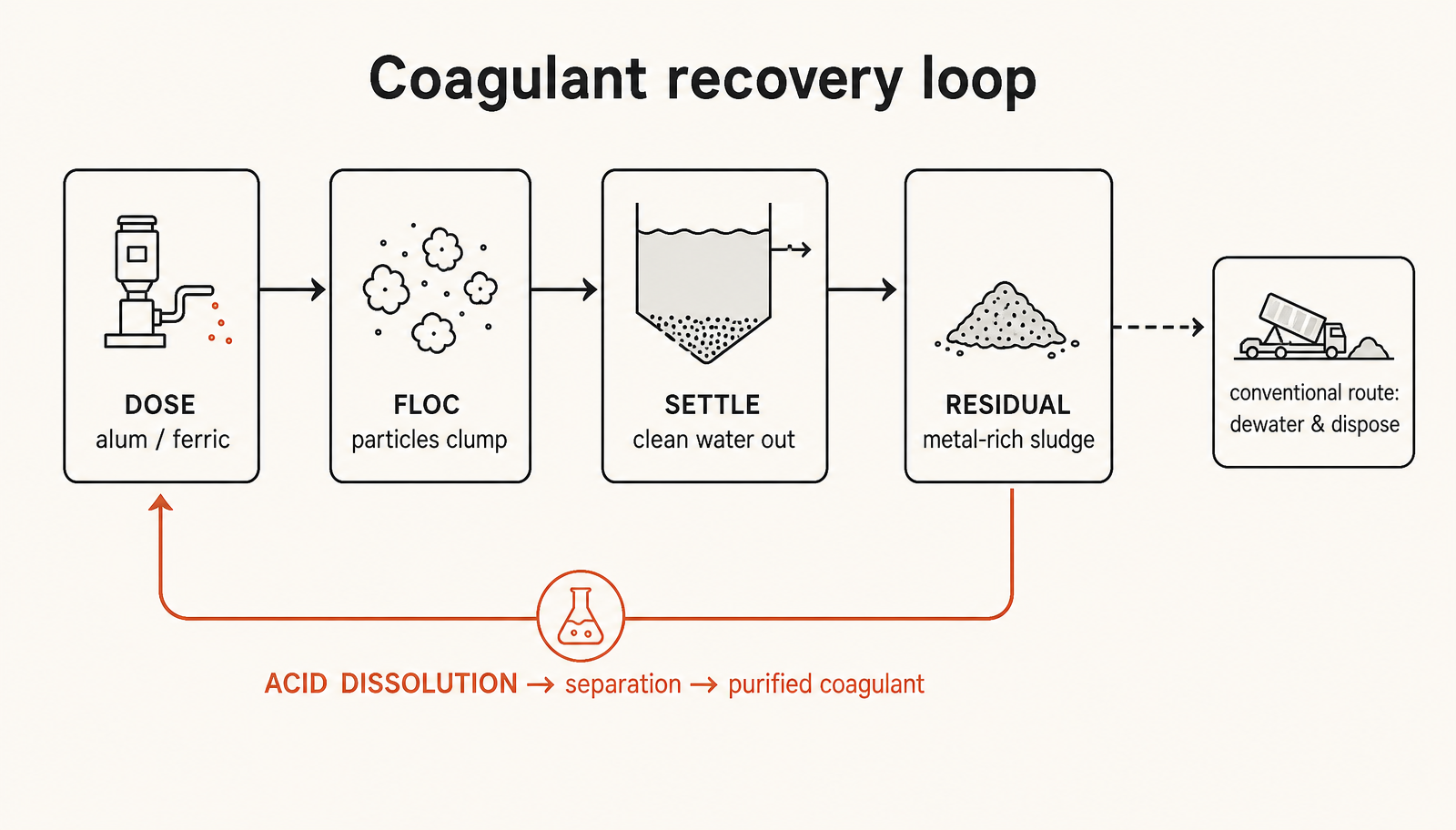
Flocs settle in a clarifier. Clean water goes forward. What stays behind is a metal-rich residual sludge — and in ordinary practice that residual is dewatered and disposed of.
Step three: the recovery loop
To reuse a coagulant you first have to get the metal back into solution. The established engineering literature describes acid dissolution as one route — acid redissolves the spent metal hydroxides, followed by separation and purification steps to produce a usable coagulant again.
Metal Morph does not publicly disclose its exact chemistry, so treat acid dissolution as the general engineering route rather than a description of the company's specific design.
What is claimed
Metal Morph reports more than 50 live tests across three drinking-water plants.
Those numbers describe a concrete loop rather than a vague "waste becomes value" slogan, which is already unusual at pre-seed.
What the numbers do not say
"Up to 90%" is a ceiling, not an average across feedstocks. Raw water quality varies by site and season, and so does what comes back out of the sludge. None of the reported results were independently verified in the public announcement, and the expansion toward standalone metal recovery from industrial wastewater and mining tailings is a plan, not a deployment.
The wider literature adds a specific technical caution: acid dissolution is not selective. The same acid that redissolves aluminium hydroxide can mobilise natural organic matter and heavy metals held in the same sludge. Reaching a purity acceptable for drinking-water dosing can therefore require several additional separation steps — each adding cost, energy, monitoring burden and regulatory exposure.
What to watch
Independent verification at a full-scale plant, recovery rates reported as distributions rather than ceilings, and a published specification showing recovered coagulant meeting the same purity standard as the virgin product it replaces. If those three arrive, this stops being a startup claim and becomes an operating practice.
References and image credits›
- 01Tech.eu — Metal Morph raises £700K to recover industrial resources from wastewater
- 02Metal Morph — Resource recovery starting with coagulants
- 03US EPA — Water treatment coagulation and flocculation guidance
- 04Keeley, Jarvis & Judd — Coagulant recovery from water treatment residuals
Photo: Jigchen L. Norbu, CC BY-SA 4.0 · Photo: 鹿, CC BY-SA 4.0 · Photo: Walkerma, public domain · Photo: SuSanA Secretariat, CC BY 2.0 · Photo: SuSanA Secretariat, CC BY 2.0