
Paper cannot be recycled forever
Paper is one of recycling's genuine success stories — 68.2% recovery, the largest modelled share of MSW greenhouse-gas reduction. It is also finite at the fibre level. The loop is a cascade, not a circle.
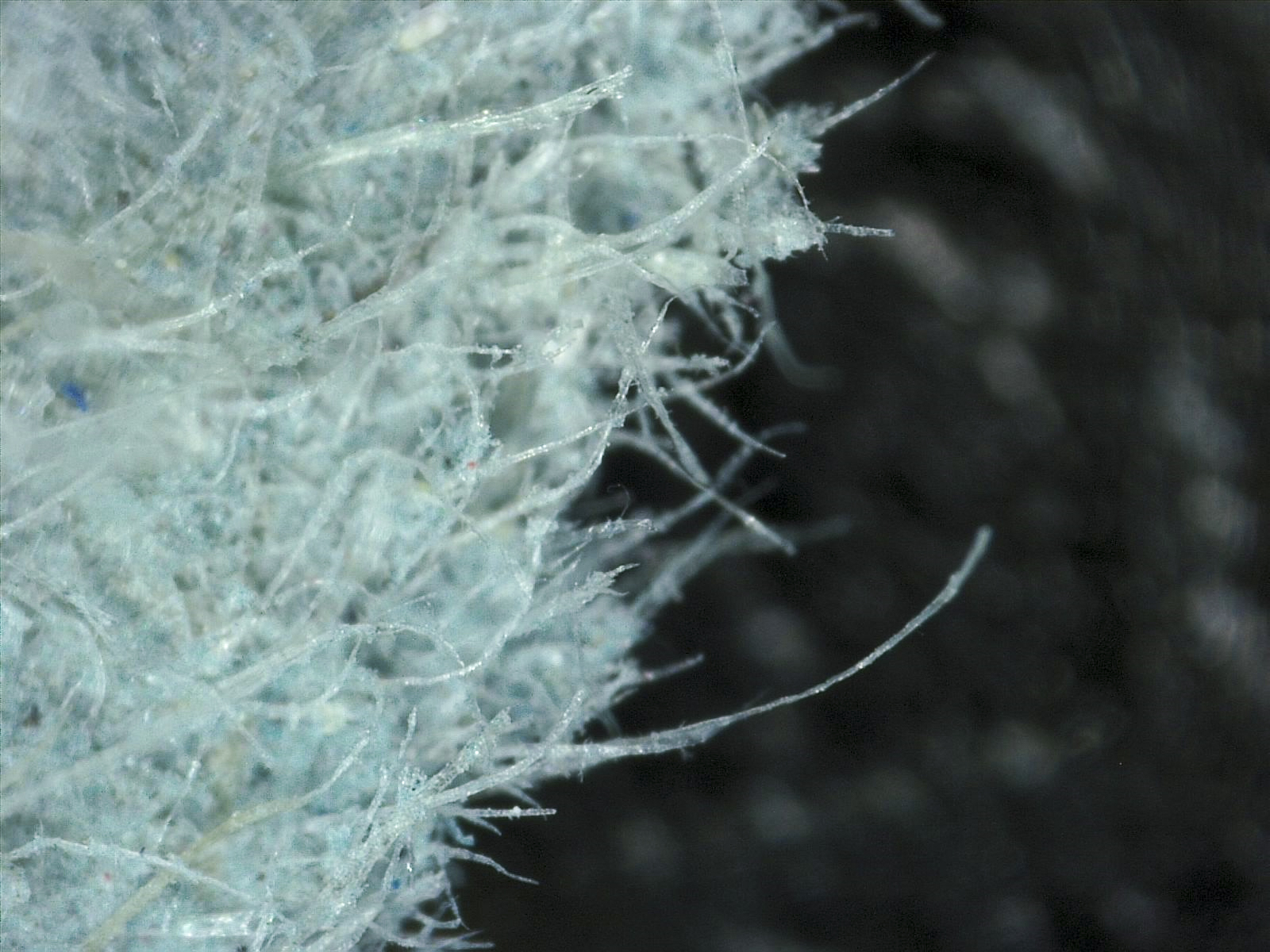
Paper gets held up as proof that recycling works, and mostly it deserves that. Which is exactly why its central physical limit tends to get skipped.
Every sheet of paper can keep circulating forever, with no loss.
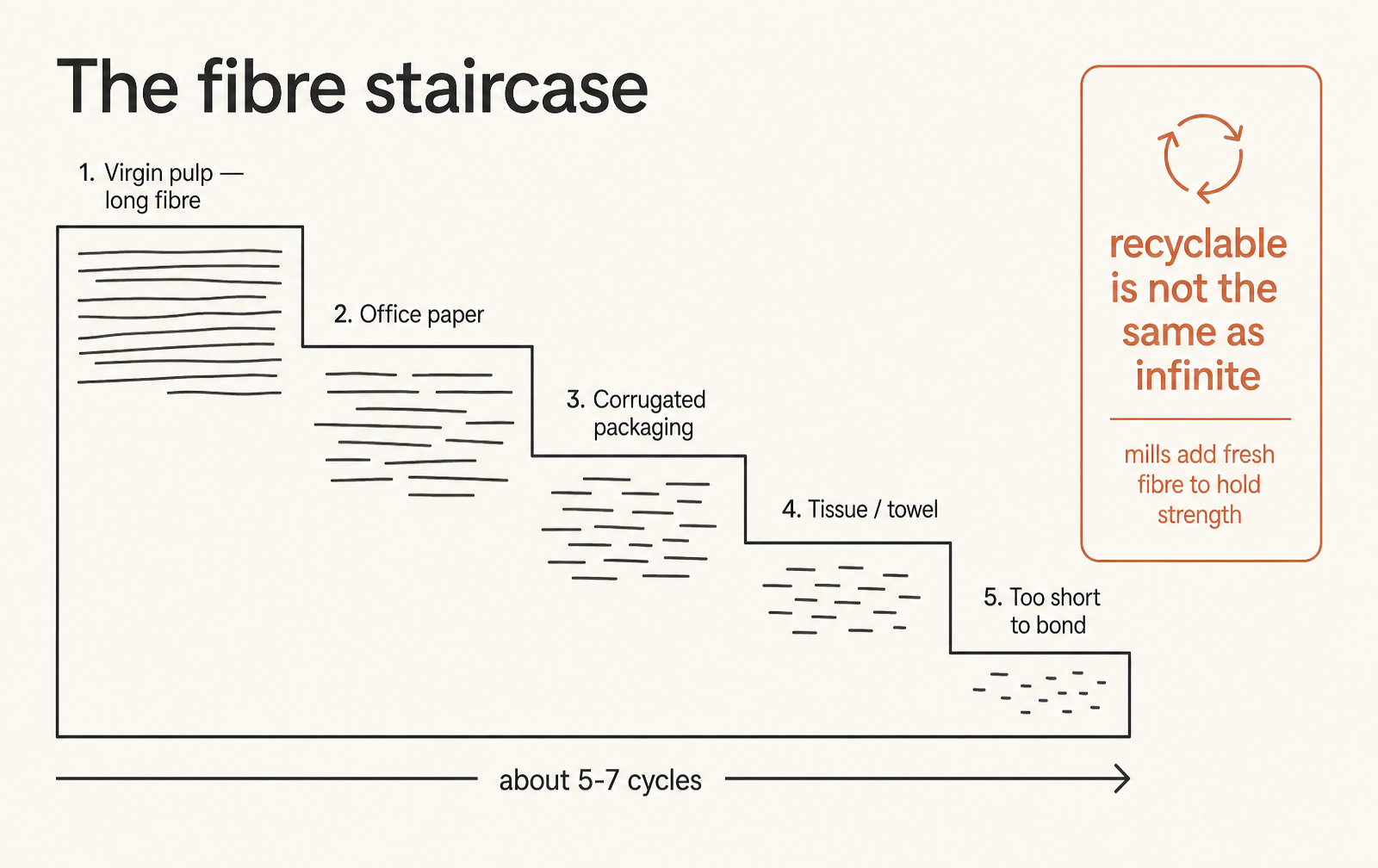
Each pass through a mill shortens and weakens the fibres. EPA's paper-recycling FAQ puts the practical limit at roughly five to seven cycles before fibres are too short to bond into new paper — which is why mills keep adding fresh fibre to hold strength.
What repulping actually does
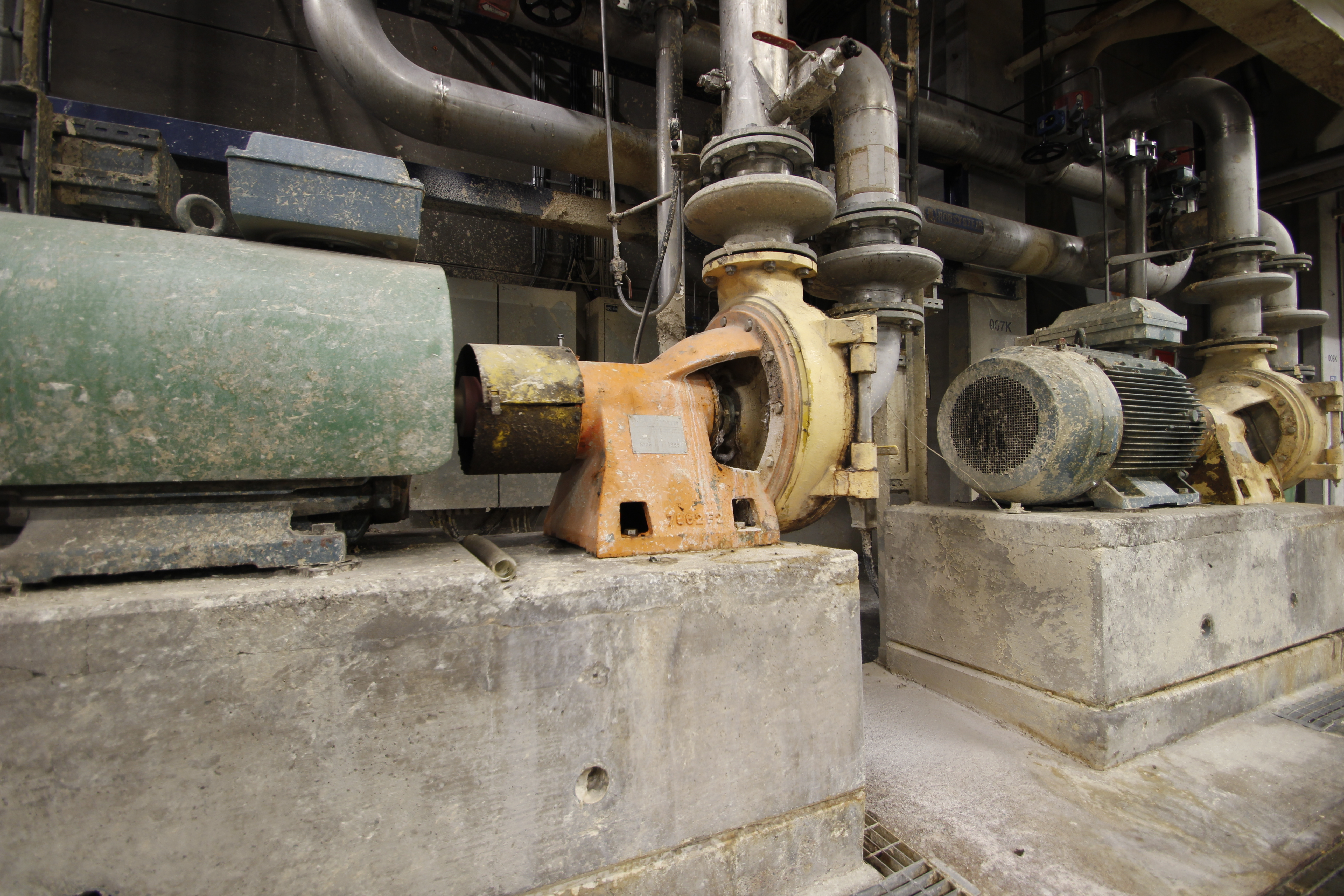
Recycling paper means slurrying it in water, screening out contaminants, sometimes de-inking, then re-forming a sheet. Mechanical agitation and the repeated wet-dry cycle cut and stiffen the fibres a little more each time. Shorter, less flexible fibres bond less well, so the sheet gets weaker.
The cascade, not the circle
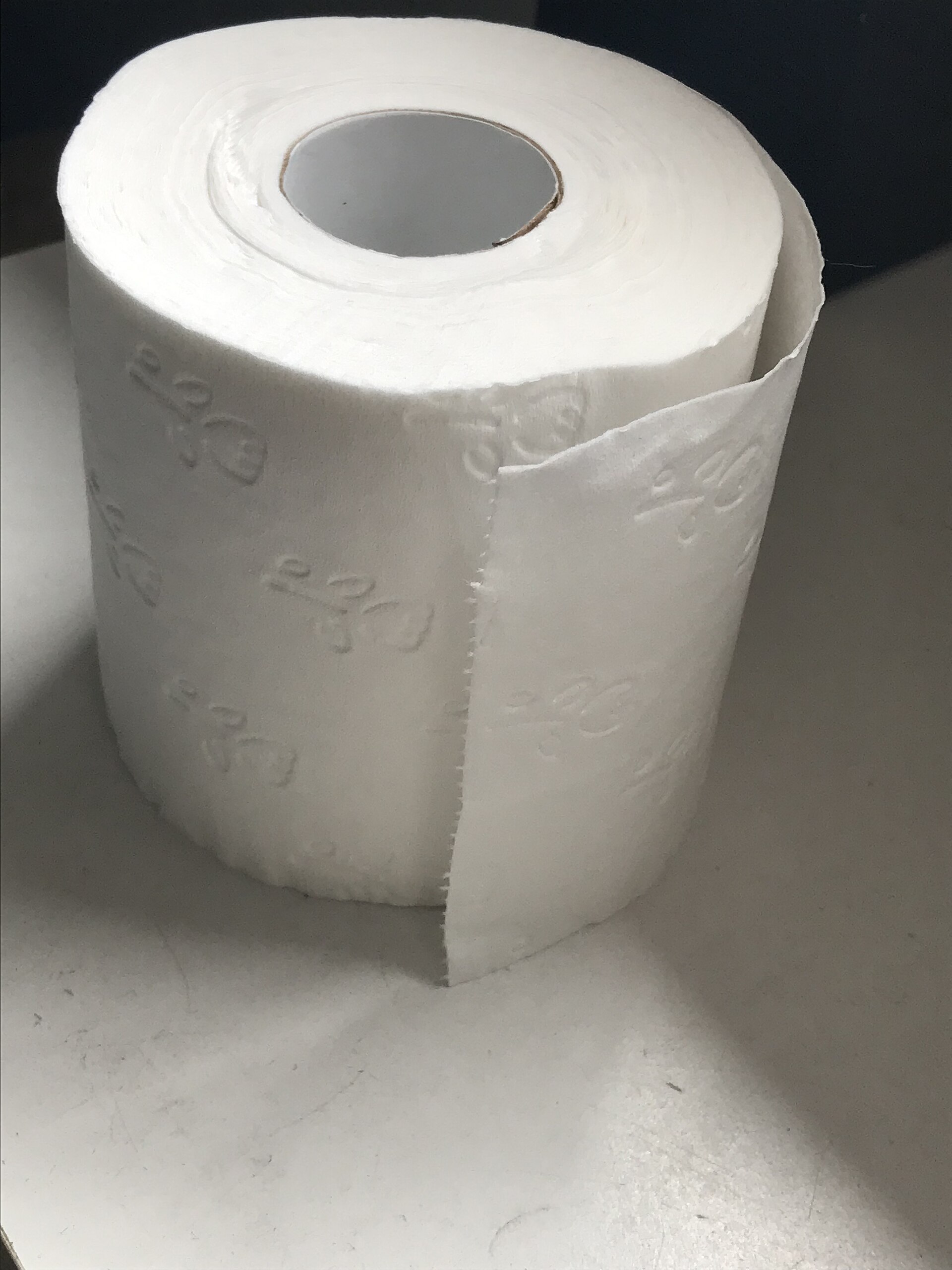
Fibre does not vanish at cycle six. It moves down-grade — office paper into packaging, packaging into tissue or other lower-grade products — until it is no longer usable as paper fibre at all.
None of this makes paper recycling weak
EPA also reports that paper and paperboard delivered the largest share of the modelled greenhouse-gas reduction across municipal solid waste. Those headline figures are for 2018 — the agency's latest cited national dataset, not a live 2026 rate.
Five to seven cycles of displaced virgin fibre is a large win. It is just a bounded one.
What to do with this
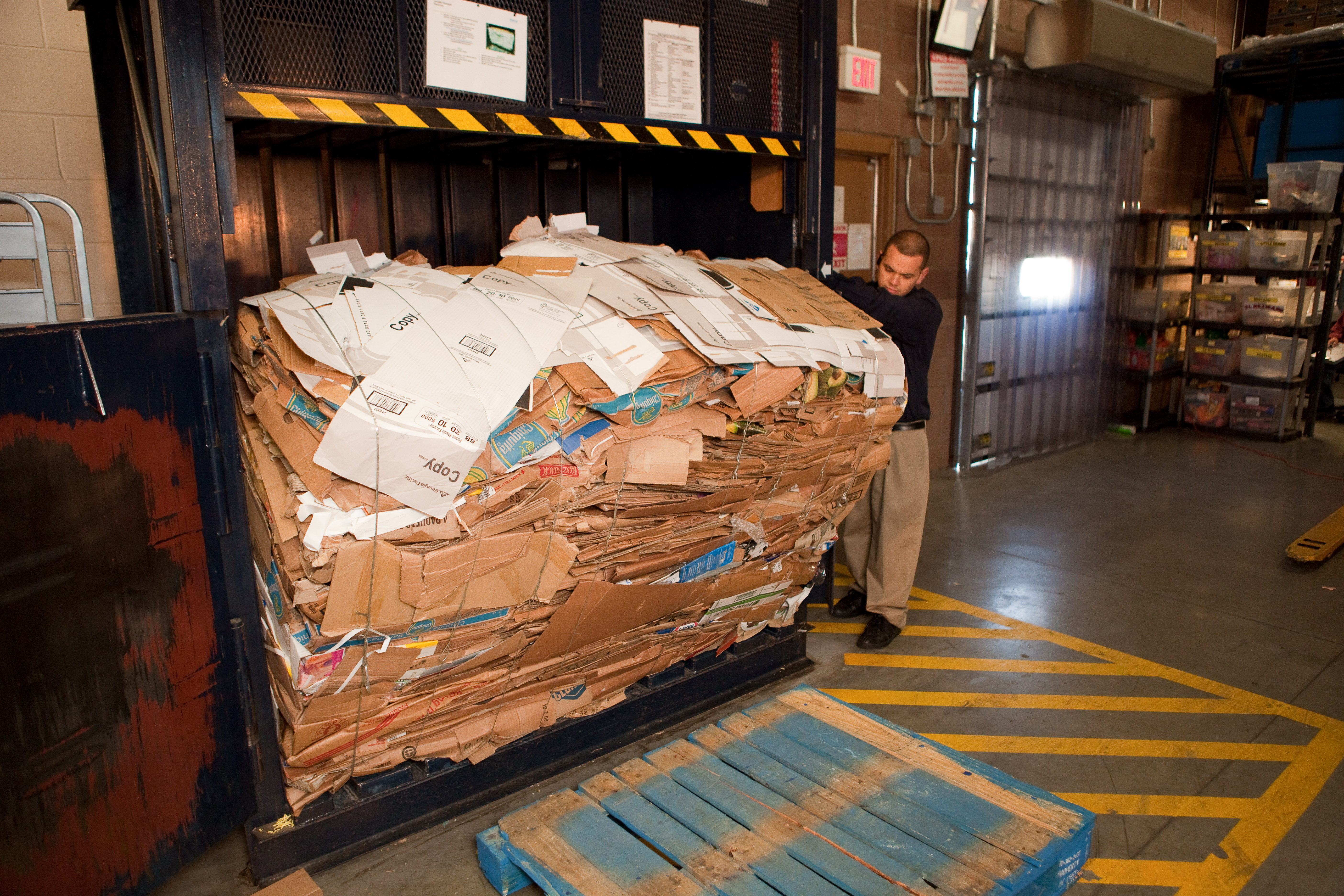
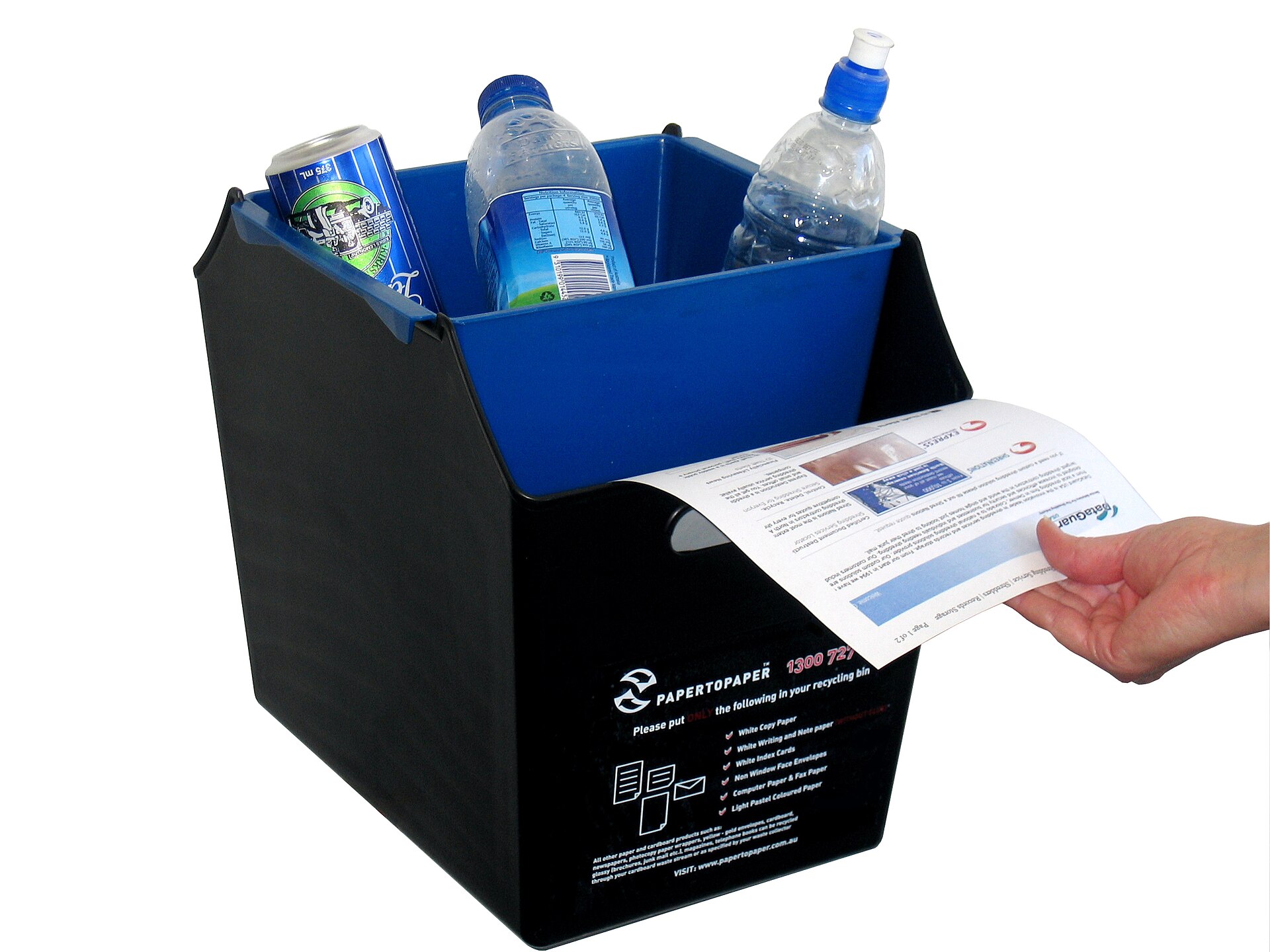
Keep paper clean, dry and within what your local programme accepts — contamination knocks fibre out of the stream long before fibre length does. Treat tissue and towel as a separate case; there is no meaningful recycling route for them, though some systems accept them for composting.
And when a brand says its packaging is recyclable, read it as a statement about a route, not about permanence.
References and image credits›
- 01US EPA — Frequent questions: paper recycling
- 02US EPA — National overview: facts and figures on materials, wastes and recycling
- 03US EPA — Nondurable goods: product-specific data
Photo: Giovanna 27, CC BY 4.0 · Photo: Cmann999, CC BY-SA 4.0 · Photo: My Alchemist, CC BY-SA 3.0