
Can aircraft waste become an aerogel?
Carbon-fibre epoxy composites are among the hardest materials to recycle, because the resin will not melt back. A team at NUS skips fibre recovery entirely and turns the whole waste stream — fibre and epoxy together — into a freeze-dried porous block.
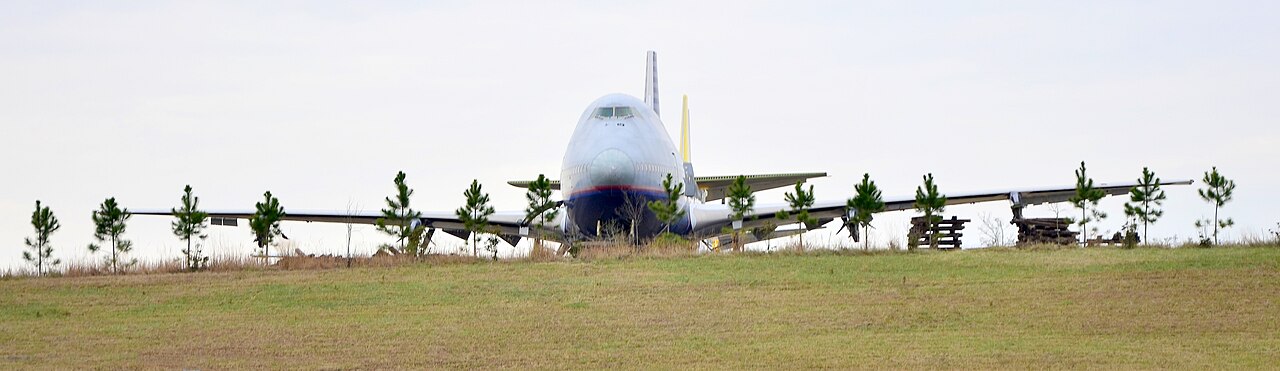
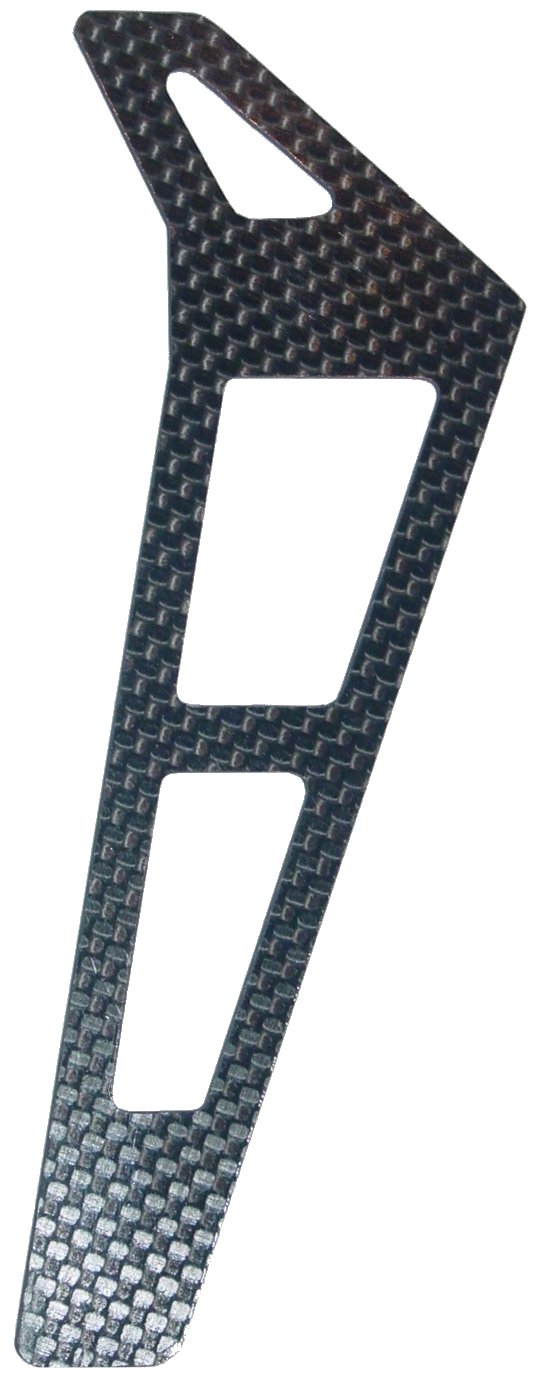
Thermoset composites are the awkward end of the aerospace materials story. Carbon fibre in an epoxy matrix is light, stiff and durable, which is exactly the problem at end of life: the epoxy is cross-linked, so it cannot be melted and reformed the way a thermoplastic can. Most retired composite ends up landfilled, ground down as low-value filler, or burned.
Nearly every serious recycling route for this material asks the same question — how do we get the carbon fibre back out? A group at the National University of Singapore asked a different one: what if we keep everything, and change the shape instead?
Why the epoxy is the hard part
In a fibre-reinforced composite, the fibre carries load and the resin holds the fibres in position and transfers stress between them. Cross-linking is what makes the resin good at that job — and what makes it permanent.
The consequence for recyclers is that recovering fibre means destroying resin: pyrolysis burns it off, solvolysis dissolves it. Both routes treat roughly half the mass as something to be got rid of, and both tend to leave fibre that is shorter and weaker than virgin material.
Step one: mill the waste, do not separate it
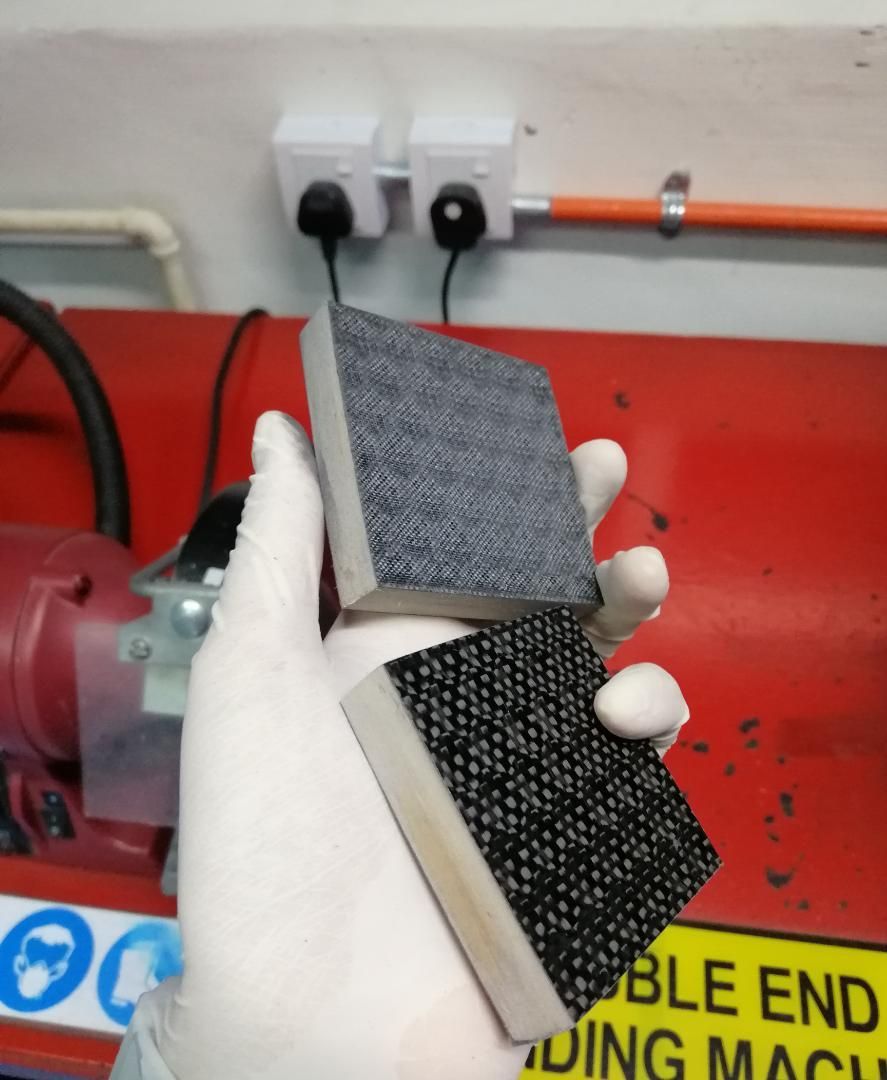
The composite is mechanically broken down into fine powder and short fibre fragments. Nothing is chemically stripped out at this stage; the epoxy stays where it is, coating and surrounding the fibre pieces.
This is the pivot point of the whole approach. If your product needs pristine fibre, contamination by resin is a defect. If your product is a porous solid, the resin is simply part of the filler.
Step two: add a binder and freeze it
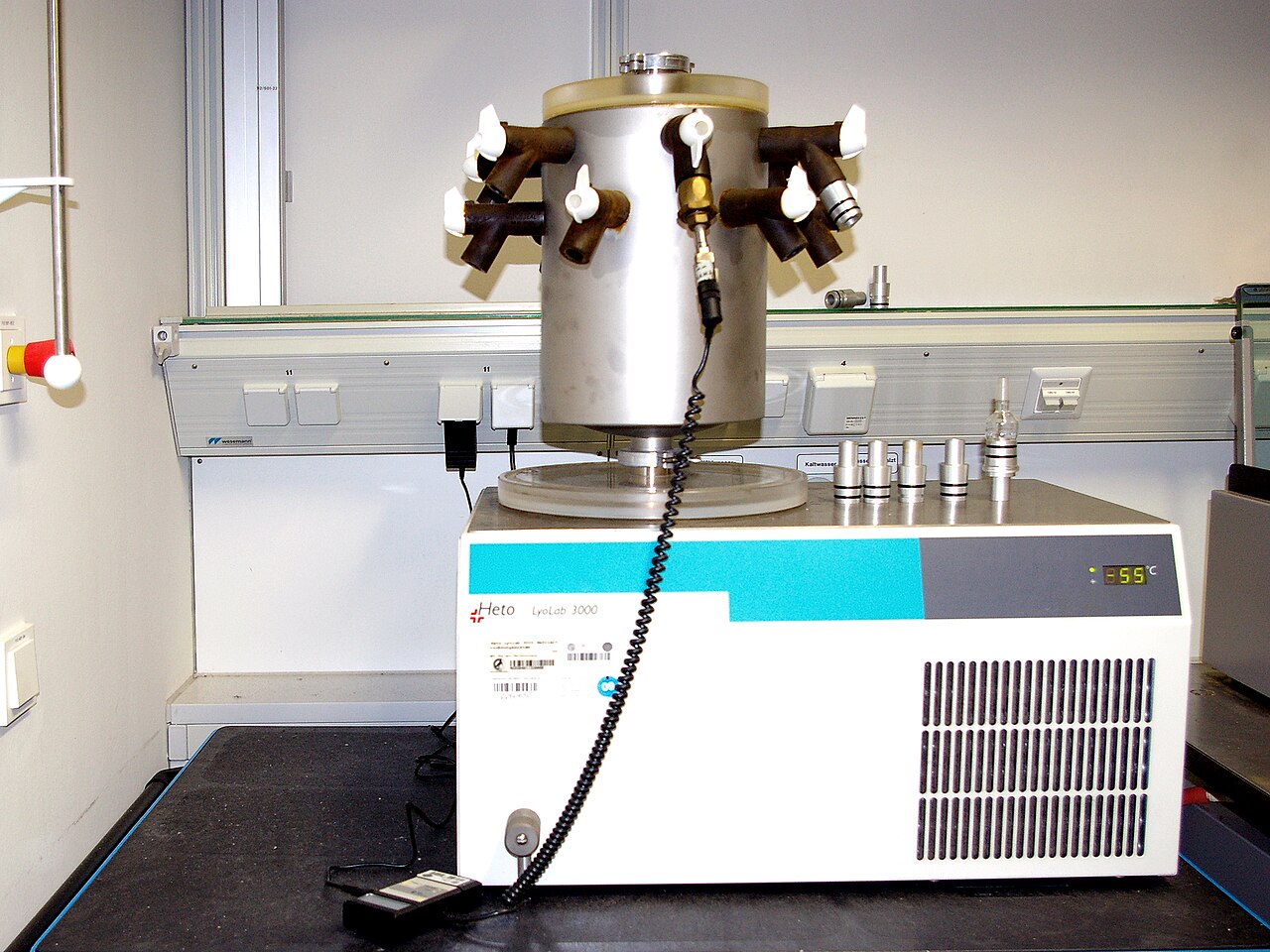
The milled fragments are mixed with carboxymethyl cellulose, a cellulose-derived binder, into a suspension. That suspension is frozen, then freeze-dried.
Freeze-drying is doing structural work here, not just removal of water. As the suspension freezes, ice crystals grow and push the solid particles into the spaces between them. Sublimating that ice away under vacuum leaves the particles where the ice put them — a low-density network of solid walls around interconnected pores. Because the water leaves as vapour rather than as a retreating liquid front, surface tension never gets the chance to collapse the structure.
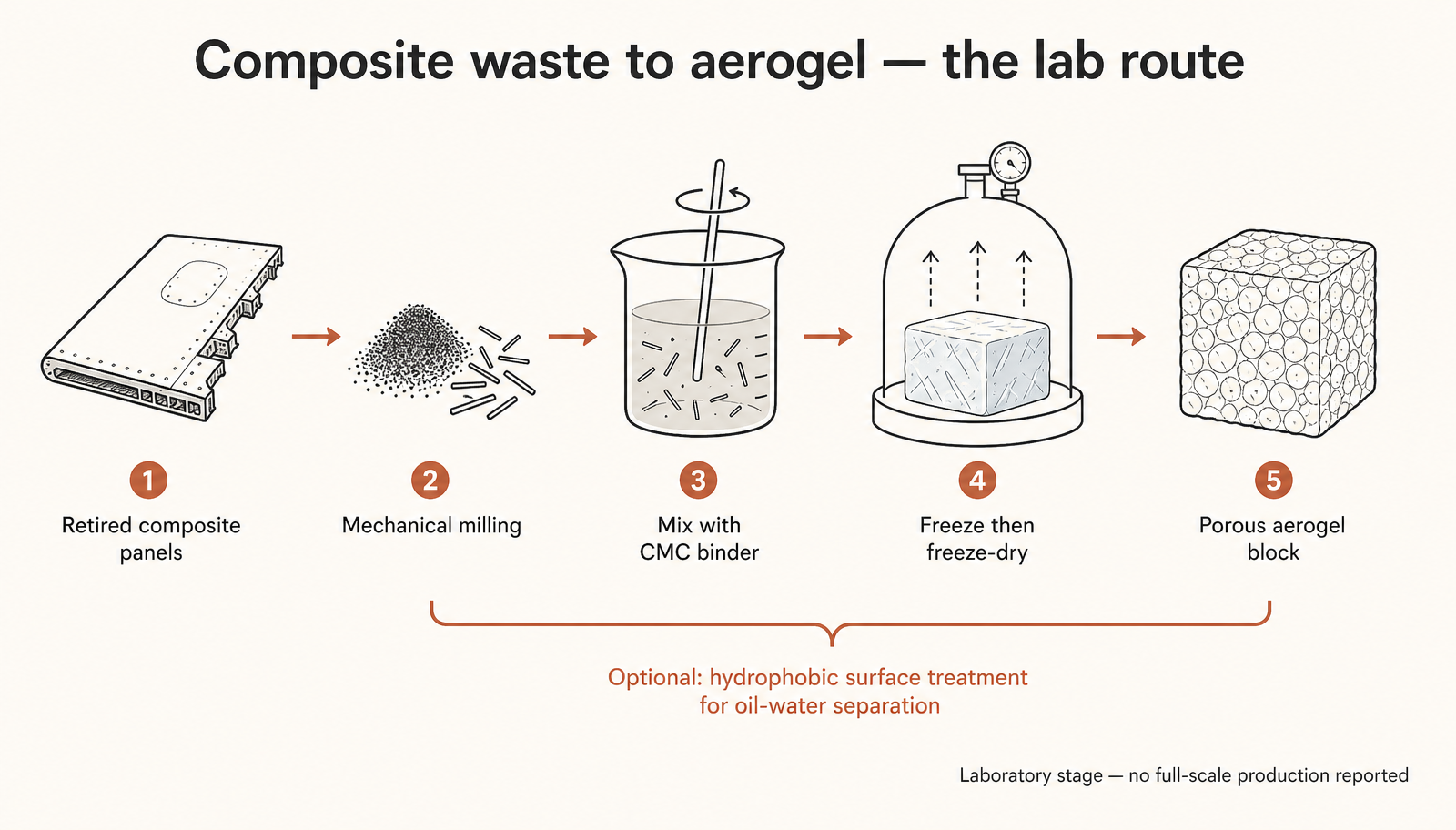
What comes out
A lightweight, highly porous block. Aerogels of this general family are mostly empty space, and that geometry is what gives them their useful properties: air trapped in small pores conducts heat poorly, and a tortuous open-pore network dissipates sound.
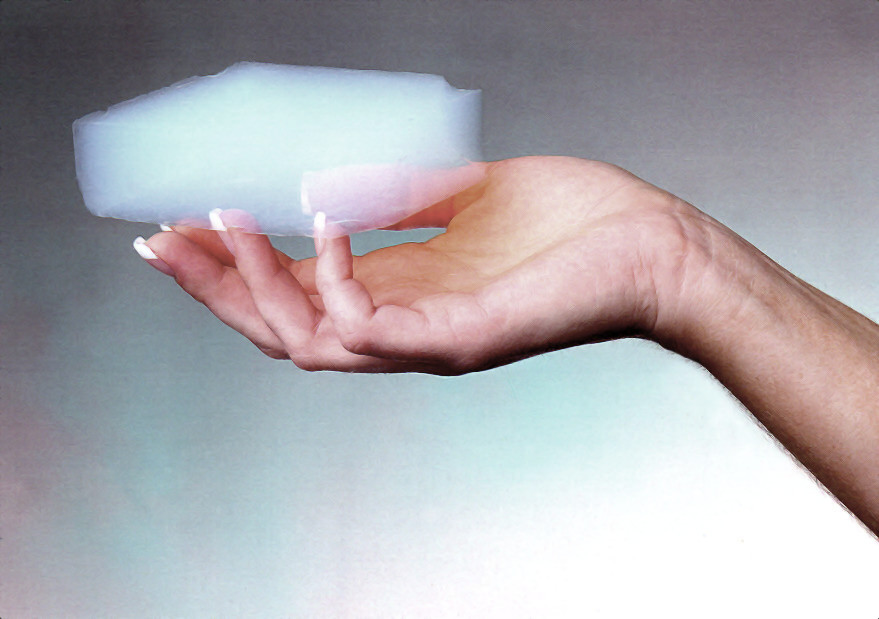
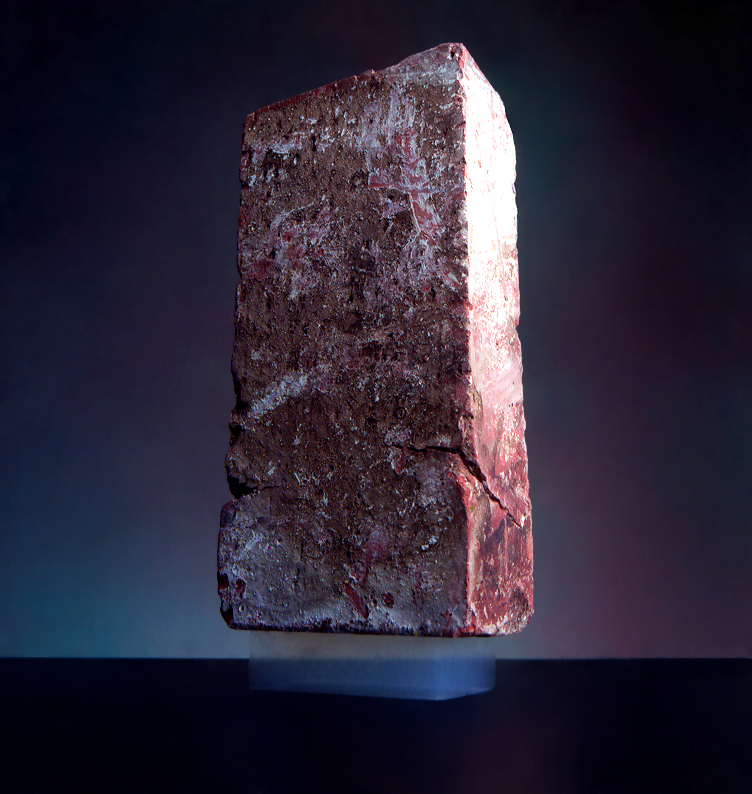
NUS reports low thermal conductivity, effective sound absorption, substantial oil absorption, and non-toxic results in fibroblast-cell testing under the study conditions.
Step three, optional: make it hate water
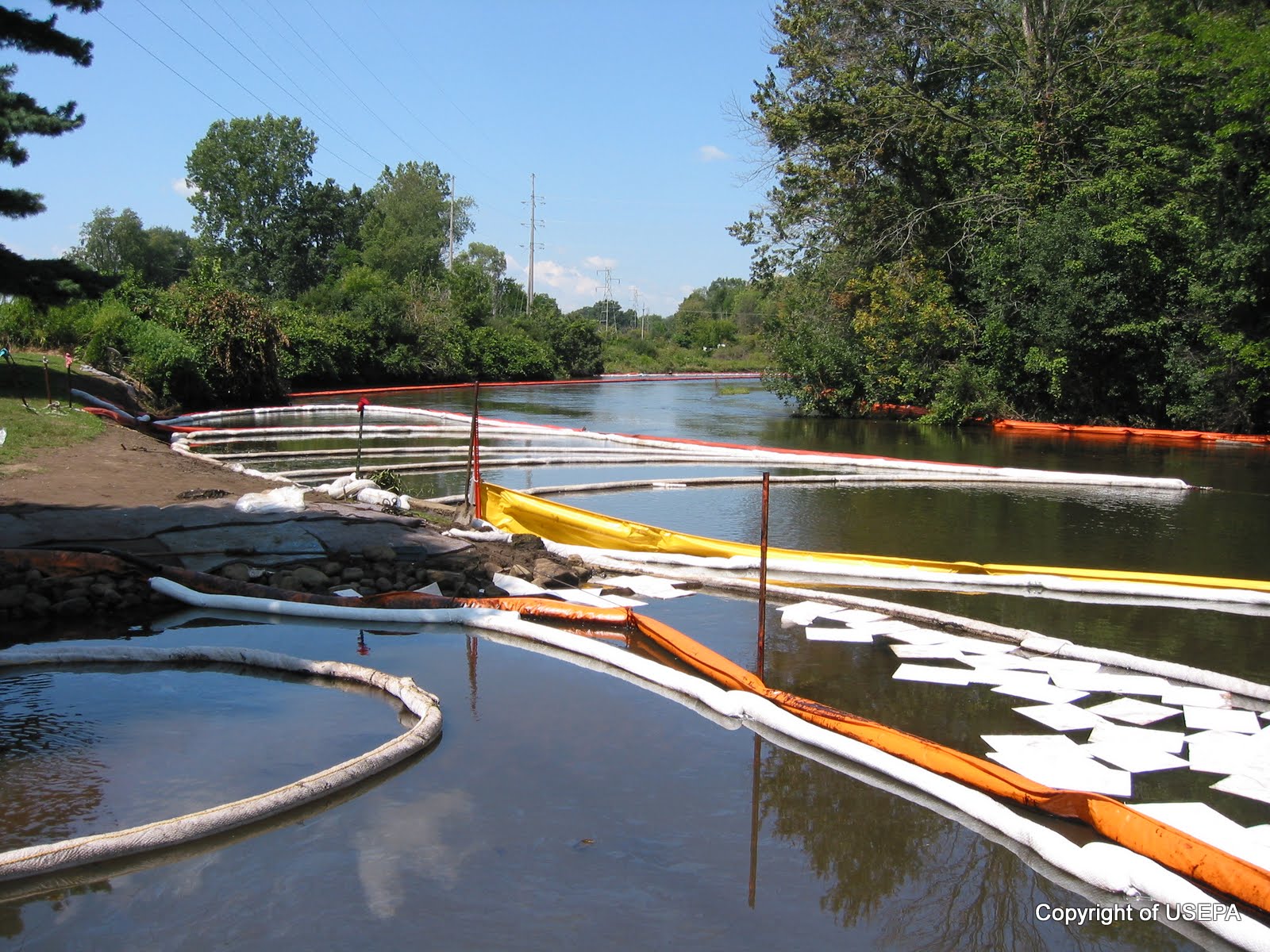
For oil-spill work the surface is treated so that it repels water while still taking up oil. A porous solid with an oil-preferring surface will draw hydrocarbons into its pores by capillary action and leave water outside — which is the basis for both absorbent media and oil-water separation.
What the sources do not say
This is laboratory-stage work. The NUS and Phys.org write-ups do not report full-scale production, quantified cost per kilogram, life-cycle impacts, mechanical durability in service, field performance on an actual spill, or head-to-head comparison against the commercial insulation and absorbent materials this would need to displace.
Three questions decide whether the route travels:
- Feedstock reality. Retired airframes are mixed assemblies — different resins, cores, adhesives, paint, metal fasteners. Milling is indifferent to that; product consistency may not be.
- Energy balance. Freezing and vacuum sublimation are not cheap. A higher-value product has to earn back the processing energy that simpler fibre recovery does not spend.
- Durability. Thermal and acoustic products live in walls for decades. Absorbents get saturated once. Those are very different qualification burdens.
The question worth arguing about
Would a higher-value upcycled product justify the additional processing energy, compared with simply recovering the carbon fibre and accepting a lower-value output? The honest answer depends on numbers that have not been published yet.
References and image credits›
- 01NUS — Giving aircraft waste a second life
- 02Phys.org — Scientists give aircraft composites a second life
Photo: Magnolia677, CC BY 4.0 · Photo: Larsen25, CC BY-SA 3.0 · Photo: Nur Ainin Faissal, CC0 · Photo: Matylda Sęk, CC BY-SA 3.0 · Photo: NASA/JPL-Caltech, public domain · Photo: NASA/JPL-Caltech, public domain · Photo: US EPA, public domain