
EPS transport packaging leaves the “problematic” list — but is it circular?
On 19 August the U.S. Plastics Pact removed expanded-polystyrene transport packaging from its Problematic and Unnecessary Materials list, citing a recycling rate above 30%. That is a real result on a narrow slice of foam — and it is not permission to put your foam cup in the recycling bin.
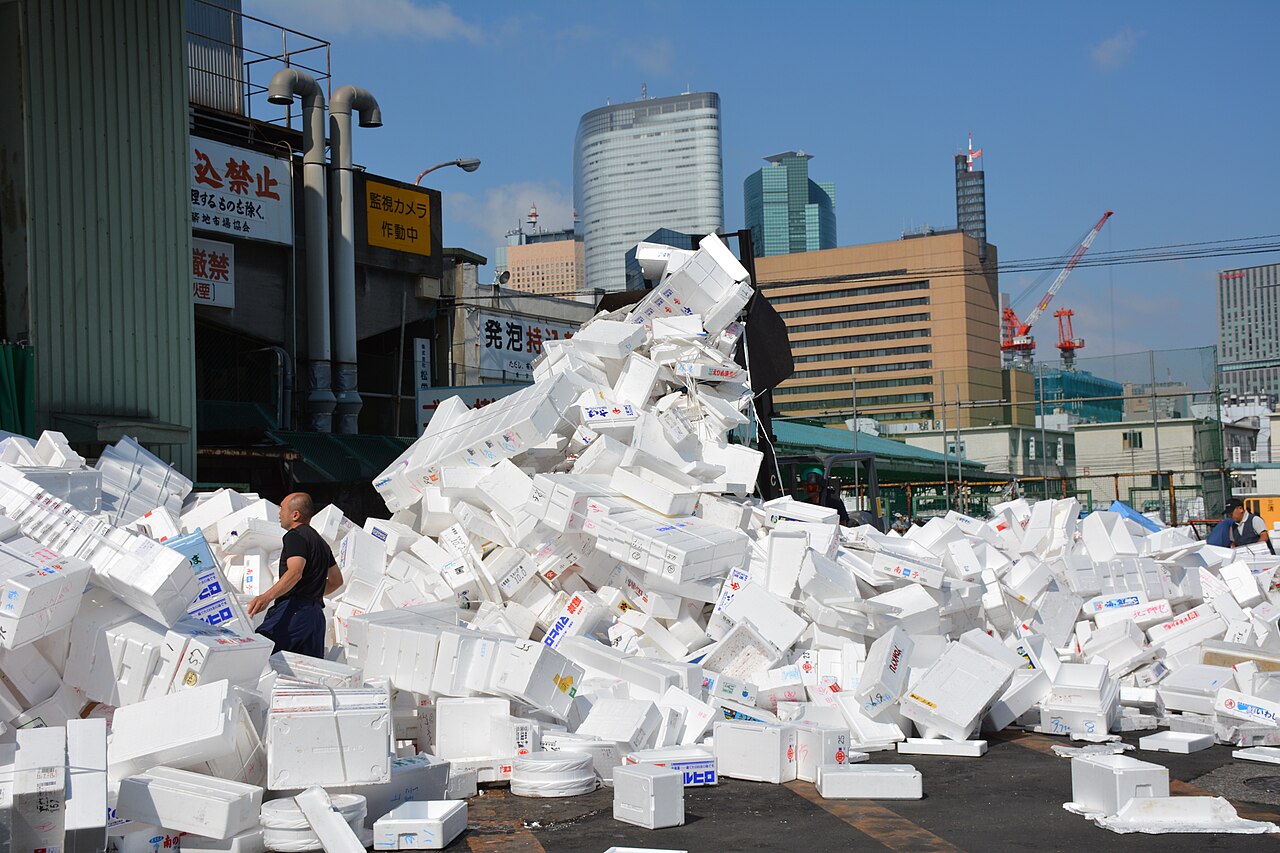
A voluntary industry list changed on 19 August 2026. The U.S. Plastics Pact removed expanded-polystyrene transport packaging from its Problematic and Unnecessary Materials list, on the grounds that the material now meets Criterion One: a recycling rate of roughly 30% or higher.
That is worth taking seriously, and it is worth reading precisely. Four different statements are being conflated in the coverage, and only one of them changed.
What actually changed
A voluntary list is a signal to brand owners and packaging designers. It is not an instruction to households, and it does not bind any hauler or MRF.
The Pact maintains a list of materials it considers problematic or unnecessary. Removal is a judgement about one category against published criteria — not a regulation, not a mandate, and not a change to any municipal collection programme.
Why transport EPS is a different animal
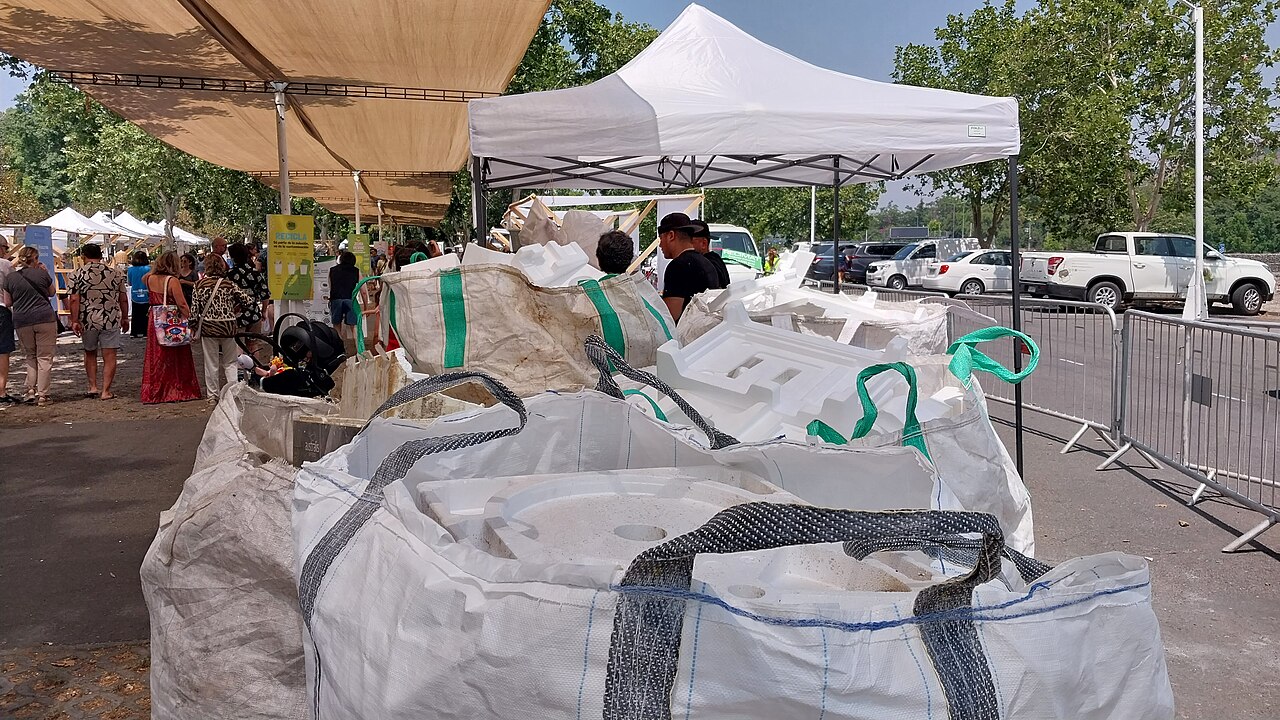
Coverage of the decision cites a Polystyrene Recycling Alliance study reporting a 31% North American recycling rate, more than 700 drop-off and business-to-business recovery locations, and commercial collection routes that carry noticeably less contamination than residential curbside.
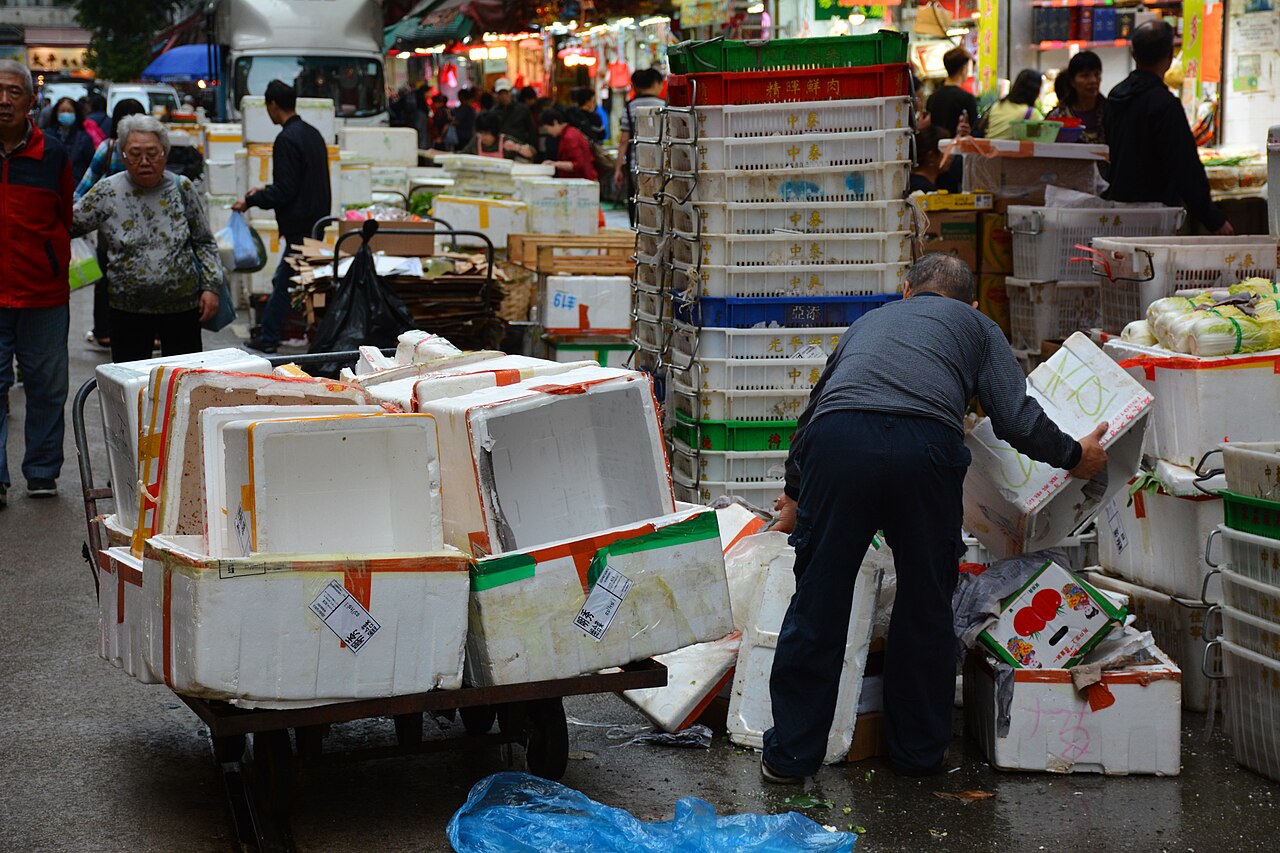
Read that last point carefully, because it is doing most of the work. Transport EPS shows up at a warehouse, a retailer's back dock or an appliance distributor — in quantity, from a known source, uncontaminated by food. Someone owns the loading bay and has a reason to keep the stream clean. That is a materially different logistics problem from foam arriving one contaminated clamshell at a time through a curbside cart.
The transport penalty, and how densification answers it
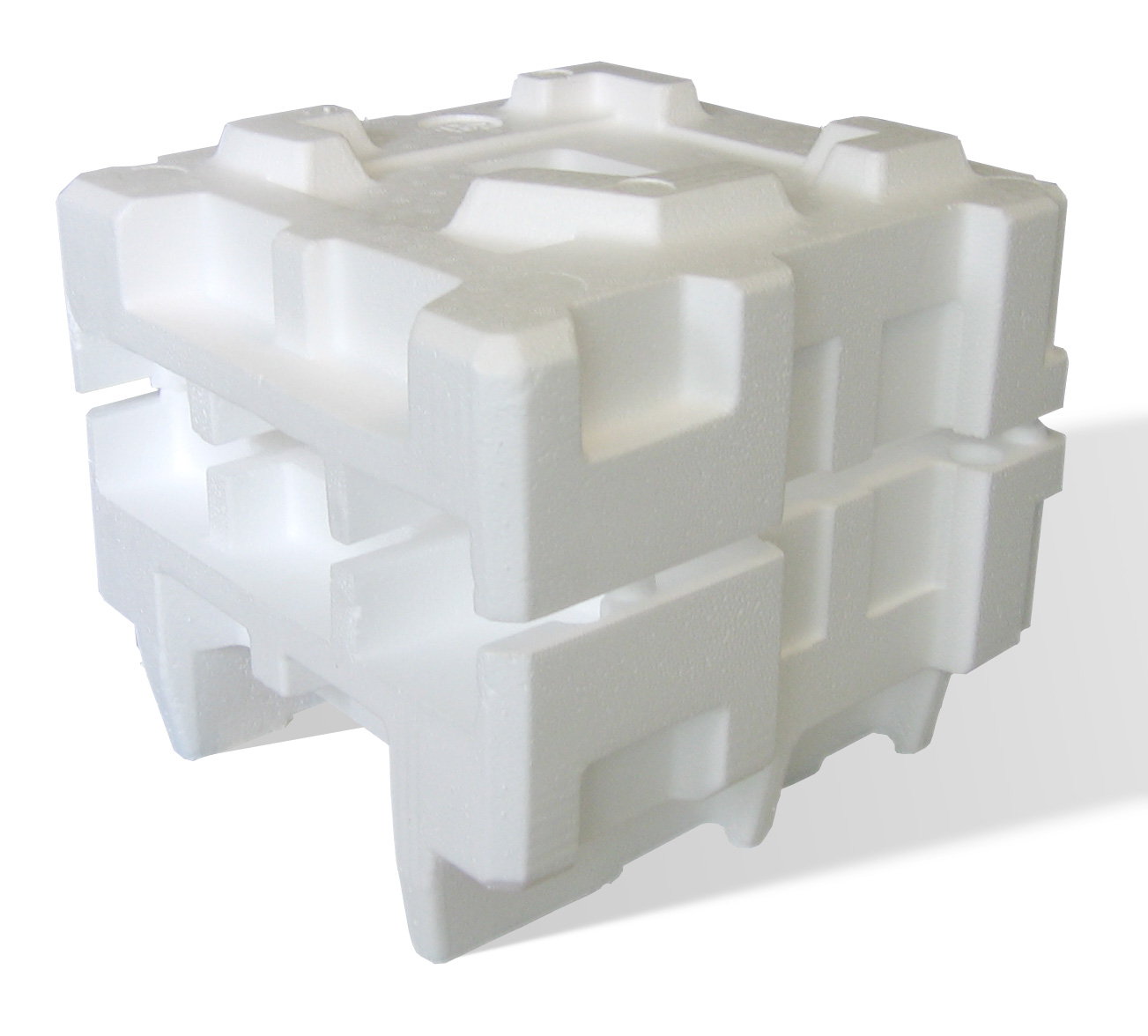
EPS is roughly 95% air. Hauling it uncompacted means paying to move air, and that single fact has killed more foam recycling programmes than any chemistry problem. Densification — thermal or mechanical compaction into blocks or ingots at or near the collection point — collapses the volume before the material moves, and turns an unshippable stream into a saleable commodity that can reach recycled-content end markets.
This is why the drop-off and B2B network matters more than any breakthrough in polystyrene chemistry. The material was always recyclable. What changed is where it is collected and what happens to it before it gets on a truck.
What the decision does not prove
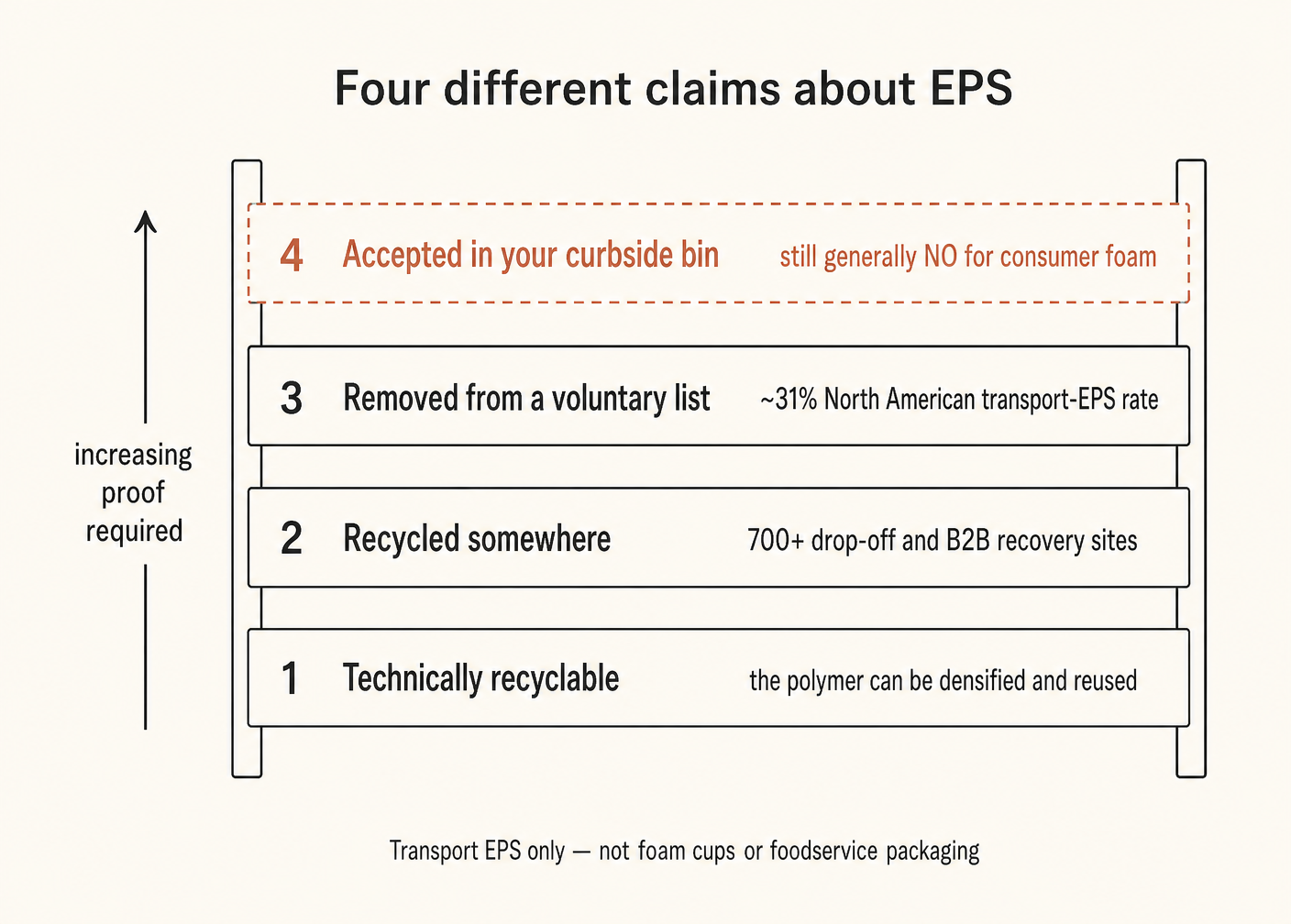
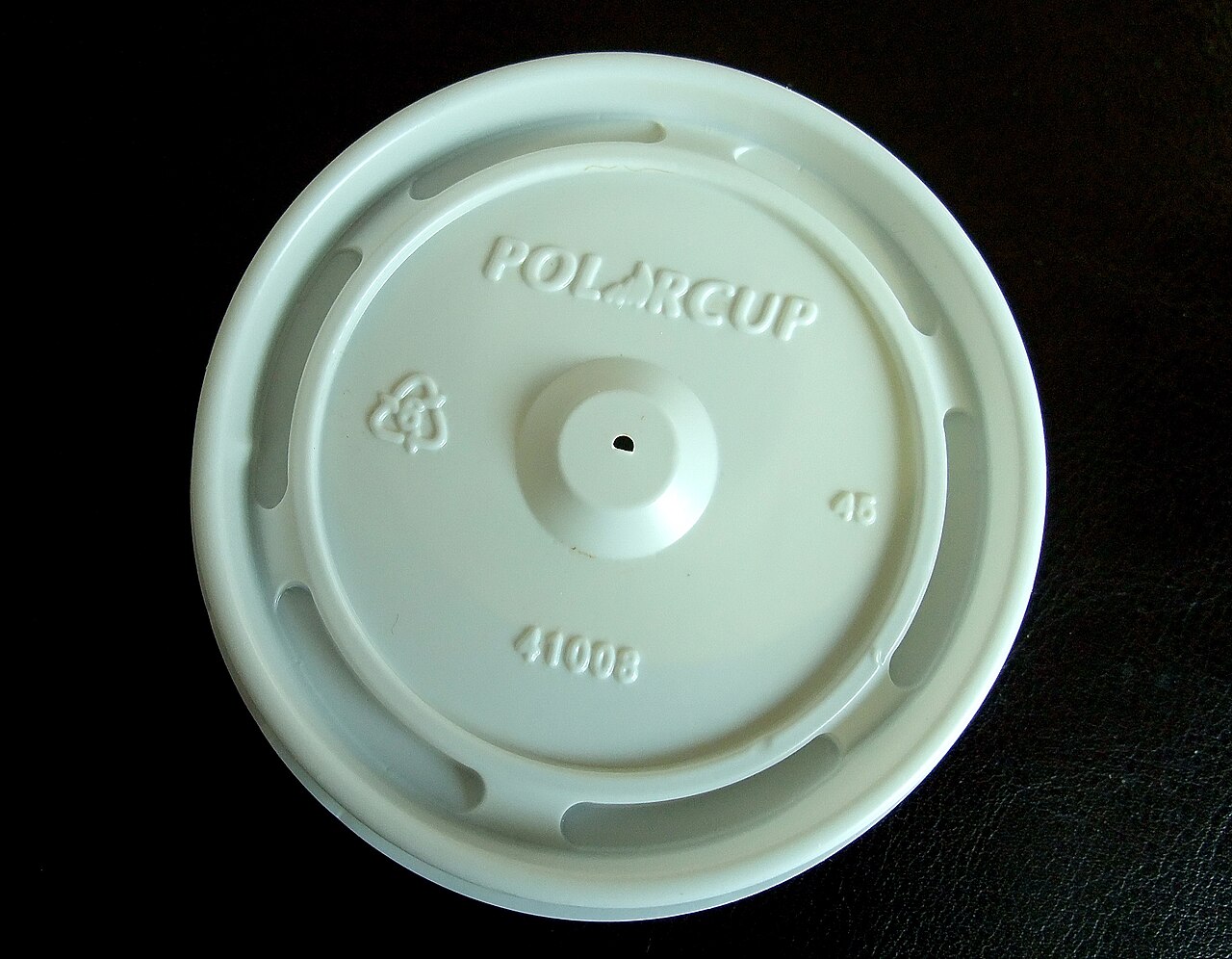
The removal applies to transport EPS specifically — not polystyrene broadly. It does not mean foam cups, foodservice packaging or residential EPS belong in a curbside bin, and in most programmes they still do not. The Pact's guidance is a voluntary framework, not a regulatory requirement, and the Pact itself says further work is needed to raise recovery rates while its wider review continues.
The arithmetic nobody enjoys
A 31% recycling rate means roughly 69% of the material is still not recovered. That is the threshold for leaving a "problematic" list, not the definition of circular.
Two further gaps are worth naming. First, a recycling rate is not a closed loop — it says material was collected and processed, not that it came back as transport packaging. Second, a rate reported for a controlled commercial pathway cannot be assumed to transfer to contaminated consumer foam simply because the polymer is the same.
The verdict
The decision is defensible on its own terms: a defined material category met a published threshold through a real collection network. The failure mode is entirely in the retelling — "EPS is no longer problematic" is not what happened, and it is what most people will hear.
Should a material leave a problematic list at roughly 30% recovery, or only once collection rates are high and closed-loop reuse is demonstrable?
References and image credits›
- 01U.S. Plastics Pact — Statement on removal of EPS transport packaging
- 02Waste Dive — U.S. Plastics Pact removes expanded polystyrene from list
- 03U.S. Plastics Pact — Problematic and unnecessary materials criteria
Photo: Cheng-en Cheng, CC BY-SA 2.0 · Photo: Acdx, CC BY-SA 3.0 · Photo: Celinea33, CC BY-SA 4.0 · Photo: Mk2010, CC BY-SA 3.0 · Photo: Cheng-en Cheng, CC BY-SA 2.0