
374Water's PFAS Destruction Numbers Are Real. The Scale-Up Is Not Proven.
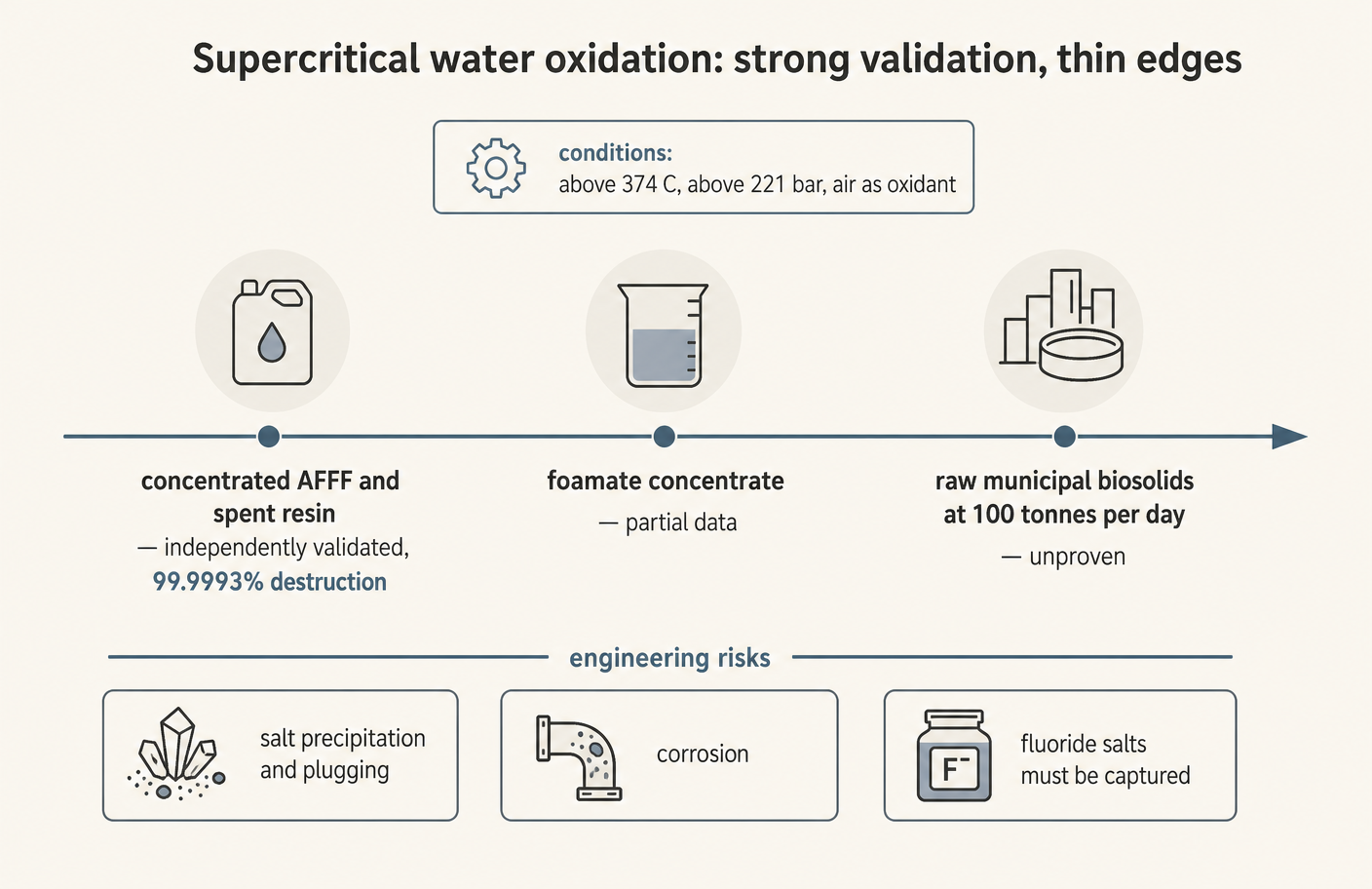
Supercritical water oxidation destroyed 42 PFAS compounds at 99.9993% in an independently reported Army Corps evaluation. Getting from that feedstock to raw municipal biosolids at 100 tonnes a day is a different engineering problem.
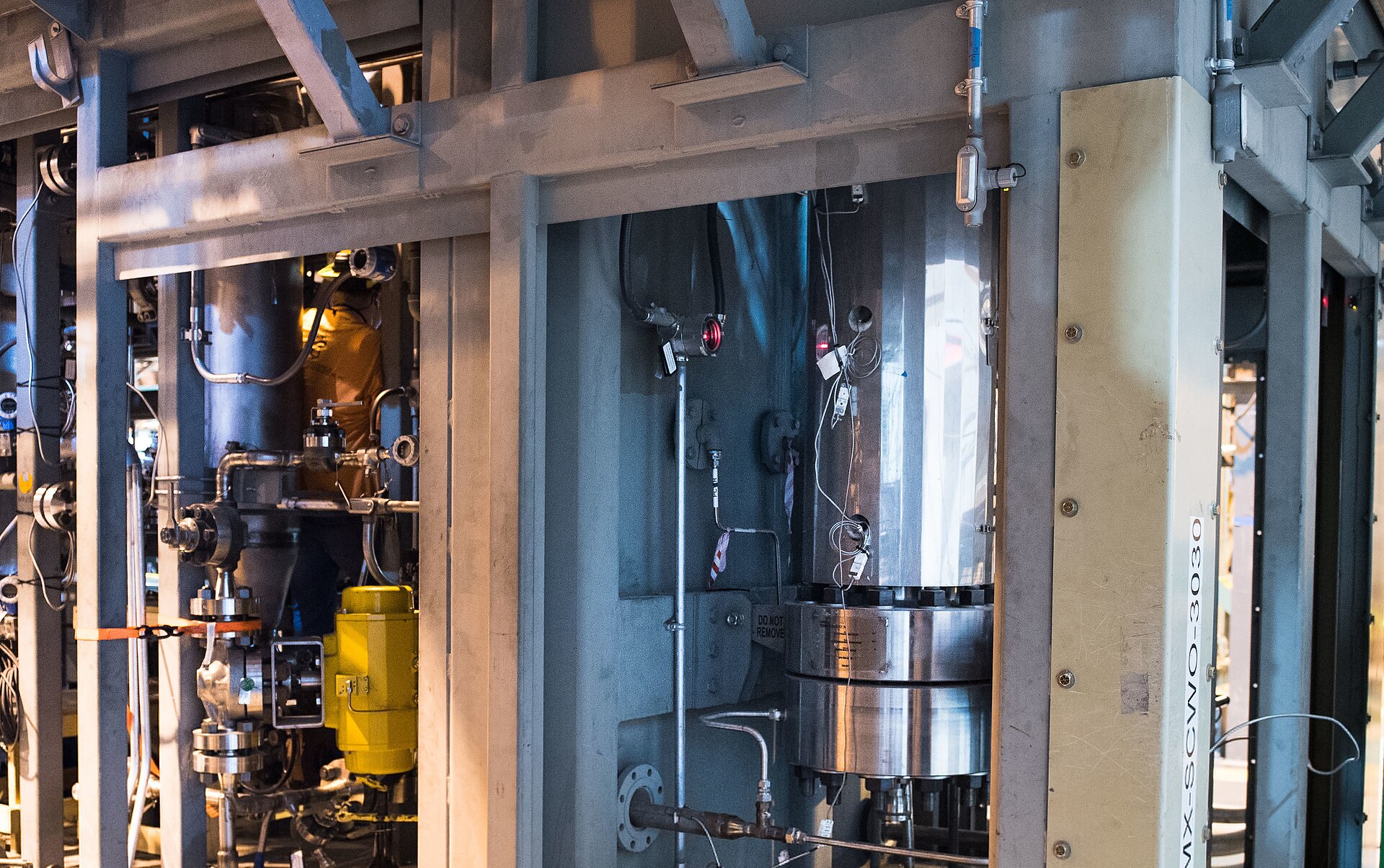
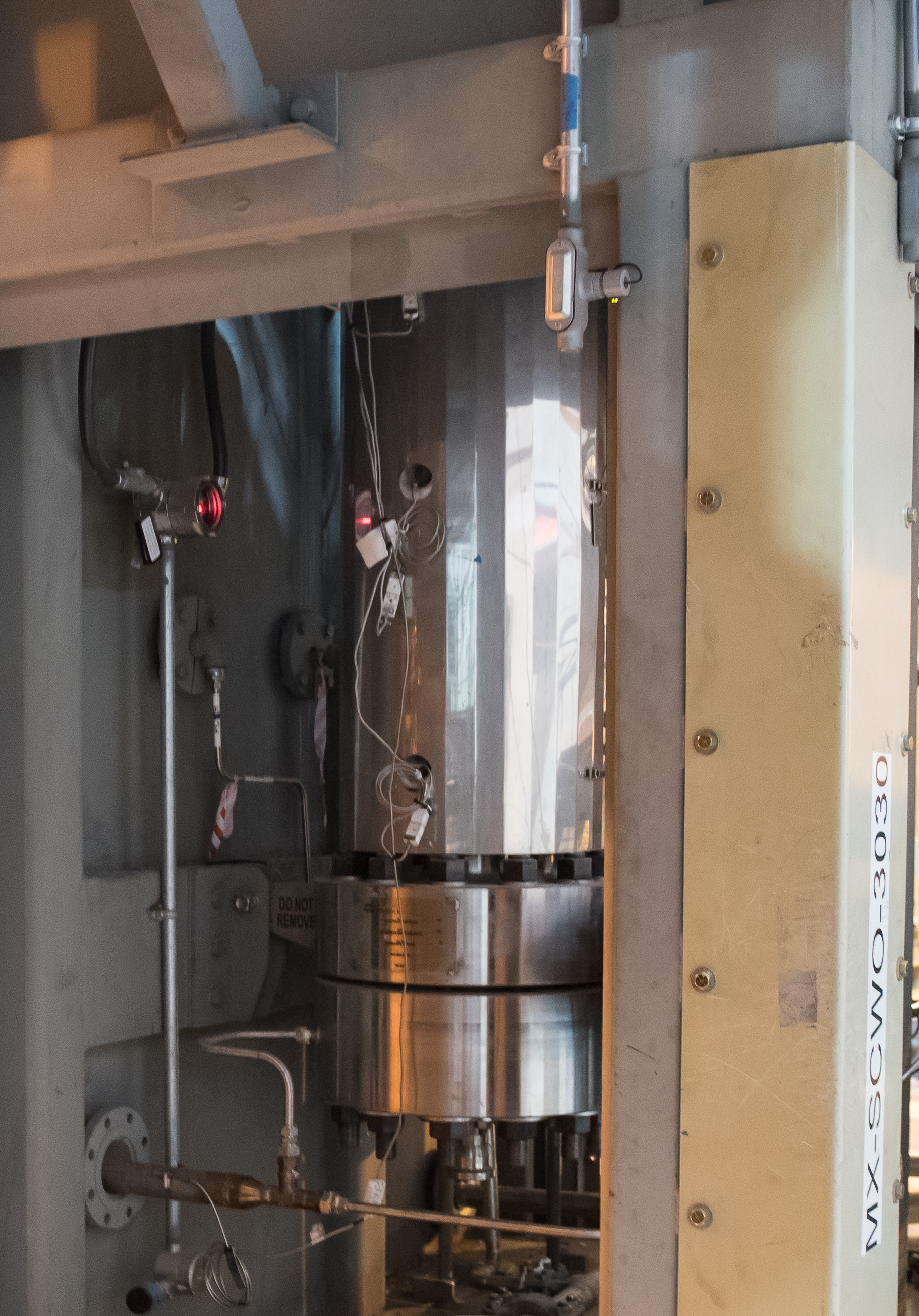
Above 374 °C and 221 bar, water stops behaving like water. It becomes a supercritical fluid that dissolves organics and oxygen freely, which means you can oxidise carbon-fluorine bonds — the bonds that make PFAS persistent — in a single-phase reactor without a flame.
That is the mechanism behind 374Water's AirSCWO system, and it works. An evaluation reported by the US Army Corps of Engineers found 99.9993% destruction and removal across 42 PFAS compounds.
Why that number is credible
It is independently reported rather than self-published, it names the compound count, and it is consistent with what is known about SCWO on other halogenated organics. SCWO has been used for chemical weapons destruction, which is not a forgiving application.
AirSCWO destroys PFAS at 99.9993% and can be applied to municipal biosolids at 100 tonnes per day.
The validated result is on concentrated, relatively consistent feedstocks. The 100 t/d biosolids case is an announced target, not a demonstrated operating record.
Feedstock is the whole difficulty
Concentrated AFFF, spent ion-exchange resin and foamate are relatively predictable: known composition, high PFAS concentration, low solids variability. Municipal biosolids are none of those things. They vary by season, by industrial discharger, by rainfall.
Three physical problems get worse as feedstock gets dirtier:
Salt precipitation. Supercritical water is a poor solvent for inorganic salts. They drop out and plug the reactor. Biosolids carry a lot of inorganics.
Corrosion. Fluoride released from PFAS destruction is aggressive at these conditions. Alloy selection and replacement intervals are a running cost.
Fluoride capture. The fluorine has to end up somewhere. Destroying PFAS produces fluoride salts that need to be scrubbed and disposed of, and that step belongs in the mass balance.
The energy question nobody prices
SCWO is a strong answer for concentrated PFAS waste and an unproven answer for dilute municipal sludge. Those are two different products.
Bringing an aqueous stream to supercritical conditions costs energy, and the organic content of the feed provides some of it back through oxidation. For concentrated waste, the process can approach self-sustaining. For dilute biosolids, the heat balance is much less favourable, and the difference shows up directly in the cost per tonne.
The honest summary is that PFAS destruction by SCWO is technically settled and commercially unsettled. What remains unproven is continuous operation on variable feedstock, and that is exactly the thing pilot data cannot tell you.
References and image credits›
- 01US Army Corps of Engineers PFAS destruction technology evaluation
- 02EPA interim guidance on destroying and disposing of PFAS
Photo: PEO ACWA, CC BY 2.0 · U.S. Navy photo, public domain · Photo: Marcos von Sperling, CC BY-SA 4.0 · Photo: PEO ACWA, CC BY 2.0