
"Waste-to-Energy Is Clean Renewable Power" — No, and the Reason Is Arithmetic
Burning municipal waste for electricity emits more CO2 per unit of power than a coal plant. The climate case for incineration rests entirely on what the waste would have done instead, not on the electricity.
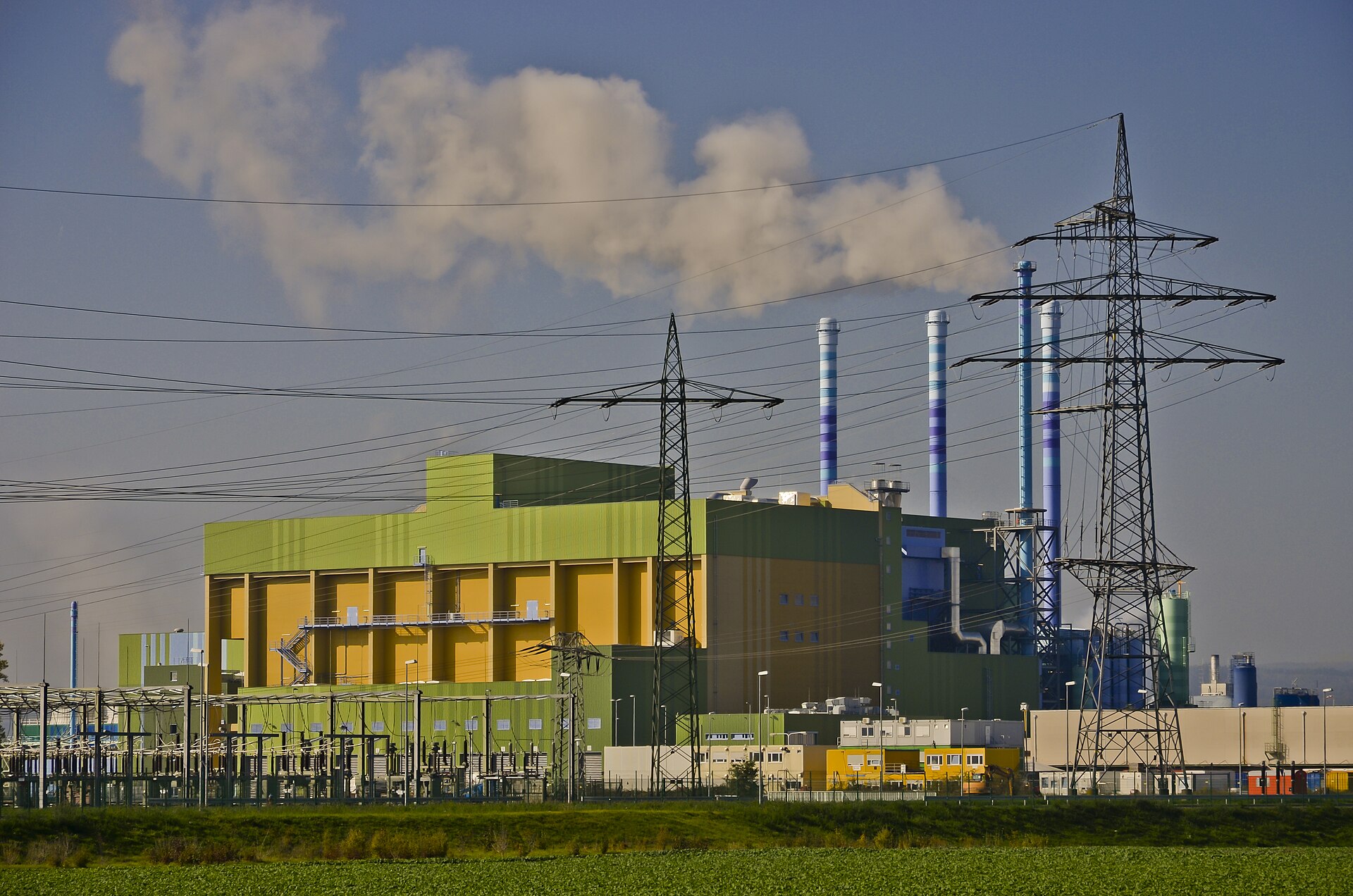
Waste-to-energy plants are routinely described as renewable generation. Some jurisdictions count them that way in their energy statistics. The physical numbers do not support the description.
The carbon intensity
A modern mass-burn waste-to-energy plant emits roughly 500-600 kg CO2 per megawatt-hour of electricity delivered. Coal is around 820-1000. Gas is around 350-400. Wind and solar are effectively zero at the point of generation.
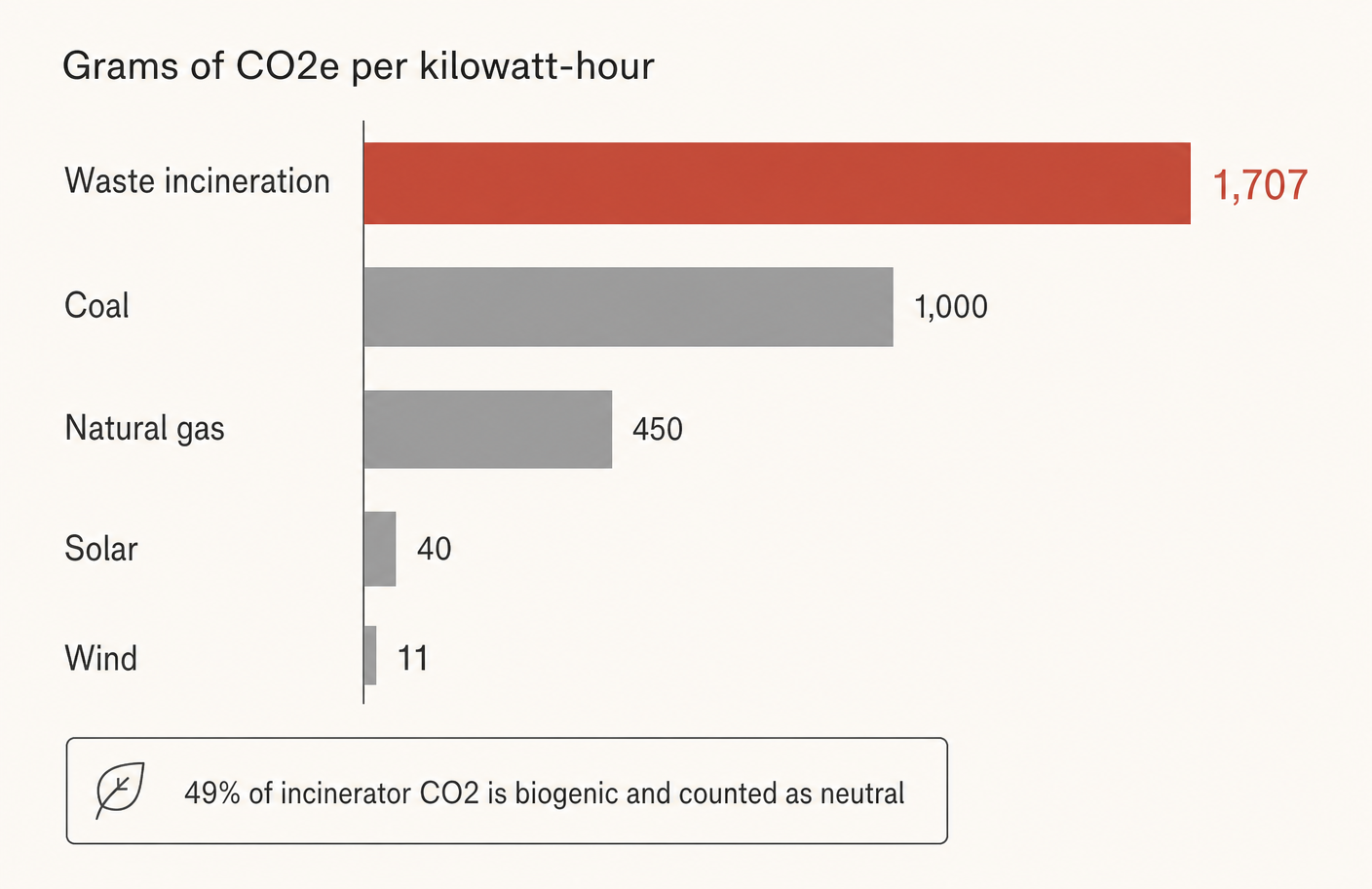
The reason is thermal efficiency. Municipal waste is wet, heterogeneous and low in calorific value compared with fossil fuels, and the corrosive flue gas limits steam temperature. Electrical efficiency in an electricity-only plant is typically 20-27%, against 40%+ for a modern coal unit and 55%+ for combined cycle gas.
Where the "renewable" label comes from
Roughly half the carbon in municipal waste is biogenic — food, paper, wood, textiles of natural origin. Biogenic CO2 is conventionally counted as climate-neutral, so accounting rules let operators subtract it. What is left is the fossil fraction: plastics, synthetic textiles, rubber.
That accounting convention is why the same plant can be reported as roughly half-renewable while its physical stack emissions are unchanged. It is a rule about attribution, not a statement about the atmosphere.
The comparison that is actually fair
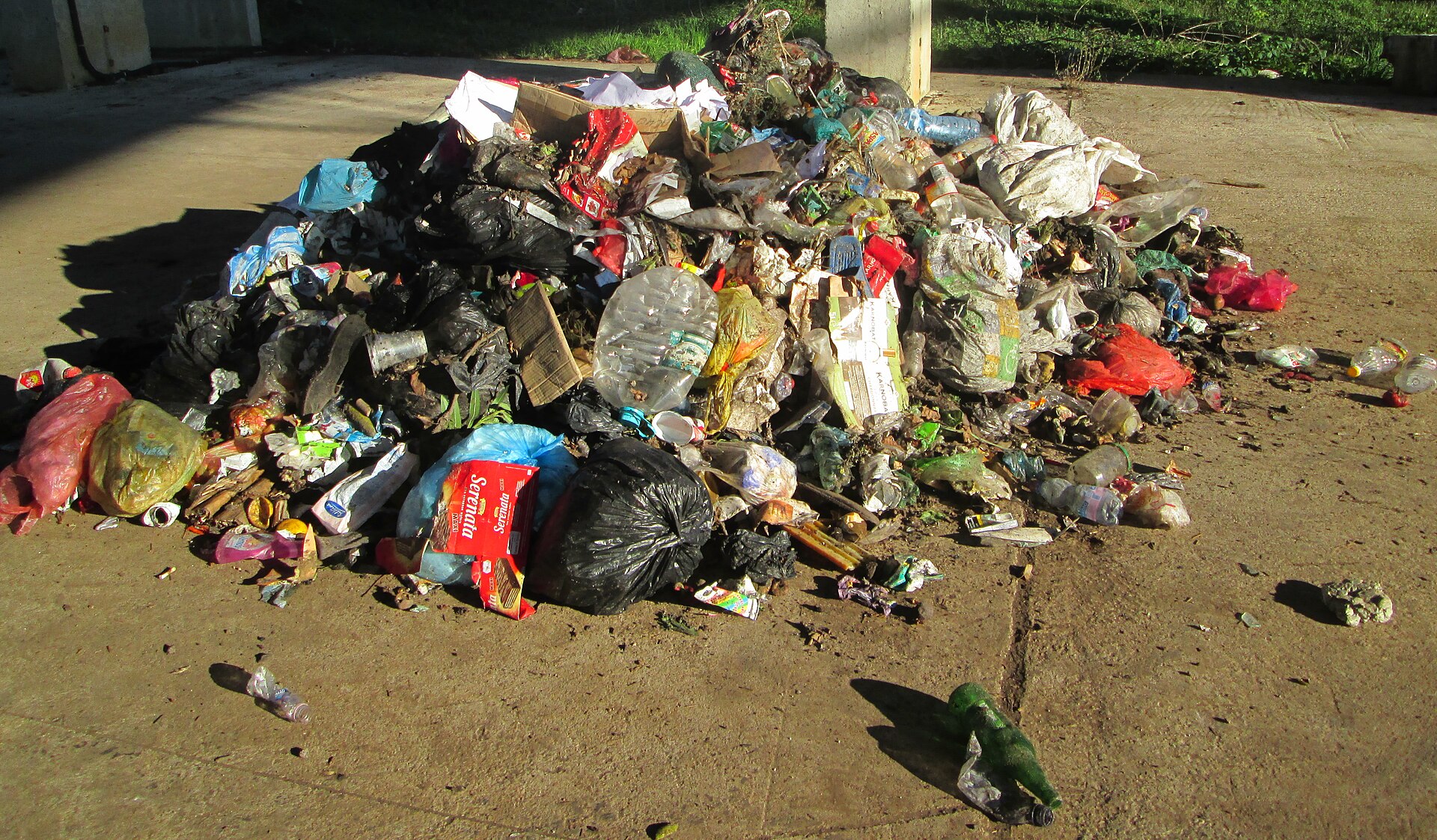
Waste-to-energy should not be compared with wind. It should be compared with the alternative fate of the same tonne of waste — which in most places is landfill.
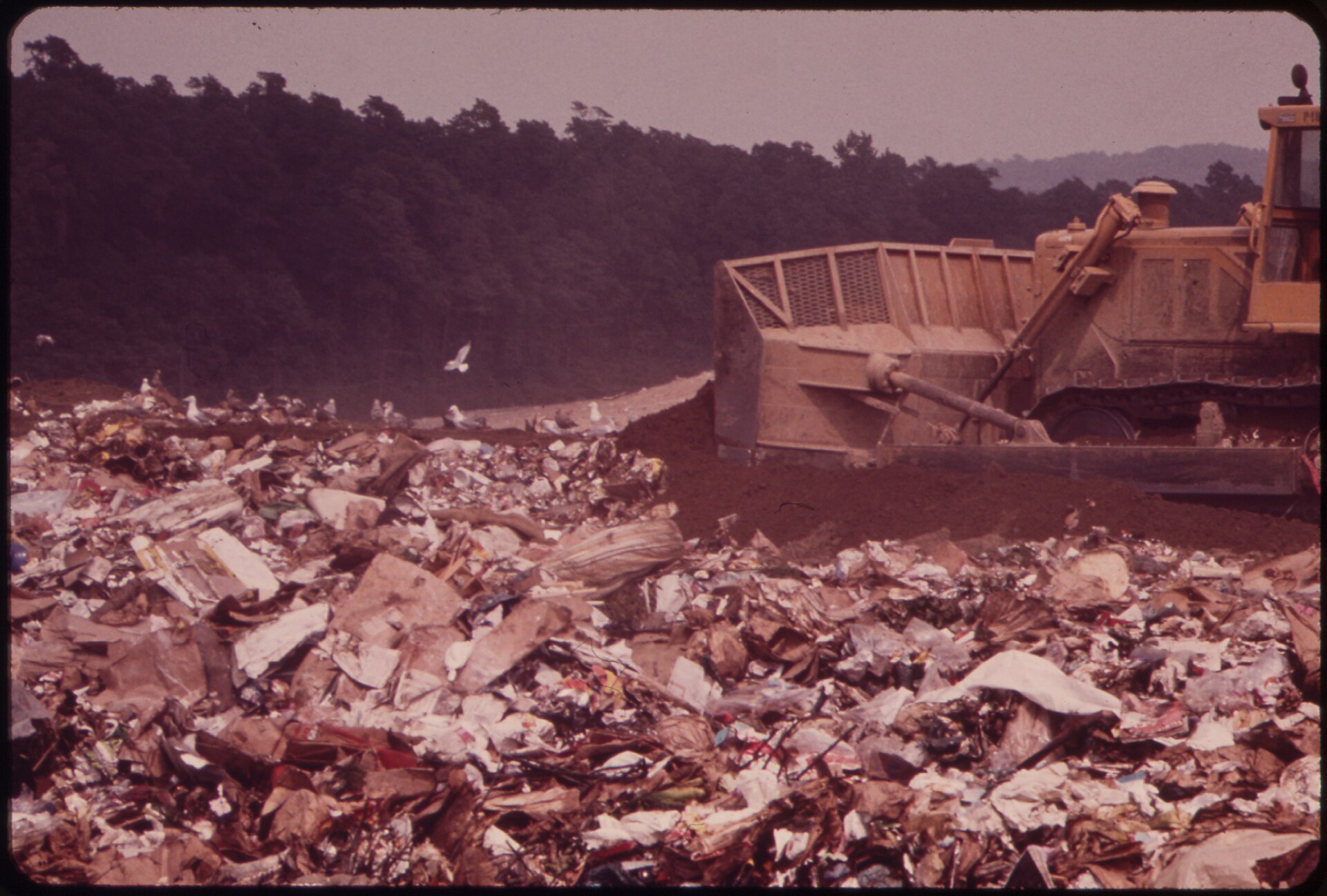
Landfilled organic waste generates methane. Even with gas capture, a substantial fraction escapes, and methane has roughly 80 times the warming effect of CO2 over twenty years. Against uncaptured landfill, incineration usually wins on climate. Against modern landfill with high-efficiency gas capture, the margin narrows sharply. Against separate collection with anaerobic digestion of the organic fraction and material recycling of the rest, incineration usually loses.
The lock-in problem
An incinerator is a 25-40 year asset with a debt schedule that requires a guaranteed tonnage. Those contracts create a financial interest in a steady waste stream, which sits directly against waste reduction targets. This is not hypothetical — several European municipalities have imported waste to meet minimum-tonnage clauses.
What is true
Modern plants control dioxins, heavy metals and particulates well; the 1980s pollution argument is largely obsolete. Combined heat and power plants that sell heat into a district network reach 70-80% total energy recovery and have a genuinely defensible position. Waste-to-energy is better than open dumping by a wide margin.
None of that makes the electricity renewable. It makes incineration a disposal method with partial energy recovery, which is a smaller and more honest claim.
References and image credits›
- 01IPCC AR6 lifecycle emissions by generation technology
- 02European Environment Agency — waste incineration and the circular economy
Photo via Wikimedia Commons, CC BY-SA 4.0 · Photo: 008all, CC BY-SA 4.0, via Wikimedia Commons · Photo: U.S. National Archives, public domain